
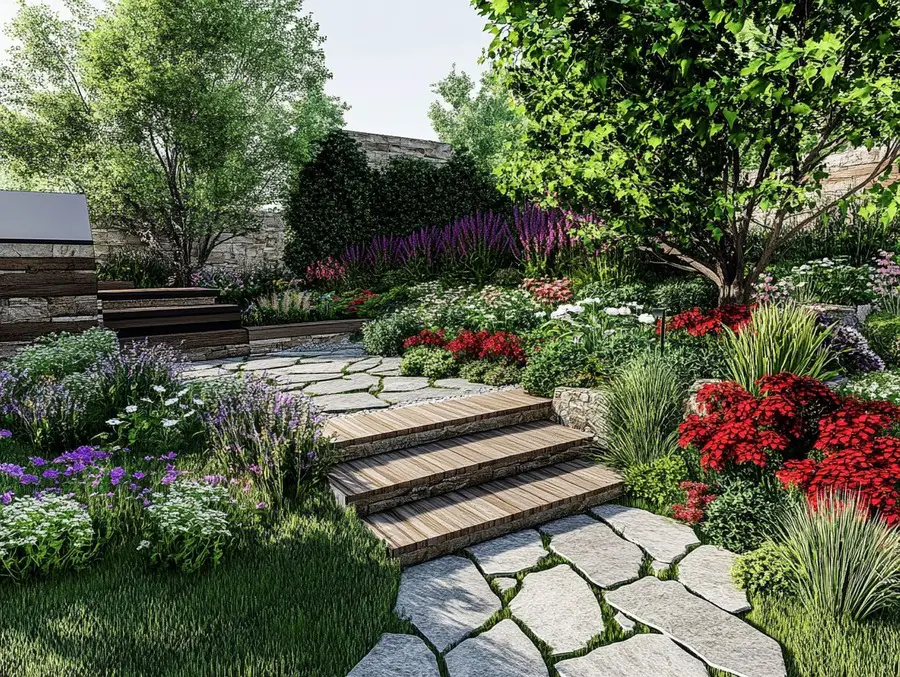
Balancing softscape and hardscape is one of the most important parts of xeriscape design. Too many plants can make a yard feel crowded and harder to maintain, while too much stone or concrete can make it feel harsh and lifeless. The goal is finding the right mix.
A balanced xeriscape uses plants, trees, and groundcovers alongside gravel, pathways, patios, and walls to create a yard that looks natural, saves water, and stays practical long-term.
What You’ll Learn
- The difference between softscape and hardscape
- How to balance plants with stone, gravel, and patios
- Ways to improve water efficiency through better layout
- Simple design tips to create a more functional xeriscape
Quick Answer
Balancing softscape and hardscape means combining living plants with structural features like gravel, patios, and pathways to create a xeriscape that looks balanced, works efficiently, and stays easier to maintain.
How Softscape and Hardscape Work Together
In xeriscaping, softscape and hardscape should support each other. Plants soften the landscape, add seasonal color, and support pollinators. Hardscape creates structure, improves access, and reduces the amount of space that needs water.
When balanced correctly, these two elements create a yard that feels complete instead of overcrowded or too bare.
Understanding Softscape and Hardscape
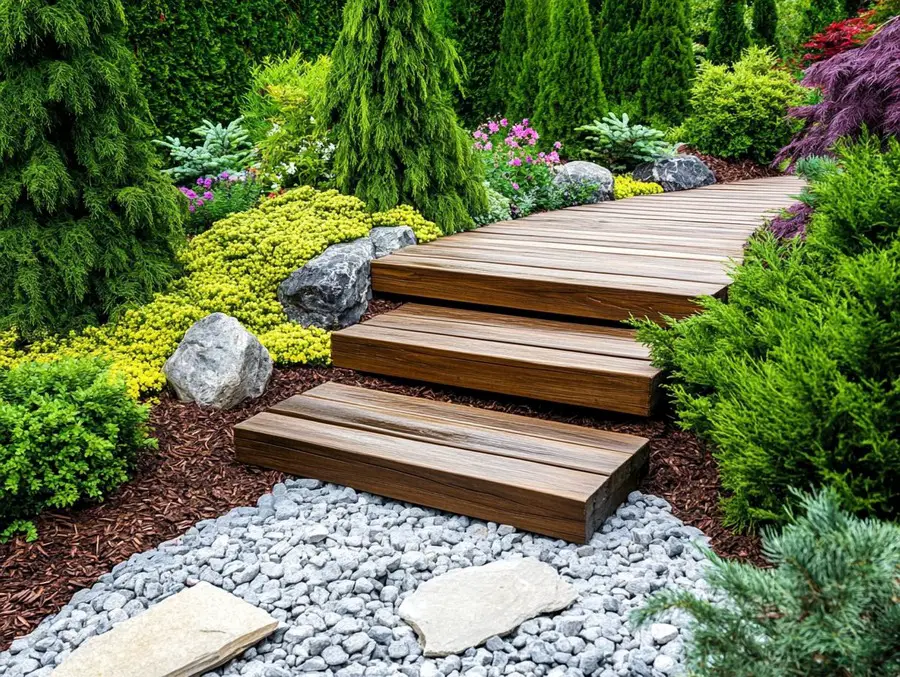
Understanding the basic concepts of softscape and hardscape is key to creating those beautifully balanced outdoor spaces you’ve been dreaming of.
Softscape includes all the living elements in your landscape, think trees, shrubs, flowers, and other plants.
On the flip side, hardscape covers the non-living aspects, like pathways, patios, decking, retaining walls, and water features.
When you combine these two elements, they really amp up the aesthetics and functionality of your garden design, helping you create a cohesive and inviting space that harmonizes beautifully with the environment.
Definitions and Differences
Softscape and hardscape are the two main building blocks of any landscape. Softscape includes the living parts like trees, shrubs, flowers, grasses, and groundcovers. These elements add color, movement, shade, and seasonal changes to your yard.
Hardscape covers the non-living structural parts like patios, pathways, gravel, stone, retaining walls, and edging. These features create shape, improve access, and help control water flow and erosion.
The difference is simple: softscape brings life and flexibility, while hardscape adds structure and durability. Both are important, especially in xeriscaping, where the right balance can improve water efficiency and make the entire landscape easier to maintain.
For example, a gravel path bordered by drought-tolerant plants creates clear structure while keeping the space natural and inviting. When these elements work together, the result feels balanced instead of overcrowded or empty.
Importance of Balancing Softscape and Hardscape
Balancing softscape and hardscape is essential for you to create a harmonious landscape that’s both functional and easy on the eyes.
When you plan your outdoor space well, you’re combining living elements with structural features, making sure it looks fantastic but also does its job effectively.
Finding the right balance can amp up your curb appeal, promote sustainability, and boost biodiversity in your garden ecosystem.
Benefits of a Balanced Landscape
A balanced landscape does more than improve curb appeal. It makes your yard easier to use, easier to maintain, and more efficient with water. In xeriscaping, this balance helps create spaces that feel natural while still staying practical.
When softscape and hardscape work together, plants can provide shade, color, and habitat for pollinators, while pathways, gravel, and patios add structure and reduce maintenance. This combination helps prevent overcrowding and keeps the layout functional.
A well-balanced design can also improve drainage, reduce erosion, and make outdoor spaces more comfortable for relaxing or entertaining. Over time, it often lowers maintenance costs and helps your landscape stay healthier with less effort.
The result is a yard that looks better, works better, and fits the long-term goals of water-wise landscaping.
Factors to Consider in Balancing Softscape and Hardscape
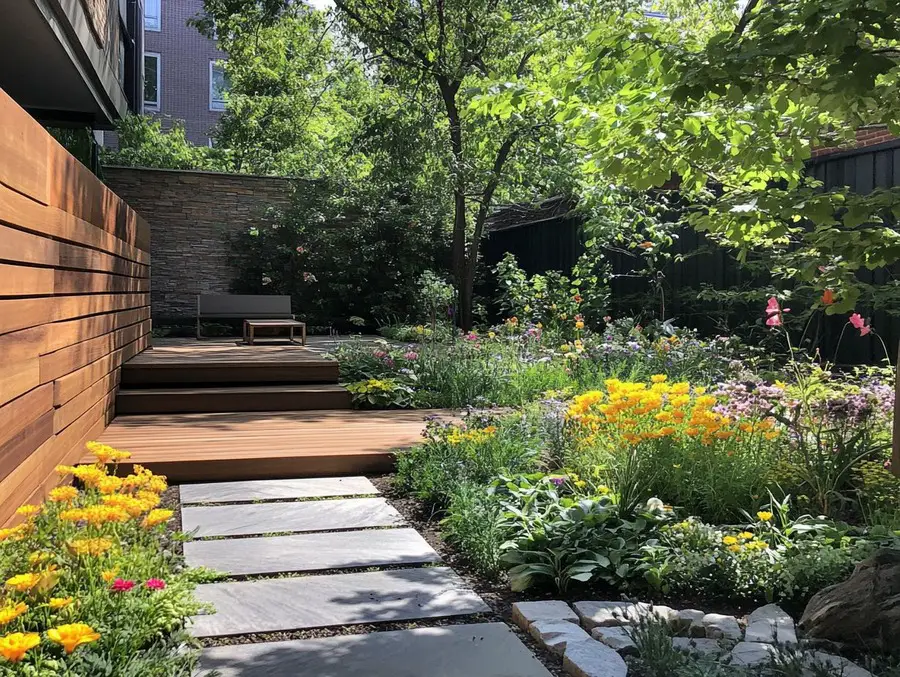
When you’re trying to find the right balance between softscape and hardscape, there are a few key factors that can really influence how your landscape design turns out.
Think about the climate in your area, your personal preferences, and the insights you gather from a solid site analysis.
All of these elements will help you pick the best materials and plant choices that will flourish in your outdoor space.
Climate and Environment
Climate plays a major role in how you balance softscape and hardscape in a xeriscape. The amount of sun, rainfall, wind, and temperature swings in your area will affect both plant choices and the materials you use.
In hot, dry climates, drought-tolerant plants often work best alongside gravel, stone, and other hardscape features that help reduce water use. In wetter regions, you may need more plant coverage and better drainage solutions to handle excess moisture.
Drainage is especially important. Hardscape elements like patios, retaining walls, and pathways should be placed in ways that guide water away from problem areas instead of creating runoff or erosion issues.
By designing around your local environment, you can create a landscape that works better long-term, stays easier to maintain, and fits naturally with your climate.
Personal Preferences and Needs
When you’re thinking about the balance between softscape and hardscape in your landscape design, your personal preferences and needs are what really matter.
Factors like what you want the space to do, how you want it to look, and how you plan to use it will guide your choices, helping you create a garden that truly reflects your style and meets your requirements.
For example, if you value tranquility and a connection to nature, you might lean toward lush greenery and vibrant flowers, enhancing those softscape elements to craft a serene escape.
On the other hand, if you’re all about entertaining and durability, you might choose more hardscape features, like patios and walkways, which offer solid functionality for gatherings and activities.
By recognizing these preferences, you can create a harmonious blend that caters to your unique lifestyle, resulting in an outdoor space that looks great and also serves practical purposes, fulfilling both your aesthetic desires and functional needs.
Creating a Balanced Landscape Design
Creating a balanced landscape design requires a thoughtful approach where you blend different techniques and design principles to achieve that perfect visual harmony and functionality.
As you think about elements like color palettes, textures, and spatial arrangements, you can craft outdoor spaces that are stunning and practical for your everyday needs.
Tips and Techniques
Creating a balanced xeriscape starts with planning how your plants and hardscape features will work together. The goal is to create structure without making the space feel too hard or too crowded.
- Layer your plants: Use taller shrubs or grasses in the back, medium plants in the middle, and groundcovers in front to create depth and soften hard edges.
- Create focal points: Add a standout feature like a large boulder, decorative pot, dry creek bed, or specimen plant to draw attention and anchor the design.
- Use hardscape with purpose: Gravel paths, patios, and retaining walls should improve function, guide movement, and reduce maintenance.
- Keep plant groupings practical: Group plants with similar water needs together to improve irrigation efficiency and simplify care.
A well-balanced layout should feel natural, easy to move through, and simple to maintain over time.
Maintaining a Balanced Landscape
Even a well-designed xeriscape needs occasional upkeep to keep softscape and hardscape working together. Regular maintenance helps preserve the look of the landscape while keeping plants healthy and hardscape features functional.
Regular Maintenance and Adjustments
Routine care in a balanced landscape is usually simple but important. Prune plants as needed to prevent overcrowding, refresh mulch or gravel where it has shifted, and keep pathways clear.
Check irrigation systems regularly to make sure water is reaching plant roots without waste. Watch for drainage problems around patios, retaining walls, and gravel beds so small issues do not turn into erosion problems.
As plants grow, you may need to adjust spacing or replace weaker plants to maintain the balance between greenery and structure. These small updates help your xeriscape stay functional, attractive, and easier to manage year after year.
Frequently Asked Questions
What is the best softscape to hardscape ratio?
A common starting point is around 60% softscape and 40% hardscape, but it depends on your climate, yard size, and maintenance goals.
Does more hardscape save water?
Usually yes. Gravel, stone, and patios reduce planted space, which lowers irrigation needs, but balance is still important for shade and cooling.
Can a xeriscape have too much rock?
Yes. Too much exposed rock can increase heat reflection and make the landscape feel harsh. Plants help soften the design and improve comfort.
What plants work best with hardscape?
Drought-tolerant grasses, succulents, native shrubs, and low-growing perennials often pair well with gravel, pathways, and stone features.
Final Thoughts
Balancing softscape and hardscape is what makes a xeriscape feel complete. The right mix creates a landscape that looks natural, saves water, and stays easier to maintain over time.
Start by building structure with gravel, stone, or pathways, then soften the space with drought-tolerant plants that fit your climate. Small adjustments in balance can make a big difference in how your yard looks and functions.
Explore More Xeriscape Design Guides
What is xeriscaping? A beginner’s guide to drought-tolerant landscaping – Colorado State University