
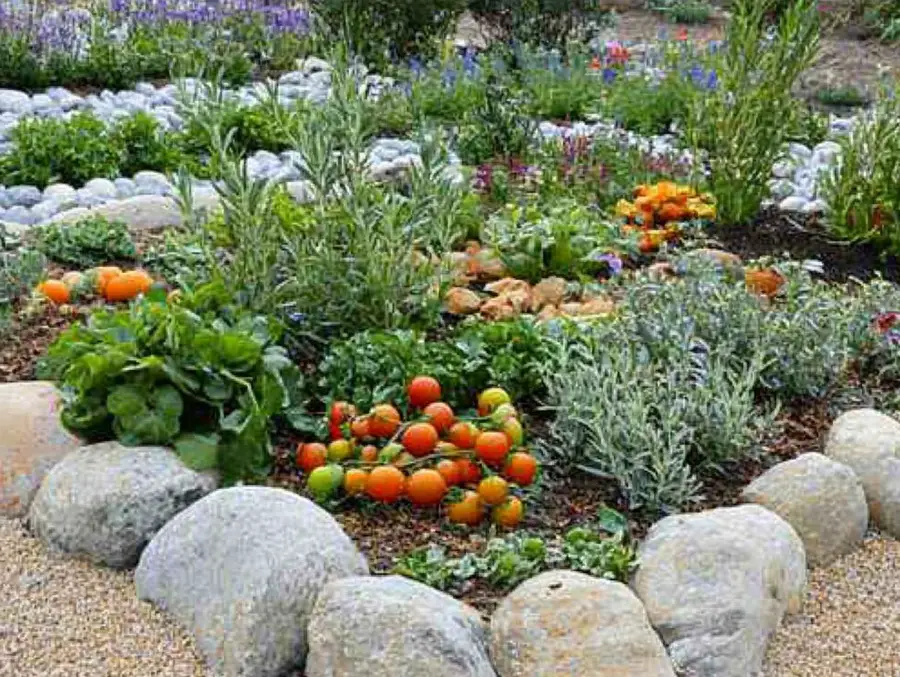
Edible plants for xeriscaping let you grow food while using less water, which makes them a smart fit for dry climates and practical gardens. You do not have to choose between saving water and growing something useful.
Many herbs, fruits, vegetables, and even some cacti can handle dry conditions surprisingly well once established. The trick is choosing plants that match your climate and grouping them by water needs.
This guide covers some of the best edible xeriscape plants and how to build a productive low-water garden.
What You’ll Learn
- Which edible plants work best in xeriscaping
- How to grow herbs, fruits, and vegetables with less water
- Which cactus and succulents are edible
- How to group edible plants by water needs
- How to build a productive low-water food garden
Quick Answer
Edible xeriscape plants include rosemary, thyme, sage, figs, pomegranates, prickly pear cactus (Opuntia), and some peppers. These plants can produce food while using less water than traditional garden crops.
How Edible Plants Fit Into Xeriscaping
Xeriscaping is usually associated with ornamental drought-tolerant plants, but many edible plants fit into the same low-water approach. Herbs, fruits, vegetables, and even some cactus can thrive with less water when matched to the right soil and climate.
That makes edible xeriscaping a practical way to grow food while reducing irrigation, especially in dry regions or smaller spaces where water use matters more.
Choosing Edible Plants for Xeriscaping
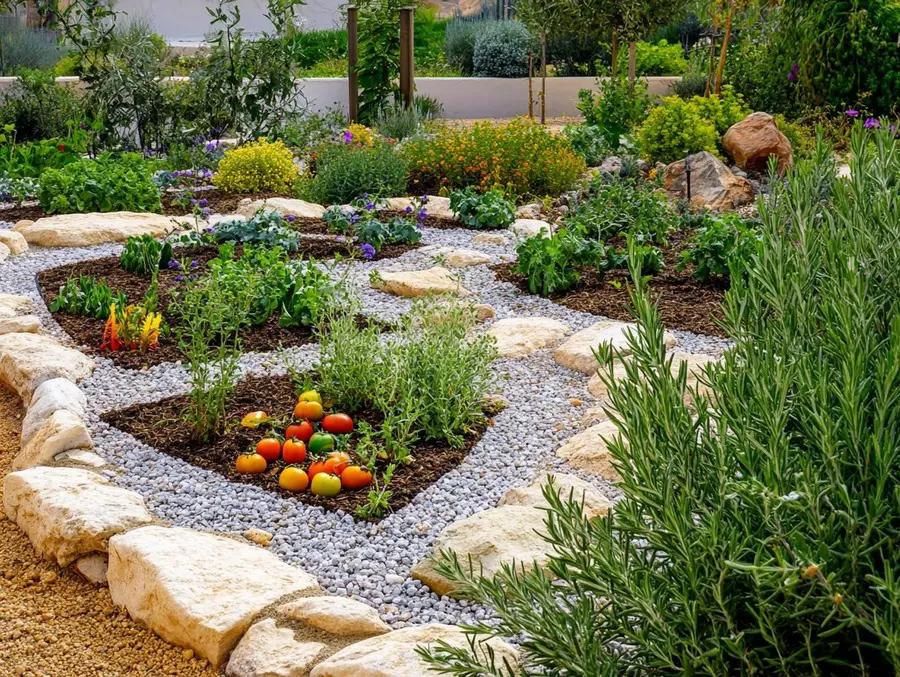
Choosing edible plants for xeriscaping means balancing food production with water efficiency. The best choices are plants that naturally handle dry conditions, need less watering, and match your local climate.
Grouping edible plants by water needs also makes irrigation easier and helps prevent overwatering or waste.
You get to grow flavorful herbs, vegetables, and fruit-bearing plants all while conserving water. How great is that?
Factors to Consider
When you’re choosing edible plants for xeriscaping, there are a few key factors to keep in mind, like drought tolerance, soil health, and how well the plants will adapt to your local climate.
You should definitely take a close look at the water requirements of the plants you pick to ensure they’ll thrive with minimal irrigation.
It’s also a good idea to think about how compatible they are with native species. Incorporating local plants helps create a more sustainable ecosystem that supports wildlife and beneficial insects.
By fostering biodiversity, you make your garden more resilient and promote sustainable practices that care for the environment.
Choosing plants that provide both food and visual appeal will enhance your landscape, turning it into a productive and beautiful space for you and nature.
Best Edible Plants for Xeriscaping
You’ll find a variety of edible plants that thrive in xeriscaping, each bringing its own unique flavors, nutritional benefits, and ability to withstand dry conditions.
These plants are perfect for creating a sustainable garden that’s as practical as it is delicious.
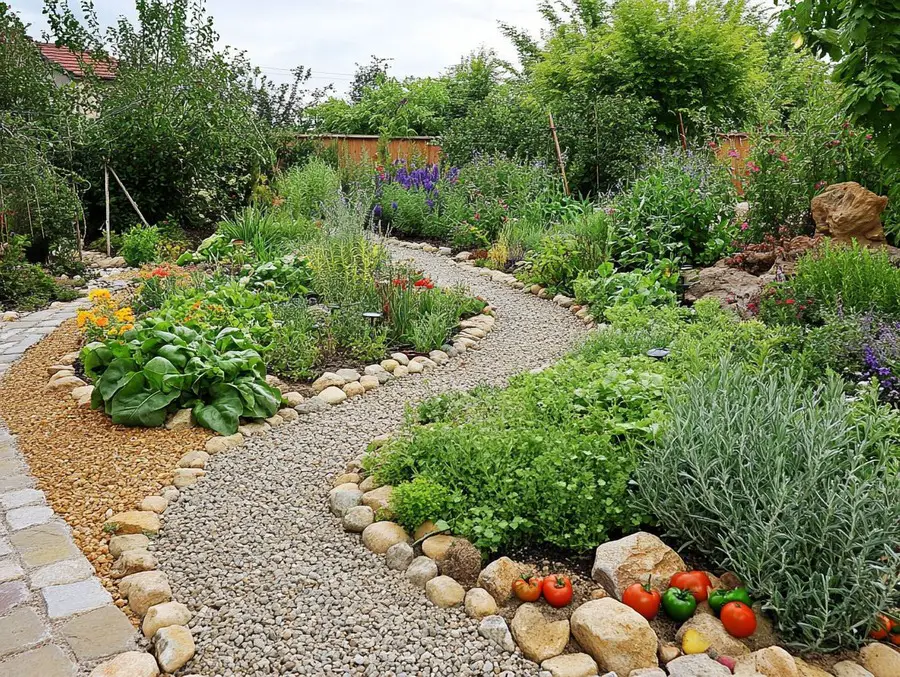
Herbs are a fantastic choice for xeriscaping because many of them are naturally drought-resistant.
They can add a burst of flavor to your dishes while boosting the biodiversity of your garden.
These hardy plants thrive in dry conditions and come with a bunch of health benefits.
Take rosemary, thyme, and sage, for example—they’re known for their ability to handle dry spells, making them perfect for a low-maintenance, water-efficient garden.
In terms of cooking, these herbs can really elevate your dishes, giving them depth and aroma.
They also pack a punch with antioxidants and anti-inflammatory properties.
You can take it a step further by using companion planting strategies.
Pairing drought-tolerant herbs with similar plants can enhance their resilience, keep pests at bay, and promote healthier soil.
By thoughtfully mixing these elements, you can create a thriving xeriscaped garden that’s both functional and pleasing to the eye.
Fruits and Vegetables
Incorporating fruits and vegetables into your xeriscape is a fantastic way to promote sustainable gardening while boosting your food security and encouraging healthier eating habits.
By carefully selecting drought-tolerant varieties, you can contribute to local ecosystems and minimize your water usage.
Think about options like figs, pomegranates, and certain types of squash.
They adapt well to dry conditions and bring unique flavors and nutritional benefits to your table.
These plants usually thrive in well-drained soil and need full sun exposure, making them perfect for your xeriscape designs.
To help these resilient favorites flourish, it’s crucial to provide organic mulch to retain moisture and use efficient watering methods like drip irrigation.
This thoughtful approach to gardening can lead to a sustainable harvest that nourishes you and supports community resilience as we face increasing climate challenges.
Native Plants
Using native plants in your xeriscaping is a brilliant way to boost biodiversity while keeping your garden healthy and resilient in dry conditions.
These plants are like nature’s little champions. They’ve evolved to thrive right where you are, which means they’re super drought-tolerant and easy to care for.
By adding these plants to your garden, you’re not just slashing your water usage.
You’re also creating a cozy habitat for local wildlife, from buzzing bees to fluttering butterflies and all sorts of beneficial insects.
Embracing native flora is a big win for sustainability and helps your garden stand strong against the impacts of climate change.
It plays a crucial role in preserving local ecosystems, maintaining that natural balance of biodiversity, and creating a lively, thriving landscape that everyone in the community can enjoy.
Edible Cactus and Succulents
Some cactus and succulents can also be part of an edible xeriscape garden. One of the best-known examples is prickly pear cactus (Opuntia), which produces edible pads and fruit while handling heat and drought extremely well.
Other useful options include aloe vera for limited culinary uses and purslane, a drought-tolerant edible succulent often treated as a weed. These plants add another layer of productivity to low-water gardens.
How to Incorporate Edible Plants in Xeriscaping
By incorporating edible plants into your xeriscaping design, you can create a garden that’s visually appealing and productive.
It’s a great way to promote sustainable practices and show a little love for the environment.
Design Tips and Tricks
Crafting a successful xeriscape with edible plants is all about thoughtful design tips and tricks that boost both looks and functionality.
To create a visually appealing layout, think about how you arrange different plant species.
Focus on harmonious color schemes that make your space feel inviting.
When you’re choosing edible plants, consider pairing them strategically.
This maximizes your space and enhances growth through companion planting techniques, which can help keep pests at bay and promote healthier plants.
Adding native plants alongside your edible selections can take things up a notch.
It supports local biodiversity and aligns with sustainable gardening principles.
This approach beautifies your landscape while also providing fresh produce, making your garden both practical and a pleasure to enjoy.
Maintaining Edible Plants in Xeriscaping
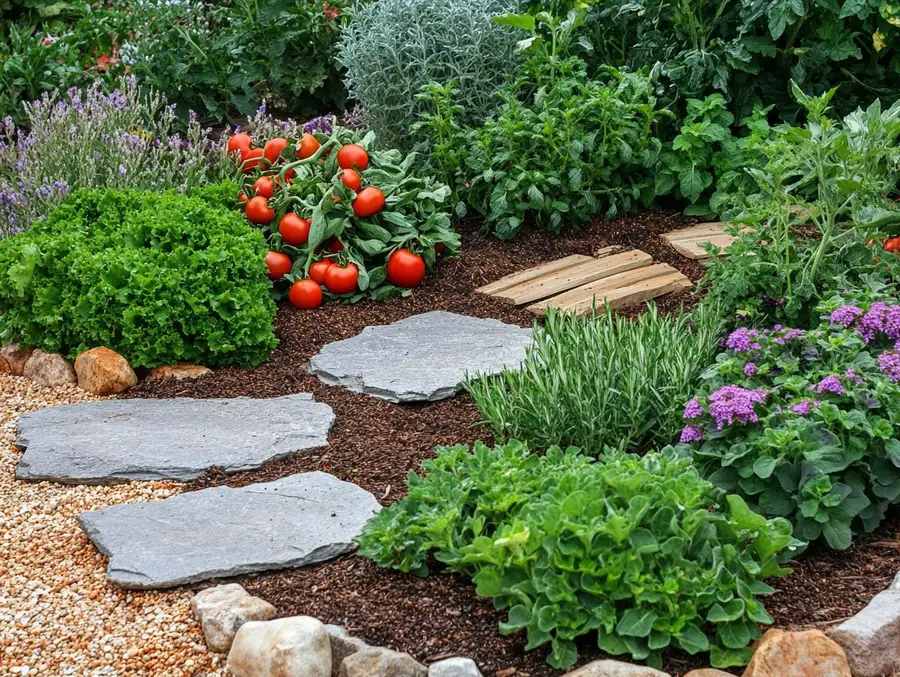
Properly maintaining your edible plants in xeriscaping is key to keeping them healthy, productive, and sustainable, especially in an arid environment.
Watering and Fertilizing Techniques
Adopting effective watering and fertilizing techniques is key to keeping your edible plants thriving in a xeriscape, especially if you’re in a water-scarce area.
Consider implementing a drip irrigation system; it’s a game-changer.
It delivers water straight to the roots of your plants, cutting down on waste and evaporation.
Using organic amendments, like compost, improves the structure of your soil and boosts its ability to hold onto moisture.
Cover cropping can help protect your soil from erosion while enriching it with nutrients.
Don’t forget about mulching with organic materials like straw or wood chips.
This helps regulate soil temperature and keeps moisture in, so you won’t have to water as often.
And if you really want to up your gardening game, think about incorporating sustainable practices like rainwater harvesting.
It’s a smart way to use water efficiently and keep your plants healthy overall.
Pest Control in Xeriscaping
When you’re putting effective pest control strategies into action in your xeriscaping, it’s crucial to protect your edible plants while also promoting biodiversity in your garden.
This balance boosts the overall health of your landscape and helps you rely less on synthetic chemicals, letting you live more harmoniously with nature.
By embracing organic gardening practices, you can try out methods like companion planting, which invites beneficial insects to chase away pests or use natural repellents made from plants.
Incorporating a variety of plant species in your garden can create a resilient ecosystem that attracts pollinators and other helpful critters, ultimately leading you to sustainable pest management solutions that fit right in with xeriscaping principles.
Frequently Asked Questions
What edible plants grow best in xeriscaping?
Herbs like rosemary, thyme, and sage are some of the easiest. Figs, pomegranates, peppers, and prickly pear cactus also do well in dry gardens.
Can vegetables grow in a xeriscape garden?
Yes, but it depends on the crop. Some vegetables like peppers and certain squash varieties handle lower water better than leafy greens.
Is prickly pear cactus edible?
Yes. Opuntia produces edible pads called nopales and sweet fruits often called tunas. It is one of the best edible xeriscape plants for hot, dry regions.
Do edible xeriscape plants still need watering?
Yes, especially during establishment. Once rooted, many need far less water than traditional food crops.
Final Thoughts
Edible plants for xeriscaping prove you can grow useful food without wasting water. With the right mix of herbs, fruit, vegetables, and drought-tolerant cactus, a xeriscape can be productive as well as beautiful.
The key is choosing plants that fit your climate, improving the soil, and grouping plants by water needs. That makes it easier to harvest food while keeping maintenance and irrigation low.
A well-planned edible xeriscape can save water, support pollinators, and give you something worth picking at the end of the season.
Explore More Xeriscape Plant Guides
What is xeriscaping? A beginner’s guide to drought-tolerant landscaping – Colorado State University