
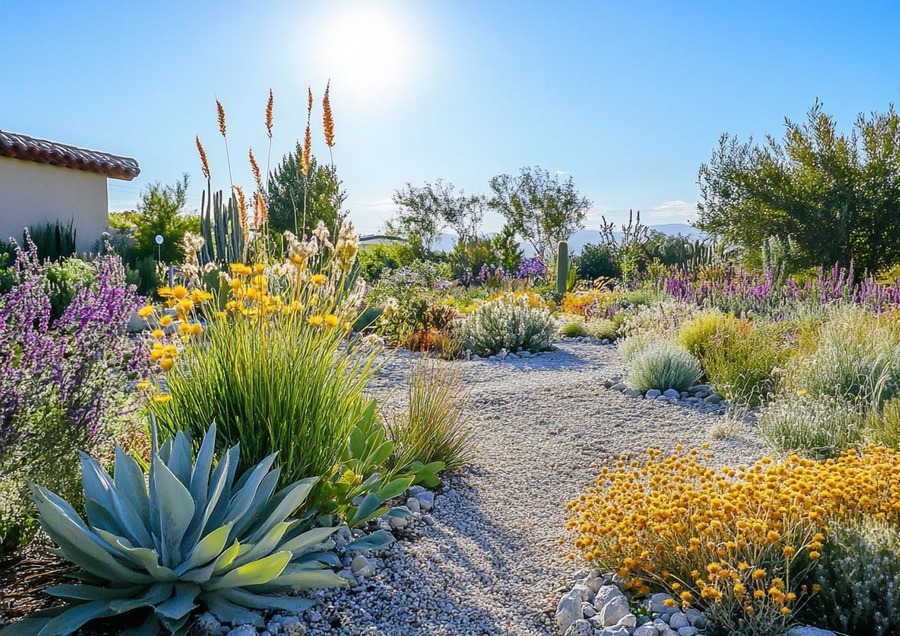
Missteps to Avoid in Xeriscaping helps you create a thriving, water-wise landscape! Learn common mistakes and easy fixes for a beautiful, drought-friendly yard.
Xeriscaping is a fantastic sustainable landscaping method that helps you conserve water while making your outdoor space look beautiful.
This approach dives into the basic principles of xeriscaping, points out common mistakes to steer clear of, and gives you tips on choosing the right plants for your garden. You’ll find helpful advice on effective design and key maintenance practices to keep your xeriscape thriving. Plus, you’ll discover techniques to maximize water efficiency, so your garden stays lush and vibrant while saving those precious resources.
What are Missteps to Avoid in Xeriscaping?
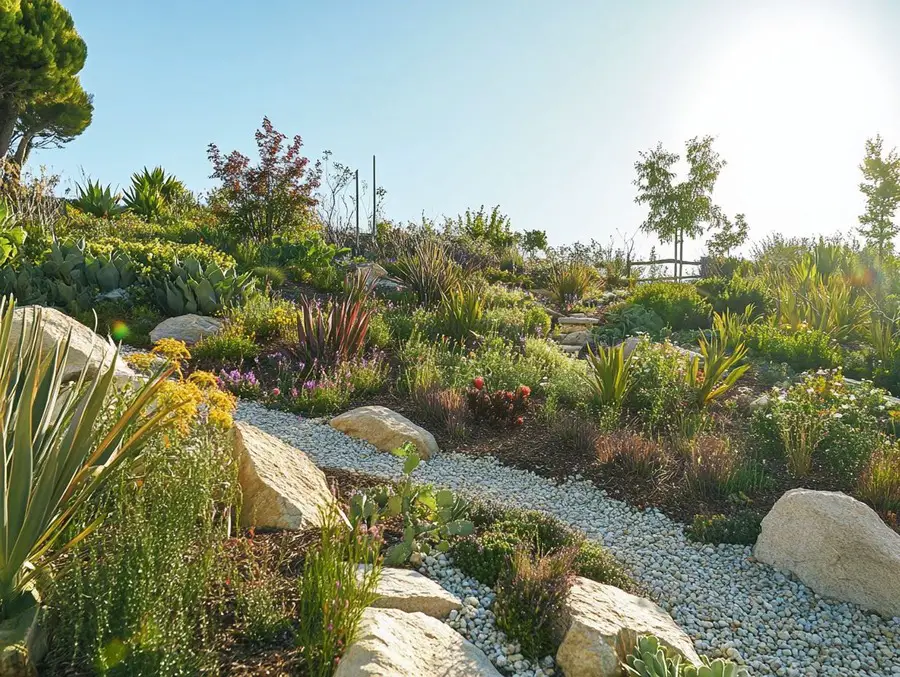
Xeriscaping is a landscaping approach that helps you conserve water by using drought-resistant plants and native flora. This means you can create a beautiful outdoor space that’s also ecologically responsible.
It does require some careful planning and a good grasp of your local climate and soil quality, but once you get that down, you’ll be able to maintain a sustainable garden that thrives even in dry conditions.
By following xeriscape principles, you can design a landscape that looks great while also minimizing your environmental impact and resource usage.
Definition and Principles
The principles of xeriscaping focus on water-efficient gardening techniques that take advantage of the natural characteristics of your local environment, ensuring your plants stay healthy and your landscape remains sustainable.
By using strategies like proper soil preparation, you can really boost water retention and cut down on evaporation. Start by assessing your soil type, then enhance it with some organic matter, and don’t forget to use mulch to create barriers that keep moisture from escaping.
When you choose drought-resistant plants that are well-suited to your local climate, you’re not just contributing to ecological balance; you’re also reducing the need for extra watering.
Plus, using efficient irrigation systems like drip irrigation lets you target your watering, optimizing water usage and promoting healthy plant growth. With these combined efforts, you’ll create a resilient landscape that thrives in harmony with nature.
Common Missteps in Xeriscaping
When you start your xeriscaping journey, it’s really important to be aware of common missteps and design flaws that could hold you back, potentially wasting your resources and causing frustration.
A lot of gardeners tend to overlook key elements like soil quality, plant compatibility, and proper irrigation systems, which can lead to mistakes that mess with their landscaping goals.
By spotting these errors early on, you can take a smarter and more sustainable approach to xeriscaping, making the most of your outdoor living space.
Identifying and Avoiding Mistakes
To create a successful xeriscape, you need to keep an eye out for potential mistakes throughout the gardening journey, from picking the right plants to laying out your garden just right.
Understanding your local climate and soil conditions is key since that’s what helps you choose the right xeriscaping plants that will thrive in your environment. Mistakes often pop up when irrigation techniques go awry, so selecting an efficient system that promotes water conservation is crucial for keeping your landscape healthy.
Don’t forget to regularly check how your chosen plants adapt to seasonal changes—this way, you can ensure they thrive all year round. By focusing on careful planning and preparation, you can dodge the pitfalls and create a lively xeriscape that not only enhances your outdoor space but also helps conserve water.
Choosing the Right Plants for Xeriscaping
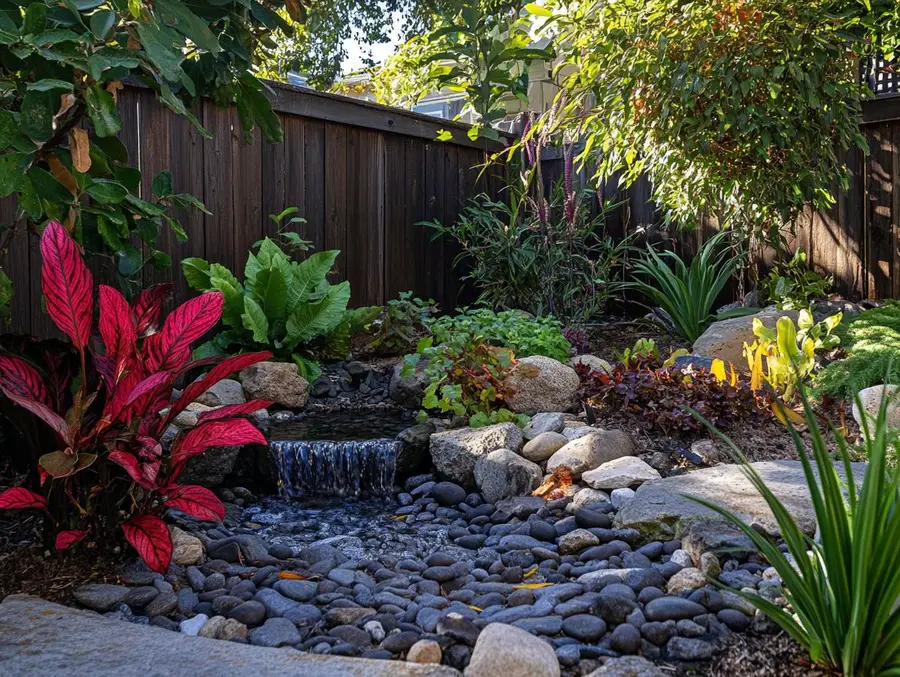
Choosing the right plants for your xeriscape is key to creating an outdoor space that thrives while emphasizing water conservation and sustainability.
It’s all about selecting drought-resistant and native plants that will flourish in your environment.
Factors to Consider
When you’re choosing plants for xeriscaping, there are a few important factors you need to consider to make sure your garden thrives.
First off, understanding the sunlight needs of different plants is key—some love basking in full sun while others prefer to hang out in partial shade.
Then there’s the soil. You’ll want to pay attention to its nutrient composition and pH level since these will impact how well your plants absorb the essential goodies they need, like water and nutrients. And don’t forget about drainage! Proper drainage is vital because it prevents that pesky waterlogging that can cause root rot and other problems.
Seasonal changes matter too! Opting for drought-resistant varieties that can handle temperature swings can help keep your garden looking productive and vibrant all year round.
Designing an Effective Xeriscape
When you’re designing an effective xeriscape, it’s all about thoughtful planning and a bit of creativity.
You want to establish a garden layout that conserves water while also making your landscape look great and serve its purpose well.
Tips for Planning and Layout
When you’re planning your xeriscape, it’s important to think about layout tips that focus on plant grouping, erosion control, and long-term maintenance routines to make your garden as efficient as possible.
By arranging your plants based on their water and sunlight needs, you can create a beautiful, low-maintenance landscape that thrives even in dry conditions. Using ground covers can drastically cut down on soil erosion, and if you strategically place rocks and mulch, you’ll help retain moisture and keep the soil temperature just right.
Plus, incorporating native species not only boosts biodiversity but also reduces the need for constant upkeep.
Don’t forget to regularly monitor and adjust your plant placements as they grow. This will help ensure your xeriscape stays vibrant and effective over time. Prioritizing these elements supports local ecosystems and promotes sustainable gardening practices that benefit both you and the environment.
Maintaining a Xeriscape
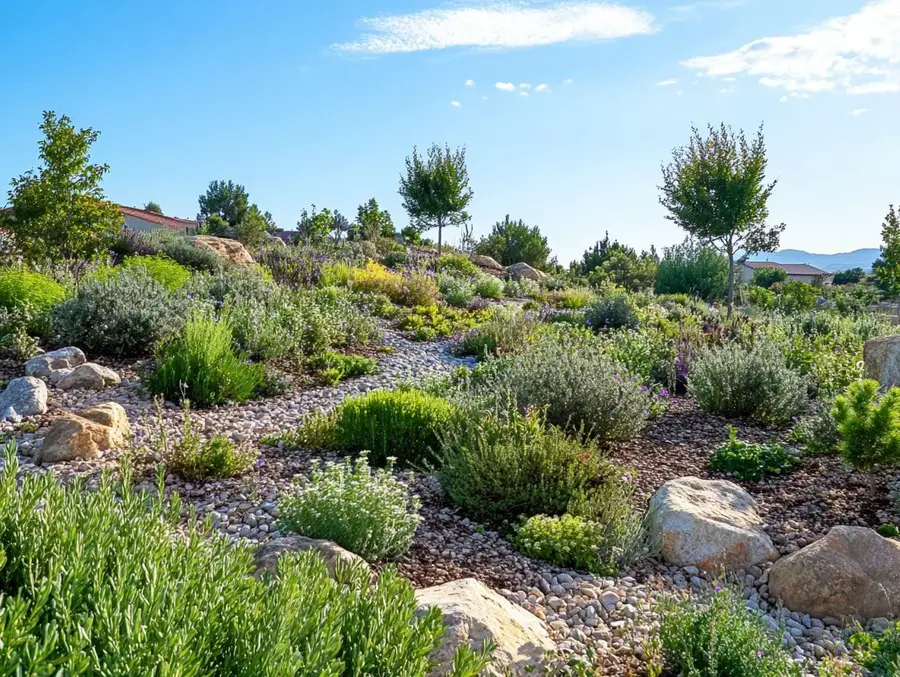
Maintaining a xeriscape means you’ll need to keep up with some essential care and proactive maintenance practices. This not only helps the health of your plants but also supports water conservation and promotes biodiversity.
Essential Care and Maintenance Practices
To effectively maintain your xeriscape, focus on care practices that promote moisture retention, weed control, and seasonal adjustments to adapt to changing conditions.
Implementing a regular mulching routine is key, as it helps regulate soil temperature and reduce evaporation. You should also consider adding a drip irrigation system to deliver water right to the root zones, which minimizes waste and keeps your plants happy.
As the temperatures shift with the seasons, make sure to adjust your watering schedule. This will help prevent plant stress and encourage healthy growth. Monitor weed management by regularly checking for those pesky invasive species that can steal resources from your plants.
By tweaking your care routines based on seasonal patterns, you’ll ensure that your xeriscaped environment stays healthy and vibrant for the long haul.
Maximizing Water Efficiency in Xeriscaping
Maximizing water efficiency in xeriscaping is key to making sure your landscape not only thrives but also conserves that precious resource.
You can achieve this by using strategic irrigation systems and moisture retention techniques.
Techniques and Strategies for Conservation
Implementing various techniques and strategies for conservation is essential for boosting the sustainability of your xeriscape, especially when it comes to effective irrigation practices and eco-friendly approaches.
By adopting methods like drip irrigation, which delivers water right to the base of your plants, you can significantly cut down on water usage while making sure your plants get the hydration they need. Plus, mulching is your secret weapon for moisture retention; it helps reduce evaporation and keeps weeds at bay, creating a healthier garden environment.
Incorporating native plants that thrive in your local climate is another great move. These plants are typically more water-efficient and need less maintenance. And let’s not forget about rainwater harvesting systems! They can turn runoff into a valuable resource, providing an eco-friendly hydration source to keep your xeriscape looking fabulous.
Frequently Asked Questions
What are some common missteps to avoid in xeriscaping?
Some common missteps to avoid in xeriscaping include not properly planning the layout, using non-native plants, and not properly mulching the landscape.
Why is it important to plan the layout before starting a xeriscaping project?
Planning the layout beforehand can help optimize the use of space and resources, and ensure a cohesive design for the landscape. It can also help avoid costly mistakes and save time in the long run.
What are some commonly used non-native plants in xeriscaping that should be avoided?
Some commonly used non-native plants in xeriscaping that should be avoided include Bermuda grass, English ivy, and Japanese honeysuckle. These plants can be invasive and disrupt the balance of the ecosystem.
Why is proper mulching important in xeriscaping?
Proper mulching helps retain moisture in the soil, suppresses weeds, and improves the health of plants. It also adds aesthetic appeal to the landscape and can help regulate soil temperature.
What are the consequences of not properly maintaining a xeriscaped landscape?
If a xeriscaped landscape is not properly maintained, it can lead to overgrown plants, increased water usage, and an unattractive appearance. It can also attract pests and diseases, which can be detrimental to the health of the plants.
How can one avoid making mistakes in xeriscaping?
One can avoid making mistakes in xeriscaping by doing thorough research, consulting with a professional, and starting with a small project before tackling a larger one. It is also important to regularly maintain the landscape and make adjustments as needed.
Benefits of Xeriscaping: Save Water, Time, and Money
What is xeriscaping? A beginner’s guide to drought-tolerant landscaping