

Perennials for xeriscaping are one of the best ways to build a low-water landscape that keeps coming back year after year. Unlike annuals, perennials establish deeper roots over time, making them better at handling drought and heat.
The right drought-tolerant perennials can reduce watering, lower maintenance, and add long-lasting color while supporting pollinators and beneficial insects.
This guide covers some of the best xeriscape perennials and how to use them for stronger, easier landscapes.
What You’ll Learn
- Why perennials work well in xeriscaping
- Which drought-tolerant perennials are easiest to grow
- How to choose perennials for your climate and soil
- How to combine perennials for color and texture
- How to maintain perennial xeriscape plants long term
Quick Answer
Perennials for xeriscaping include lavender, yarrow, coneflower, sedum, Russian sage, and salvia. These plants return each year, use less water, and need less maintenance once established.
Why Perennials Work Well in Xeriscaping
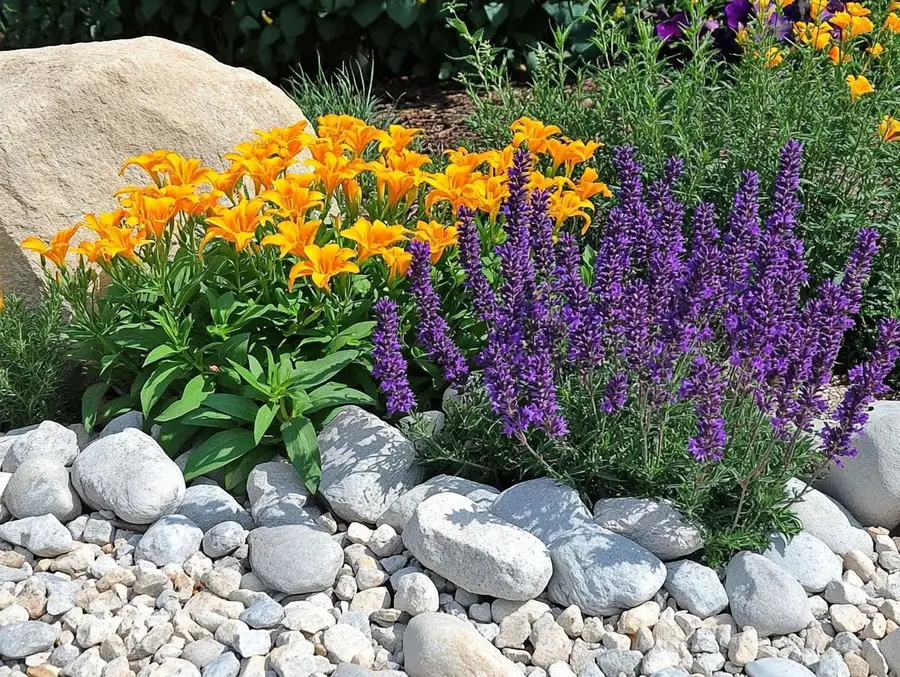
Perennials are a strong fit for xeriscaping because they establish deeper roots over time, making them more drought-tolerant than many annual flowers. Once established, they usually need less water and less replanting.
They also provide long-term structure, seasonal color, and pollinator support while keeping maintenance lower year after year.
Benefits of Xeriscape Perennials
Using perennials in xeriscaping comes with a ton of benefits. They’re perfect for low-water gardening, which means you can save on that water bill while still enjoying a vibrant garden.
They help enhance biodiversity, making your outdoor space a great habitat for various wildlife.
And let’s not forget about the beauty factor—your landscape will be bursting with seasonal blooms that require minimal maintenance.
It’s a win-win all around!
Water Conservation and Low Maintenance
One of the best things about using perennials in xeriscaping is that they conserve water and require low maintenance.
This makes them a fantastic option for busy gardeners like you who want to create a sustainable landscape.
These tough little plants develop deep root systems that reach down for moisture stored in the soil, which means you won’t have to water them as often.
This natural ability boosts their drought resistance and helps prevent soil erosion.
By using smart irrigation methods like drip irrigation, you can maximize water efficiency even more, delivering moisture right to the roots where it’s most needed.
The durability of perennials means fewer garden chores during the growing season, so you can kick back and enjoy a thriving garden with way less effort.
Attracting Pollinators and Wildlife

Incorporating perennials into your xeriscape design spruces up your garden and attracts pollinator-friendly plants, creating a thriving wildlife habitat that supports biodiversity and enhances the ecosystem balance.
Plants like coneflowers, black-eyed Susans, and milkweed are game-changers for attracting bees, butterflies, and other beneficial insects that are essential for pollination.
By choosing native species, you can ensure that these plants are well-suited to your local climate and soil conditions, making them easier to care for while providing vital food sources for wildlife.
Using techniques like planting in diverse clusters, adding water sources, and incorporating native grasses can really boost biodiversity, turning your garden into a sanctuary for all sorts of life.
By creating these habitats, you’re contributing to a robust and resilient ecosystem where everything works together in harmony to sustain the environment.
Choosing the Right Perennials for Xeriscaping
When you’re picking the right perennials for your xeriscape garden, there are a few key factors to think about.
Consider your climate, prepare your soil properly, and make thoughtful plant selections.
This way, you can ensure that the plants you choose will thrive in their environment and help create a sustainable landscape.
Climate and Soil Considerations
When you’re selecting perennials for xeriscaping, it’s super important to think about your climate conditions and soil characteristics.
These factors really impact how hardy your plants will be, their drainage, and how well they retain moisture in your garden.
Getting a grip on the differences between climates, from arid deserts to humid coastal areas, helps you pick the right perennials that can thrive under specific environmental stresses.
Soil preparation is a big deal for optimal growth.
Well-drained soil that can hold onto enough moisture is key to keeping your plants healthy and vibrant.
Knowing what kind of local soil you have, whether it’s sandy, clay, or loamy will help you figure out what amendments you need to improve drainage and boost water retention.
This way, your perennial plants get the hydration they need without ending up waterlogged.
Drought-Tolerant and Native Species
Focusing on drought-tolerant and native species is crucial when you’re picking perennials for xeriscaping.
These plants are built to thrive in dry conditions and play a big role in sustainable landscaping.
By choosing these types of plants, you’ll cut down on your water usage and also help boost biodiversity in your local ecosystem.
Take native plants like lavender and yarrow, for example. They flourish in dry environments and create essential habitats for pollinators like bees and butterflies.
These xerophytes are impressively resilient, with deep root systems that let them soak up moisture efficiently, making them perfect for areas that face drought.
Their low maintenance needs make landscaping a breeze, ensuring your outdoor spaces stay vibrant and healthy, even when the weather gets tough.
By using drought-tolerant varieties, you’re not just making your surroundings more beautiful; you’re also contributing to a greener future.
Designing a Xeriscape Garden with Perennials

When you design a xeriscape garden with perennials, you’re setting yourself up to create a stunning outdoor space.
You can really emphasize the garden’s aesthetics by incorporating ornamental grasses and a thoughtful color palette, which enhances both the beauty and functionality of your landscape.
Incorporating Color and Texture
Incorporating a diverse color palette and a mix of plant textures into your xeriscape garden design can spice things up, making the space inviting and vibrant while providing seasonal interest.
This diversity makes your garden look fantastic, and it helps support local ecology by attracting all sorts of pollinators.
When you’re picking out plants, think about their growth habits and colors to create some harmonious pairings.
For example, pairing deep purple flowers with lighter shades can create a striking contrast that really grabs attention.
Choose plants that bloom at different times to keep the visual interest going all year round.
Adding evergreens can help maintain structure and greenery during the winter months, ensuring your garden looks cohesive even when the seasons change.
With some thoughtful plant selection and arrangement, you can transform your garden into a beautiful, balanced landscape.
Creating a Sustainable and Aesthetically Pleasing Space
Creating a sustainable and beautiful space in your xeriscape garden takes some thought and a bit of landscape architecture magic.
You want to focus on eco-friendly gardening practices while making sure your garden looks good and works well.
To strike that perfect balance, think about adding elements like garden pathways.
They’ll catch the eye but also make it easier for you to move around, enhancing accessibility without taking away from the natural beauty around you.
Choose hardscape materials that are durable and have a low environmental impact.
These will go hand-in-hand with your plant selections while providing essential structure.
By planning your layout carefully, incorporating native plants, and adding features like seating areas or decorative stones, you can really enhance the overall experience of your garden.
This way, your garden can become a sanctuary that truly embodies harmony with nature.
Frequently Asked Questions
What are the best perennials for xeriscaping?
Lavender, yarrow, coneflower, sedum, salvia, and Russian sage are some of the best xeriscape perennials.
Do xeriscape perennials need watering every year?
Most need regular watering while establishing, but much less once roots are developed.
Are native perennials better for xeriscaping?
Often yes. Native perennials usually adapt better to local climate and soil conditions.
Can xeriscape perennials attract pollinators?
Yes. Many flowering perennials attract bees, butterflies, and beneficial insects.
Final Thoughts
Perennials for xeriscaping make it easier to build a long-lasting, low-water landscape that improves over time. Once established, they need less watering, less replacement, and often less work overall.
Choose plants that match your climate, combine different bloom times, and build your xeriscape around long-term reliability for the best results.
Explore More Xeriscape Plant Guides
What is xeriscaping? A beginner’s guide to drought-tolerant landscaping – Colorado State University