
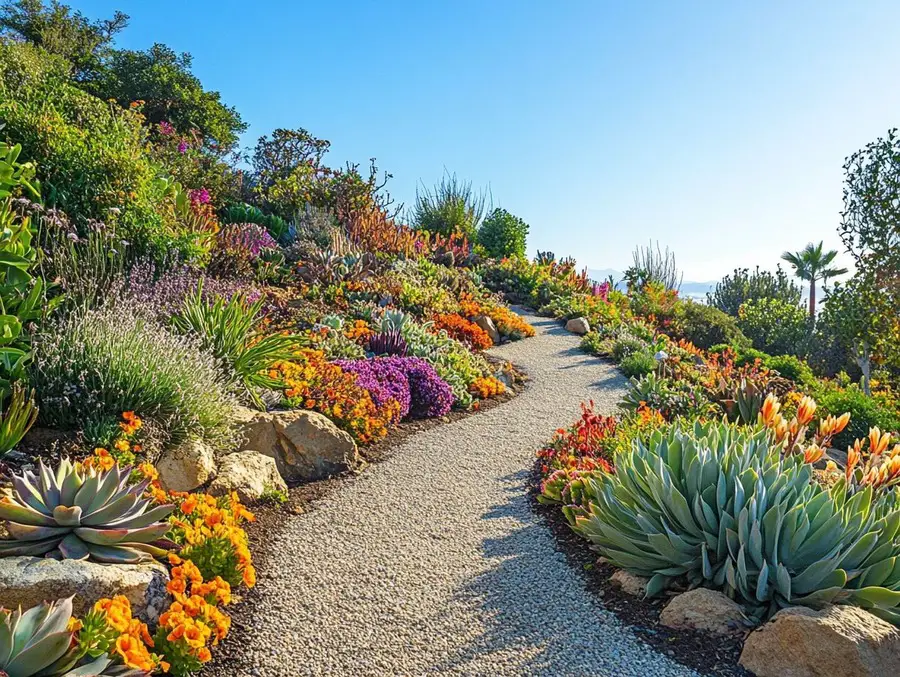
Seasonal Color in Xeriscaping is the secret to keeping your drought-friendly garden vibrant year-round.
Without planning, xeriscapes can sometimes look dry or bare during certain seasons.
But by choosing the right plants and design techniques, you can create a colorful, ever-changing garden that thrives in any climate, all while conserving water.
Seasonal Color in Xeriscaping
Key Takeaways
- Seasonal Color in Xeriscaping brings year-round vibrancy using drought-tolerant plants with staggered bloom times, colorful foliage, and ornamental grasses.
- By selecting native species suited to each season, you can maintain a bright and visually appealing xeriscape while reducing water use.
- Smart design and layering keep the garden lively in every season.
Seasonal Color in Xeriscaping: Keep Your Garden Vibrant
Xeriscaping is a fantastic, sustainable way to landscape that helps you save water while sprucing up your outdoor space.
In this article, you’ll explore the benefits of xeriscaping and learn how to add seasonal color to your designs.
You’ll discover what seasonal color is, how to pick the right native and drought-tolerant plants and get some practical tips for keeping your landscape looking vibrant all year round.
Whether you’re dealing with a dry climate or just want to enhance your garden’s aesthetics, there’s plenty of useful information here for you.
The Benefits of Xeriscaping
.jpg_00.jpeg)
Xeriscaping offers a ton of benefits, especially in areas where water is limited and being environmentally friendly is a must.
By adding drought-tolerant plants and using smart landscape design techniques, you can create a beautiful outdoor space that saves water and cuts down on maintenance.
This way, you’re not just promoting biodiversity. You’re also boosting the overall look of your landscape, making sure it thrives through seasonal changes without needing a ton of extra watering.
Water Conservation and Low Maintenance
Implementing water conservation techniques is key to creating low-maintenance gardens that flourish even during dry spells.
By choosing drought-resistant plants and setting up efficient irrigation systems, you can cut down on water usage while still keeping your outdoor spaces looking beautiful.
Incorporating native plants that are suited to your local climate can really boost your garden’s sustainability.
These plants typically need less water and are more resilient against pests and diseases, which means you won’t have to rely on chemicals as much.
Using drip irrigation systems is a smart move since it delivers water straight to the roots, helping to optimize moisture retention.
And don’t forget about mulching around your plants! It helps conserve moisture by reducing evaporation and keeping those pesky weeds at bay.
By adopting these effective gardening strategies, you’re not just creating a vibrant landscape.
You’re also building a sustainable relationship with the environment, which ultimately leads to healthier ecosystems.
Understanding Seasonal Color
Understanding seasonal color is key for you to create a vibrant landscape that evolves beautifully throughout the year.
By incorporating a diverse plant palette that includes perennials, annuals, and seasonal flowers, you can make sure your garden showcases a stunning color scheme that adapts with the changing seasons.
This adds visual interest but also enhances the overall aesthetics of your garden.
What is Seasonal Color?
Seasonal color is all about the different hues and shades that plants show off throughout the year, influenced by their growth cycles, the climate, and when they bloom.
When you get this concept down, you can design a landscape that captivates and keeps things visually interesting no matter the season.
Your choice of plants is key to achieving that seasonal color.
Different species thrive in specific climates and have their own blooming windows.
For instance, spring is all about those vibrant tulips and daffodils, while autumn rolls in with the warm tones of chrysanthemums and ornamental grasses.
If you dive into the principles of color theory, you can amp up your garden’s appeal even more.
Mixing hot and cool colors can create exciting visual experiences.
By thoughtfully selecting seasonal blooms, you’ll ensure your garden transforms beautifully, weaving together a rich tapestry of colors that evolve and invite admiration as the seasons change.
Choosing Plants for Seasonal Color
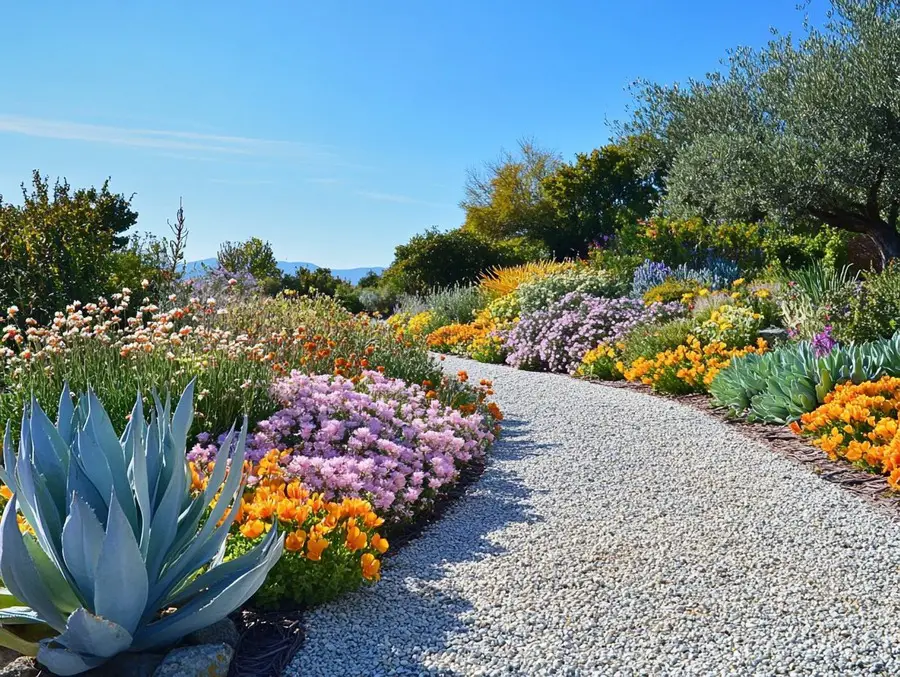
Choosing the right plants for seasonal color is key to creating a vibrant and eye-catching landscape.
When you select native plants and drought-tolerant options that thrive in your local climate, you’ll have a garden that boosts seasonal interest, supports biodiversity, and promotes sustainable practices.
Native and Drought-Tolerant Options
When you’re picking plants for your landscape, native and drought-tolerant options are fantastic choices.
They need less water and maintenance and are perfectly suited to your local environment.
Think about adding xerophytic varieties or plants that thrive in your specific garden zone.
They’ll do well with minimal effort and boost the beauty and sustainability of your outdoor space.
For example, if you’re in an arid region, Agave and Sedum are not just surviving; they’re thriving and making a statement in your garden.
In temperate areas, plants like Coneflower and Black-eyed Susan are beautiful and also attract pollinators and support local biodiversity.
These native species often have deep root systems that enhance soil health and improve water retention, which helps reduce runoff and erosion.
By incorporating these plants into your garden, you can play a part in water conservation efforts.
You’re cutting down the demand for municipal water supplies while creating a vibrant ecosystem that benefits the environment and supports local wildlife.
Designing with Seasonal Color in Mind
When you design with seasonal color in mind, you can create a vibrant and harmonious landscape that really stands out throughout the year.
By carefully arranging your garden layout and thinking about how the seasons change, you can create a space that catches the eye and complements the surrounding environment beautifully.
Creating a Balanced and Vibrant Landscape
Creating a balanced and vibrant landscape means putting some thought into your color schemes, ensuring your garden looks great even as the seasons shift.
By choosing a mix of ornamental plants that bloom at different times, you can create a dynamic look that keeps people captivated all year long.
With a little strategy in your plant selection, you can bring in colors that complement each other, making your space feel welcoming.
For example, adding plants with different textures and foliage colors can really enrich the visual experience, giving you something interesting to look at even when the flowers aren’t in bloom.
Planning for seasonal changes is all about knowing which plants thrive in certain months.
This way, you can orchestrate a display of colors that evolves beautifully.
By layering perennials, annuals, and shrubs thoughtfully, you can craft a stunning canvas that dazzles visitors no matter when they stop by, showcasing the beauty of nature’s cycles all year round.
Maintaining Seasonal Color in Xeriscaping
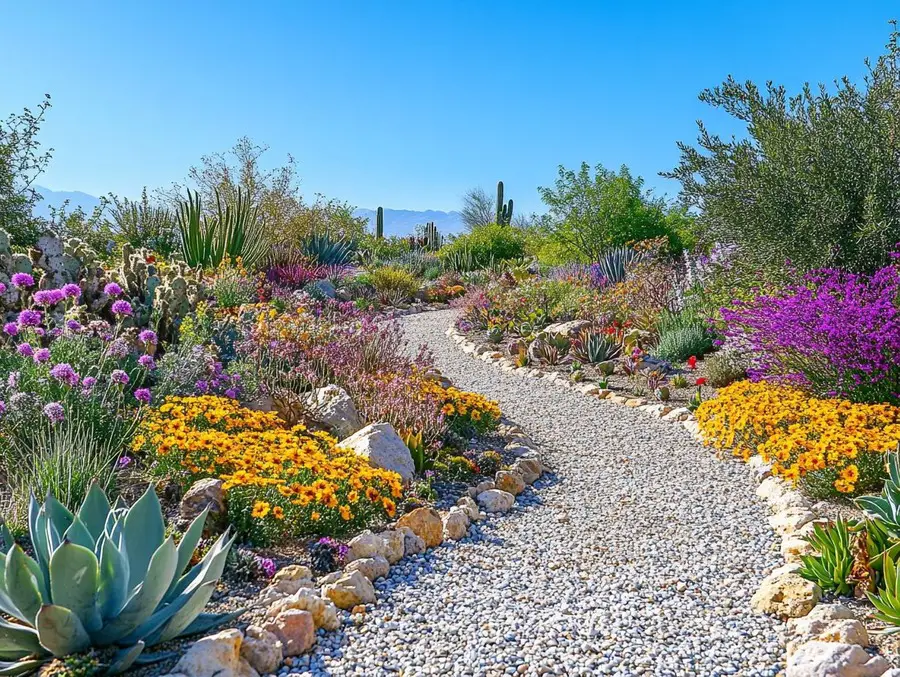
Maintaining seasonal color in your xeriscaping means you’ll need to keep up with regular landscape maintenance practices like pruning, watering, and fertilizing.
This helps your plants stay healthy and vibrant all through their growth cycles.
By getting to know how the seasons affect your plant choices, you can make sure your garden stays continuously blooming and visually appealing.
Pruning, Watering, and Fertilizing Tips
Effective pruning, watering, and fertilizing are the building blocks of garden maintenance that keep your plants healthy and your garden bursting with seasonal color.
By using the right techniques, you can boost plant growth and resilience, helping your garden thrive through all the changing seasons.
In terms of pruning, think of it as a little TLC for your plants.
Removing dead or overgrown branches helps with air circulation and light penetration, which is crucial for those vibrant blooms you want to see.
Now, watering is where consistency is key. You’ll want to establish a schedule that matches the specific needs of each plant.
Watch the weather and check the soil moisture levels to avoid the dreaded over or under-watering.
As for fertilizers, using organic options based on a soil test can really up your game.
This approach enhances nutrient uptake and leads to stronger growth and more stunning flowers.
By sticking to these practices, you’re not just keeping your plants healthy.
You’re also amplifying the visual appeal of your garden as the seasons change, creating a lush outdoor space that you can be proud of.
Incorporating Seasonal Color in Different Regions
Incorporating seasonal color in your garden means you need to get familiar with the local climate and the plants that thrive in those conditions.
By adapting your gardening techniques to fit the environmental factors in your area, you can create stunning outdoor spaces that celebrate the beauty of seasonal color all year round.
Adapting for Different Climates and Environments
Adapting your gardening practices to fit different climates and environments is key to promoting environmental sustainability and ensuring your garden thrives with plant diversity.
When you choose plants that are well-suited to your local climate, you’re setting yourself up to create a resilient garden that can handle seasonal changes and environmental challenges.
Incorporating native species is a smart move, as it boosts biodiversity and supports local ecosystems, attracting those helpful insects and pollinators.
Using techniques like mulching, crop rotation, and companion planting can really amp up your soil health while cutting down on the need for chemical fertilizers.
It’s also super important to keep an eye on weather patterns and soil conditions regularly.
This knowledge lets you make timely adjustments to your watering schedules and nutrient management.
By fostering a variety of plant life, you’re creating a balanced environment that can fend off pests and diseases, ensuring your garden stays sustainable and productive over time.
Seasonal Color in Xeriscaping FAQs
What is seasonal color in xeriscaping?
Seasonal color in xeriscaping refers to the use of plants and flowers that change with the seasons, adding pops of color and interest to a xeriscape garden.
Why is seasonal color important in xeriscaping?
Seasonal color is important in xeriscaping because it adds visual interest and variety to an otherwise drought-tolerant and low-maintenance garden.
It also attracts pollinators and beneficial insects.
What are some examples of plants that provide seasonal color in xeriscaping?
Some popular options for seasonal color in xeriscaping include wildflowers, succulents, ornamental grasses, and shrubs such as lavender and butterfly bush.
How do I incorporate seasonal color into my xeriscape garden?
You can incorporate seasonal color into your xeriscape garden by choosing plants that bloom at different times throughout the year, and by mixing in annuals or bulbs that can be planted each season.
What are the benefits of using seasonal color in xeriscaping?
Aside from adding visual interest, seasonal color in xeriscaping can also help to control erosion, attract beneficial insects, and provide food and shelter for local wildlife.
Do I have to sacrifice water conservation for seasonal color in xeriscaping?
No, you can still achieve both by choosing drought-tolerant plants and using efficient irrigation methods.
Xeriscaping principles can also be applied to seasonal color gardens to minimize water usage.
Xeriscape Garden Design & Layout: Easy Water-Wise Beauty
What is xeriscaping? A beginner’s guide to drought-tolerant landscaping