

Discover effective Soil Health Improvement tips to enhance crop productivity with our informative blog on soil health improvement. From sustainable farming practices to natural fertilizers, we cover all aspects of maintaining healthy soil. Start reading now!
Soil health might not always be the first thing on your mind, but it’s super important for environmental sustainability and agriculture.
It’s all about finding the right balance of nutrients, pH levels, and the overall ecosystem that helps plants thrive. You really need to understand what affects soil health, like the use of pesticides and fertilizers, so you can spot any signs of poor soil conditions before they become a big issue.
This article dives into some effective ways to boost soil health, the benefits it brings to plant growth and the environment, plus practical tips for keeping your soil healthy for the long haul.
You’ll discover just how much healthy soil can transform your gardening and farming practices!
Understanding Soil Health

Understanding soil health is super important for you as a farmer, gardener, or land manager because it directly affects the sustainability of your agricultural practices and the ecosystem.
When your soil is healthy, it promotes nutrient cycling and supports microbial activity, which boosts soil fertility and quality. This, in turn, leads to better crop yields and a healthier environment.
Using practices like crop rotation, cover crops, and soil amendments can not only improve the structure of your soil but also encourage biodiversity.
Plus, these methods contribute to carbon sequestration and help retain water, making it essential for you to prioritize soil health in your land management strategies.
What is Soil Health?
Soil health is all about how well your soil can function as a living ecosystem that supports plant growth, keeps water quality in check, and contributes to environmental sustainability.
To really grasp soil health, you need to consider several interconnected factors, like soil fertility, composition, and structure. Fertility is key since it determines how many essential nutrients your crops can access for optimal growth.
The physical structure of your soil plays a big role too; it affects how well it holds moisture, allows roots to dig in, and influences how air and water move around.
Nutrient cycling is another vital piece of the puzzle. It’s all about transforming organic matter into nutrients that replenish the soil’s nutrient bank.
When you bring all these elements together, you not only improve soil quality but also significantly boost agricultural productivity, helping your ecosystem stay resilient against challenges like climate change.
Factors Affecting Soil Health
Several factors impact soil health, and each one plays a key role in how well the soil can support plant life and maintain ecological balance.
Understanding these factors—like nutrient management, pH balance, and erosion control—is super important if you want to implement sustainable practices that boost soil quality.
For instance, soil compaction can really mess with water retention and microbial activity. On the flip side, promoting biodiversity conservation can enhance soil resilience and overall health.
That’s why it’s so crucial to regularly assess and address these factors.
Nutrient Levels and pH Balance
Nutrient levels and pH balance are crucial for soil health, and they directly impact how fertile your soil is and how well plants can absorb the nutrients they need.
To really get a handle on these nutrient levels, you should consider soil testing. It’s a game-changer for any successful farming operation since it gives you a clear picture of your soil’s nutrient profile. This assessment helps you spot common deficiencies like nitrogen, phosphorus, and potassium, which can seriously hold back plant growth if they’re not managed properly.
Soil pH is also key in determining how available those nutrients are. If the pH is too low or too high, it can lock away essential minerals, making them off-limits for your crops. That’s why keeping a balanced pH is so important—it ensures you have the right soil chemistry to promote sustainable crop production, leading to healthier plants and better yields.
Impact of Pesticides and Fertilizers
The impact of pesticides and fertilizers on soil health is super important, as these substances can either help or harm the biological properties of your soil.
When you apply chemical fertilizers, you might see some quick boosts in crop yields, but they often mess with the delicate balance of microorganisms living in the soil. This can lead to nutrient runoff, which not only depletes the soil’s biology but also complicates long-term nutrient management that’s essential for sustainable agriculture.
Plus, using pesticides can really hurt the beneficial soil organisms, disrupting the ecological interactions that keep your soil healthy.
As a result, your soil can become less resilient and more prone to erosion and degradation. To tackle these issues, you might want to consider alternatives like organic farming methods and natural fertilizers.
They can help promote healthier soil ecosystems while keeping your crops productive over time.
Signs of Poor Soil Health
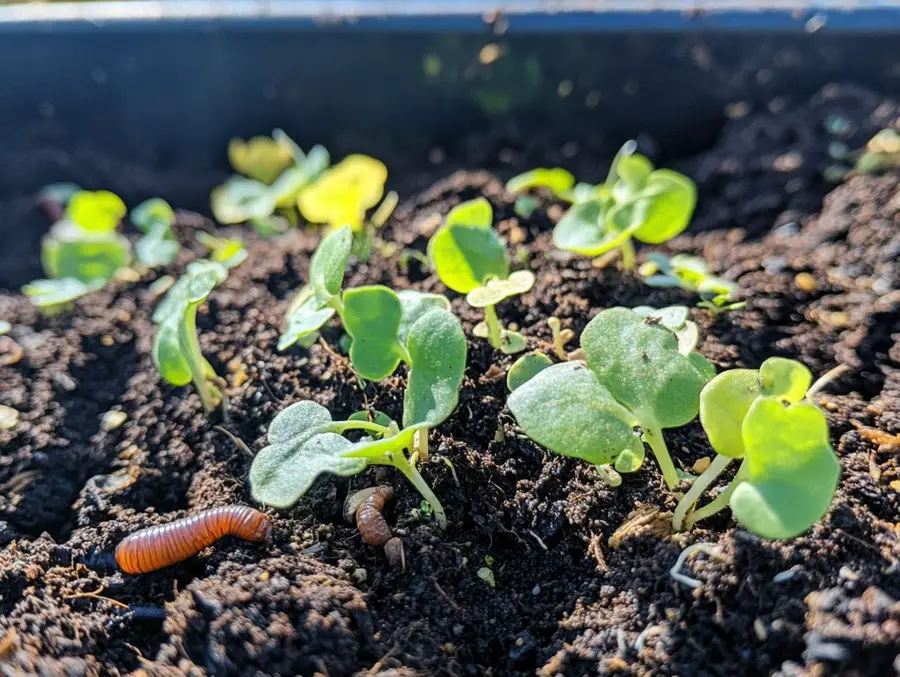
Identifying signs of poor soil health is crucial if you want to take the right steps to bring that soil back to life. There are several indicators that can highlight underlying issues.
You might notice things like soil erosion, degradation, nutrient deficiency, or even excessive soil compaction—each of these can really put a damper on plant growth and crop yields.
By recognizing these problems early, you can jump in with timely solutions, like implementing erosion control measures or using the right soil amendments to improve health over time.
Identifying Common Soil Issues
Identifying common soil issues is your first step toward effective soil management and restoration. After all, various problems can pop up from both natural and human-induced factors.
Take soil compaction, for example. It often happens when heavy machinery and foot traffic pack down the soil, restricting root growth and water infiltration. Then there are nutrient deficiencies, which can sneak in if you keep cropping without properly replenishing organic matter—resulting in those disappointing crop yields.
Erosion is another culprit, often worsened by deforestation and improper land use. It washes away valuable topsoil, reducing fertility and increasing sediment in waterways. Each of these issues doesn’t just impact plant health; they can throw entire ecosystems out of whack.
To tackle these challenges, you can implement strategies like:
- Crop rotation to boost soil nutrient balance,
- Cover cropping to shield against erosion,
- Aeration techniques to ease compaction.
By recognizing these soil concerns and applying the right management practices, you can cultivate healthier soils and promote sustainable agricultural practices for the future.
Improving Soil Health
Improving soil health takes a multi-faceted approach, and you really want to focus on sustainable agricultural practices.
Think about incorporating methods like:
- Composting
- Crop rotation
- Using cover crops
These strategies can make a big difference in keeping your soil healthy and productive.
Methods and Techniques
There are several effective methods and techniques you can use to improve soil health, like composting, crop rotation, and strategically using cover crops.
By applying these approaches, you can really enhance the fertility and quality of your soil. Composting is a win-win; it recycles organic waste while enriching your soil with essential nutrients, leading to healthier crops and better yields.
Crop rotation is another smart move that helps break pest and disease cycles, ensuring sustainable production and maintaining soil structure and fertility.
And don’t forget about cover crops—they act as a protective barrier, preventing erosion and boosting organic matter during the off-seasons. Each of these methods is crucial for promoting sustainable land use and effective soil conservation, ultimately benefiting the ecosystem and supporting food security.
Benefits of Healthy Soil
The benefits of healthy soil are pretty amazing. It has a huge impact on plant growth, helps with water retention, and boosts overall ecosystem resilience.
By focusing on soil health, you’re not just helping your garden or farm; you’re also contributing to a healthier environment. It’s a win-win for both agriculture and nature!
Impact on Plant Growth and Environment

Healthy soil has a huge impact on your plants and the environment. It provides essential nutrients, helps water soak in better, and encourages those helpful little soil organisms to thrive.
In fact, having a variety of microorganisms in healthy soil is critical for nutrient cycling. This ensures that your plants can soak up the minerals and organic compounds they need to really flourish. But it doesn’t stop there—healthy soil also supports broader ecosystem services, like carbon sequestration, which plays a part in fighting climate change.
Well-structured soil keeps water where it belongs, reduces runoff, and promotes sustainable water usage.
So, when you take care of the soil, it’s not just your crops that benefit; the whole environment gets a boost too. This creates a strong and resilient ecosystem that supports both plants and wildlife.
Maintaining Soil Health
Maintaining soil health means you need to commit to long-term management practices. It’s all about prioritizing sustainability and taking proactive steps to prevent soil degradation.
Tips for Long-Term Soil Health Management
Implementing effective tips for long-term soil health management can really boost your soil quality and promote sustainable farming practices.
By adding soil amendments like compost and organic fertilizers, you’re ensuring that essential nutrients make their way back into the earth, which helps your plants grow strong and healthy.
Promoting crop diversity is another smart move; it not only reduces the pressure from pests and diseases but also improves soil structure. Those varied root systems contribute to a more resilient ecosystem.
Taking proactive steps to prevent erosion—like planting cover crops and using contour farming techniques—can help protect your precious topsoil and support the overall health of your agricultural land.
When you put all these strategies together, you create a holistic approach that not only safeguards your soil from degradation but also benefits both you and future generations of farmers.
Frequently Asked Questions
What is soil health improvement?
Soil health improvement refers to the process of using various techniques and methods to improve the overall quality and fertility of soil, making it better suited for plant growth and productivity.
Why is soil health improvement important?
Soil health improvement is crucial for sustainable agriculture and food production. It helps to maintain the soil’s ability to support plant growth, prevent erosion, and maintain essential nutrients for plants.
What are some common methods used for soil health improvement?
Some common techniques for improving soil health include crop rotation, cover cropping, reduced tillage, use of organic fertilizers, and proper waste management.
How does soil health improvement benefit the environment?
Improving soil health can help reduce soil erosion, improve water retention, and increase biodiversity. This, in turn, benefits the environment by promoting healthier ecosystems and reducing the impact of climate change.
Can soil health improvement lead to higher crop yields?
Yes, by improving soil health, farmers can increase crop yields and improve the quality of their harvest. Healthy soil can provide plants with the necessary nutrients and moisture needed for optimal growth.
Is soil health improvement a one-time process?
No, soil health improvement is an ongoing process that requires regular maintenance and monitoring. Factors such as weather, crop selection, and farming practices can impact soil health, so it is important to continually work towards improving it.
Benefits of Xeriscaping: Save Water, Time, and Money
What is xeriscaping? A beginner’s guide to drought-tolerant landscaping