

In today’s fast-paced world, you might find that stress has become an unwelcome companion in your life, affecting both your mental and physical health.
This chat is all about exploring the profound effects of stress and how diving into nature can be a powerful antidote. You’ll get to see some scientific studies that highlight the benefits of being outdoors, along with practical ways to weave nature into your daily routine. Plus, we’ll suggest some nature-based activities that can help you unwind and relax.
And let’s not forget about how combining nature with mindfulness can really boost your stress relief efforts. So, come along on this journey to reclaim your well-being through the healing power of nature.
The Impact of Stress on Mental and Physical Health

Understanding how stress impacts both your mental and physical health is key to your overall well-being. Stress can lead to all sorts of health issues, ranging from anxiety and depression to physical problems like heart disease and obesity.
When you experience stress, your body goes into a response mode that triggers a bunch of hormonal changes, which can mess with your mental clarity and emotional balance. That’s why having effective stress management strategies is so important in our fast-paced world.
Techniques like mindfulness and relaxation can make a big difference. By recognizing the connection between stress and health, you can prioritize your self-care and work towards a more balanced, peaceful lifestyle.
Understanding the Effects of Stress
Understanding how stress affects you is crucial for recognizing its impact on your life and well-being. Stress can trigger a whole range of psychological and physiological responses that mess with your emotional balance and overall health.
By identifying symptoms of stress—like feeling fatigued, irritable, or anxious—you can start developing effective strategies to manage it, promoting relaxation and mental clarity.
Stress doesn’t just mess with your mind; it can really take a toll on your body too, causing issues like headaches, digestive problems, and a weakened immune system.
In your daily life, stress might show up as a feeling of being overwhelmed or a constant sense of urgency, which can lead to poor sleep and unhealthy coping mechanisms like overeating or turning to substances. Recognizing these patterns is the first step toward tackling them.
Incorporating mindfulness practices, like meditation or deep-breathing exercises, can work wonders. Plus, maintaining a supportive social circle and reaching out for professional help when you need it can seriously boost your overall well-being and help you lower those stress levels.
The Benefits of Nature on Stress Reduction
The benefits of nature on stress reduction are pretty impressive and well-documented, so it’s definitely something you should consider for your mental health strategy.
Spending time in the great outdoors can really help lower your stress levels, improve your emotional balance, and promote overall well-being.
Nature therapy, also known as eco-therapy or green therapy, offers a peaceful escape from daily stressors, giving you a chance to reconnect with yourself while soaking in the calming effects of green spaces.
Research shows that being in nature not only eases anxiety but also helps with cognitive restoration and boosts your emotional wellness.
Scientific Evidence and Studies
Numerous scientific studies have uncovered the psychological perks of spending time in nature, showing just how effective it can be for easing anxiety and reducing stress. Research indicates that outdoor activities, like hiking or leisurely nature walks, can lead to noticeable boosts in your mental health, including a drop in symptoms of anxiety and depression.
One interesting study found that people who spent time in natural environments reported feeling more tranquil and less stressed than those stuck in urban areas.
Digging deeper into this topic, it turns out that just being outdoors, surrounded by greenery, can help you feel more connected to nature, which is super important for your overall well-being.
For example, research published in the Journal of Environmental Psychology pointed out that when you regularly engage in outdoor activities, you not only get an instant mood lift but also enjoy long-term psychological benefits, like increased resilience and better coping skills.
So, as you immerse yourself in those serene natural settings, you’re not just alleviating anxiety; you’re also nurturing a restorative mindset that can positively impact your emotional health over time.
Ways to Incorporate Nature into Daily Life
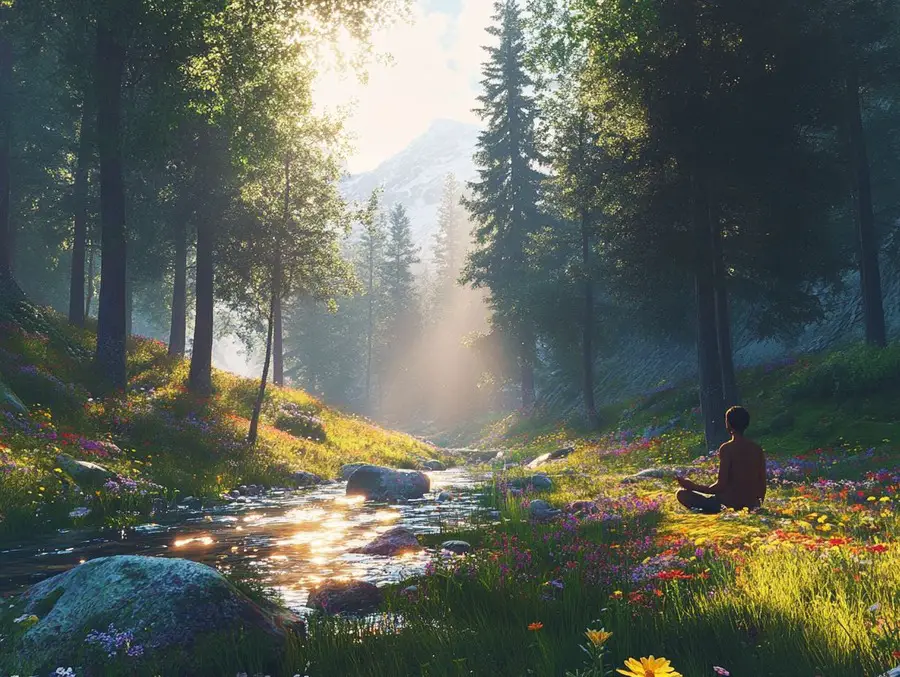
Incorporating nature into your daily life can be a game-changer for managing stress and boosting your overall well-being.
Think about it: simple activities like taking nature walks, visiting local parks, or practicing mindfulness outdoors can seriously help reduce your stress levels.
By weaving more green spaces into your routine, you’re not just enhancing your connection to nature; you’re also improving your physical health and emotional balance.
These nature-based activities give you a refreshing break from the chaos of everyday life, promoting relaxation and helping you feel rejuvenated.
Simple and Accessible Methods
You can easily bring more nature into your life with some simple and accessible methods that can really help reduce your stress levels.
Think about incorporating outdoor activities like nature walks, gardening, or even picnicking in the park into your weekly routine. Even small changes—like taking your lunch outside or finding a peaceful spot in a garden for some mindfulness meditation—can create a sense of tranquility and help you connect with the natural world.
By adding these practices to your life, you not only boost your well-being but also develop a deeper appreciation for your surroundings.
Activities like birdwatching or snapping some nature photos can spark your creativity while encouraging mindfulness in your day-to-day life. Set aside some time each week for a stroll through a nearby forest or botanical garden; it’s a great way to immerse yourself in vibrant ecosystems and observe wildlife and seasonal changes.
These moments in nature can be incredibly refreshing for your mind, help lower anxiety levels, and give you a more grounded perspective. All of this can lead to a more fulfilling and balanced life.
Nature-Based Activities for Stress Relief
Nature-based activities are fantastic tools for relieving stress, giving you a unique mix of physical engagement and emotional rejuvenation.
When you dive into outdoor therapy—like forest bathing, hiking, or wildlife watching—you can truly immerse yourself in the beauty of nature, promoting relaxation and mental clarity.
These activities don’t just help reduce stress; they also boost your psychological resilience, making them some great additions to your wellness routine.
Examples and How-To Guides
Here are some examples and how-to guides for you to incorporate nature-based interventions into your life for stress coping strategies.
First up, try outdoor mindfulness exercises. These can be as simple as doing some breathing exercises while soaking in the sounds of nature or participating in guided meditation sessions at local parks or gardens. You might also enjoy activities like hiking or joining community gardens, which can really boost your sense of belonging and connection to the environment, ultimately enhancing your well-being.
To kick off your outdoor mindfulness journey, find a quiet spot in a local park. Close your eyes, take a deep breath, and tune into the rustling leaves or chirping birds around you.
Next, think about organizing a weekend hike. Pick a nature trail that matches your fitness level, pack some light snacks, and invite friends or family to join you. It’s a great way to promote physical health while also creating space for some meaningful conversations.
If you’re looking for something a bit different, consider getting involved in community gardening. Find a nearby garden where you can volunteer your time, and watch how nurturing plants can transform your relationship with nature. It’s not just about the plants; it’s also about personal growth and reinforcing your stress-coping skills through the simple joy of cultivating something.
Combining Nature and Mindfulness for Stress Reduction

Combining nature and mindfulness is a fantastic strategy for reducing stress and can really boost your relaxation techniques.
When you practice mindfulness outdoors, you build a deeper connection to nature that helps you find emotional balance and mental clarity.
Think about it: outdoor meditation, whether you’re sitting under a tree or strolling along a trail, lets you dive into the sensory experiences of the natural world.
This immersion can significantly lower your stress levels and promote your overall well-being.
Incorporating Mindful Practices into Nature Activities
Incorporating mindful practices into your nature activities can really boost the benefits of both, creating a powerful relaxation response. For example, when you’re out on a nature walk, take a moment to fully engage with your surroundings. Observe the plants and animals, listen to the sounds of nature, and try practicing some deep breathing exercises. These eco-therapy techniques help you be more present, allowing you to appreciate the beauty around you while also reducing stress levels.
You can enhance your experience even further by practicing gratitude. Acknowledge and mentally note the things in nature that you’re thankful for, whether it’s the vibrant colors of flowers or the soothing sounds of a flowing stream. This simple yet powerful practice can shift your mindset, promoting a positive outlook and boosting your emotional well-being.
Adding in movements like yoga or tai chi while surrounded by nature can deepen your relaxation and promote a sense of physical harmony. It’s a great way to feel more connected to the earth. By weaving these mindful practices into your outdoor adventures, you can cultivate a more fulfilling relationship with the environment and tap into the therapeutic benefits that nature has to offer.
Frequently Asked Questions
What is stress reduction through nature?
Stress reduction through nature is the practice of using natural settings and activities to promote relaxation and reduce stress levels. This can include activities such as hiking, gardening, or simply spending time in a peaceful natural environment.
How does nature help to reduce stress?
Nature has been shown to have a calming effect on the mind and body. Being in natural surroundings can help decrease cortisol (a stress hormone) levels and increase endorphins (feel-good hormones) in the body. This can lead to feelings of relaxation and reduce stress levels.
What are the benefits of stress reduction through nature?
Some of the benefits of stress reduction through nature include improved mental health, increased physical activity, and a boost in overall well-being. Spending time in nature has also been linked to decreased symptoms of depression and anxiety.
What are some examples of stress-reducing activities in nature?
There are many different activities that can help reduce stress in nature. Some popular options include hiking, camping, gardening, birdwatching, and fishing. Any activity that allows you to disconnect from technology and spend time in a peaceful natural setting can be beneficial for stress reduction.
Are there any risks associated with stress reduction through nature?
For most people, spending time in nature is a safe and enjoyable way to reduce stress. However, it’s important to be aware of potential hazards such as extreme weather, wildlife, and uneven terrain. It’s also important to take necessary precautions, such as wearing sunscreen and staying hydrated, when participating in outdoor activities.
How can I incorporate stress reduction through nature into my daily routine?
There are many ways to incorporate nature-based activities into your daily routine. You can take a walk in a nearby park during your lunch break, practice yoga in your backyard, or even just spend a few minutes sitting outside and observing your surroundings. The key is to find what works for you and make it a regular part of your routine.
Benefits of Xeriscaping: Save Water, Time, and Money
What is xeriscaping? A beginner’s guide to drought-tolerant landscaping