
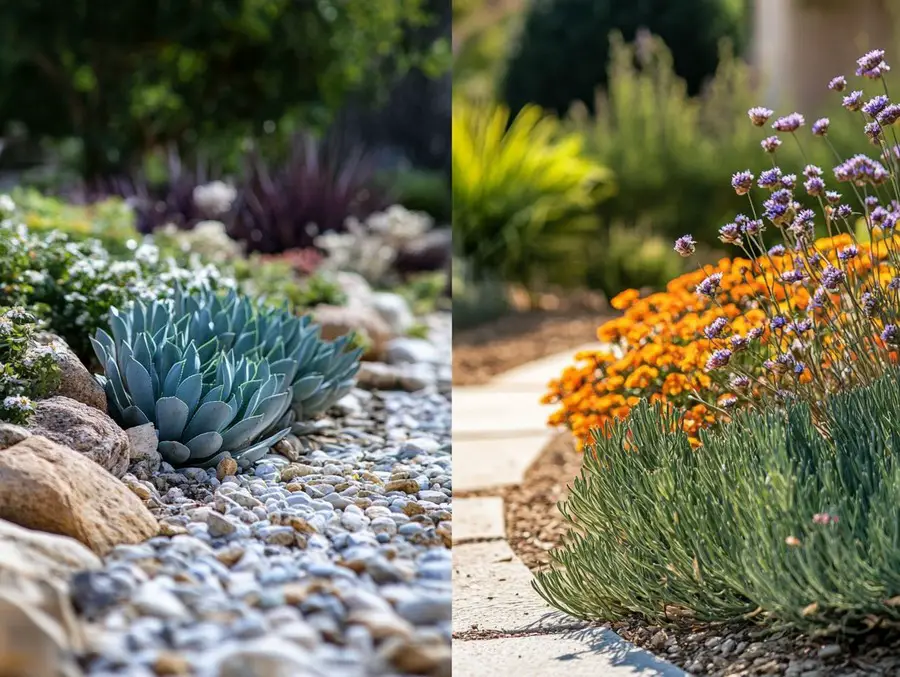
Xeriscaping vs traditional gardening is a common comparison for homeowners trying to choose the right landscape style for their space, budget, and climate.
Traditional gardens often offer more plant variety and lush growth, but they usually need more water, fertilizer, and maintenance. Xeriscaping focuses on lower water use, drought-tolerant plants, and long-term efficiency.
In this guide, you’ll compare both methods side by side so you can decide which approach fits your goals best.
What You’ll Learn
- The main differences between xeriscaping and traditional gardening
- How water use compares between both styles
- Which method costs less over time
- How maintenance levels differ
- Which style fits your climate and goals better
Quick Answer
Xeriscaping uses less water, lower maintenance, and drought-tolerant plants, while traditional gardening offers more flexibility and plant variety but usually needs more water and upkeep.
How Xeriscaping and Traditional Gardening Compare
.jpg_00.jpeg)
The biggest difference between xeriscaping and traditional gardening comes down to water use and maintenance. Xeriscaping is built around efficiency, while traditional gardening often focuses more on appearance and plant diversity.
Xeriscapes usually rely on native plants, mulch, and efficient irrigation to reduce water waste. Traditional gardens often use lawns, annual flowers, and thirstier plants that need more regular care.
Both can create attractive landscapes, but the best choice depends on your climate, budget, and how much time you want to spend maintaining it.
Benefits of Xeriscaping
Xeriscaping brings a whole bunch of benefits that go way beyond just saving water.
It’s a powerful way to promote sustainable gardening practices and boost the ecological health of your landscape.
By incorporating drought-resistant plants and using creative landscaping techniques, you’re not just being water-efficient.
You’re also creating a beautiful environment that saves you money on maintenance and irrigation in the long run.
It’s a great way to support regional biodiversity and help tackle the impacts of climate change.
Water Conservation and Cost Savings
One of the best things about xeriscaping is its focus on water conservation.
Not only does this help the environment, but it can also save you a chunk of change on your water bills.
By opting for drought-resistant plants and setting up efficient irrigation systems, you can create a landscape that thrives on minimal water while keeping those monthly costs down.
This sustainable gardening approach is especially handy if you live in areas that are prone to drought, as it helps save those precious water resources.
You can boost the efficiency of your garden even more by incorporating practices like mulching and grouping plants that have similar water needs.
You might find that using drip irrigation systems is a game-changer, directing water straight to the roots and minimizing waste, which ultimately keeps your utility bills in check.
The wide variety of drought-resistant plants not only makes your garden look good but also supports local biodiversity.
By choosing to xeriscape, you’re doing your part for environmental sustainability while enjoying a beautiful, easy-to-maintain garden, even during those dry spells.
Benefits of Traditional Gardening
You know, traditional gardening has always been loved for its beautiful aesthetics and the wide variety of plants that can thrive in different climate zones.
This method lets you dive into exploring different types of flora, get involved in seasonal planting, and create unique garden beds that really showcase your personal style while helping out the local ecosystem.
By using organic gardening techniques and mixing in diverse plant selections, traditional gardening not only enhances the health of your landscape but also adds to its overall beauty.
Flexibility and Aesthetics
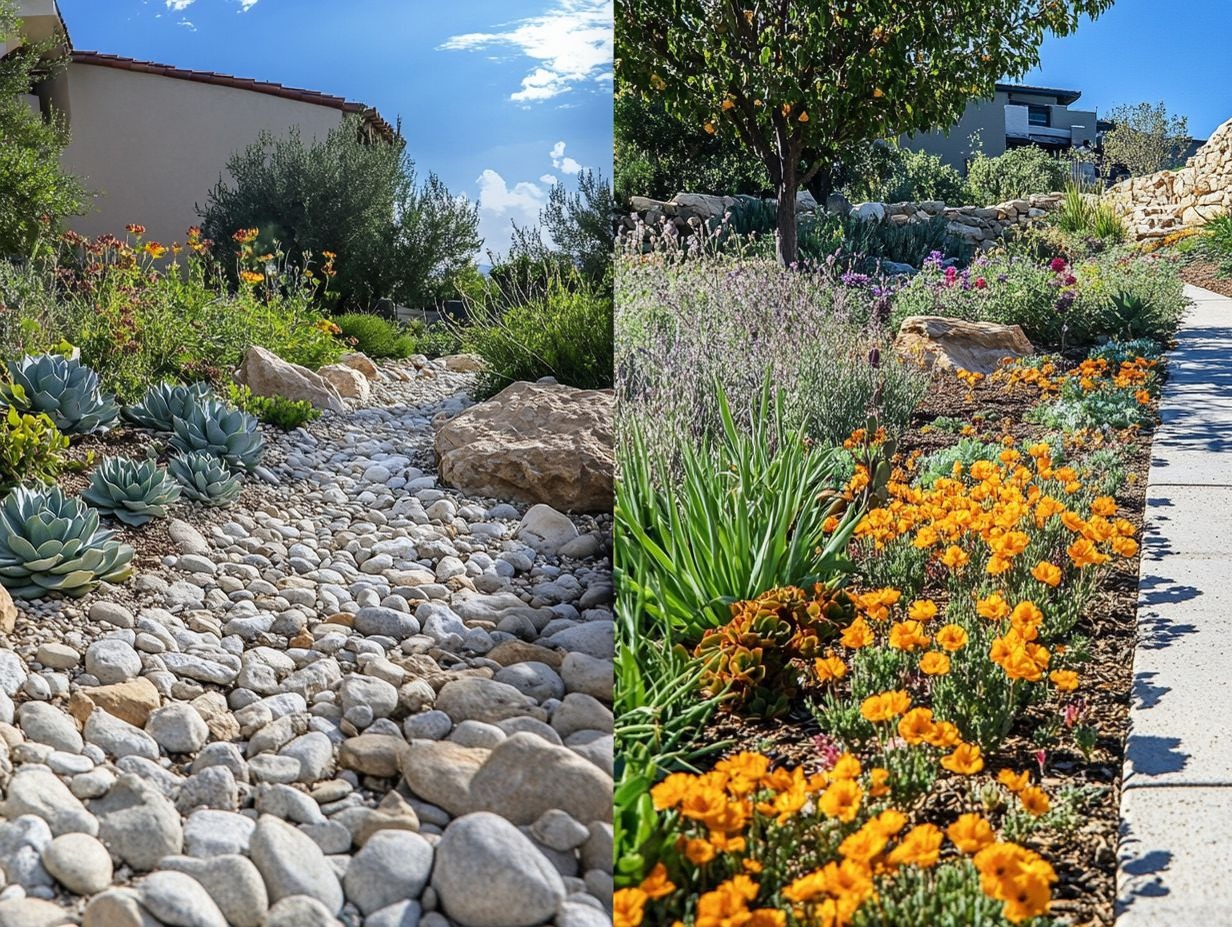
One of the best things about traditional gardening is its built-in flexibility, which lets you customize your garden design to reflect your personal style and fit the unique characteristics of your space.
With so many plant options available, you can create stunning ornamental gardens that not only boost your property’s visual appeal but also promote local biodiversity and support wildlife habitats.
This adaptability makes traditional gardening a classic choice for anyone who loves landscaping.
You have endless choices when it comes to flora, from eye-catching flowering plants to lush greenery, enabling you to experiment with all sorts of themes and styles.
Whether you’re going for a peaceful Zen garden or a colorful cottage garden bursting with life, the possibilities are limitless.
By mixing in diverse species, you create a lively ecosystem that attracts beneficial insects and birds, enriching the overall vibe of your garden.
Whether you’re layering plants for depth or selecting specific colors to set a certain mood, your creativity really has no limits in this exciting journey of ornamental gardening.
Choosing between Xeriscaping and Traditional Gardening
When you’re trying to choose between xeriscaping and traditional gardening, you’ve got a few things to think about, like your local climate, the types of soil you have, and what you personally prefer when it comes to looks and how much maintenance you’re willing to do.
Getting to know your specific ecosystem and its unique challenges can really help steer you toward the best gardening approach for your needs.
Thinking about the long-term effects of each method on your landscape can help you make a well-informed decision that fits with your values and lifestyle.
Climate and Personal Preferences
Your local climate plays a big role in deciding whether xeriscaping or traditional gardening is the way to go.
Different climate zones will affect which plants thrive and how successful your garden will be.
Your personal preferences, like how you want your garden to look and how much time you’re willing to put into maintenance, are key factors in your decision-making process.
By taking all this into account, you can create a garden that not only flourishes but also reduces your environmental impact.
Getting a grip on the specific characteristics of your climate zone, like temperature swings and rainfall patterns, will really help you choose plants that fit your environment.
For example, if you live in an arid region, going for xeriscaping can save water and make your landscape pop with interesting rocks and drought-resistant plants.
On the flip side, if you’re in a temperate zone, a traditional approach might be the way to go, allowing you to play with a variety of plants that bring vibrant colors throughout the seasons.
Ultimately, finding the right balance between your taste and being eco-friendly will steer you toward effective gardening methods, leading to a thriving, sustainable garden ecosystem.
How to Xeriscape
Creating a xeriscape garden is all about being thoughtful with your design.
You’ll want to incorporate elements that promote water conservation and sustainability while showing off a variety of drought-resistant plants.
Start by taking a good look at your landscape and figuring out the best layout based on your unique soil types and microclimates.
When you choose the right xeriscape plants and set up effective irrigation systems, you can grow a thriving garden that not only looks stunning but also supports environmental conservation.
Step-by-Step Guide to Creating a Xeriscape Garden
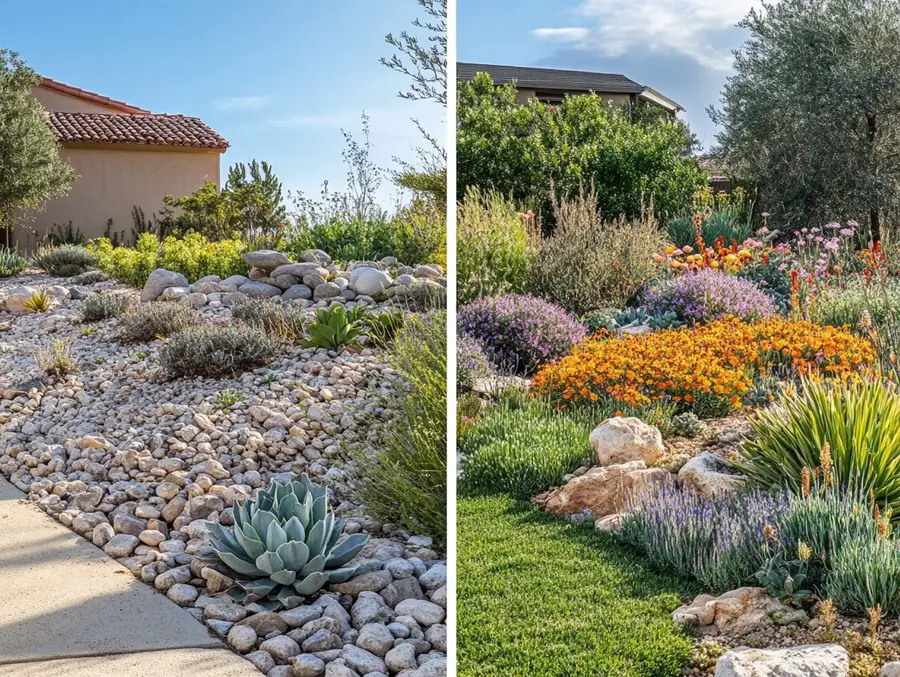
To create a xeriscape garden that thrives, just follow a structured step-by-step approach focusing on plant selection, soil moisture management, and efficient mulching techniques.
Start by assessing your garden’s unique conditions, like sunlight exposure and soil types, so you can figure out which drought-resistant plants will do well in your landscape.
Don’t forget to incorporate mulching techniques to keep that soil moisture in check and reduce maintenance, helping your garden stay vibrant through the seasons.
Once you’ve done your assessment, it’s time to select the right plants for those dry conditions.
Think succulents, native grasses, and perennial flowers. Mixing in a variety of heights and textures will add some visual flair to your garden.
Next up, get your soil ready. You might need to improve drainage and aeration.
This could mean tilling or adding organic matter to enhance its structure.
Finally, implement a smart mulching plan by laying down an organic layer around the base of your plants.
This will not only help with moisture retention but will also keep those pesky weeds at bay, letting your xeriscape garden flourish with minimal water use.
How to Maintain a Xeriscape Garden
Maintaining a xeriscape garden is a whole different ballgame compared to traditional gardening.
You’ll want to focus on water-efficient practices and sustainable techniques to set yourself up for long-term success.
Regular garden maintenance means keeping an eye on plant health, optimizing your irrigation system, and having a solid plan for weeding.
Don’t forget about mulch, either. It’s your best friend! It helps retain soil moisture, reduces erosion, and keeps your plants thriving.
Tips for Keeping a Xeriscape Garden Thriving
To keep your xeriscape garden thriving, you’ll want to mix in some smart garden maintenance strategies and water-saving techniques that prioritize plant health and soil sustainability.
Regularly check your irrigation systems to make sure they’re working efficiently, and tweak them as needed to cater to the specific needs of your drought-resistant plants.
Focusing on soil health by using the right amendments and mulching can really boost the vitality and resilience of your garden.
Think about incorporating a diverse range of native plants that are already well-suited to your local climate.
This can cut down on the extra watering you’ll need to do.
Periodically performing soil tests will help you get a handle on nutrient levels and pH balance, allowing you to use soil amendments that support optimal growth.
In terms of mulching, go for organic materials. Not only will they help keep moisture in, but they’ll also gradually improve your soil structure as they break down.
And don’t forget to pay attention to seasonal changes. Being flexible with your maintenance routine will help you tackle any unexpected challenges your xeriscape garden throws your way.
Xeriscaping vs Traditional Gardening FAQs
Is xeriscaping cheaper than traditional gardening?
Xeriscaping can cost more upfront, but it often saves money long term through lower water bills and less maintenance.
Does traditional gardening use more water?
Usually yes. Lawns and many ornamental plants often need much more regular watering than xeriscapes.
Can xeriscaping still look colorful?
Yes. With the right plant selection, xeriscapes can be colorful, textured, and visually rich throughout the year.
Is xeriscaping better for drought areas?
Yes. Xeriscaping is often one of the best choices in dry climates because it reduces water demand.
Can I combine both styles?
Absolutely. Many homeowners blend xeriscaping principles into traditional gardens to improve water efficiency without changing everything.
Final Thoughts
Choosing between xeriscaping and traditional gardening comes down to your climate, your budget, and how much time you want to spend maintaining your landscape.
Traditional gardening can offer more flexibility and a wider range of plant choices, but xeriscaping often wins when water conservation, lower maintenance, and long-term sustainability matter most.
For many gardeners, the best solution is often a mix of both—using xeriscaping principles where they make the most sense while still keeping the style and plants you enjoy most.