
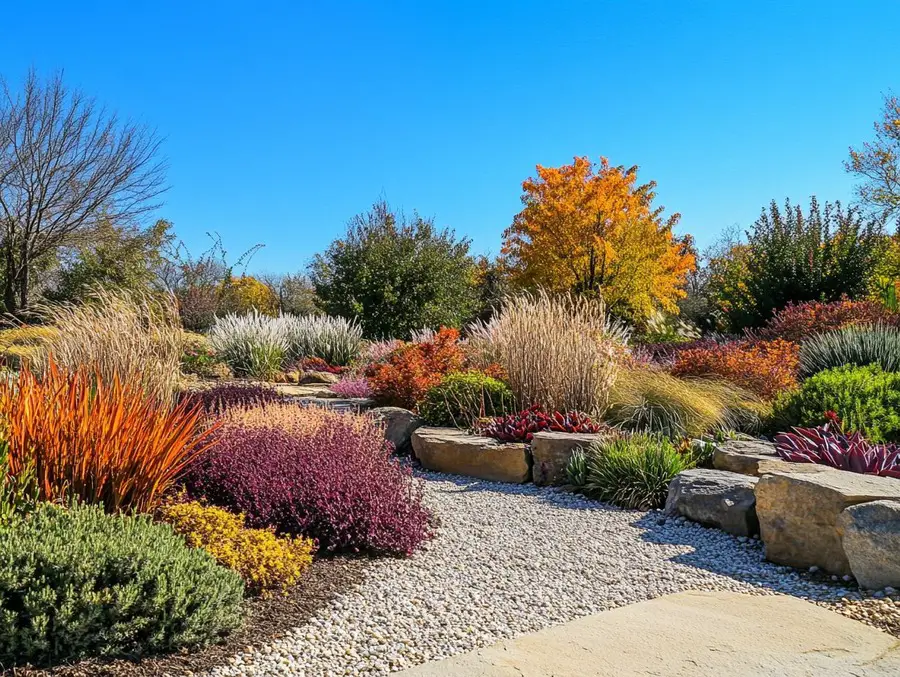
Budget-Friendly Xeriscaping for Beginners makes water-wise landscaping easy and affordable! Get simple tips to create a stunning, low-cost, drought-friendly yard.
Xeriscaping isn’t just a passing trend; it’s a smart, sustainable way to transform your outdoor space while conserving water and cutting down on maintenance costs.
You’ll want to explore all the benefits of xeriscaping, from its environmental perks to the financial savings that come with it. Get ready to learn about planning your project, picking the right drought-tolerant plants, and designing a beautiful, functional garden that fits your needs.
There are also plenty of tips out there for implementing xeriscaping on a budget, making it easy to maintain your lush landscape without breaking the bank. Discover how you can create a thriving xeriscaped garden that showcases your unique style and commitment to sustainability!
What is Budget-Friendly Xeriscaping?
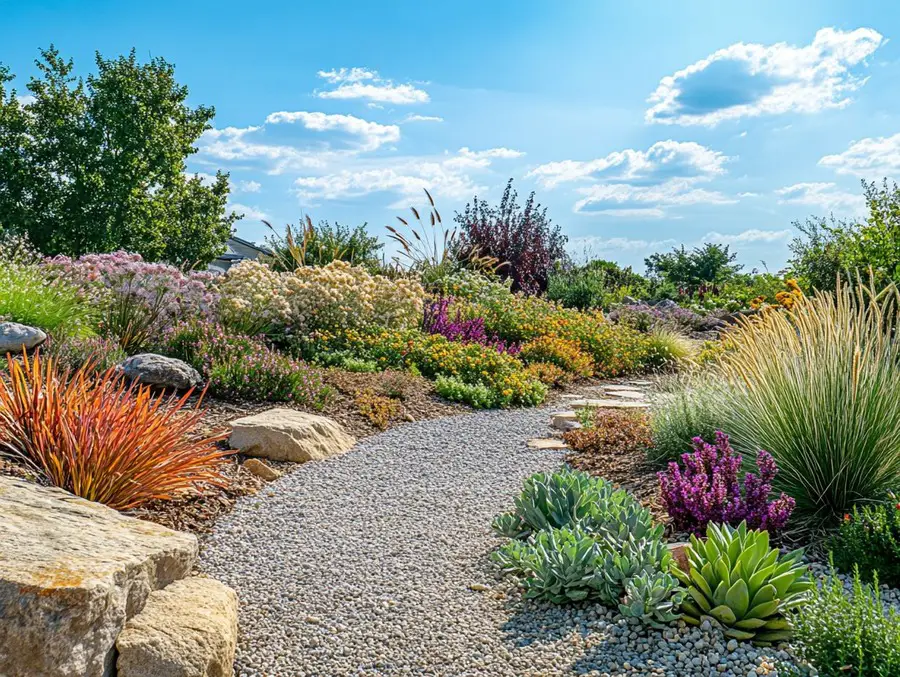
Xeriscaping is your ticket to creating stunning outdoor spaces while saving water and promoting drought-resistant plants. This eco-friendly gardening approach focuses on using the right landscaping techniques for different soil types and adapting to your climate, making it a fantastic choice if you’re just starting out and want to amp up your garden design without leaving a big environmental footprint.
By diving into xeriscaping principles, you can cultivate a vibrant landscape that thrives even when water is in short supply, paving the way for a sustainable future for your outdoor space.
At its core, xeriscaping is all about picking native plants that don’t need a lot of water, which not only promotes biodiversity but also boosts soil health. When you choose plants that are adapted to your local conditions, you can dramatically cut down on water usage while building a strong, resilient landscape.
Throw in some mulching, proper soil amendments, and efficient irrigation practices, and you’re really maximizing the benefits of this gardening strategy. By embracing these principles, you’ll not only create a visually appealing space but also do your part to protect our precious water resources.
Benefits of Xeriscaping
Xeriscaping brings a ton of benefits that are friendly to both the environment and your wallet, making it a great choice for anyone who loves gardening.
By using water-saving techniques and choosing drought-tolerant plants, you can shrink your ecological footprint and create an outdoor space that needs less fuss to look good.
This kind of landscaping not only boosts energy efficiency but also makes your property look amazing. Plus, you’ll save on water usage and keep those long-term maintenance costs down.
Environmental and Financial Advantages
Embracing xeriscaping means you get to enjoy both environmental and financial perks that can really elevate your outdoor space. This practice encourages you to be a good steward of the environment by using native and xeric plants that naturally adapt to your local climate.
This not only cuts down on the need for chemical fertilizers and pesticides but also helps lower your utility bills. By using water-saving techniques, you can keep your garden vibrant without emptying your wallet.
When you choose xeriscaping, you’re also helping to boost local biodiversity by providing essential habitats for all sorts of wildlife, including those beneficial insects and birds we love to see. Plus, incorporating a mix of plant species promotes a balanced ecosystem while fighting soil erosion with strong root systems that help stabilize the ground.
Of course, it’s important to keep in mind some potential challenges, like budgeting for landscaping materials and figuring out which plants are right for you. But despite these bumps in the road, the long-term economic benefits, along with a flourishing and diverse landscape, make xeriscaping a smart investment for anyone who cares about the environment.
Planning Your Xeriscaping Project
Effective planning is key to pulling off a successful xeriscaping project, making sure your outdoor space is both beautiful and functional.
Start by checking out your space—understanding your garden layout, soil types, and local climate will help you make smart decisions as you plan.
This strategic approach not only maximizes your water conservation efforts but also brings in sustainable landscaping practices that fit your budget and your dream garden design.
Whether you’re just starting out or you’re a seasoned gardener, xeriscaping is a fantastic option for you.
Assessing Your Space and Needs
Before you jump into your xeriscaping project, take a moment to thoroughly assess your space and needs. This little prep work is key to creating the most effective garden layout.
Start by looking at important factors like how accessible your garden is, what types of soil you have, and the unique microclimates that exist in your outdoor area. These elements will play a big role in your plant selection and irrigation systems. The better you understand your environment, the more informed your decisions will be, which will help enhance your garden’s sustainability and meet your personal gardening goals.
Think about how much sunlight your garden gets throughout the day, along with any shady spots that might affect plant growth. Observing these sunlight and shade patterns can guide you in choosing plant varieties that will thrive in your specific conditions, especially those known for their toughness in your local climate.
Also, don’t forget to check the drainage! Good drainage will prevent water from pooling up, which reduces the risk of root rot and keeps your plants healthy.
And if you want to be eco-friendly, consider incorporating practices like using native plants and organic compost. These choices will not only boost your garden’s resilience but also support the local ecosystem.
Choosing the Right Plants for Xeriscaping

Selecting the right plants is key to nailing your xeriscaping project. It lets you create a beautiful garden that conserves water while still looking fabulous.
Focus on choosing drought-tolerant and native species that thrive in your local climate. These plants usually need less maintenance and irrigation, which is a win-win.
By thinking about things like plant growth, seasonal changes, and diversity, you can put together a vibrant landscape that not only turns heads but also supports the local ecosystem.
Drought-Tolerant and Native Species
Incorporating drought-tolerant and native species into your xeriscape design is key to creating a sustainable and resilient garden. These plants are specifically chosen for their ability to flourish in your local conditions, so they need minimal irrigation and help enhance the ecological balance by attracting beneficial wildlife.
By focusing on plant diversity and selecting xeric plants, you can craft a vibrant landscape that supports local fauna while embodying eco-conscious gardening principles.
For example, think about using plants like Agave or Sedum if you’re in arid climates. They’re super low-maintenance and can handle the heat like champs. If you’re in a region with milder conditions, consider adding some native flowering plants like Coneflowers and Black-eyed Susans. They not only add beauty to your garden but also provide essential nectar for pollinators.
These choices are also great for pest management since their natural resilience means you’re less likely to deal with pest infestations. By thoughtfully selecting and integrating drought-resistant plants, you can create a garden that looks fantastic and thrives in harmony with nature.
Designing Your Xeriscaped Garden
When you’re designing your xeriscaped garden, it’s all about creating a layout that’s both beautiful and functional.
Start by thinking about key design elements, like where to place rock gardens, water features, and garden beds, to make the most of moisture retention and energy efficiency.
Don’t forget to include some outdoor living spaces so you can fully enjoy your garden. It’s important that the overall design not only reflects your personal style but also complements the surrounding environment.
Creating a Functional and Aesthetic Layout
Creating a functional and eye-catching layout for your xeriscaped garden is essential for striking that perfect balance between beauty and practicality.
To make this happen, it’s important to think about the seasonal changes that will affect how your plants perform and grow throughout the year. When you plan the placement of native plants carefully, you’ll help them thrive in their natural habitats, and giving them enough space ensures they get plenty of sunlight and air circulation.
Don’t forget to mix in hardscape features like decorative rocks or permeable pavers. They not only boost the overall design but also support outdoor sustainability by reducing water runoff and encouraging responsible gardening practices.
With a well-thought-out garden design, you’ll create a peaceful outdoor space that you can enjoy all year long, and the best part? It’ll require minimal maintenance!
Implementing Xeriscaping on a Budget
Implementing xeriscaping on a budget is totally doable when you have the right strategies and resources. You can create a beautiful garden without breaking the bank.
Start by researching cost-effective xeriscaping techniques, like using drip irrigation systems and composting to boost your soil’s health—this can really help cut down your overall costs.
Also, think about tapping into local resources and community gardening workshops. They can provide you with valuable knowledge and access to affordable landscaping materials that fit your gardening vision perfectly.
Tips for Cost-Effective Xeriscaping
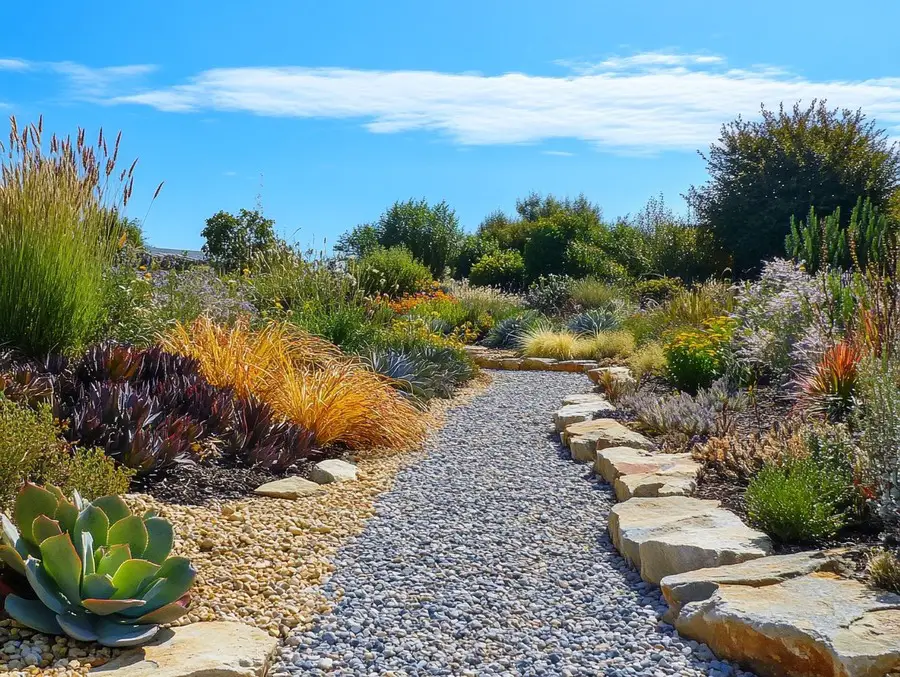
When you’re diving into cost-effective xeriscaping, there are plenty of handy tips and tricks to help you save both money and resources.
One of the smartest moves you can make is focusing on seasonal planting. This way, you can pick plants that thrive at different times of the year, which reduces your need for extensive irrigation. You might also want to try some plant propagation techniques to multiply your existing plants and boost your garden’s diversity without breaking the bank.
By incorporating native drought-resistant species into your design, you can cut down on water usage and attract local wildlife at the same time. Another great strategy is mulching. It not only keeps the soil moisture in check but also keeps those pesky weeds at bay, which means you’ll spend less time and money on maintenance in the long run.
Don’t forget about implementing a rainwater collection system to optimize your water usage. It lets nature do the watering for you, supporting your landscape sustainably.
Finally, make sure to tackle seasonal maintenance tasks like pruning and dividing your plants. This keeps your garden healthy and helps you maintain both energy efficiency and overall appeal.
Maintaining Your Xeriscaped Garden
Keeping your xeriscaped garden looking great is essential for its longevity and beauty, and it only takes a few simple practices tailored to your specific landscape.
Begin by caring for your plants properly, paying attention to seasonal changes and setting up irrigation systems that make the most of water without drowning your plants. Don’t forget to keep an eye on weed control and check the soil health regularly.
These steps will help your garden thrive, so you can enjoy the fruits of your xeriscaping efforts for years to come.
Proper Watering and Care Techniques
Proper watering and care techniques are key to keeping your xeriscaped garden thriving, especially when you’re working with drought-resistant plants that love minimal water.
Using efficient irrigation systems, like drip irrigation, makes sure that water goes straight to the roots and cuts down on evaporation. Don’t overlook soil preparation and moisture retention, as they can seriously boost your plants’ growth and health, helping them flourish in your outdoor space.
To really up your watering game, think about adding rain barrels to capture runoff during storms. This gives you an eco-friendly water source.
When you’re deciding on plant spacing, try grouping plants with similar moisture needs together. This creates little microenvironments that help with moisture retention and reduce competition for water.
In the warmer months, be ready to adjust your irrigation schedules since your plants might need a little extra hydration. Mulching around the base of your plants is a great strategy—it conserves soil moisture and helps regulate temperature, keeping those roots happy and healthy.
And don’t forget to regularly check your soil health! Adding amendments like organic matter can improve moisture retention and overall soil quality, ensuring your xeriscaped garden thrives through every season.
Frequently Asked Questions
What is xeriscaping?
Xeriscaping is a landscaping technique that focuses on using plants and materials that require minimal water. It is designed to conserve water and reduce maintenance costs.
Why should I consider budget-friendly xeriscaping?
Budget-friendly xeriscaping can save you money on your water bill and reduce the need for maintenance, making it a cost-effective and sustainable choice for your landscaping.
What are some key elements of budget-friendly xeriscaping for beginners?
Some key elements to consider when starting budget-friendly xeriscaping include: choosing drought-resistant plants, incorporating mulch and rocks, and planning efficient irrigation systems.
How much does budget-friendly xeriscaping cost?
The cost of budget-friendly xeriscaping will vary depending on the size and complexity of your landscaping project. However, compared to traditional landscaping methods, it is generally more affordable in the long run.
Can I still have a beautiful yard with budget-friendly xeriscaping?
Absolutely! Budget-friendly xeriscaping can still create a beautiful and inviting outdoor space. With careful planning and proper plant selection, you can have a stunning yard that is also eco-friendly and cost-effective.
Do I need any special skills or tools for budget-friendly xeriscaping?
No special skills or tools are required for budget-friendly xeriscaping. However, it is important to do your research and consult with a professional if needed to ensure proper plant selection and installation.
Benefits of Xeriscaping: Save Water, Time, and Money
What is xeriscaping? A beginner’s guide to drought-tolerant landscaping