
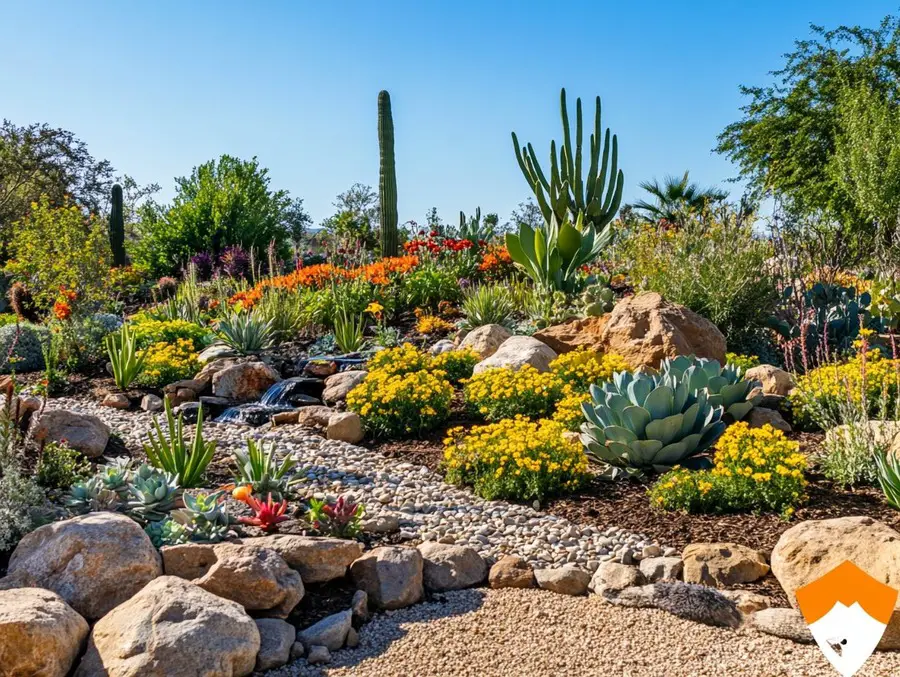
Irrigation Basics for Xeriscaping covers smart watering techniques to create a low-maintenance, drought-friendly garden. Save water and keep plants thriving!
In a time when water conservation is more important than ever, xeriscaping is stepping up as a smart solution for sustainable landscaping.
This approach shows how you can create beautiful, drought-resistant gardens that don’t just look good but also make a difference. From effective irrigation methods like drip irrigation and soaker hoses to choosing the right drought-tolerant plants, this guide will help you design and maintain your xeriscape.
You can transform your outdoor space into an eco-friendly oasis that thrives with minimal water.
The Benefits of Irrigation in Xeriscaping
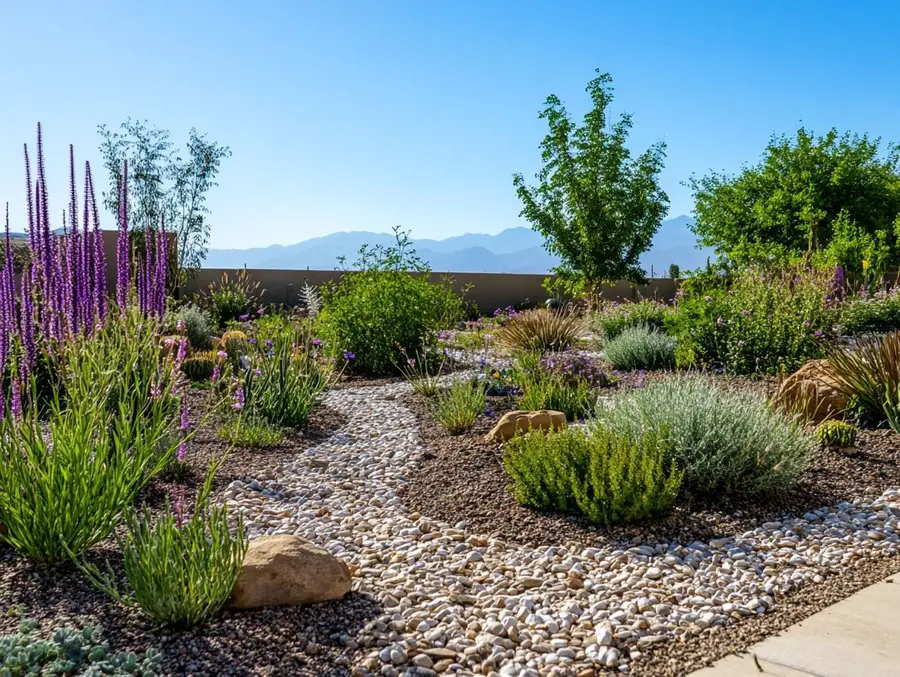
Xeriscaping brings a ton of benefits that not only spruce up your landscape but also help you conserve water—especially important if you’re in arid areas where water is a precious resource.
By using drought-resistant landscaping techniques and selecting the right native plants, you can create a beautiful environment that flourishes with just a little irrigation. This sustainable gardening approach not only cuts down on your water usage but also encourages biodiversity and boosts soil health, making it a perfect fit for eco-conscious gardeners like you.
Plus, xeriscaping taps into local plants that adapt to your specific climate, enhancing the resilience of your garden design overall.
What is Xeriscaping and Why is it Important?
Xeriscaping is a landscaping method that’s all about conserving water. It uses drought-tolerant plants and smart water management strategies. This approach is becoming increasingly important as we face rising concerns over water scarcity and the need to adapt our gardening practices to a changing climate.
By embracing xeriscaping principles, you can cultivate a garden that stays beautiful all year round while thriving in unpredictable weather, which means you’ll rely a lot less on traditional irrigation systems.
One of the key aspects of xeriscaping is selecting native and drought-resistant plants. These beauties require less water and are perfectly suited to your local climate. Plus, this sustainable gardening practice not only cuts down on water usage but also boosts biodiversity by providing support for local wildlife habitats.
By using clever design techniques, like grouping plants with similar water needs and adding mulch to keep moisture in, you can maximize efficiency while enjoying a vibrant landscape.
Ultimately, xeriscaping is all about blending aesthetic appeal with eco-friendly practices, making it a smart choice for any gardener who wants to be forward-thinking.
Irrigation Techniques for Xeriscaping
In terms of xeriscaping, using the right irrigation techniques is key for keeping your soil moist and your drought-tolerant plants healthy.
Effective methods like drip irrigation and micro-sprinklers help minimize water runoff and boost moisture retention in the soil, so your plants can thrive even during dry spells.
By planning your irrigation schedule carefully, you can improve efficiency and cut down on water waste—all while enjoying a vibrant landscape that supports sustainable practices.
Drip Irrigation
Drip irrigation is a game-changer for getting water right to your plants’ root zones. It helps keep moisture in the soil while cutting down on evaporation. With this smart irrigation method, you use a network of tubing and emitters to deliver a slow and steady supply of water, ensuring your drought-tolerant plants get exactly what they need to thrive, no matter the soil type.
When you install a drip irrigation system, you can strategically place those tubes around your garden to control water delivery precisely. The installation process usually involves a few simple steps:
- Planning the layout,
- Cutting the tubing to the right lengths,
- Securing the emitters at designated intervals.
Each part, from the mainline to the micro-tubing and emitters, works together like a well-oiled machine to maximize water efficiency, making it a must-have for xeriscaping. By focusing on applying moisture directly where it counts, this system cuts down on water waste, promotes sustainable gardening practices, and helps you maintain an eco-friendly landscape, even when facing tough climate challenges.
Micro-sprinklers
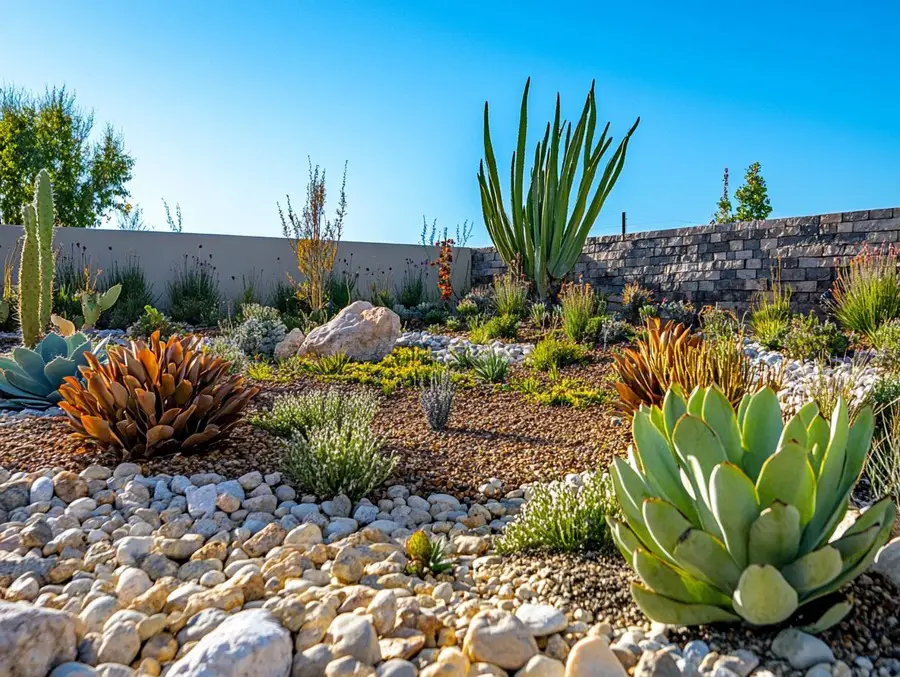
Micro-sprinklers are a game-changer for irrigation. They deliver a gentle, even distribution of water over a larger area, making them perfect for xeriscaping and managing your landscape. You can place these water-efficient devices strategically to meet the needs of different plants, helping to keep the soil moist and promote healthy growth while saving water.
By using micro-sprinklers, you can really cut down on water waste. Their targeted application means you’ll minimize runoff and evaporation—issues often seen with traditional irrigation systems. Plus, these compact sprinklers release small droplets of water at lower pressures, making it feel more like natural rainfall and boosting the soil’s ability to absorb moisture.
To get the best results, think about where you place the sprinklers based on the root zones of your plants and avoid windy spots. Adjusting the angle of the sprinklers can improve coverage and reach, ensuring every plant gets the moisture it needs and helping your entire landscape thrive efficiently.
Soaker Hoses
Soaker hoses are a practical solution for your irrigation needs in xeriscaping. They’re designed to slowly release water along their length directly into the soil. This method boosts your irrigation game by letting water seep deep into the soil, which helps with efficient drainage while cutting down on evaporation and runoff.
Using soaker hoses can save you time and resources because they reduce the need for manual watering, making them an eco-friendly choice for sustainable gardening. When you install them, be sure to lay them out following the contours of your landscape to ensure even water distribution.
For the best results, position the hoses about two to four inches beneath the soil surface to enhance moisture retention. And don’t forget about regular maintenance! Running water through the hoses to clear any blockages will help prolong their effectiveness and lifespan, allowing your xeriscape gardens to thrive with minimal effort.
Choosing the Right Plants for Xeriscaping
Choosing the right plants is crucial for creating a successful xeriscape garden because they directly affect both water conservation and the overall look of your landscape.
By picking drought-tolerant plants and native species, you can create a resilient garden that adapts well to your local climate and thrives with minimal watering.
Plus, incorporating xerophytes and other water-efficient plants not only boosts biodiversity but also supports local ecology, helping your garden flourish even in tough conditions.
Drought-tolerant and Native Species
Drought-tolerant and native species are key players in creating a successful xeriscape garden, and the best part is, they’re naturally suited to your local climate and need less water.
When you choose plants that are part of the local flora, you’re not only promoting biodiversity, but you’re also boosting ecosystem services while cutting down on irrigation needs.
Incorporating these plants into your landscape design means you’ll use less water and contribute to a healthier environment. For example, if you’re in an arid area, species like agave and yucca will thrive, while in temperate zones, lavender and coneflower can really shine.
Plus, these hardy plants often attract beneficial pollinators like bees and butterflies, which is great for supporting local wildlife.
These plants help stabilize soil, reduce erosion, and maintain the natural balance of your ecosystem. So, when you think about it, choosing these plants isn’t just about aesthetics; it’s a crucial step toward sustainable gardening practices that benefit both you and the environment.
Designing an Efficient Xeriscape System
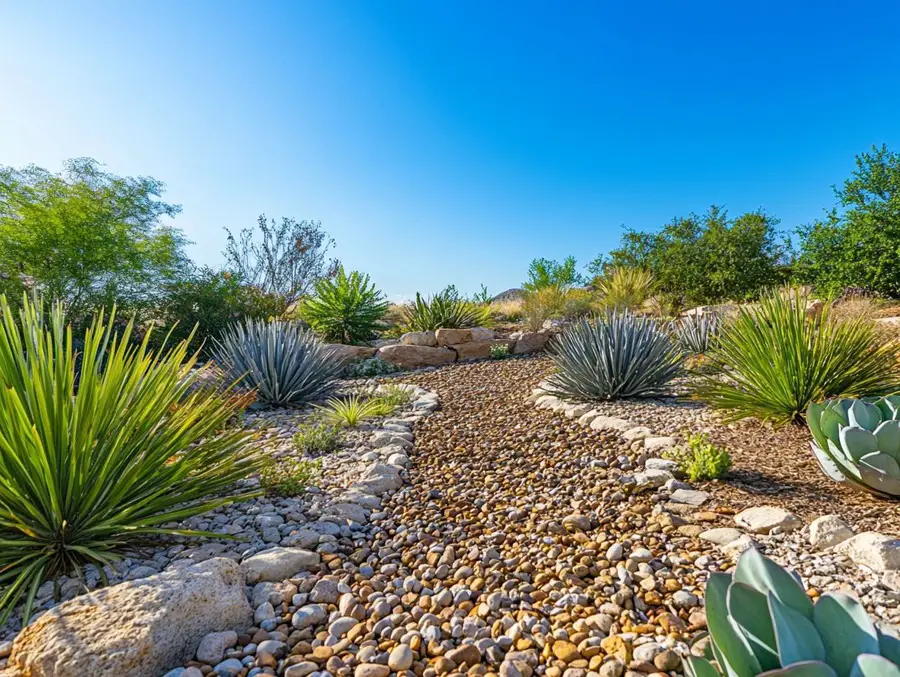
Designing an efficient xeriscape system is all about careful planning and considering various factors to make sure you’re conserving water and keeping your plants healthy.
A solid garden design looks at the specific water resources you have, the local climate, and those unique microclimates in your landscape.
By weaving in sustainable practices and smart irrigation planning, you can create a thriving garden that uses less water while boosting biodiversity and providing ecological benefits.
Factors to Consider
When you’re designing a xeriscape system, it’s important to think about various environmental factors that affect plant health and water management, like soil types, drainage, and local weather patterns. By grouping your plants properly, you can boost irrigation efficiency and encourage deeper root growth, allowing them to access the available soil moisture more effectively.
On top of that, understanding your specific climate zone is a must. It’ll guide your plant selection and overall design. Don’t forget about soil conservation practices! Adding mulch and organic matter can help minimize erosion and improve soil structure.
Implementing moisture retention techniques, such as creating swales or rain gardens, can make a big difference in water savings. And let’s not overlook your irrigation methods; using drip irrigation or smart irrigation systems can optimize water use, ensuring your plants get the moisture they need without any waste.
Maintaining Your Xeriscape Garden
Keeping your xeriscape garden in tip-top shape is key to enjoying its beauty and health over the long haul, all while saving water.
Regular maintenance involves some smart watering tips, strategic pruning, and making the right soil amendments to keep your plants healthy and resilient.
By embracing eco-friendly practices and focusing on organic gardening, you can cultivate a vibrant landscape that thrives with just a little help from you.
Watering and Pruning Tips
Effective watering and pruning techniques can really make a difference in the health and efficiency of your xeriscape garden. By sticking to optimal irrigation schedules and using deep-root watering methods, you can ensure your plants get the moisture they need while also promoting soil health and moisture retention.
To boost your plants’ resilience, try watering early in the morning or late in the evening. This way, you can cut down on evaporation losses. Aim for a deep soak about once or twice a week, depending on how much rain you’ve had and what type of soil you’re working with. Don’t forget to adjust your routine as the seasons change.
In terms of pruning, focus on removing any dead or diseased branches, as these can slow growth and invite pests to the party. Using selective pruning techniques will help improve air circulation and light penetration, giving your plants the best chance to thrive.
And don’t overlook the power of mulching around the base of your plants! It helps retain moisture and keeps those pesky weeds at bay, contributing to a strong xeriscape ecosystem.
Irrigation Basics for Xeriscaping FAQs
What is xeriscaping?
Xeriscaping is a landscaping technique that focuses on conserving water by using drought-resistant plants and efficient irrigation methods.
Why is irrigation important for xeriscaping?
Irrigation is essential for xeriscaping because it helps deliver water to the plants in a controlled and efficient manner, ensuring they receive enough water to thrive.
What are the basic principles of irrigation for xeriscaping?
The basic principles of irrigation for xeriscaping include using low-flow or drip irrigation systems, incorporating mulch to retain moisture, and scheduling watering based on plant needs rather than on a set schedule.
What type of irrigation system is best for xeriscaping?
Low-flow or drip irrigation systems are the best options for xeriscaping because they deliver water directly to the plant’s root system, minimizing evaporation and water waste.
How often should I water my xeriscaping plants?
The frequency of watering for xeriscaping plants will vary depending on the type of plants, soil conditions, and weather. It is best to water deeply and less frequently to encourage deep root growth.
Can I use a timer for my xeriscaping irrigation system?
Yes, you can use a timer for your xeriscaping irrigation system. However, it is essential to adjust the schedule regularly based on the plant’s needs and weather conditions to avoid over or under-watering.
Benefits of Xeriscaping: Save Water, Time, and Money
What is xeriscaping? A beginner’s guide to drought-tolerant landscaping