
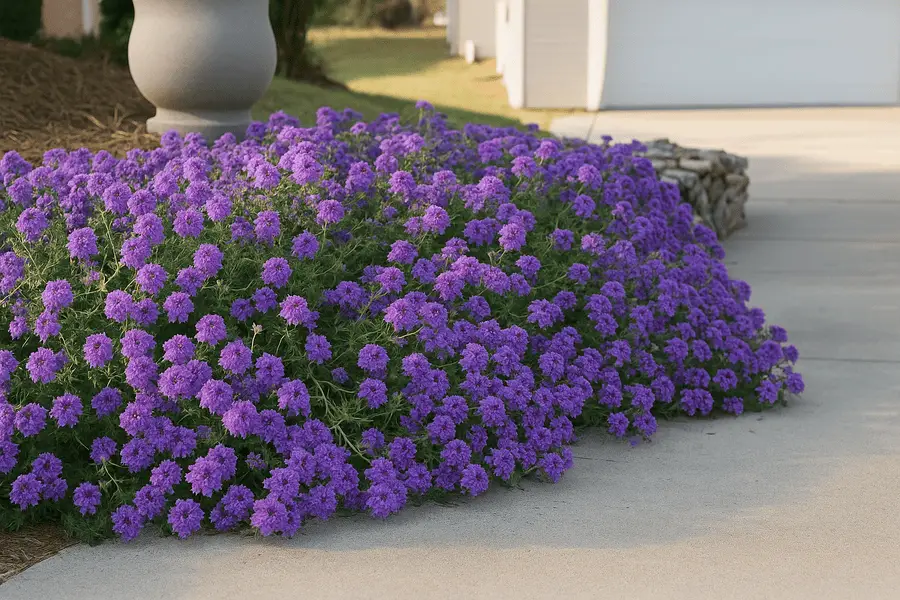
Moss Verbena Ground Cover is the answer when your yard feels more like a dry patch of trouble than a relaxing retreat.
It’s tough watching your landscape bake in the sun or get taken over by weeds.
But this colorful, low-growing plant brings a burst of blooms, chokes out weeds, and thrives with hardly any fuss.
Moss Verbena Ground Cover Key Takeaways
- Moss Verbena Ground Cover is a vibrant, low-growing plant perfect for sunny areas and drought-tolerant landscapes.
- Known for its long blooming season and ability to thrive in poor soil, it’s ideal for xeriscaping.
- It spreads quickly, attracts pollinators, and requires little maintenance, making it a popular choice for eco-friendly ground covers.
🌺 Moss Verbena Ground Cover: A Stunning Lawn Alternative
🌞 A Sun-Loving Superstar
If you’re on the hunt for a vibrant, low-maintenance ground cover that thrives in sun-drenched spots, look no further than Moss Verbena (Verbena tenuisecta).
🌿 Fern-Like Foliage + Flower Power
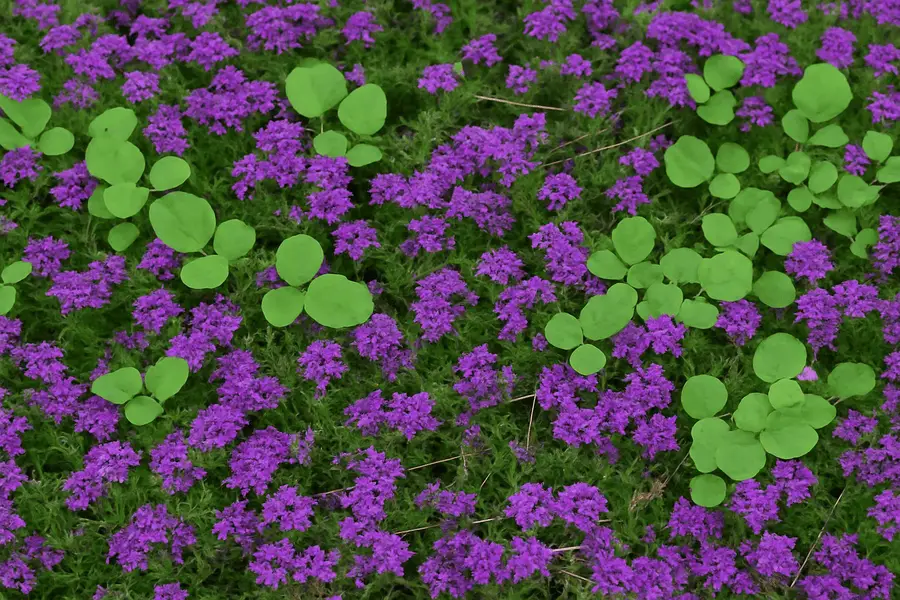
This hardy plant, also known as Glandularia pulchella, is a favorite among gardeners for its lush, fern-like foliage and clusters of colorful blooms that keep coming all season long.
🌈 Perfect for Bare Spots & Borders
Whether you’re aiming to fill a bare patch in your garden, soften the edge of a walkway, or add a splash of color to a rock garden, Moss Verbena is a versatile choice that fits right in.
🌿 What Is Moss Verbena?
Moss Verbena is a spreading perennial native to South America. It’s well-loved for its delicate, moss-like foliage that forms a lush mat of green wherever it grows.
Although not native to the US, originating in South America (Brazil and Argentina), glandularia pulchella has been established in many southern USA states. Clusters of bright purple flowers are produced during spring and summer, borne at the end of short stalks. Each contains several dozen components; five-lobed flower heads with whitish centers, a little less than one inch in diameter. The plant has dense clumps of narrow, finely divided leaves, and grows quite close to to the ground. Moss Verbena, Glandularia Pulchella
🌸 Long-Lasting Blooms
You’ll enjoy a profusion of small, vibrant flowers from spring right through summer. It puts on a colorful show when many other plants are just getting started.
📏 Compact Height, Wide Reach
The plant grows up to 12 inches tall but can spread several feet wide, making it a smart pick for ground cover in open spaces or along borders.
💧 Tough in the Face of Drought
Thanks to its drought tolerance and ability to thrive in poor soils, Moss Verbena handles tough spots like a champ. It’s perfect for rocky areas, slopes, or anywhere water is scarce.
Moss Verbena Plant Care Reference Guide
| Characteristic | Details |
|---|---|
| Common Name | Moss Verbena |
| Botanical Name | Verbena tenuisecta (syn. Glandularia pulchella) |
| Native Habitat | South America (primarily Brazil and Argentina) |
| Plant Type | Perennial (often grown as an annual) |
| Growth Pattern | Spreading ground cover |
| Mature Size | 6–12 inches tall, 3–5 feet wide |
| Watering | Low; drought-tolerant once established |
| Light/Sun Exposure | Full sun (6+ hours daily) |
| Soil Type | Well-drained, sandy or loamy soil |
| Soil pH | 6.0–7.5 (slightly acidic to neutral) |
| Temperature | Warm climates; thrives in 70–90°F |
| Humidity | Tolerates dry to moderately humid conditions |
| Bloom Time & Flower Color | Spring through fall; purple, pink, white, lavender |
| Potential Problems | Powdery mildew, spider mites in humid or crowded conditions |
| Repotting | Not typically needed; used more in landscapes than containers |
| Hardiness Zones (USDA) | Zones 7–11 (perennial); grown as annual in colder zones |
🌸 Moss Verbena Key Features
- Botanical Name: Verbena tenuisecta (syn. Glandularia pulchella)
- Height: 6–12 inches
- Spread: 2–3 feet
- Bloom Time: Spring to frost
- Flower Colors: Purple, pink, red, white, and mixed hues
- USDA Zones: 8–10 (perennial); can be grown as an annual in cooler zones
- Sun Requirements: Full sun
- Soil Preferences: Well-drained, sandy or rocky soils
- Water Needs: Low once established
🌟 Benefits of Using Moss Verbena as Ground Cover
Looking for a plant that works hard and looks good doing it? Moss Verbena might just be your new favorite ground cover.
It brings a lot to the table: color, coverage, and easygoing charm. Here are some of the top reasons gardeners love using it to fill in spaces and brighten up their landscapes:
💧 Drought Tolerance
Once established, Moss Verbena needs very little water, making it a perfect pick for xeriscaping or low-water gardens.
🧱 Erosion Control
Its low, spreading growth habit helps hold soil in place on slopes and banks—great for preventing runoff and erosion.
🦋 Pollinator Friendly
You’ll love the way it attracts butterflies, bees, and other helpful insects with its bright, blooming flowers.
✂️ Low Maintenance
This plant is a breeze to care for, resistant to most pests and diseases, and just needs an occasional trim to stay neat.
🌿 Versatility
Tuck it into borders, rock gardens, containers, or even hanging baskets. It’s a flexible plant that looks good almost anywhere.
🛠️ Planting and Care Tips for Moss Verbena
Once you’ve picked the perfect sunny spot, caring for Moss Verbena is pretty hands-off.
Still, a few smart moves early on can help your plant thrive and keep blooming like a champ all season long.
🌱 Planting
You can sow seeds directly in the garden after the last frost, or start them indoors 6–8 weeks early.
When transplanting or spacing out seedlings, leave about 12–18 inches between plants to give them room to spread.
🌾 Soil
Moss Verbena needs well-draining soil to thrive. Got clay? No problem, just mix in sand or compost to loosen things up and help water drain better.
💧 Watering
Keep soil evenly moist until your plants are established. After that, cut back on watering.
It actually prefers to dry out between drinks, making it perfect for drought-prone areas.
✂️ Pruning
To keep the flowers coming, deadhead spent blooms regularly. Midway through summer, give your plants a light trim to encourage bushier, fuller growth.
🌼 Fertilizing
A little goes a long way! Apply a balanced, slow-release fertilizer in early spring to give your Moss Verbena a strong, healthy start.
🌸 Landscaping Ideas for Moss Verbena
Looking for creative ways to use Moss Verbena in your garden? This plant is more than just pretty, it’s a problem-solver too.
With its spreading habit, bold blooms, and drought-tolerant nature, you can tuck it just about anywhere and get big results with minimal effort.
🪨 Rock Gardens
Moss Verbena adds a pop of color to rocky areas and thrives in the kind of dry, well-drained soil that other plants shy away from.
🌿 Borders and Edging
Line your pathways or flower beds with Moss Verbena to create a soft, blooming edge that spills slightly for a natural, cottage-style look.
🧺 Containers and Hanging Baskets
Thanks to its trailing growth, it’s a natural fit for containers, window boxes, and hanging baskets—especially in sunny spots on patios or balconies.
🛤️ Slopes and Hillsides
Have a tricky slope that’s hard to plant? Moss Verbena is ideal for erosion control while adding serious visual interest.
🐝 Pollinator Zones
Mix it in with other pollinator-friendly plants to create a butterfly and bee haven that stays vibrant from spring through fall.
❓ Moss Verbena Ground Cover FAQs
Got questions about growing Moss Verbena? You’re not alone! Here are some of the most common things folks wonder about when adding this colorful, tough little plant to their garden.
Q. Is Moss Verbena a perennial or annual?
A. Moss Verbena is a perennial in USDA Zones 7–11. In colder areas, it’s treated as an annual since it can’t survive heavy frost.
Q. How much sun does Moss Verbena need?
A. It thrives in full sun, needing at least 6 hours of direct sunlight each day to grow strong and bloom heavily.
Q. Can I grow Moss Verbena in containers?
A. Absolutely! It works great in pots, hanging baskets, or window boxes, especially where its trailing stems can spill over the edges.
Q. Is Moss Verbena pet-safe?
A. Moss Verbena is not listed as toxic to pets, but it’s still wise to keep curious cats or dogs from chewing on any ornamental plants.
Q. How do I keep Moss Verbena blooming?
A. Just deadhead spent flowers and give it a light trim in midsummer. That encourages new growth and keeps the flowers coming.
🛒 Where to Buy Moss Verbena Seeds and Plants
Ready to add Moss Verbena to your garden? You’ve got a few easy options to get your hands on seeds or starter plants.
Whether you prefer shopping local or ordering online, here’s where to look:
- Local Nurseries & Garden Centers – Check in spring and early summer when seasonal perennials hit the shelves.
- Online Retailers – Websites like Amazon, Etsy, Burpee, and Botanical Interests often carry Moss Verbena seeds and starter plugs.
- Big Box Stores – Stores like Lowe’s and Home Depot sometimes offer Moss Verbena in their seasonal plant sections.
- Native Plant Sales or Pollinator Events – These events are great for sourcing varieties adapted to your climate and supporting local growers.
🌿 Tip: Look for varieties labeled as “Verbena tenuisecta” or “Glandularia pulchella” to ensure you’re getting the real deal.
🌟 Moss Verbena Ground Cover: Conclusion
Looking for a plant that brings beauty without the extra work? Moss Verbena might be just what your garden needs.
Let’s take one more look at why this ground cover is a real standout.
🌺 Moss Verbena Ground Cover: Ultimate Drought Solution
Moss Verbena is a stellar choice for gardeners seeking a resilient, colorful, and low-maintenance ground cover.
Its ability to thrive in challenging conditions while providing a continuous display of blooms makes it a valuable addition to any landscape.
Whether you’re aiming to attract pollinators, control erosion, or simply add a splash of color, Moss Verbena delivers on all fronts.
🌼 Blooms That Don’t Quit
From spring into fall, Moss Verbena keeps the color coming. You’ll enjoy vibrant flowers that brighten up borders, beds, and baskets with almost no effort.
💪 Tough in Tough Spots
Got dry soil? Slopes? A patch that gets scorched by the sun? Moss Verbena thrives where other plants struggle—and looks great doing it.
🐝 A Win for Wildlife
The blooms aren’t just pretty. They also bring in butterflies, bees, and beneficial bugs, making your garden more alive and buzzing with energy.
🌱 Easygoing and Low-Maintenance
No fussy pruning, no special soil, and very little water once it’s settled in.
Moss Verbena is perfect for busy gardeners or anyone who just wants easy beauty.
🌈 Your Landscape Just Got Better
Whether you’re filling a blank spot or planning a pollinator paradise, Moss Verbena delivers on color, coverage, and charm.
So go ahead and plant a few, sit back, and enjoy the view.
Xeriscape Ground Covers: Best Smart Choices for Dry Zones
📌 Note: Always check with local nurseries or extension services to ensure that Moss Verbena is suitable for your specific region and to avoid potential invasiveness in certain areas.
References
What is Xeriscaping? (Including Best Plants for Your Zone) – Nevada NID
Designing Landscapes for Northern Nevada’s Arid Climate – Nevada Extension
South Texas Wildscape and Xeriscape-plants/ Texas A&M Extension
New Mexico Xeric Guide – NM.Gov
Low Water Use/Drought Tolerant Plant List – Arizona Department of Water Resources
The Beginners Guide to Xeriscape in Denver – 5280 Magazine Denver’s Mile High Magazine
What is xeriscaping? A beginner’s guide to drought-tolerant landscaping – Colorado State University
What is xeriscaping? A beginner’s guide to drought-tolerant landscaping – Colorado State University
UCCE Master Gardeners of San Joaquin County – Low Water Use Landscapes