
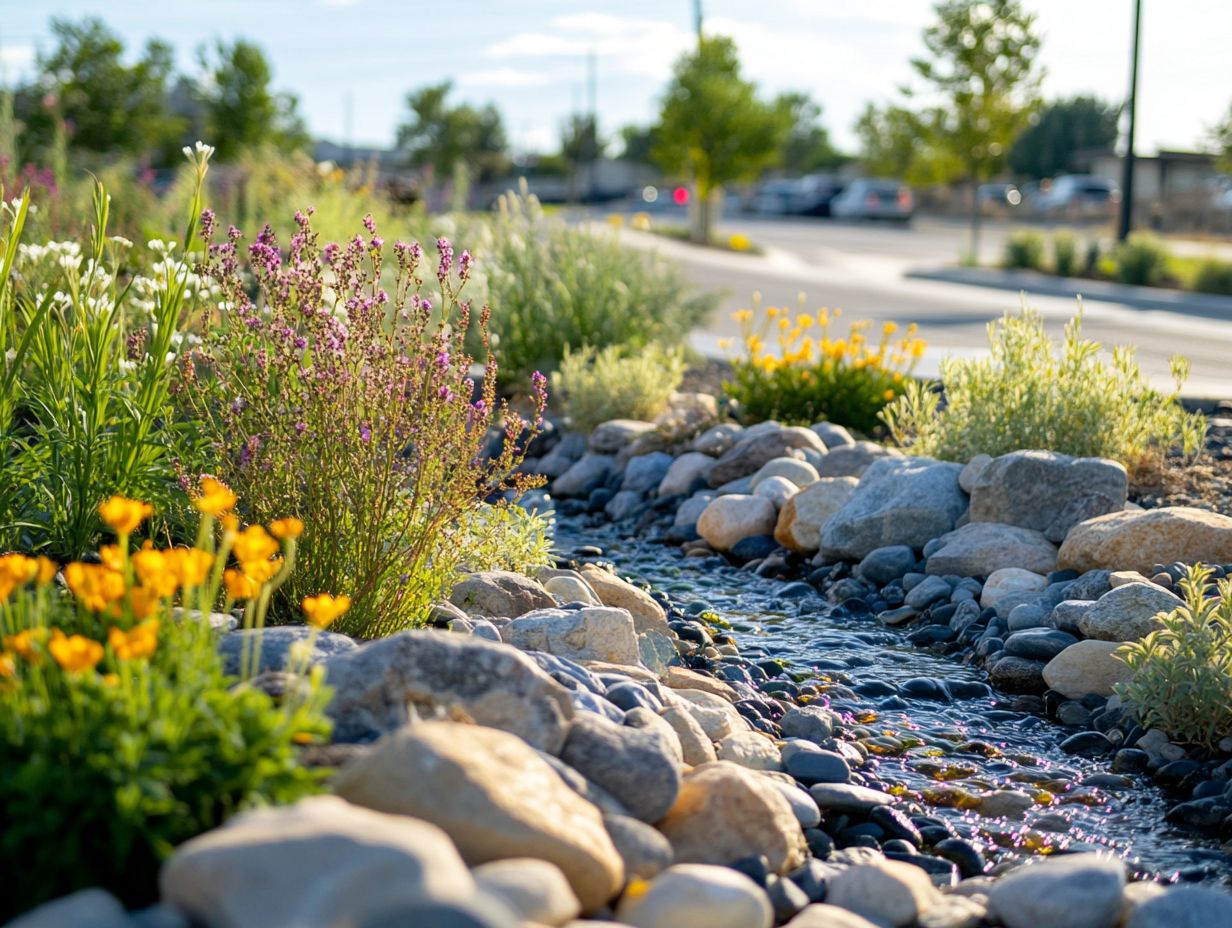
Reducing Noise Pollution with Xeriscaping and Get Peaceful & Effective help to create a quieter, greener space using natural barriers and smart landscaping techniques.
Noise pollution has sneaked into your daily life, affecting your health and well-being in ways you might not even realize.
In this article, you’ll explore the causes and effects of noise pollution, and how creative landscaping techniques like xeriscaping can provide a natural solution. You’ll discover what xeriscaping is all about, the benefits it brings, and the types of plants that can actually absorb sound. Plus, you’ll pick up other effective strategies for creating a quieter environment.
Together, you can transform your outdoor spaces into serene havens while tackling noise pollution head-on.
Understanding Noise Pollution
Noise pollution has become a significant issue in today’s world, impacting not just your peace and quiet but also your overall well-being and public health.
As urban areas keep growing, the sounds of traffic, construction, and other city activities can disrupt your outdoor serenity and lead to a host of health problems.
It’s crucial for you to grasp the causes, effects, and possible solutions to noise pollution so you can help create healthier communities and environments for everyone.
Causes and Effects of Noise Pollution
The causes of noise pollution are all around you, coming from urban development, transportation, and industrial activities. Each of these factors adds to a significant environmental impact that can really shake up urban ecology and community wellbeing.
Take incessant vehicular traffic, for instance. It’s a major culprit, blasting a constant stream of noise that can invade the peace of your neighborhood.
Then there are construction activities, which bring their own brand of chaos, with heavy machinery cranking out loud sounds that can last for hours.
And let’s not forget public events—while they’re often fun and celebratory, they can also crank the noise levels up to the point where it disrupts those living nearby. These ongoing sound disturbances have been linked to various health issues, including rising stress levels and sleepless nights, all of which can mess with your physical health.
Chronic exposure to all this noise can even lead to mental health challenges, which can negatively impact community ties and overall wellbeing.
To tackle these pressing issues, implementing acoustic barriers has become a crucial step towards creating quieter, more harmonious living spaces.
What is Xeriscaping?
Xeriscaping is a clever landscaping approach that focuses on sustainable practices and water conservation, making it a fantastic solution for areas that deal with drought or water scarcity.
By using drought-resistant plants and smart landscaping techniques, you can not only save water but also boost biodiversity and support local ecosystems. It’s a win-win for both your garden and the environment!
Definition and Benefits
Xeriscaping is all about creating a landscape that cuts down on or completely eliminates the need for irrigation. It relies on drought-resistant plants and sustainable design principles to craft eco-friendly gardens that are a breeze to maintain.
When you embrace xeriscaping, you’re not just conserving water; you’re also cultivating a vibrant garden that thrives in sync with your local environment. This innovative approach can seriously lower your water bills and maintenance costs, giving you a smart long-term solution to environmental challenges.
By using native plants and organic practices, you’re enhancing soil health, promoting biodiversity, and creating cozy habitats for local wildlife.
The ecological perks of xeriscaping go beyond just your garden, contributing to community sustainability and resilience against climate change. It’s a responsible way to landscape that balances beauty and ecological health.
Xeriscaping for Noise Reduction

Using xeriscaping can really help cut down on noise in urban areas. Certain plants are great at absorbing sound and creating natural barriers against all that pesky noise pollution.
So, if you’re looking to make your space a bit quieter, this could be a smart move!
How Xeriscaping Can Help Reduce Noise Pollution
Xeriscaping can really help you with noise mitigation strategies. By adding some urban greenery and smartly placing plants to act as natural sound barriers, you can effectively dampen those annoying sound waves.
When you carefully choose a variety of plants known for their sound-absorbing qualities, you’re not just creating a peaceful outdoor space—you’re also enhancing the overall ecological landscaping. Dense shrubbery, like evergreens and broadleaf species, not only looks good but also works as a solid buffer against urban noise.
You can take it a step further by incorporating features like gravel pathways and mulch beds, which can help break up noise transmission even more. Layering different textures and heights in your plant selections will make your space more dynamic and visually interesting, all while creating little pockets of tranquility amidst the hustle and bustle of city life.
Choosing the Right Plants for Xeriscaping
Choosing the right plants for xeriscaping is key to creating a sustainable and visually appealing landscape that flourishes in low-water conditions. You’ll want to focus on using native plants and drought-resistant varieties to get the best results.
This approach not only helps your garden thrive but also makes it easier to maintain while being kinder to the environment.
Types of Plants That Absorb Sound
When you’re picking out xeriscaping plants, think about including species that absorb sound. This can really boost the acoustic quality of your outdoor space, turning it into a peaceful retreat from all that urban noise.
Plants like tall grasses, such as Miscanthus sinensis, or shrubs like Viburnum and Boxwood are fantastic options. They’re not just known for their beauty; they also do a great job of absorbing sound. These plants can act as a natural buffer against unwanted noise while adding to the overall look of your landscape design.
Dense foliage and layered planting can serve as effective noise barriers, giving you both visual and auditory privacy. By integrating these noise barrier plants into your landscape, you not only help reduce echoes but also promote biodiversity.
This approach enhances your overall environment, creating a tranquil atmosphere that’s just perfect for relaxation.
Other Techniques for Reducing Noise Pollution

Plus xeriscaping, you have a bunch of effective landscaping techniques at your disposal that can really help cut down on noise pollution.
By incorporating green spaces and natural sound barriers, you can turn your outdoor areas into peaceful retreats.
Additional Strategies for a Quieter Environment
Creating a quieter environment requires some extra strategies that go hand-in-hand with your landscaping efforts. Think about incorporating sound-absorbing materials and optimizing your outdoor spaces to promote peace and tranquility.
One great way to do this is by using dense vegetation and strategically planting trees. They can serve as natural sound barriers, which is pretty handy. Plus, adding features like a water fountain can help mask unwanted noise while looking good at the same time.
You might also consider sound-absorbing installations, like walls made from acoustic panels, to include in your community garden or plaza. This can really help reduce disturbances. Communal spaces are essential for promoting serenity; they offer spots for relaxation and social interaction, which can strengthen a sense of community.
By thoughtfully designing these environments, you can create a harmonious balance between nature and tranquility that everyone can enjoy.
Implementing Xeriscaping for Noise Control

When you think about implementing xeriscaping for noise control, it’s all about taking a thoughtful approach. You want to blend sustainable environments with effective landscape management to craft those peaceful outdoor spaces that really help reduce noise pollution.
Steps for Creating a Xeriscaped Yard
Creating a xeriscaped yard involves a few key steps, starting from the initial garden design and soil prep to picking the right plants that make the most of water efficiency and moisture retention.
You’ll want to kick things off by assessing your site conditions, like how much sunlight your yard gets and what type of soil you have. These factors are crucial for figuring out the best plants for your xeriscape.
Once you’ve got that down, proper soil preparation is a must. Improving your soil health with organic amendments can really boost its nutrient profile and help it hold onto water better.
After establishing a solid foundation, it’s time to focus on plant selection. Go for native and drought-tolerant species that flourish in your local climate. Don’t forget about mulching techniques; they’re great for keeping moisture in. Plus, if you strategically place your plants, you can make the most of any natural rainfall, leading to a sustainable and beautiful outdoor space you’ll love.
Frequently Asked Questions
What is xeriscaping and how does it help reduce noise pollution?
Xeriscaping is a form of landscaping that uses drought-resistant plants and techniques to conserve water. By incorporating xeriscaping into your yard, you can reduce the amount of noise pollution from lawnmowers and other landscaping tools.
What types of plants are best for reducing noise pollution?
Plants with dense foliage, such as shrubs and trees, are most effective at blocking noise. Some great options for xeriscaping include juniper, boxwood, and holly.
Can xeriscaping also help reduce noise pollution from road traffic?
Yes, xeriscaping can also help reduce noise pollution from road traffic. By planting a barrier of shrubs or trees along the edge of your property, you can create a natural sound barrier to block out noise from nearby roads.
Does xeriscaping require a lot of maintenance?
Not necessarily. Xeriscaping is designed to be low maintenance, using plants that are well-adapted to the local climate and require less water. This means less time spent mowing and watering, and less noise pollution from these activities.
Can xeriscaping be used in both residential and commercial areas?
Yes, xeriscaping can be used in both residential and commercial areas. The principles of xeriscaping can be applied to any type of landscaping, making it a versatile option for reducing noise pollution in various settings.
Are there any other benefits to xeriscaping besides reducing noise pollution?
Absolutely! Xeriscaping can also help conserve water, reduce maintenance costs, and attract wildlife to your yard. It is also a more sustainable and environmentally-friendly landscaping option compared to traditional methods.
Benefits of Xeriscaping: Save Water, Time, and Money
What is xeriscaping? A beginner’s guide to drought-tolerant landscaping