
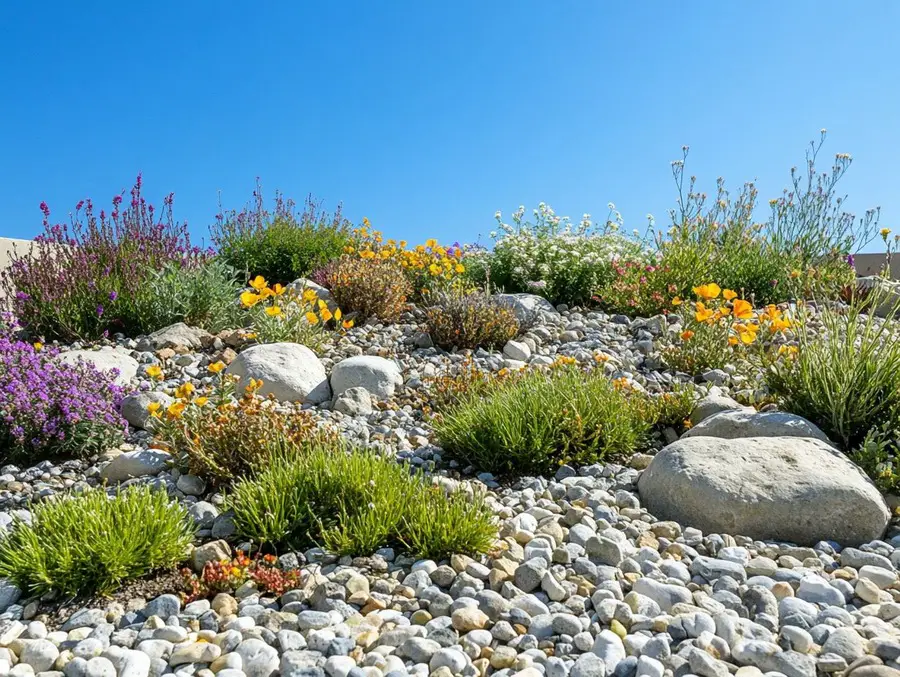
The Environmental Impact of Xeriscaping is huge! Learn how water-wise landscaping conserves resources, reduces waste, and supports a sustainable future.
Xeriscaping isn’t just a landscaping trend; it’s your ticket to a more sustainable gardening approach that puts water conservation and environmental health front and center.
You’ll discover what xeriscaping is all about, including its definition and history, as well as the many benefits it offers. It’s like comparing apples to oranges when you look at traditional landscaping practices, which often lead to excessive water usage and pollution.
You’ll also get some practical tips on how to implement xeriscaping in your own yard, showing you how it can help shape a more sustainable future. Dive in and explore the transformative power of xeriscaping for both your garden and the planet.
What is the Environmental Impact of Xeriscaping?
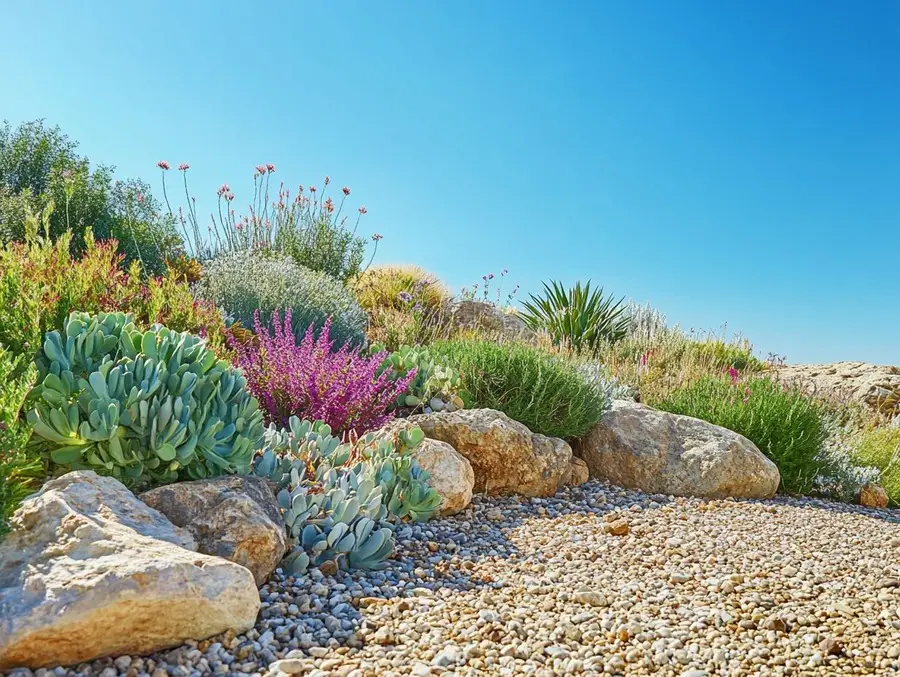
Xeriscaping is a clever way to landscape that focuses on water conservation while making your outdoor space look great with drought-resistant plants and sustainable techniques.
It all started in arid regions, where the design emphasizes using native plants that thrive in dry conditions. This approach not only boosts soil health and irrigation efficiency but also makes your yard visually appealing.
Plus, it helps reduce the environmental impact of traditional landscaping practices, making it a smart choice for anyone wanting to adapt to climate change and improve their carbon footprint.
Definition and History
The term xeriscaping was first tossed around in the 1980s by the Denver Water Department, and it was all about promoting water-efficient landscaping practices, especially in dry regions.
This clever approach popped up as a response to the growing problem of water scarcity, reflecting a larger movement toward sustainable practices as environmental concerns took center stage.
As communities faced the challenges of drought and climate change, xeriscaping offered a way to create beautiful and functional landscapes without guzzling water.
Key players in landscape architecture, like Judith Phillips and the influential Dr. Robert H. McCulloh, really helped shape and spread the word about xeriscaping principles. Over the years, this practice has evolved, bringing in a mix of techniques and plant selections that boost biodiversity and improve soil quality.
It all leads to a greater understanding of ecological balance and sustainability in landscaping.
The Benefits of Xeriscaping
Embracing xeriscaping comes with a bunch of perks for you.
You’ll save a significant amount of water, boost biodiversity, and create low-maintenance gardens that need less care and resources as time goes on.
It’s a win-win for both you and the environment!
Environmental and Economic Advantages
One of the best perks of xeriscaping is how it can really cut down on your municipal water use. This not only helps create a more sustainable ecosystem but also provides a cozy habitat for local wildlife.
By using water-efficient landscaping techniques, you can save some serious cash on your irrigation bills while also making yard maintenance a whole lot easier. Less water usage means less strain on your local water supply and can even help reduce pollution levels.
Choosing native plants is a game-changer for biodiversity, as it encourages a lively habitat that attracts all kinds of species. Plus, these landscaping choices improve stormwater management, cutting down on runoff and promoting groundwater recharge.
This holistic approach is a win-win for both you and the environment, leading to healthier ecosystems and a community that’s more resilient against climate change.
The Environmental Impact of Traditional Landscaping
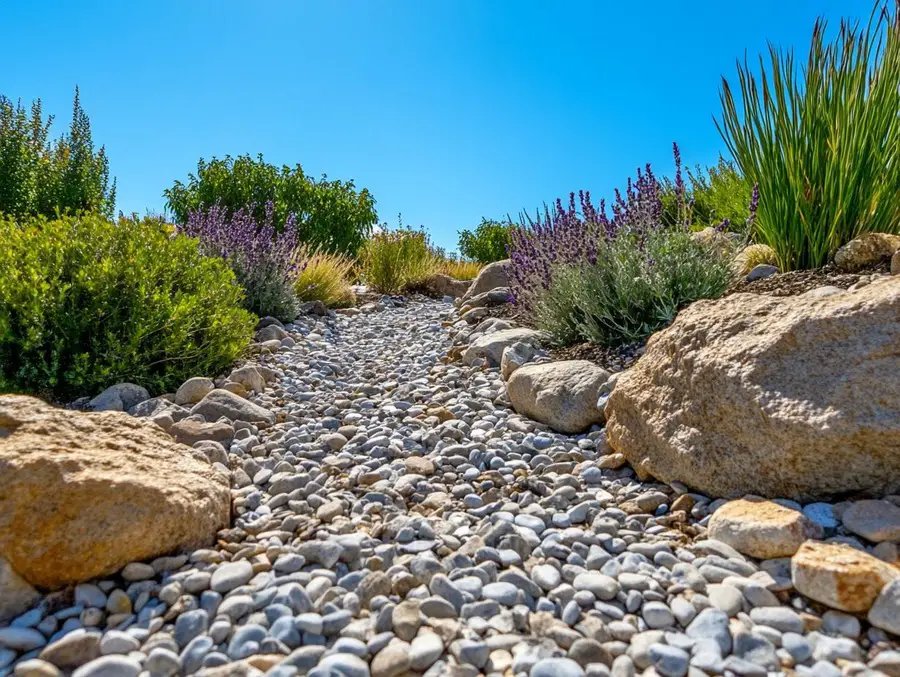
Traditional landscaping practices can really ramp up your water usage and pollution levels. This not only adds to your carbon footprint but also worsens problems like soil erosion and stormwater runoff, especially in urban areas.
Water Usage and Pollution
High water usage in traditional landscaping can really ramp up pollution levels because runoff carrying fertilizers and pesticides can contaminate local water supplies and mess with aquatic ecosystems.
This runoff doesn’t just drain precious freshwater resources; it also brings harmful chemicals into the environment, making the issues of environmental degradation and water quality even worse.
As you and your community look for greener alternatives, shifting towards sustainable landscaping practices becomes super important. By adopting eco-friendly techniques like xeriscaping or using native plants, you can significantly improve water management.
These methods not only cut down on the need for constant watering but also encourage biodiversity, which ultimately leads to healthier ecosystems and cleaner waterways.
How Xeriscaping Reduces Environmental Impact
Xeriscaping is a game-changer for reducing your environmental impact. By promoting water conservation and cutting down on pollution, it really boosts ecological health and shrinks the overall ecological footprint of your landscaping efforts.
You get to enjoy a beautiful yard while doing your part for the planet!
Conserving Water and Reducing Pollution
By using drought-resistant plants and efficient irrigation systems, you can practice xeriscaping to conserve water and reduce pollution. This approach minimizes runoff and cuts down on the need for chemical fertilizers.
Incorporating techniques like thick layers of mulch can really help reduce soil erosion while keeping moisture in the ground. This way, your landscape can thrive without needing excessive watering.
Another great method is implementing rain gardens. These specially designed areas capture and absorb rainwater, filtering out contaminants and helping to replenish local aquifers.
When you choose native ecosystems, you’re not just making your yard look good; you’re also supporting biodiversity and creating resilient habitats that thrive in your local conditions. This choice promotes sustainable development, too.
Overall, these strategies enhance green infrastructure and contribute to the health of the environment by reducing reliance on synthetic inputs.
Implementing Xeriscaping in Your Own Yard
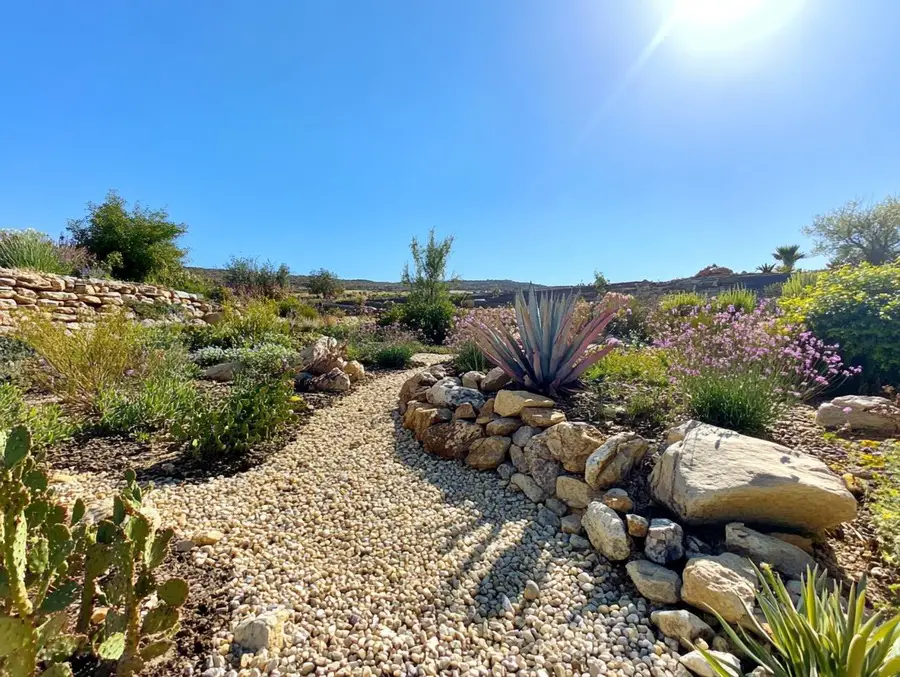
When you decide to implement xeriscaping in your yard, it’s all about careful planning and choosing the right plants that can thrive in those dry conditions.
This approach can lead you to a beautiful garden that requires minimal maintenance.
Tips and Techniques for a Successful Xeriscaped Landscape
Successful xeriscaping is all about combining effective planting techniques, smart irrigation methods, and a solid understanding of soil health to create a thriving, sustainable landscape.
When you choose native and drought-tolerant plants, you boost biodiversity while keeping water usage in check—super important for environmental sustainability.
Incorporating efficient irrigation practices like drip systems and rainwater harvesting can help you conserve energy and resources as well. Don’t overlook soil amendment strategies; they play a crucial role in improving soil structure and fertility, allowing it to retain moisture and support healthy plants.
When you bring all these practices together, you create a resilient landscape that not only thrives in dry conditions but also makes a significant impact on protecting the ecosystem and reducing urban heat effects.
The Future of Xeriscaping
The future of xeriscaping looks pretty bright for you. More and more people are recognizing its benefits, which means you’ll likely see wider adoption of this technique.
With a greater emphasis on sustainable urban design that prioritizes water conservation and climate adaptation, it’s an exciting time to explore how xeriscaping can enhance your outdoor spaces while being kind to the environment.
Potential for Widespread Adoption and Impact on the Environment
As you become more aware of water scarcity and environmental challenges, the potential for embracing xeriscaping opens up a fantastic opportunity for you to promote water-efficient landscaping and improve ecological health in your community.
By adopting xeriscaping, your neighborhood can boost its resilience against climate variability and create natural habitats that support local wildlife. This approach not only cuts down on the need for traditional irrigation, helping to conserve those precious water resources, but it also integrates sustainable practices into urban planning.
When you incorporate conservation landscaping techniques, you can enrich biodiversity, creating an environment where various plant and animal species can thrive.
As municipalities refine their land use planning strategies, the combination of xeriscaping and urban greening efforts will be key to building vibrant, sustainable communities that prioritize ecological balance.
Frequently Asked Questions
What is xeriscaping and what is its impact on the environment?
Xeriscaping is a landscaping method that reduces or eliminates the need for supplemental watering. Its impact on the environment is positive as it conserves water and reduces maintenance needs.
How does xeriscaping help in water conservation?
Xeriscaping uses drought-resistant plants and design techniques to reduce water usage in landscaping. This results in significant water conservation, especially in areas experiencing drought.
What are the environmental benefits of xeriscaping?
Xeriscaping has several environmental benefits, including reducing water usage, promoting biodiversity, and decreasing the use of harmful chemicals such as fertilizers and pesticides.
Does xeriscaping have any financial benefits?
Yes, xeriscaping can lead to financial benefits as it reduces water bills, decreases the need for maintenance, and increases property value due to its aesthetic appeal.
Is xeriscaping suitable for all climates?
While xeriscaping is best known for its benefits in dry and arid climates, it can also be adapted to various climates. By using regionally appropriate plants, xeriscaping can be implemented in most areas.
What are some tips for successfully implementing xeriscaping?
Some tips for successful xeriscaping include choosing drought-resistant plants, grouping plants with similar water needs, using mulch to retain moisture, and regularly maintaining the landscape to prevent weeds.
Benefits of Xeriscaping: Save Water, Time, and Money
What is xeriscaping? A beginner’s guide to drought-tolerant landscaping