
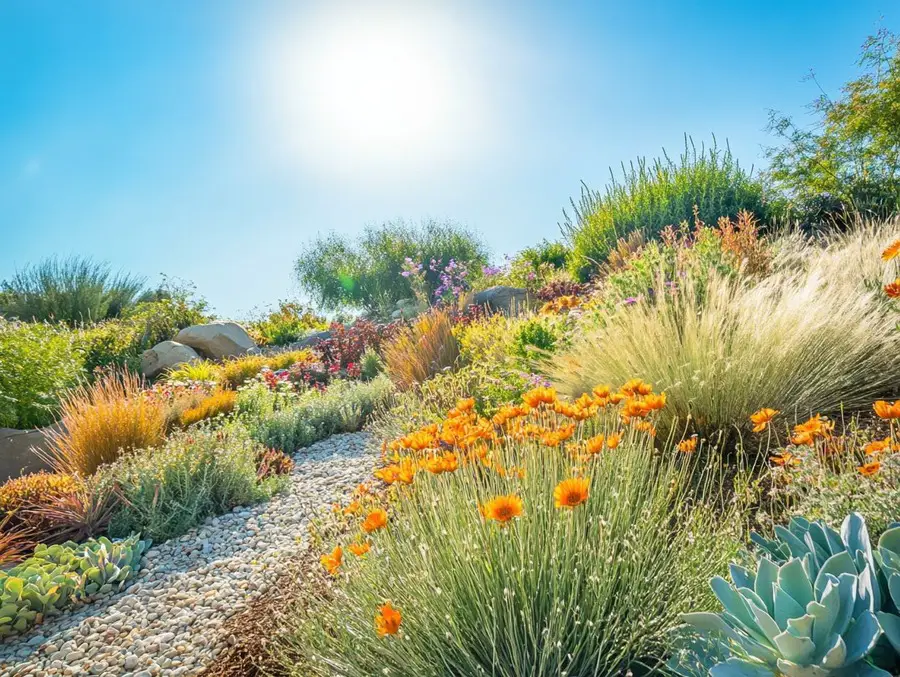
Native plants for xeriscaping are one of the smartest ways to build a low-water landscape that actually thrives. Since these plants already adapt to your local climate, they usually need less water, less fertilizer, and less maintenance once established.
That makes them one of the easiest choices for homeowners who want a practical yard without constantly fighting the weather.
In this guide, you’ll learn why native plants matter in xeriscaping, how they support local ecosystems, and how to choose the best ones for your region.
What You’ll Learn
- Why native plants use less water
- How they improve soil and reduce erosion
- How native plants support pollinators and wildlife
- How to choose the right native plants for your area
- How to design a better low-water landscape
Quick Answer
Native plants are ideal for xeriscaping because they naturally adapt to local weather, need less water, support wildlife, and usually require less long-term maintenance than non-native plants.
What is the Role of Native Plants in Xeriscaping
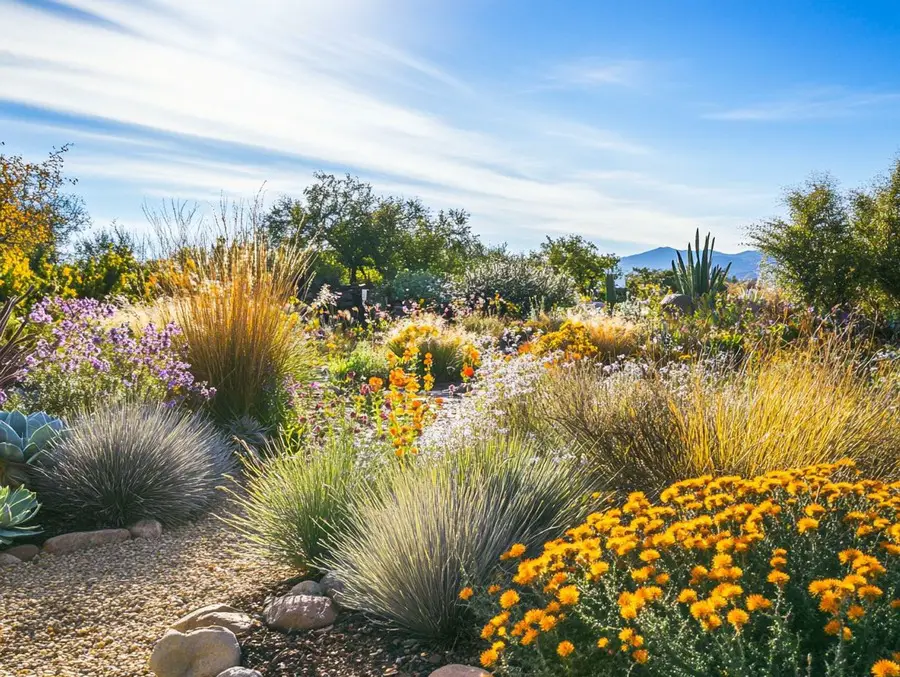
Xeriscaping is a smart landscaping choice that helps you reduce the need for watering by using drought-resistant plants and effective gardening techniques. This approach not only saves water but also boosts biodiversity and improves soil health by carefully selecting native plants and xerophytes that thrive in dry conditions.
By focusing on local flora, you’re not just supporting the ecosystem; you’re also creating beautiful, low-maintenance gardens that blend seamlessly with the natural landscape.
Definition and Purpose
The goal of xeriscaping is to help you create a sustainable landscape that needs minimal watering. It focuses on using drought-resistant plants and efficient gardening practices.
This approach isn’t just about saving water; it’s also about improving soil health and supporting local ecosystems by using native plants that are perfectly suited to your region’s climate.
By prioritizing ecological landscaping, xeriscaping encourages environmental stewardship, promoting the growth of diverse species that thrive in harmony with their surroundings. Plus, it cuts down on the need for chemical fertilizers and pesticides, which means you’re fostering a healthier habitat for wildlife and beneficial insects.
In the end, xeriscaping lets you cultivate a resilient landscape that balances beauty with functionality while keeping an eye on your environmental impact.
The Benefits of Using Native Plants in Xeriscaping
Using native plants in your xeriscaping has a ton of environmental benefits. You get to boost biodiversity, improve water conservation, and increase resilience against pests and diseases—all of which make native plants perfect choices for sustainable landscaping.
Environmental and Economic Advantages
When you use native plants in xeriscaping, you’re tapping into some serious environmental perks. We’re talking improved water conservation, healthier soil, and creating habitats that support local wildlife.
By adopting these sustainable practices, you could enjoy some nice economic benefits, like lower maintenance costs and even a boost in your property value.
Choosing drought-resistant native varieties means you can create an eco-friendly garden that doesn’t need constant watering or a lot of chemical treatments. This not only helps save on those water bills but also plays a part in keeping your local ecosystem thriving.
Plus, homes that feature well-designed xeriscapes are often a hit with buyers looking for energy-efficient and low-maintenance landscaping. This can really boost the overall marketability and value of your property.
Choosing the Right Native Plants for Xeriscaping
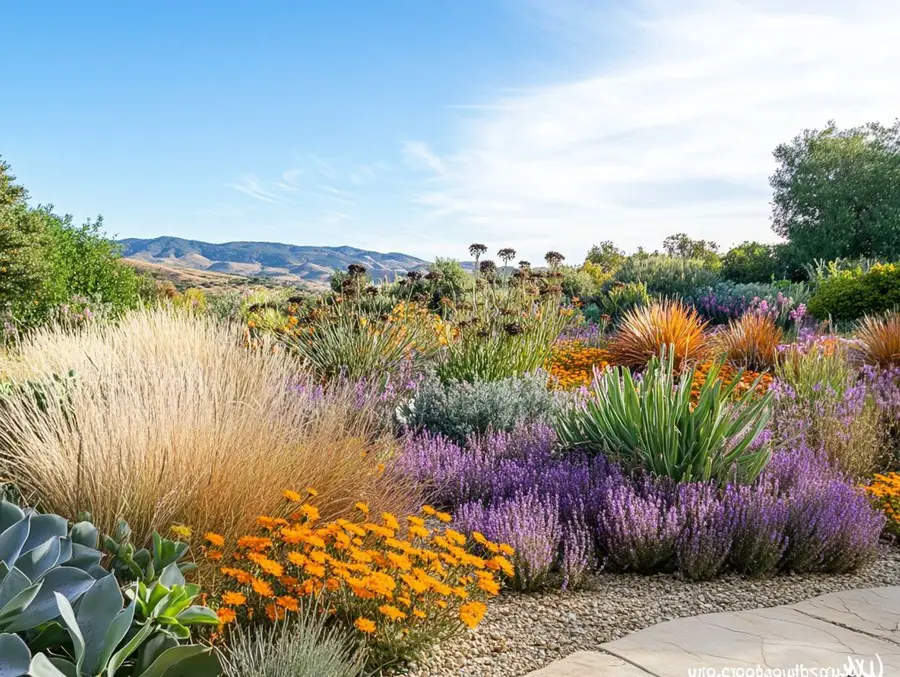
Choosing the right native plants for your xeriscape garden means getting to know your local soil types, climate conditions, and the specific needs of different plant species.
This knowledge is key to making sure your plants thrive and are easy to maintain.
Factors to Consider
When you’re picking native plants for xeriscaping, think about factors like soil types, moisture levels, and the specific characteristics of the native species that do well in your area. The selection process is super important because it not only makes your landscape look great but also helps maintain ecological balance and improve soil health.
Sunlight requirements are a big deal, too. Some plants need full sun to thrive, while others do better in partial shade, which can influence their growth and ability to attract local pollinators. Understanding root systems is also key; it can guide you in choosing plants that help prevent erosion and boost water retention.
By incorporating xericultural practices, you can create sustainable spaces that use less water while supporting biodiversity, resulting in long-lasting ecological benefits.
Designing a Xeriscape Garden with Native Plants
When you design a xeriscape garden with native plants, you’re tapping into some creative landscaping techniques that not only boost the aesthetic appeal but also promote sustainability and water efficiency.
It’s all about making your garden beautiful while being kind to the environment!
Tips and Techniques
Incorporating effective landscaping techniques while designing your xeriscape garden can really boost its visual appeal and promote biodiversity, giving you that seasonal interest all year round.
This thoughtful approach not only makes your garden look great but also supports a variety of local wildlife. Practicing plant diversity is key here; it helps minimize pest problems and creates a balanced ecosystem.
To keep moisture in check, using mulch strategically is a fantastic tactic. It cuts down on water evaporation and keeps those pesky weeds at bay. When you focus on low-water plants, you not only enhance the environmental benefits of xeriscaping, but you also keep your landscape vibrant without a ton of maintenance.
With regular upkeep and the right choice of native species, you can have a thriving garden that’s both stunning and sustainable. It just goes to show that practical landscaping can absolutely align with ecological responsibility.
Maintaining a Native Plant Xeriscape
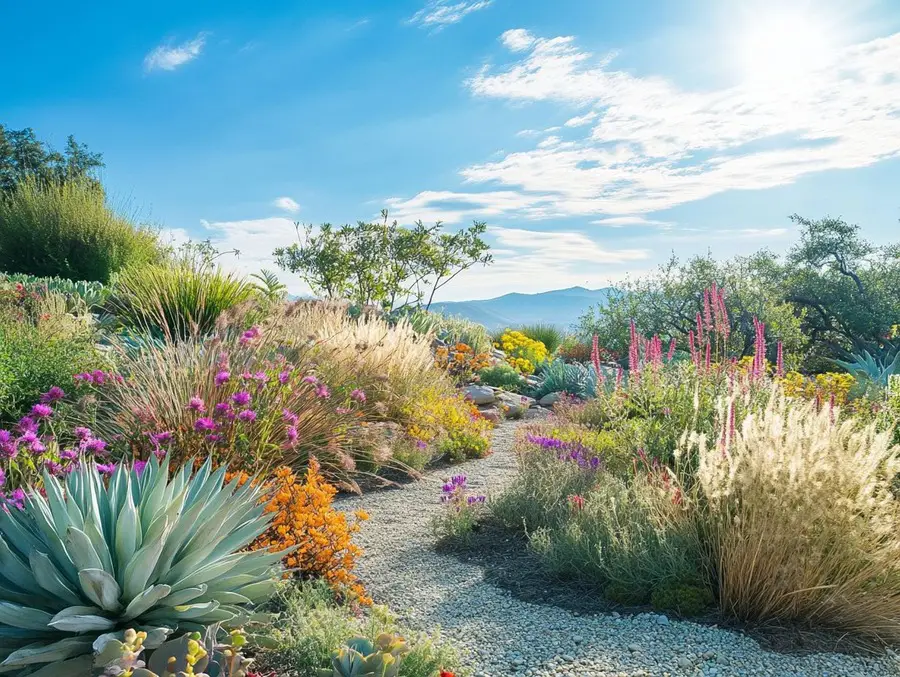
To keep your native plant xeriscape thriving, you’ll need to use effective watering strategies and provide ongoing care. This will help promote healthy growth and ensure sustainability in your garden.
Efficient Watering and Care
Efficient watering is crucial for keeping your xeriscape garden healthy, especially in arid climates where native plants are used to conserve water effectively.
To make this happen, you’ll want to use a variety of watering techniques. For example, drip irrigation is a fantastic method that delivers water right to the roots of your plants, which helps minimize evaporation and runoff. It’s a perfect eco-friendly gardening solution.
You might also consider incorporating rain gardens to capture and filter rainwater. This not only promotes moisture retention but also provides a natural drainage solution. Plus, these practices boost soil health and support sustainable landscaping by creating a balanced environment for the local ecosystem.
By focusing on these techniques, you can make sure your xeriscape flourishes while saving those precious water resources.
Common Misconceptions and Myths about Xeriscaping with Native Plants
You might have heard a lot of misconceptions about xeriscaping, especially when it comes to using native plants.
Some people think these plants are less visually appealing or that they actually require more maintenance than traditional gardens.
Debunking Misinformation
Debunking misinformation about xeriscaping is crucial if you want to promote its benefits, including the ecological perks and the beautiful look of native ecosystems. By clearing up any misconceptions surrounding this practice, you can really appreciate how xeriscaping conserves water while also boosting plant diversity in community gardens.
You might have heard that these landscapes look barren or uninviting, but that’s far from the truth! A well-planned xeriscape can be bursting with vibrant colors and textures, attracting pollinators and creating valuable habitats.
When you incorporate sustainable practices into your garden design, you’ll find that native plants often need less maintenance and flourish in local conditions. This not only gives you a lush and welcoming space but also helps improve the overall health of the environment.
Frequently Asked Questions
Why are native plants better for xeriscaping?
Native plants already adapt to local rainfall, temperatures, and soil conditions, making them easier to grow with less water.
Do native plants attract pollinators?
Yes. Many native plants provide food and shelter for bees, butterflies, birds, and other beneficial insects.
Do native plants need fertilizer?
Usually much less. Since they evolved in local soils, they often perform well without heavy feeding.
Can native plants handle drought?
Many native plants are naturally drought-tolerant and recover better from dry periods than non-native plants.
Should I only use native plants in xeriscaping?
Not necessarily. A mix of native and drought-tolerant adapted plants can work well, but native plants are often the easiest foundation.
Final Thoughts
Native plants make xeriscaping easier because they already know how to handle your local conditions. That means less watering, fewer problems, and a landscape that feels more natural.
They also play an important role in supporting pollinators, wildlife, and healthier soil, making them one of the best long-term choices for sustainable landscaping.
If you’re building a xeriscape, starting with native plants is often the smartest place to begin.
Explore Native and Low-Water Plant Guides
What is xeriscaping? A beginner’s guide to drought-tolerant landscaping-CSU