
A Timeline for Your First Xeriscaping Project helps you plan each step! Create a stunning, water-wise landscape with this easy, beginner-friendly guide.
Xeriscaping is a fantastic way to landscape your yard sustainably, conserving water and making your outdoor space look beautiful at the same time.
This approach comes with plenty of perks, like environmental benefits and cost savings that your wallet will appreciate. When planning your project, you’ll want to assess your space, create a budget, and choose the right plants and materials that work for you.
With some practical tips on implementation and maintenance, you can easily create a thriving xeriscape that stands the test of time. Your garden will thank you!
What is the Timeline for Your First Xeriscaping Project?
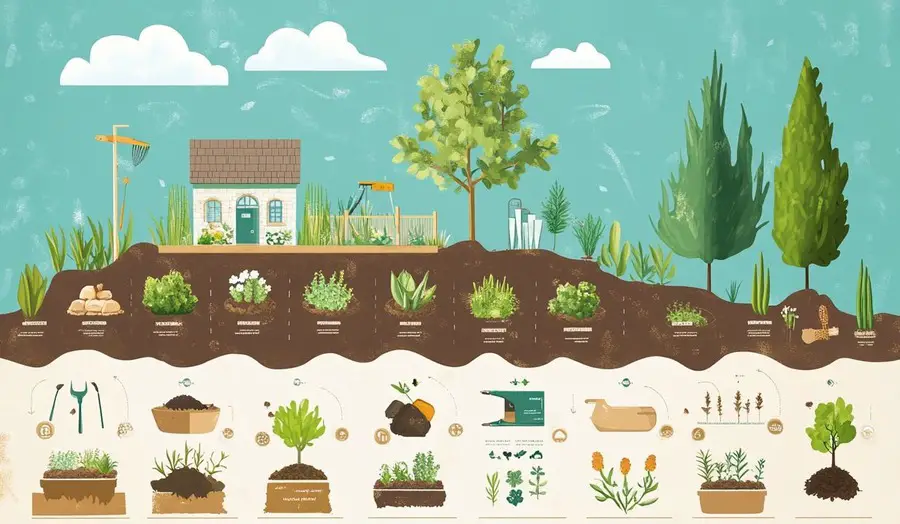
Xeriscaping is a smart landscaping strategy that helps you cut down on water use while crafting beautiful gardens. By using drought-resistant plants and efficient irrigation techniques, you can practice sustainable gardening that’s good for the environment and your wallet. This approach is especially crucial in drought-prone areas, where conserving water is a big deal. It’s all about thoughtful planning and design to create a flourishing ecosystem that boosts biodiversity and supports local wildlife. Xeriscaping isn’t just about how your yard looks; it’s about creating a healthier environment with less water and maintenance.
At its heart, xeriscaping revolves around seven key principles. You’ll want to focus on:
- Choosing the right plants
- Improving soil quality
- Using efficient watering methods like drip irrigation
These practices help you save water while also protecting precious resources. Plus, when you incorporate native plants into your design, you’ll find they’re more resilient to local pests and diseases, which means you’ll need fewer chemical treatments.
Ultimately, the goal here is to create a sustainable landscape that’s not only visually striking but also minimizes ecological impact. It’s a win-win for you and for the environment, benefiting both you today and future generations down the line.
Benefits of Xeriscaping
The benefits of xeriscaping go way beyond just saving water; they include environmental sustainability, cost savings, and a boost in biodiversity, making it an attractive option for gardeners like you.
By choosing drought-resistant plants and using smart landscaping techniques, you can create a beautiful garden that needs a lot less maintenance and water, which translates to lower utility bills. Plus, xeriscaping gives a nice shout-out to local ecosystems by supporting wildlife and encouraging the growth of native plants, ultimately enhancing biodiversity.
Environmental and Cost Benefits
Implementing xeriscaping not only cuts down your water consumption but also saves you a good chunk of change over time. It’s really a smart investment for both the environment and your wallet.
By focusing on water conservation and choosing native and drought-resistant plants, you can create a landscape that thrives in your local climate without needing a ton of irrigation. This sustainable landscaping approach means lower maintenance costs and a smaller environmental footprint since it promotes healthy ecosystems and boosts biodiversity.
Xeriscaping uses clever landscaping techniques that center around efficient design, which can lead to noticeably lower water bills and less time spent on upkeep. Whether you’re a homeowner or a business owner, you’ll benefit from relying less on water resources, resulting in some serious long-term savings.
Plus, incorporating mulching and enhancing soil quality helps with water retention, so you’re not as dependent on those non-renewable water sources. As more people jump on the water conservation bandwagon, it all adds up to a greener environment, showing a growing commitment to sustainable practices that protect and conserve our precious natural resources.
Planning Your Xeriscaping Project
When you’re planning your xeriscaping project, it’s super important to kick things off with a solid site assessment. Take a good look at your local climate, soil conditions, and what your garden space really needs.
This step sets the stage for creating a detailed project plan that includes a realistic budget and timelines for each phase of implementation. By keeping these factors in mind, you can make sure your xeriscape design not only thrives but also aligns with your budget and aesthetic goals.
This way, you’ll set yourself up for a successful and sustainable gardening experience.
Assessing Your Space and Needs
Assessing your space and needs is the first step in creating a successful xeriscaping project. Understanding your local climate and the specific characteristics of your garden space is essential.
By evaluating factors like sunlight exposure, soil type, and existing plants, you can figure out what works best for your xeriscape design. This assessment will help guide your plant selection, irrigation planning, and the overall layout of your garden, making sure your xeriscape thrives with minimal resources and maintenance.
A thorough site assessment isn’t just about taking a quick look at what’s there; it involves digging deeper into the local climate conditions that affect growth patterns and water needs. Start by checking out historical weather data to get a sense of rainfall fluctuations, temperature variations, and seasonal changes.
Then, do some soil testing to find out about pH levels, nutrient availability, and drainage capabilities. This info is crucial because it helps you tailor your plant choices, improving the ecological balance and sustainability of your landscaping.
In the end, recognizing the unique features of your garden space will set you up for a successful xeriscaping strategy that conserves water while adding beauty and functionality.
Creating a Budget and Timeline
Creating a budget and timeline for your xeriscaping project is crucial to keep things manageable and on track with your financial and aesthetic goals. Start by estimating the costs for materials, plants, and tools, and then allocate your funds wisely across each phase of the project.
Having a solid timeline will help you stay organized and focused as you move through the stages, from preparing the soil to planting and maintenance. This way, you can achieve the garden look you want without breaking the bank.
To tackle budgeting effectively, prioritize the essentials, like soil amendments and drought-resistant plants. These choices can really enhance the longevity and beauty of your landscape.
It’s also smart to set aside a little extra cash for any unexpected expenses that might pop up while you’re executing your plan. As you map out your timeline, consider the seasonal factors that could impact planting and growth, and aim for realistic deadlines to avoid rushing through important tasks.
By striking a balance between your financial limits and your vision, you’ll be able to cultivate a xeriscape that not only thrives but also offers an environmentally friendly solution that matches your landscape dreams.
Preparation and Design
Preparation and design are key when it comes to creating a xeriscape that not only saves water but also boosts the natural beauty of your garden.
Start by carefully selecting plants; go for native and drought-resistant species that will thrive in your local climate.
Don’t forget to think about your garden layout—incorporating hardscaping elements, mulch, and efficient irrigation can really elevate the look of your space while cutting down on water use.
This way, you’ll get a landscape that’s both functional and visually appealing.
Choosing Plants and Materials
Choosing the right plants and materials is key for your xeriscaping success because it directly affects both the health of your garden and its overall look. Focus on picking xeric plants that are perfectly suited to your local climate and soil conditions, and don’t forget to add some soil amendments to improve drainage and keep those nutrients in check.
By using sustainable gardening practices, like incorporating organic materials and native species, you’ll not only boost the beauty of your xeriscape but also do your part for environmental conservation.
When you emphasize xeric plant varieties, you can significantly cut down on water usage, making your landscape both stunning and efficient. Plus, with the right soil amendments, like compost and mulch, you can really improve your soil structure, which helps with moisture retention and fertility.
This healthy relationship between soil and plant selection creates a thriving ecosystem where your plants can flourish with minimal effort.
Using materials that manage water runoff is also crucial for keeping your plants happy and preserving the environment for future generations. When you bring all these principles together, you’ll create a resilient garden that requires less maintenance while showcasing vibrant and beautiful flora.
Creating a Layout and Design
Creating an effective garden layout and design is key to making your xeriscape look stunning while enjoying its ecological perks. Think about how you group your plants, the color schemes you choose, and the seasonal diversity you can maintain.
Don’t forget to integrate some hardscaping elements to really elevate the overall landscape architecture. A well-planned garden layout not only highlights the beauty of drought-tolerant plants but also helps foster a thriving ecosystem, turning your outdoor space into an inviting and sustainable haven.
Balancing your plant arrangement is super important since it helps create layers and texture, giving you a dynamic visual experience that changes with the seasons. Using native plants can take your xeriscape garden to the next level, as they’re already adapted to your local climate and soil conditions.
When you incorporate functional elements like paths and seating areas, you encourage people to interact with the space while keeping it accessible. These days, landscaping trends are all about aligning design with ecological health, ensuring that every choice you make adds to both the beauty and resilience of the environment around you.
Implementation and Maintenance
Successfully implementing and maintaining your xeriscaped garden is key to ensuring it stays beautiful for the long haul.
Start off with the right gardening tools and watering techniques to help your plants establish themselves and create a thriving environment.
Regular care is essential—monitor for pests and keep an eye on soil health. This way, your xeric garden will not only flourish but also require minimal resources and effort as time goes on.
Tips for Successful Implementation
To successfully pull off your xeriscaping project, keep a few essential tips in mind that can make the process smoother and boost your garden’s performance.
Start by using efficient watering techniques like drip irrigation, which conserves water while delivering it right to the roots of your plants. And don’t underestimate the power of quality garden tools—having the right ones can really make tasks like soil preparation and planting a breeze, turning the whole experience into something enjoyable.
It’s also important to check out your local climate and pick the right native plants that can thrive in arid conditions. This choice will help cut down on the need for excessive watering.
Plus, mulching is your friend; it can really help retain soil moisture and keep those pesky weeds at bay, creating a healthier environment for your garden.
Regular maintenance with the right tools not only keeps your xeriscaped space looking vibrant but also promotes sustainability. By weaving these strategies into your gardening routine, you’ll create a visually stunning landscape while embracing eco-friendly practices that make the most of your resources.
Maintenance and Upkeep for Long-Term Success
Ongoing maintenance and upkeep are crucial for you to achieve long-term success in your xeriscaped garden, keeping it vibrant and healthy through all the seasonal changes. Regular plant care, like adjusting your watering routine and tackling pest issues, will help your drought-resistant plants thrive while looking great. By focusing on sustainable gardening practices, you’ll not only conserve resources but also contribute positively to the local ecosystem.
Implementing techniques such as mulching and seasonal pruning can really help you optimize water retention and promote strong growth in your xeriscaped landscape. Adjusting your watering schedule based on the weather ensures that your plants get just the right amount of moisture without drowning them.
Plus, incorporating native plants can boost biodiversity since they’re naturally adapted to local conditions and require less care.
Regularly checking in on your garden and making tailored adjustments not only keeps it looking good but also nurtures a resilient environment, creating a lovely habitat for beneficial wildlife.
Frequently Asked Questions
When should I start planning for my first xeriscaping project?
The best time to start planning for your first xeriscaping project is during the off-season, typically in late fall or early winter. This will give you enough time to research, create a design, and gather materials before the planting season begins.
How long does a xeriscaping project usually take?
The length of a xeriscaping project depends on the size and complexity of the area being landscaped. However, on average, a first-time xeriscaping project can take anywhere from 3-6 months to complete.
What are the key steps in creating a timeline for my xeriscaping project?
The key steps in creating a timeline for your xeriscaping project include: assessing your current landscape, researching xeriscaping principles and plants, creating a design plan, budgeting for materials and labor, and setting a project start and end date.
Is it necessary to follow a specific timeline for a xeriscaping project?
While it is not necessary, following a timeline can help keep your project on track and ensure that all necessary steps are completed in a timely manner. It can also help you stay within your budget and avoid any unexpected delays.
Can I complete a xeriscaping project on my own or should I hire a professional?
Depending on the size and complexity of your project, you may be able to complete it on your own. However, hiring a professional landscaper can save you time and ensure that your xeriscaping project is done properly and efficiently.
What are some common challenges when it comes to sticking to a xeriscaping project timeline?
Some common challenges when sticking to a xeriscaping project timeline include weather delays, unexpected issues with the land or plants, and difficulty sourcing certain materials. It’s important to be flexible and plan for potential setbacks when creating a timeline for your project.
Benefits of Xeriscaping: Save Water, Time, and Money
What is xeriscaping? A beginner’s guide to drought-tolerant landscaping