
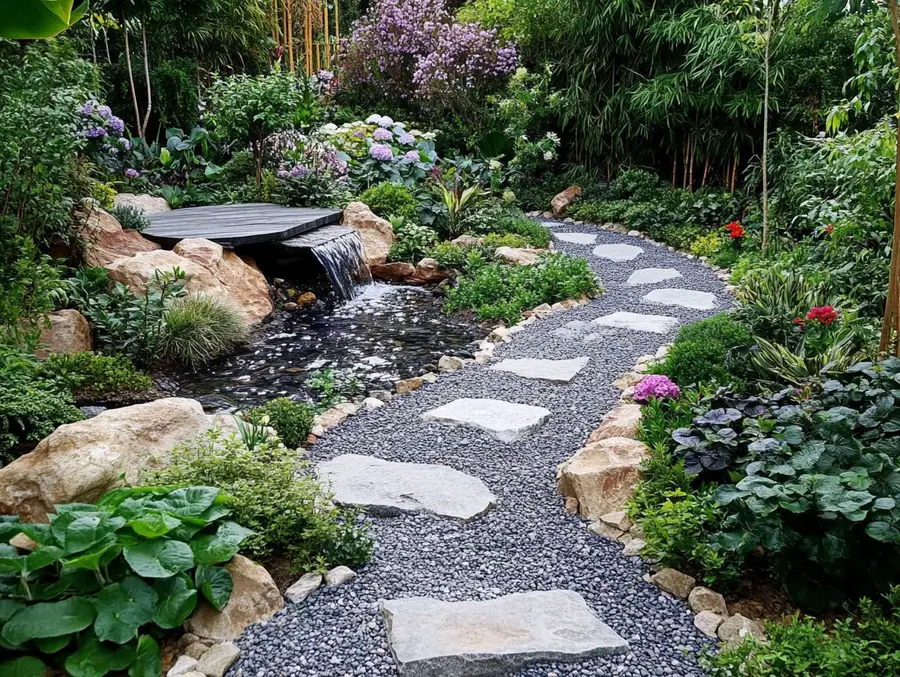
Xeriscaping isn’t just some trendy landscaping idea; it’s a smart gardening practice that helps you save water and build resilience against environmental challenges, like flooding.
Using xeriscaping techniques can really cut down on flood risks while also bringing some sweet environmental and economic perks your way.
Want to create your own xeriscape garden? Here are the steps you can follow, along with some extra tips to keep your property safe from flooding.
You’ll be amazed at how you can make a positive impact on your landscape and community!
What is Xeriscaping and Flood Prevention?

Xeriscaping is a clever way to landscape that helps you conserve water by using drought-resistant plants and smart irrigation systems. It’s a game-changer, especially in areas that often face water shortages.
This eco-friendly gardening approach focuses on native plants that thrive in your local conditions, meaning you won’t have to spend a ton of time watering or maintaining your garden. By planning your landscape design with xeriscaping principles in mind, you can craft a stunning, resilient garden that plays a role in conserving water and reducing your environmental footprint.
Alongside picking drought-resistant plants, xeriscaping also dives into soil management techniques that boost moisture retention and enhance soil health. This method supports local plants that are naturally suited to your climate and can flourish with minimal watering.
The key principles of xeriscaping emphasize using mulch wisely, implementing effective irrigation practices, and designing landscape features that capture and hold rainwater.
By embracing these sustainable practices, you not only create an eco-friendly space but also enjoy a low-maintenance landscape that’s both beautiful and functional, all while contributing to a healthier ecosystem.
Xeriscaping for Flood Prevention
When you implement xeriscaping techniques, you can really step up your flood prevention game. It promotes effective stormwater management and weaves flood control measures right into your landscape design.
By using permeable surfaces and managing your vegetation strategically, xeriscaping helps reduce water runoff and allows rainwater to seep into the soil. This way, you’re minimizing the risk of flooding in those areas that are prone to it.
Plus, this approach can boost groundwater recharge and create microclimates that support biodiversity and ecosystem health, especially in urban greening projects.
How Xeriscaping Can Help Prevent Floods
Xeriscaping is a game changer when it comes to preventing floods. By using practices like rainwater harvesting and erosion control, you can manage excess water in a way that’s sustainable. This landscaping approach taps into green infrastructure to create drainage solutions that not only cut down flood risks but also boost the ecological balance of your landscape.
When you choose the right xeric plants and set up effective irrigation systems, you can create a yard that’s not just gorgeous but also helps with flood resilience.
When you’re picking plants for your xeriscaping project, make sure to select species that are drought-tolerant and can soak up plenty of water. This helps reduce runoff during those heavy rainstorms. Native plants are especially great because they thrive in your local climate and soil conditions, which promotes healthier soil and cuts down on the need for extra watering.
Using efficient irrigation systems, like drip irrigation, allows you to waste less water while delivering moisture right where it’s needed—at the roots. By blending these sustainable gardening practices, you can craft an adaptive landscape that defends against flooding, boosts biodiversity, and keeps your soil healthy, all contributing to a more resilient ecosystem.
Benefits of Xeriscaping for Flood Prevention
The benefits of xeriscaping for flood prevention are both environmental and economic, making it a smart investment for you and your community.
By adopting xeriscaping techniques, you can cut down on water consumption, lower your irrigation costs, and boost soil health while also enhancing the biodiversity of local plants and animals.
This sustainable approach not only helps prevent flooding but also contributes to climate resilience and ecological restoration, creating a healthier environment for future generations.
Environmental and Economic Benefits
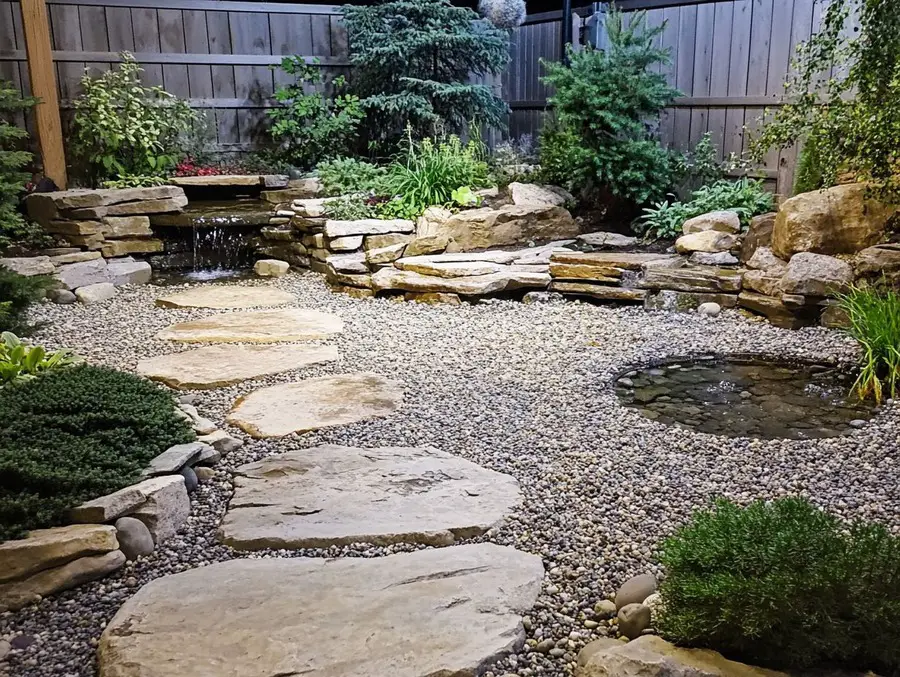
Xeriscaping has a ton of environmental and economic perks for you. It uses water-efficient landscaping techniques that not only conserve resources but also promote native biodiversity. By choosing drought-resistant plants and practicing effective soil management, you can create a garden that thrives with less maintenance and fewer resources over time.
This sustainable approach will not only make your property look great but will also help you save on landscaping costs, making it a smart choice for both the planet and your budget.
The principles of landscape planning in xeriscaping emphasize plant diversity, creating a more resilient ecosystem that can handle dry spells. For example, if you pick a variety of local plants that are suited to your climate, you’ll drastically reduce your need for irrigation. This means lower water bills and less time and money spent on upkeep since these native species are already adapted to your local soil and conditions, needing less fertilizer and pest management.
Plus, an eco-friendly design like this contributes to a healthier environment by attracting pollinators and supporting wildlife, enhancing the natural beauty of your outdoor space.
Implementing Xeriscaping Techniques
Implementing xeriscaping techniques involves a few essential steps in landscape design that put sustainable practices and efficient water use front and center.
To create a successful xeriscape garden, you’ll want to focus on managing your soil, choosing the right drought-resistant plants, and thinking about the irrigation systems you’ll use to keep moisture in and waste to a minimum.
By following these guidelines, you can cultivate a thriving landscape that not only looks great but also supports ecological balance and boosts environmental sustainability.
Steps to Creating a Xeriscape Garden
Creating a xeriscape garden involves a few essential steps to help you establish drought-resistant plants and sustainable practices.
First, take some time to assess your site — think about the soil types and any existing vegetation. This will guide your plant selection and design choices. By incorporating seasonal plantings and keeping up with proper landscape maintenance, you can not only boost the beauty of your garden but also make it more resilient to climate changes and water scarcity.
Once you’ve assessed your site, focus on preparing the soil. This means testing its pH and adding some organic matter to encourage healthy growth. It’s a crucial step for improving drainage and fertility, laying down a strong foundation for your xeriscape garden.
Next up, choose plants that thrive in your local climate, giving priority to native species that are naturally drought-resistant and can attract beneficial wildlife. Grouping plants with similar water needs can help you optimize your irrigation efforts, which is key to effective plant care and controlling erosion.
Don’t forget about regular maintenance! Keep up with mulching and pruning to support the longevity of your urban landscaping efforts. This way, you’ll foster a vibrant ecosystem that benefits both the environment and your community.
Additional Tips for Flood Prevention
Along with using xeriscaping techniques, you can check out a few extra tips for flood prevention that will really boost your landscape’s resilience against water-related issues.
By putting effective drainage solutions in place, improving soil health with organic practices, and incorporating community gardens as part of your green infrastructure, you can create an environment that helps reduce the impacts of flooding while also promoting biodiversity and ecological balance.
Other Measures to Protect Against Floods
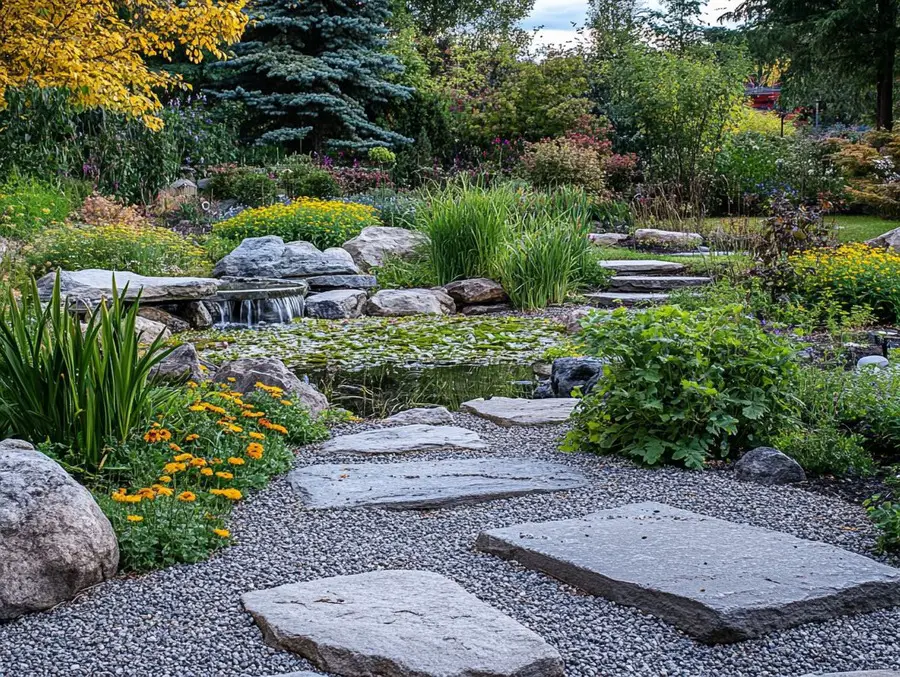
To effectively protect against floods, it’s crucial to think beyond just xeriscaping. You should also consider erosion control and managing drainage basins to guide water runoff in the right direction.
Understanding the hydrology of your landscape can help you make better choices for reducing flood risks, allowing you to integrate strategies like rain gardens and bioswales that enhance water absorption and cut down on surface runoff.
On top of that, incorporating permeable pavements and green roofs can make a significant difference in your flood control efforts. They promote groundwater recharge and help keep the ecological balance in check.
Plus, setting up rainwater harvesting systems is a smart way to use excess water, further reducing the risk of flooding while keeping the natural water cycle intact.
By bringing all these elements together, you can create a comprehensive strategy that not only tackles immediate flood concerns but also promotes long-term sustainability and habitat conservation.
Frequently Asked Questions
What is xeriscaping and how does it prevent floods?
Xeriscaping is a landscaping technique that uses drought-resistant plants and efficient irrigation methods to conserve water. By reducing the need for excess watering, xeriscaping helps to prevent floods by minimizing the amount of runoff that can contribute to flooding.
What types of plants are typically used in xeriscaping for flood prevention?
Xeriscaping often incorporates native and low-water-use plants, such as succulents, cacti, and other desert plants. These plants have adapted to thrive in dry conditions and require less water, reducing the risk of excess runoff and flooding.
Can xeriscaping be used in all climates to prevent flooding?
While xeriscaping is most commonly associated with dry, desert climates, it can be adapted to work in any climate. By incorporating appropriate plants and irrigation methods for the specific environment, xeriscaping can effectively prevent floods in a variety of regions.
Does xeriscaping reduce the risk of erosion during floods?
Yes, xeriscaping can help to prevent erosion during floods. The use of drought-resistant plants with deep root systems helps to stabilize the soil and prevent it from being washed away during heavy rain or flooding.
How does xeriscaping benefit the environment beyond flood prevention?
Plus preventing floods, xeriscaping has several environmental benefits. By using less water, it conserves a precious natural resource and reduces the strain on local water supplies. It also reduces the need for chemical fertilizers and pesticides, promoting a healthier ecosystem.
Is xeriscaping a cost-effective option for flood prevention?
Yes, xeriscaping can be a cost-effective option for flood prevention. While there may be some initial investment for materials and labor, the long-term savings on water usage and maintenance costs can make it a more affordable option compared to traditional landscaping methods.
Benefits of Xeriscaping: Save Water, Time, and Money
What is xeriscaping? A beginner’s guide to drought-tolerant landscaping