
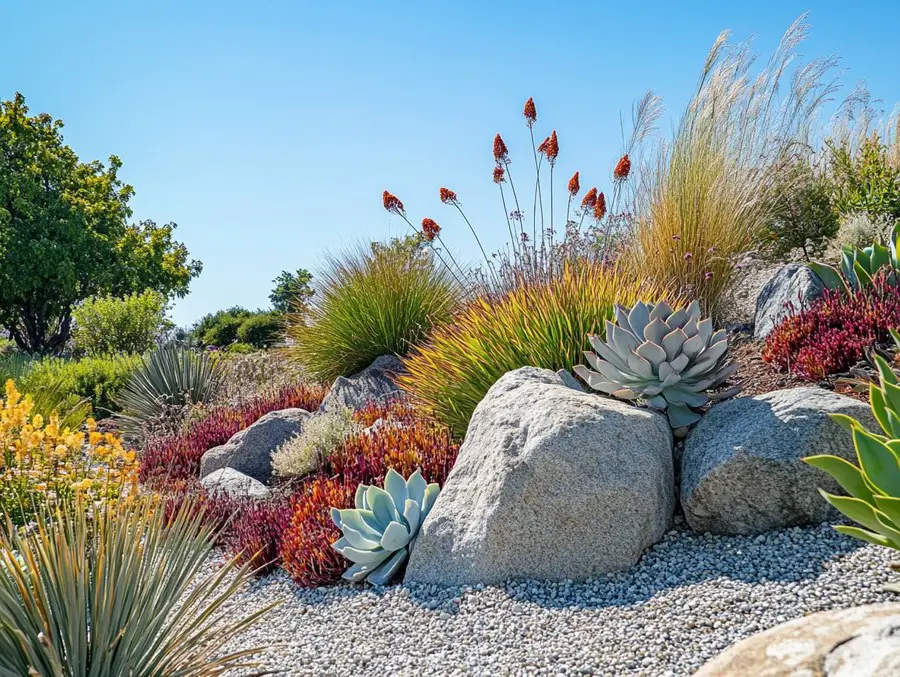
As wildfires become a growing concern in many areas, it’s crucial for you to find effective landscaping solutions. One great option is xeriscaping, a sustainable landscaping technique that conserves water while also providing impressive fire-resistance benefits.
In this article, you’ll discover the core principles of xeriscaping and how it can help reduce fire hazards. You’ll also learn the best practices for designing and maintaining a fire-resistant landscape. Plus, we’ll touch on alternative landscaping options to make sure your outdoor space is both beautiful and safe.
Join in as you explore the intersection of ecology and fire safety in landscaping.
Understanding Xeriscaping as a Fire-Resistant Option
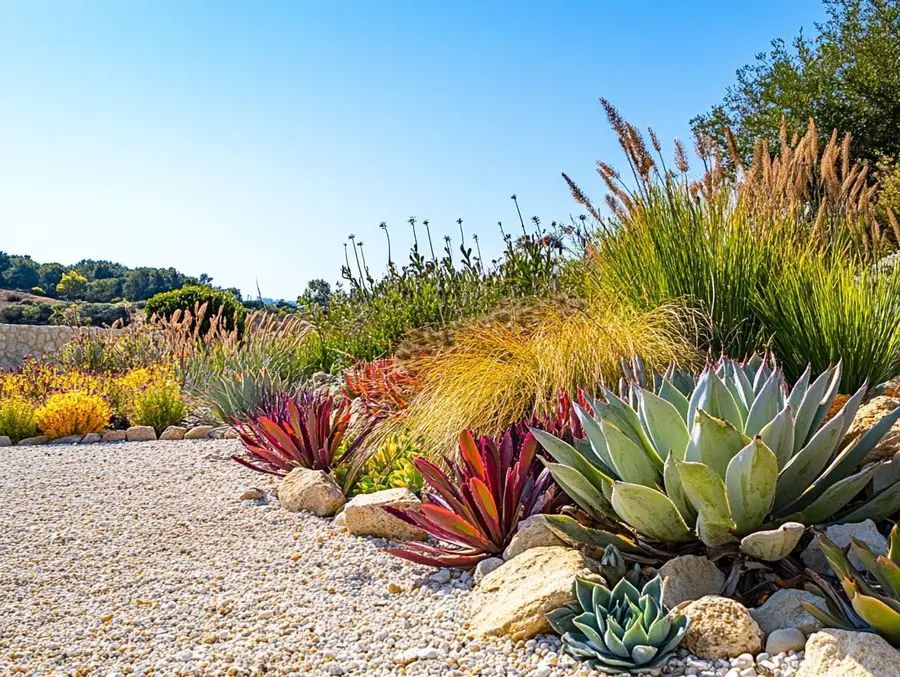
Understanding xeriscaping is essential for you if you want to create a sustainable and low-maintenance garden that thrives in dry conditions.
This gardening approach emphasizes using drought-tolerant and native plants that are perfectly suited for your local climate, which means you’ll significantly cut down on the need for irrigation and water conservation efforts.
By putting xeriscape principles into practice, you can boost biodiversity, enhance soil health, and design beautiful outdoor spaces that require less upkeep—all while playing your part in ecological restoration.
Benefits of Xeriscaping for Fire Resistance
One of the biggest perks of xeriscaping is how it boosts fire resistance, which is super important if you live in areas prone to wildfires.
By using fire-resistant landscaping techniques, you can cut down on the fuel for fires and create effective firebreaks to protect your home and property.
Plus, when you utilize flame-resistant materials and thoughtfully plan your garden layout, you’re not just enhancing safety; you’re also making your garden more drought-resistant.
It’s a smart move that really fits into sustainable practices!
Reducing Fuel for Fires
Reducing fuel for fires is a crucial part of fire-resistant landscaping, and you can tackle this effectively by strategically using drought-tolerant and native plants in your garden. When you choose plants that need less water and are less likely to catch fire, you can really lower the flammability of your landscape, all while boosting biodiversity and improving soil health.
Adding soil amendments like organic compost and mulch will help your soil retain more water, which supports your plants’ vitality and cuts down on how often you need to water.
Creating zones in your landscape by grouping plants with similar moisture needs is a smart way to optimize water use and reduce those dry patches that could become fire fuel.
Keeping moisture levels in check with smart watering techniques, such as drip irrigation, is another key move that can help reduce overall fire risk. By adopting these eco-friendly landscaping practices, you can create a resilient environment that not only thrives under pressure but also protects against potential fire hazards.
Creating Firebreaks
Creating firebreaks is an essential strategy in fire-resistant landscaping, and it’s all about designing a barrier that can slow down or even stop the spread of fire. You can incorporate hardscaping elements like rock gardens, gravel paths, or even green roofs to establish effective firebreaks that play a key role in your overall landscape planning and wildfire prevention efforts.
These hardscaping methods work like physical barriers, breaking up the continuity of combustible materials that can fuel fires. For example, using finely crushed stone or lava rock can help minimize the risk of fire spreading, while strategically placing boulders can create a solid line of defense.
When you integrate sustainable landscaping practices with vegetation management, you’ll enhance the effectiveness of these firebreaks even more. Choosing fire-resistant native plants and keeping low water-holding ground cover not only strengthens these barriers but also supports ecological restoration, helping to promote biodiversity and resilience in your landscape.
And don’t forget about properly mulched areas—they can help with moisture retention, making your space even more defensible against wildfires.
Designing a Fire-Resistant Xeriscape

When you’re designing a fire-resistant xeriscape, it’s super important to choose your plants wisely—not just for looks, but also for safety and sustainability.
Go for fire-resistant plants that will flourish in your local climate and support sustainable gardening practices.
Think about how you can arrange different species, like ornamental grasses or perennials, to create a visually appealing layout while also reducing fire risk with smart landscape design strategies.
Choosing Fire-Resistant Plants
Choosing fire-resistant plants is essential for creating a xeriscape that looks great and stays safe from wildfires. You’ll want to go for drought-tolerant species and native plants that are less likely to catch fire and can thrive in dry conditions. This way, your landscape remains resilient while also keeping that ecological balance in check.
For example, think about adding California lilac to your garden. It not only brings vibrant blooms to the party but also has fantastic fire resistance. Then there’s lavender, which has those aromatic leaves and beautiful purple flowers. It attracts pollinators and helps keep fire spread at bay thanks to its low moisture content.
When you’re picking plants, remember to focus on biodiversity. Mixing different species creates a more resilient ecosystem that can handle pests and diseases better. Plus, native plants really shine when it comes to sustainability; they’re adapted to your local climate and soil, so they need fewer resources over time.
Incorporating Hardscaping
Incorporating hardscaping into your fire-resistant xeriscape design can really boost your water conservation efforts while giving your garden some solid structural support. Think about adding elements like paver patios, rock walls, and gravel pathways. Not only do they make your outdoor space look great, but they also act as effective fire barriers.
When you choose permeable materials for your hardscaping, you’re promoting better water infiltration, which means less runoff and improved groundwater recharge. By strategically using drought-resistant stones and heat-reflective surfaces, you can help create healthier ecosystems.
These sustainable practices don’t just make your landscape less vulnerable to wildfires; they also align with the principles of green infrastructure. This approach encourages biodiversity and helps combat the urban heat island effect.
Ultimately, if you take a thoughtful approach to hardscaping, you can enhance environmental resilience while creating a beautiful and functional outdoor retreat.
Maintaining a Fire-Resistant Xeriscape
Maintaining a fire-resistant xeriscape means you need to stay on top of ongoing garden maintenance that focuses on water efficiency and plant health.
Using proper watering techniques along with regular pruning can really help your garden thrive and lower the fire risk.
By keeping a close watch on your landscape and making any necessary adjustments, you can ensure it stays resilient against wildfires while also supporting ecological balance.
Proper Watering and Pruning Techniques
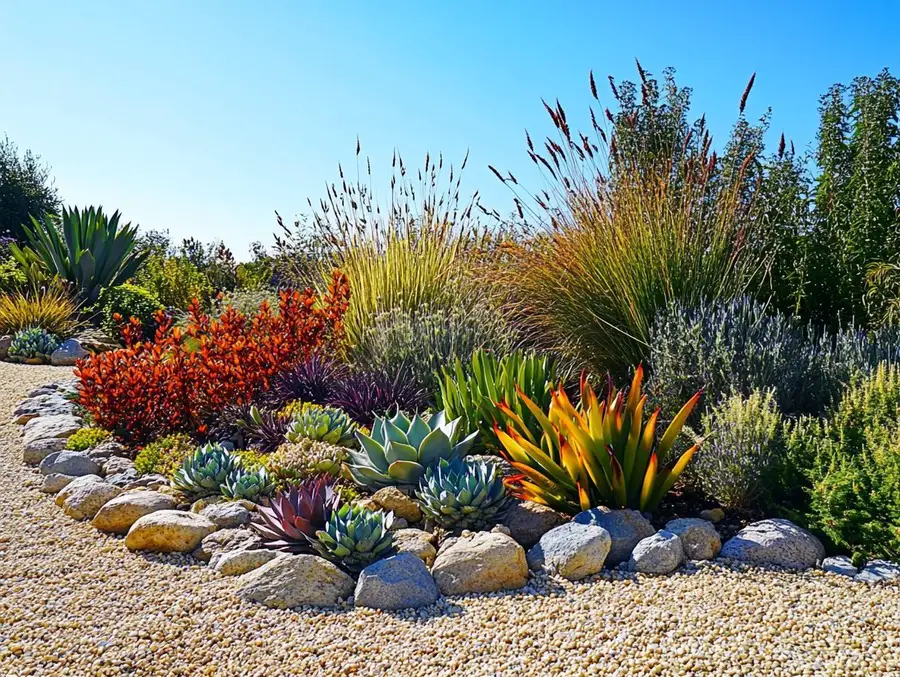
Implementing the right watering and pruning techniques is key to making your fire-resistant xeriscape thrive. By paying attention to the needs of drought-tolerant plants and ensuring they get enough soil moisture, you’ll boost their resilience and promote overall soil health in your garden.
A well-planned watering schedule, tailored to the specific climate of the season, can do wonders for your plants. Timing is everything; for example, watering early in the morning helps cut down on evaporation losses.
Knowing when to prune your xeriscape plants can shape their growth and encourage robust flowering. Seasonal planting fits right into this approach, allowing you to adapt your landscaping strategies to the changing environmental cues.
By embracing the latest landscaping trends and using sustainable gardening methods, you’ll not only create a vibrant xeriscape but also nurture a thriving ecosystem that harmonizes with nature’s rhythms.
Regular Inspections and Maintenance
Conducting regular inspections and maintenance is key to keeping your fire-resistant xeriscape healthy and effective. By routinely checking for any signs of pest problems or plant health issues, you can tackle them right away and keep your landscape in balance.
These inspections should include a close look at the soil quality, the overall health of your plants, and the condition of any hardscaping elements. Make sure to keep an eye out for dry or dead spots in the plants, as they could signal water stress or not enough nutrients in the soil.
When you spot potential issues, it’s time for some immediate action—think amending the soil or replacing any struggling plants. Embracing sustainable landscaping techniques, like choosing native plants and using efficient irrigation methods, is really important.
These practices not only boost fire safety by cutting down on flammable materials but also help the environment by promoting biodiversity and conserving water.
Other Fire-Resistant Landscaping Options
Exploring other fire-resistant landscaping options can really complement your xeriscaping efforts and add extra layers of protection.
There are plenty of alternatives out there that focus on combining sustainable practices with ecological balance. For instance, you might consider creating pollinator gardens or using organic gardening methods that help preserve habitats.
It’s all about finding what works best for your space while keeping the environment in mind.
Alternatives to Xeriscaping
When you’re considering alternatives to xeriscaping, it’s worth diving into sustainable landscaping practices that highlight the beauty of drought-tolerant plants and green infrastructure. Think about options like creating rain gardens, using organic gardening techniques, or starting community gardens. These choices can really boost ecological restoration and help build resilience against fire.
These alternative practices do more than just make your outdoor spaces look good; they also play a crucial role in maintaining biodiversity, enriching soil health, and saving water resources. For example, rain gardens are fantastic at capturing and filtering stormwater runoff, which helps minimize erosion while supporting native plant species that provide homes for local wildlife.
And let’s not forget about organic gardening methods! They focus on building healthy soil through composting and natural amendments, which can seriously enhance plant vitality and cut down on the need for synthetic fertilizers.
By blending these approaches, your landscaping can become a beautiful and functional space, creating a sustainable environment for both plants and animals.
Frequently Asked Questions
What is xeriscaping as a fire-resistant option?
Xeriscaping is a landscaping technique that focuses on using drought-resistant plants and materials to create a beautiful and functional landscape. It is also considered a fire-resistant option because it reduces the amount of fuel available for fires to spread.
How does xeriscaping help prevent fires?
Xeriscaping helps prevent fires by using plants and materials that are less likely to catch fire or spread flames. These plants often have high moisture content and low resin content, making them less flammable. Additionally, xeriscaping reduces the need for watering, which decreases the risk of sparks from irrigation systems.
What types of plants are typically used in xeriscaping for fire-resistant purposes?
Plants that are typically used in xeriscaping for fire-resistant purposes include succulents, cacti, and other drought-resistant plants such as lavender, rosemary, and sage. These plants have high moisture content, low resin content, and often have thick, waxy leaves that are less likely to catch fire.
Can xeriscaping still be aesthetically pleasing?
Yes, xeriscaping can still be aesthetically pleasing. By using a variety of plants and incorporating elements such as pathways, rocks, and decorative sculptures, a xeriscaped yard can be just as beautiful as a traditional, water-intensive landscape.
Are there any other benefits to xeriscaping besides fire-resistance?
Yes, there are several other benefits to xeriscaping. It can help conserve water, reduce maintenance costs, and attract pollinators and other beneficial wildlife. Xeriscaping also requires less mowing and trimming, which can reduce air pollution and noise levels.
Is xeriscaping a good option for all climates?
Xeriscaping can be a good option for most climates, but it may not be suitable for extremely wet or cold regions. In areas with heavy rainfall, xeriscaping may not be necessary as there is already ample moisture for plants to thrive. In colder climates, it may be more difficult to find drought-resistant plants that can survive harsh winters. Consulting with a local landscaping professional can help determine if xeriscaping is a suitable option for your specific climate.
Benefits of Xeriscaping: Save Water, Time, and Money
What is xeriscaping? A beginner’s guide to drought-tolerant landscaping