
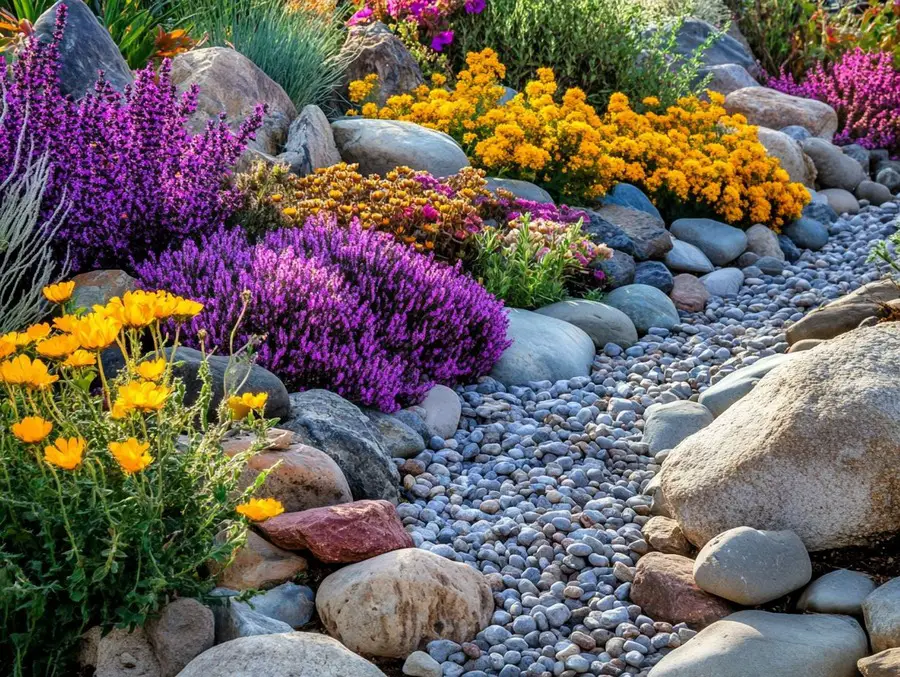
Xeriscaping for Beginners in Arid Climates covers easy tips to design a low-maintenance, drought-friendly yard. Save water and create a stunning landscape!
Xeriscaping is a clever landscaping approach that’s perfect for arid climates, focusing on water conservation and sustainability.
In this guide, you’ll find everything you need to create a stunning xeriscape garden, from picking out drought-tolerant plants to incorporating hardscaping and mulching. You’ll discover effective watering techniques and soil maintenance tips to help your garden thrive with minimal effort.
Plus, you can look into cost considerations and long-term savings that make xeriscaping not just eco-friendly but also a wallet-friendly choice for your outdoor space.
What is Xeriscaping for Beginners?
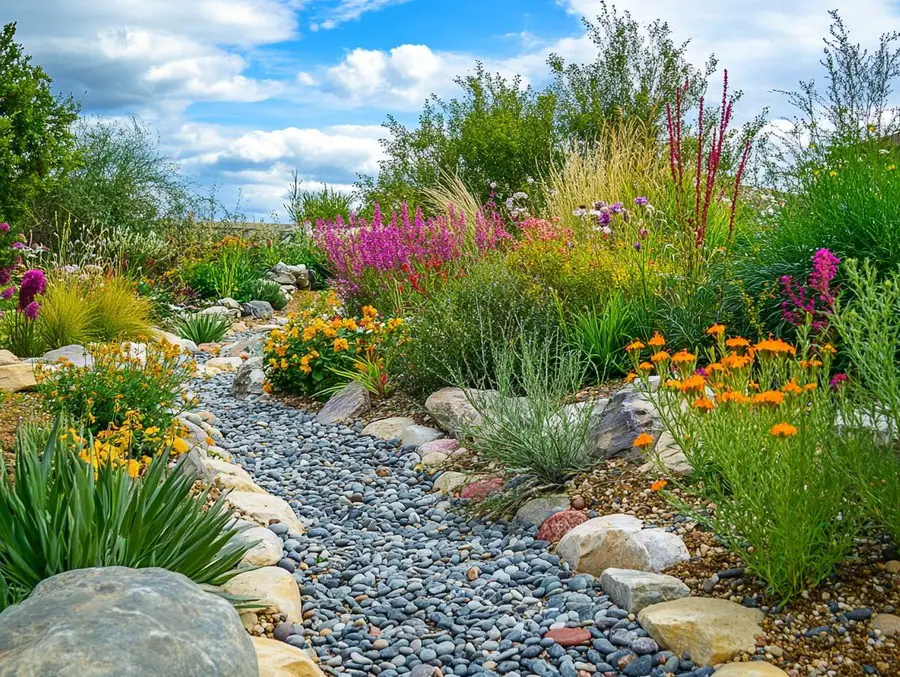
Xeriscaping is all about designing your landscape with water conservation in mind. It uses drought-resistant plants and sustainable gardening techniques, making it ideal for those arid areas where traditional gardening can really drain your water supply and put a strain on the environment.
By embracing xeriscaping principles, you can craft a stunning, eco-friendly garden that not only cuts down on water needs but also boosts biodiversity. This gardening style enhances your outdoor space while supporting local ecosystems with native plants and smart design choices.
But xeriscaping isn’t just about looking good; it’s about sustainable living too. It can help you reduce your water consumption significantly—sometimes by as much as 50%! Plus, it encourages the use of native plants that are adapted to your local conditions, thriving with minimal irrigation and maintenance.
These eco-friendly landscaping practices not only trim down your water bills but also lessen the need for chemical fertilizers and pesticides, creating a healthier environment.
Xeriscaping is crucial for reducing soil erosion and providing urban habitats for wildlife, making it a smart move for anyone who wants to garden responsibly in a climate that’s becoming increasingly unpredictable.
Benefits of Xeriscaping in Arid Climates
Xeriscaping has a ton of benefits, especially in dry climates where water is like gold. By using drought-resistant plants and eco-friendly landscaping techniques, you can create a beautiful garden that thrives on minimal irrigation.
This not only makes your garden look great but also helps conserve water, cuts down on maintenance efforts, and supports biodiversity. As you dive into xeriscaping, you’re doing your part for the environment and ensuring your garden stays tough against those seasonal weather changes.
When you adopt xeriscaping, you’re not just conserving water; you’re also slashing maintenance costs. That means you can spend less time sweating it out in the yard and more time enjoying the great outdoors.
Plus, this gardening method enhances the visual appeal of your outdoor space by mixing in different textures and colors with native plants that love dry conditions.
Xeriscaping also invites local wildlife to thrive, creating cozy homes for pollinators and beneficial insects that help keep the ecosystem buzzing. By choosing sustainable practices, you’re making a real difference for the environment while relishing a stunning landscape that needs minimal fuss.
Designing Your Xeriscape Garden
When you’re designing your xeriscape garden, it’s all about taking a thoughtful approach that blends landscape design with xeriscaping principles. This way, you can achieve both aesthetic appeal and ecological sustainability.
Start by checking out your garden’s microclimates and soil conditions; this will help you decide on the best plants and layout. By using xeriscaping principles, you can select regional plants that thrive in your climate while also thinking about hardscape elements like rocks and pathways to add some visual flair.
With a bit of careful planning, you can create a garden that’s not just gorgeous but also efficient in water use and easy to maintain.
Choosing Drought-Tolerant Plants
Choosing drought-tolerant plants is key to creating a xeriscape garden that thrives in low-water conditions. These plants, especially native varieties, are usually better suited to your local environment and need less maintenance than traditional garden species.
When you’re picking out your xeric plants, it’s important to check their hardiness and adaptability to make sure they’ll perform well through the changing seasons. You might want to use gardening tools like soil testers and light meters to figure out the best planting conditions for the plants you’ve chosen.
Native plants can also be a bonus because they often attract local wildlife, which adds to the ecological value of your garden. With a little thought about seasonal interest, you can create a landscape that stays visually appealing all year long while saving those precious water resources.
This careful selection process not only helps your garden thrive but also deepens your connection to local biodiversity.
Incorporating Hardscaping and Mulching
Incorporating hardscaping and mulching into your xeriscape garden design is a game changer. It enhances moisture retention and adds some serious structural interest to your landscape.
When you carefully choose materials like gravel, flagstone, or permeable pavers for your hardscaping, you can cleverly direct water flow. This way, that precious moisture seeps down to those thirsty roots.
Don’t underestimate the role of mulch, either. Whether you opt for organic options like bark or straw or go for inorganic types like rubber chips, mulch acts as a barrier. It prevents excessive evaporation and keeps weeds from competing with your plants.
By combining these elements, you not only boost the sustainability of your gardening practices but also elevate the overall look of your space. You’ll end up with a visually stunning and environmentally friendly outdoor area that thrives with minimal effort.
Implementing Xeriscaping Techniques
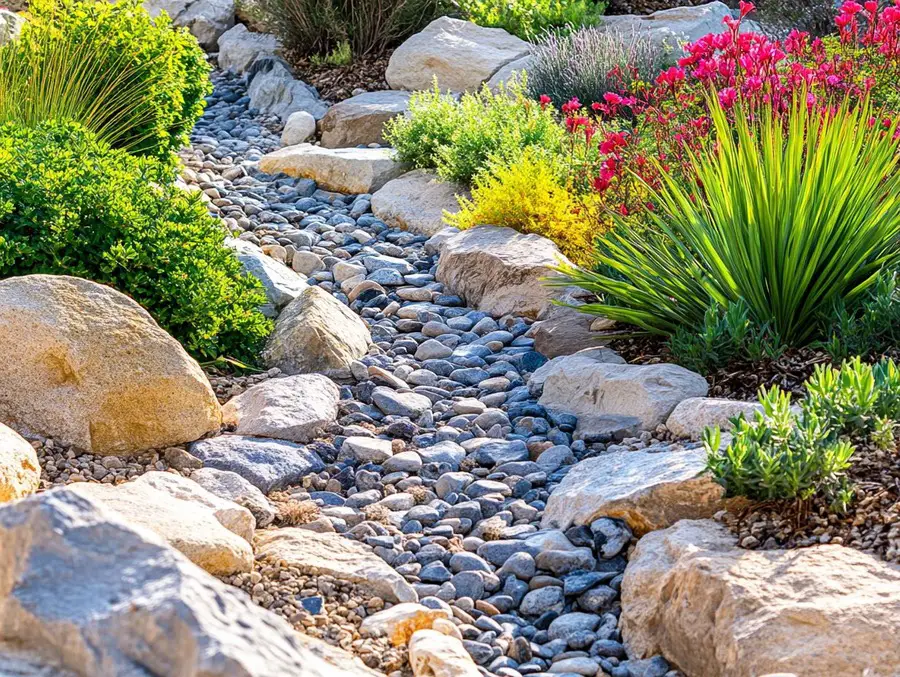
Implementing effective xeriscaping techniques is key to creating a sustainable garden that conserves water and thrives in tough climates.
Start by properly preparing your soil—this means choosing soil amendments that improve drainage and moisture retention.
Then, think about installing irrigation systems like drip irrigation, which sends water straight to your plant roots to cut down on waste.
Plus, keeping your garden in shape with practices like seasonal planting and proper pruning will boost your plants’ health and resilience.
Watering and Irrigation Methods
Watering and irrigation methods are crucial for establishing a successful xeriscape garden, especially if you live in an arid climate.
By using efficient irrigation systems like drip irrigation, you can deliver water right to the plant’s root zone, which cuts down on water waste significantly. Plus, implementing rainwater harvesting techniques can sustainably supplement your garden’s water needs.
When you adopt water-wise gardening practices, you can keep your xeriscape thriving without guzzling excessive water.
These systems not only help conserve precious resources but also promote healthy plant growth by ensuring that water is applied exactly where it’s needed most. Additionally, selecting native drought-resistant plants takes your xeriscaping game to the next level. These varieties are usually well-adapted to local conditions and require less maintenance, making your life a little easier.
It’s super important to design your irrigation strategy with care. Using timers and moisture sensors can really help you optimize water usage.
Incorporating thoughtful watering techniques in your garden planning is the key to creating a flourishing xeriscape that balances beauty and sustainability.
Soil Preparation and Maintenance
Proper soil preparation is key to setting up a thriving xeriscape garden that really nails moisture retention and keeps your plants healthy.
You need to understand how soil amendments work because they can make a big difference in both the fertility and structure of your soil while also cutting down on erosion. Organic materials like well-rotted manure or peat moss can really jazz up your soil texture, allowing for better aeration and drainage.
When you mix these amendments into your soil, they not only help hold onto moisture during dry spells but also dish out essential nutrients to support the growth of all those beautiful xeriscaping plants.
Adopting organic gardening practices, like crop rotation and using cover crops, will help boost your soil quality over time. Pair these techniques with effective soil erosion control measures, and you’ll create a resilient environment that nurtures healthy plants while making the most of water conservation.
Maintaining Your Xeriscape Garden
Maintaining your xeriscape garden is key to keeping it healthy and sustainable while making the most of your water conservation efforts. Regular maintenance means you’ll want to do some seasonal planting to boost biodiversity and use effective pruning techniques to keep your plants thriving.
Plus, keeping an eye out for pests and managing weeds will help you maintain a balanced ecosystem in your garden. By consistently caring for your xeriscape, you can enjoy a vibrant outdoor space that truly embodies the principles of sustainable gardening.
Year-Round Care and Maintenance
Taking care of your xeriscape garden year-round is essential for its success, helping it thrive no matter the season. By setting up a solid maintenance schedule, you can tackle the unique needs of your plants as the weather changes.
This means you should keep an eye on soil moisture levels during those hot summer days or adjust the mulch to help insulate your plants when the colder months roll in. Joining community gardening groups is a great way to share knowledge about how regional climate impacts your garden, and it opens up access to expert resources.
By staying in tune with environmental shifts and taking advice from fellow gardeners, you can tweak your gardening practices effectively.
Whether that’s swapping out drought-resistant perennials or adjusting your watering schedule, being proactive helps ensure your xeriscape remains both beautiful and sustainable all year long.
Dealing with Pests and Weeds
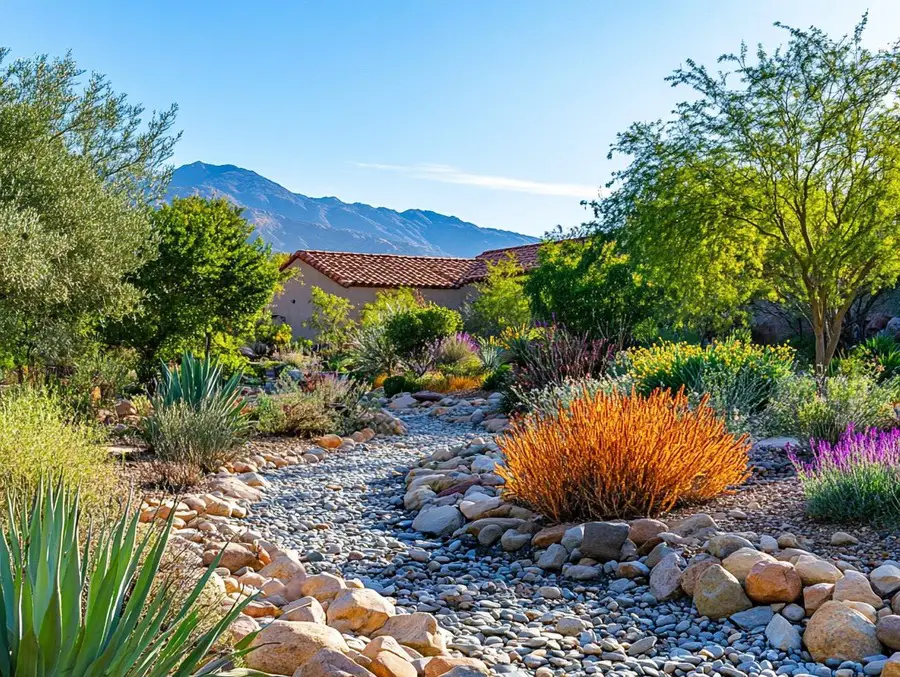
Dealing with pests and weeds is key to keeping your xeriscape garden healthy, as these little challenges can really throw a wrench in plant health and sustainability. By implementing effective pest management strategies—like encouraging beneficial insects and using organic gardening techniques—you can protect your xeric plants without causing harm to the environment.
Being proactive about weed control helps prevent competition for resources, so your garden can stay vibrant and thriving throughout the seasons.
To boost your garden’s resilience, consider using companions like marigolds, which can naturally keep unwanted pests at bay. Plus, mulching is a great way to suppress weed growth and keep moisture locked in.
Regular monitoring is essential; just keeping an eye on your plants can help you spot any suspicious activity early on, allowing for timely intervention. Integrating diverse plant species not only spices up the visual appeal but also attracts a range of pollinators and beneficial insects, creating a balanced ecosystem.
By embracing these organic methods, your landscape will become a harmonious habitat for native wildlife and a sustainable refuge that thrives with minimal fuss.
Cost and Time Considerations
When you’re thinking about xeriscaping, it’s crucial to weigh the costs and time involved in both the initial setup and the long-term savings.
Sure, creating a xeriscape garden might require some upfront cash for drought-resistant plants and hardscaping, but the reduced water usage and lower maintenance can really pay off in the long run.
Plus, embracing landscaping trends that focus on sustainability can boost your property’s value and appeal, making it a smart move for you.
Initial Investment and Long-Term Savings
Understanding the initial investment and potential long-term savings of xeriscaping can really help you make smart choices about your garden design. Sure, there are costs involved in buying drought-resistant plants, soil amendments, and hardscape materials, but think of those as investments. Over time, they often pay off with lower water bills and less maintenance.
Plus, embracing sustainable practices through xeriscaping benefits not just your wallet but the environment, too.
When you choose native plants, you can amp up that cost efficiency even more. They usually need less water and are better suited to your local conditions. While those upfront costs might give you a bit of sticker shock, the savings on water usage—especially in areas prone to drought—can really add up over the years.
With a reduced need for fertilizers and regular landscaping services, those financial benefits just keep piling on.
Don’t forget, a well-established xeriscape can even boost your property value and attract eco-conscious buyers, making it a smart investment for the future.
Xeriscaping for Beginners in Arid Climates FAQs
What is xeriscaping and why is it beneficial for beginners in arid climates?
Xeriscaping is a landscaping method that focuses on using drought-resistant plants and efficient irrigation techniques to conserve water. It is especially beneficial for beginners in arid climates because it minimizes water usage and requires less maintenance compared to traditional landscaping methods.
Do I need any special skills or knowledge to start xeriscaping in an arid climate?
No, xeriscaping is a beginner-friendly landscaping method that does not require any special skills or knowledge. However, doing some research and consulting with local experts can help you make informed decisions about plant selection and irrigation techniques.
What types of plants are suitable for xeriscaping in arid climates?
Drought-resistant plants such as succulents, cacti, and native wildflowers are ideal for xeriscaping in arid climates. These plants have adapted to survive in dry conditions and require less water compared to traditional landscaping plants.
How do I design a xeriscape for my property in an arid climate?
Designing a xeriscape involves selecting the right plants, creating a water-efficient layout, and incorporating natural elements such as rocks and mulch. You can also seek inspiration from other xeriscaped gardens in your area or consult with a professional landscaper for assistance.
What are some water-efficient techniques for xeriscaping in arid climates?
Drip irrigation, mulching, and grouping plants with similar water needs are some common water-efficient techniques used in xeriscaping for arid climates. These techniques help minimize water waste and ensure that plants receive the right amount of water.
Is xeriscaping expensive for beginners in arid climates?
No, xeriscaping can actually save you money in the long run. While the initial investment may be slightly higher, xeriscapes require less maintenance and water usage, resulting in cost savings over time.
Benefits of Xeriscaping: Save Water, Time, and Money
What is xeriscaping? A beginner’s guide to drought-tolerant landscaping