

Assessing your yard for xeriscaping is one of the most important steps before planting anything. Understanding your sun exposure, soil, drainage, and problem areas can help you build a landscape that uses less water and performs better long term.
A quick yard assessment can help you avoid poor plant choices, overwatering, and drainage issues before they start. It also makes planning much easier.
This guide walks through the main things to check before starting a xeriscape so you can build a stronger foundation from the beginning.
What You’ll Learn
- How to assess sunlight and shade in your yard
- How to test soil and drainage before planting
- How to identify problem areas and microclimates
- How to match plants to your yard conditions
- How to plan a stronger xeriscape layout
Quick Answer
Assessing your yard for xeriscaping means checking sun exposure, soil type, drainage, slopes, and existing plants so you can choose the right drought-tolerant plants and reduce future water problems.
Understanding Xeriscaping

Understanding xeriscaping isn’t just about sticking drought-resistant plants in your garden or putting in some water-efficient designs; it’s a whole approach to landscaping that focuses on sustainable water use and environmental health.
With changing climates, adapting your garden becomes really important, making xeriscaping a key practice to save water and reduce the environmental impact of traditional gardening methods.
You can create a stunning outdoor space while promoting plant diversity and providing habitats by using native plants and smart landscaping techniques.
What Is Xeriscaping?
Xeriscaping is a landscaping method designed to reduce water use by building gardens that work with the local climate instead of against it. It focuses on drought-tolerant plants, efficient watering, mulch, and better soil management to create landscapes that stay healthy with less irrigation.
Instead of depending on water-hungry lawns and high-maintenance plantings, xeriscaping uses practical design choices to improve water efficiency while still creating attractive outdoor spaces.
Benefits of Xeriscaping
Xeriscaping offers more than water savings. It can lower maintenance, reduce runoff, improve soil health, and make plant care much easier over time. By choosing plants suited to your yard conditions, you often avoid many of the common problems that come with traditional landscaping.
It also creates stronger habitats for pollinators and beneficial wildlife by using more climate-adapted plants. This helps build a healthier, more balanced outdoor environment.
Environmental and Cost Benefits
One of the biggest advantages of xeriscaping is long-term efficiency. Using less water means lower utility bills and less pressure on local water supplies, especially in drought-prone areas.
Beyond saving money, xeriscaping can reduce erosion, improve moisture retention, and lower the need for fertilizers or pesticides. Over time, this creates a landscape that is easier to maintain and often more resilient than traditional lawns and garden beds.
Assessing Your Yard for Xeriscaping
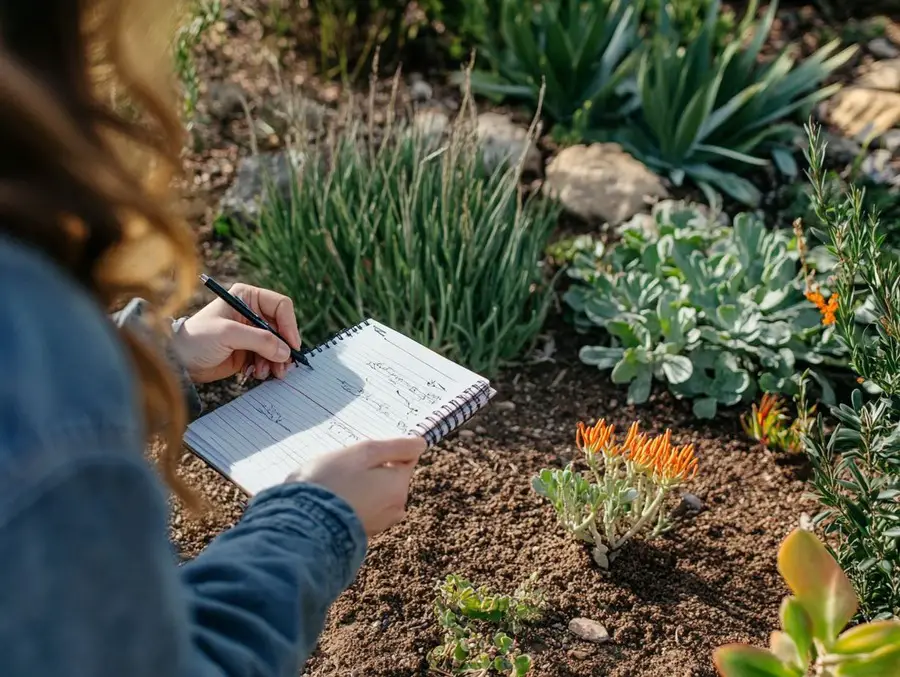
Before you dive into xeriscaping, it’s super important to take a good, hard look at your yard. You’ll want to consider all those factors that affect your landscape’s health and water needs.
Think about doing a thoughtful site analysis that looks at soil types, sun exposure, and the types of plants you already have. Don’t forget to evaluate your drainage solutions and get a grasp on your specific climate zones.
All of this will help set you up for success when you start implementing those xeriscaping techniques.
Factors to Consider
When you’re assessing your yard for xeriscaping, there are several critical factors to consider that can really make or break your landscape design. You’ll want to understand soil moisture levels, sun exposure, and the types of existing vegetation. These elements will guide you in choosing the best plants and sustainable practices needed to create a thriving xeric garden.
Don’t forget to evaluate the hardiness of potential plants, as this will determine how well they can handle your local climate conditions. It’s also a good idea to take stock of any existing garden features, like pathways or retaining walls, since they can impact drainage and the overall look of your space.
And while xeriscaping is all about low maintenance, you’ll still need to think about seasonal upkeep to keep those pesky weeds and pests in check. Taking a proactive approach to pest management, like opting for pest-resistant plants, will help make your xeriscaped environment even more sustainable and resilient.
Preparing Your Yard for Xeriscaping
Preparing your yard for xeriscaping is all about taking some thoughtful steps to set the stage for effective water management and sustainable practices.
You’ll want to start by creating a detailed garden layout that makes the most of sun exposure. Don’t forget to incorporate soil amendments that improve drainage and moisture retention.
Each of these steps plays a crucial role in cultivating a healthy, drought-tolerant environment that supports local plants and wildlife.
Step-by-Step Guide
Getting your yard ready for xeriscaping is a straightforward process, and it all starts with testing your soil. You want to figure out its composition and how well it holds moisture.
Once you’ve got that down, it’s time to set up some effective watering systems that help minimize waste. After assessing your soil and watering needs, you can dive into mulching, which will help keep moisture in and weeds out of your garden.
This preparation phase is super important because it sets the stage for a sustainable landscape. After you know what’s going on with your soil, focus on designing your irrigation system. Think about using drip lines or soaker hoses that deliver water directly to the roots of your plants, making sure you’re using water efficiently.
Don’t forget to schedule your watering during the cooler parts of the day to cut down on evaporation loss. Once you’ve got a solid watering strategy in place, it’s time to choose the right drought-resistant plants.
And don’t skip the organic mulch—using bark or straw not only boosts moisture retention but also gives your xeriscape that polished look while improving soil health as it breaks down.
Choosing Plants for Xeriscaping

Choosing the right plants for xeriscaping is super important. By selecting drought-resistant plants that thrive in your local climate, you can greatly reduce the amount of water you need while also making your garden look fantastic.
Plus, when you emphasize using native plants, you get to create a lively environment that boosts biodiversity and supports local ecosystems. This way, your outdoor space becomes not just beautiful, but also functional!
Types of Drought-Resistant Plants
You’ll find a whole bunch of drought-resistant plants that are perfect for xeriscaping, like native flora, xerophytes, and ornamental grasses. These plants not only love low-water conditions but also add a splash of beauty to your landscape. They’re well-suited to their environment, bringing seasonal color and texture while creating vital habitats for local wildlife.
You might find yourself drawn to species like succulents, agaves, and various types of sedum because they look fantastic and don’t need much water. When you’re planning your plant arrangement, consider adding ground cover options like creeping thyme or blue star creeper.
They can help reduce soil erosion and keep those pesky weeds at bay, making them key players in sustainable gardening.
Choosing the right plants not only helps with water conservation but also supports biodiversity, as many drought-resistant varieties attract pollinators. In the end, picking the right plants can turn any outdoor space into a vibrant, eco-friendly haven that thrives on minimal resources.
Maintaining Your Xeriscaped Yard
Keeping your xeriscaped yard in shape is key to its long-term success and sustainability. With some regular garden maintenance practices, you can make sure your landscape stays vibrant without too much hassle.
By focusing on irrigation efficiency, seasonal upkeep, and smart pest management, you can protect your plants and enjoy a stunning outdoor space while also doing your part for the environment.
Tips for Long-Term Success
To achieve long-term success in your xeriscaped yard, you’ll want to implement a few key practices that promote eco-friendly landscaping and sustainable gardening methods. Regularly checking your irrigation systems, keeping an eye on soil moisture, and adding seasonal maintenance tasks will help ensure your garden stays healthy and vibrant all year round.
By choosing native plants that thrive in your local climate, you can boost the biodiversity of your landscape while cutting down on the need for chemical fertilizers and pesticides. Plus, incorporating mulch is a win-win; it conserves moisture and improves soil health over time.
If you’re passionate about landscape restoration, embracing a mindset of environmental sustainability can create a thriving ecosystem where pollinators and beneficial insects can really flourish. Regularly evaluating the health of your plants and the condition of your soil will give you the insights you need to make even more eco-conscious choices, ensuring your xeriscaped yard not only survives but truly thrives through all the seasons.
Frequently Asked Questions
Why should I assess my yard before xeriscaping?
A yard assessment helps you understand your soil, drainage, and sun exposure so you can make better plant and design choices.
How do I test drainage in my yard?
Dig a hole, fill it with water, and see how quickly it drains. Slow drainage can signal compacted soil or poor drainage areas.
Do I need to test my soil for xeriscaping?
It helps. Knowing your soil type and pH can improve plant selection and help you plan soil amendments if needed.
What are microclimates in a yard?
Microclimates are small areas with different light, heat, wind, or moisture conditions that can affect how plants grow.
Final Thoughts
Assessing your yard for xeriscaping gives you a much stronger starting point. Knowing your sun patterns, drainage, and soil conditions makes plant selection easier and helps avoid costly mistakes.
A little planning now can save water, reduce maintenance, and make your xeriscape far more successful over time.
Explore More Xeriscape Planning Guides
What is xeriscaping? A beginner’s guide to drought-tolerant landscaping -CSU