
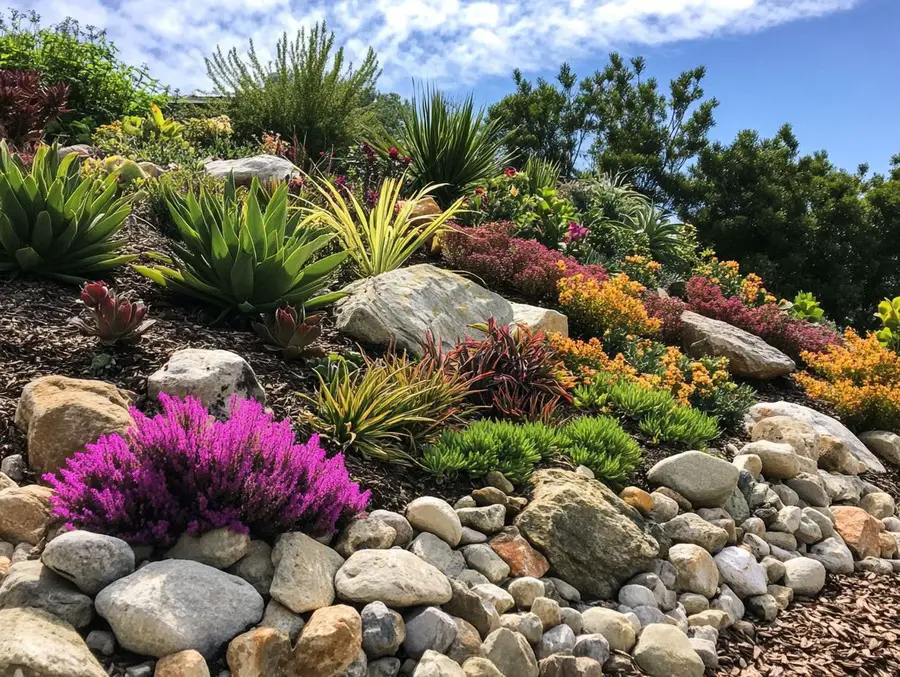
Choosing the right drought-tolerant ground cover can completely change how a dry yard looks and functions. Instead of patchy bare soil, thirsty grass, or high-maintenance planting beds, the right low-water ground cover can help fill space, soften hard edges, reduce erosion, and keep a xeriscape looking more finished.
This drought-tolerant-ground-cover guide is designed to help you sort through the best options for real xeriscape conditions. Some ground covers spread quickly, some stay neat and low, some add flowers, and some work better on slopes or in hot sun.
In this guide, I’ll break down what drought-tolerant ground cover actually means, where these plants fit best, and which types are worth considering if you want a yard that uses less water without looking empty or unfinished.
What You’ll Learn
- What makes a good drought-tolerant ground cover for xeriscaping
- When to use ground cover instead of mulch, gravel, or lawn
- Which types work best for slopes, color, year-round coverage, and lawn replacement
- How to choose the right ground cover for your yard conditions
- Which related ground cover guides to read next
Quick Answer 🌱
Drought-tolerant ground cover includes low-growing plants that spread across the soil while using far less water than traditional grass. In xeriscaping, these plants help reduce erosion, suppress weeds, soften gravel-heavy designs, and fill dry spaces with texture, flowers, or year-round coverage depending on the type.
What Is Drought-Tolerant Ground Cover?
Drought-tolerant ground cover refers to low-growing plants that spread across the soil surface and can handle dry conditions better than traditional turf or thirstier ornamental plants. In xeriscaping, ground covers are often used to reduce exposed soil, cut down on weeds, soften the look of gravel or stone, and add texture without creating a high-water planting area.
That does not mean every ground cover survives on neglect alone. Most still need regular watering while getting established, and some need occasional trimming or division to stay tidy. The goal is not zero care. The goal is a plant layer that uses less water and less work than a standard lawn or a bed full of annual flowers.
Why Ground Cover Matters in Xeriscaping
Ground cover plays a bigger role in xeriscaping than a lot of people realize. It is not just filler. In the right place, it can help tie the whole yard together.
A good drought-tolerant ground cover can help with:
- Covering bare areas between larger plants
- Reducing weed pressure once established
- Holding soil on slopes or berms
- Replacing small sections of lawn
- Adding flowers, texture, or year-round interest
- Softening pathways, borders, and rock-heavy designs
That makes ground cover especially useful in front yards, side yards, hot strips near driveways, and those awkward in-between spaces where grass struggles but exposed mulch looks unfinished.
When to Use Ground Cover Instead of Grass
Grass is not always the best answer, especially in dry climates or areas where irrigation is limited. Ground cover makes more sense when you want a planted look without the water demand and mowing routine of turf.
Ground cover is often a better choice than grass when:
- The area is too steep to mow comfortably
- The soil dries out too fast for healthy lawn growth
- You want a more natural or layered xeriscape look
- The space gets irregular foot traffic instead of daily use
- You are replacing part of a lawn instead of removing all of it at once
If lawn replacement is your main goal, also read Drought-Tolerant Alternatives to Grass for a closer look at options that work better than thirsty turf in dry landscapes.
What Makes a Good Ground Cover for Dry Yards?
Not every low-growing plant belongs in a xeriscape. The best choices are the ones that match your actual conditions, not just the ones that look good in a plant list.
A strong ground cover for xeriscaping usually has several of these traits:
- Low to moderate water needs after establishment
- A spreading or mounding habit that helps cover soil
- Heat and sun tolerance, or shade tolerance if needed
- Good drainage tolerance for rocky or lean soils
- A manageable growth habit that does not become a headache
Some gardeners want blooms. Others care more about evergreen coverage, erosion control, or the ability to handle reflected heat. That is why it helps to think in categories instead of looking for one “best” plant.
Best Types of Drought-Tolerant Ground Cover
The easiest way to narrow your options is to decide what job the plant needs to do. A drought-tolerant ground cover for a slope is not always the same plant you would use between stepping stones or in a front border.
Fast-Spreading Ground Cover
Fast-spreading ground covers are useful when you want bare soil covered sooner, whether that is for appearance, weed control, or erosion reduction. These are often good for larger spaces where slow growers would take too long to fill in.
The tradeoff is that fast growers sometimes need more trimming or more intentional placement. A plant that fills in quickly can also creep beyond its assigned spot if you do not stay ahead of it.
Flowering Ground Cover
Flowering ground covers are a good fit when you want your xeriscape to feel softer or more colorful. They work especially well near paths, borders, mailbox plantings, and smaller focal areas where you can actually enjoy the blooms up close.
This is where plants like verbena, moss rose, alyssum, and snow-in-summer can help add seasonal color without turning the yard into a high-water flower bed.
Ground Cover for Slopes and Hillsides
Sloped ground is one of the best places to use drought-tolerant ground cover. Low-growing plants can help hold soil in place, reduce splash erosion, and make a hillside look more intentional. On a slope, roots matter just as much as looks.
If you are working with a bank, berm, or uneven grade, be sure to also read Xeriscaping for Slopes and Hillsides for broader design and drainage considerations.
Evergreen or Year-Round Ground Cover
Some ground covers shine for a few weeks and then fade into the background. Others stay present most of the year, which can make a yard feel more stable and finished even outside peak bloom season.
This matters a lot in xeriscaping because many dry gardens lean heavily on rock, gravel, and mulch. A dependable green layer can keep the landscape from feeling too stark.
Ground Cover for Lawn Replacement
Some homeowners are not trying to plant around a lawn. They are trying to get rid of one. In that case, the best ground cover choices are the ones that can visually replace turf in selected areas while using less water and less mowing.
This works best in lower-traffic spaces or as a partial replacement strategy where you keep functional lawn only where it is really needed.
Quick Ground Cover Match Guide
Not sure which drought-tolerant ground cover fits your yard best? This quick guide can help narrow it down based on what you actually need the plant to do. Some spread fast, some flower better, and some hold slopes more effectively.
| Need | Better Options |
|---|---|
| Fast spread | Moss Verbena, Ice Plant |
| Flowers | Moss Rose, Alyssum |
| Slopes | Snow-in-Summer, Sedum |
| Evergreen look | Mother of Thyme, Sedum |
| Lawn replacement | Mother of Thyme, Moss Verbena |
This is not a strict rulebook, but it gives you a practical starting point. The best drought-tolerant ground cover still depends on your sun exposure, drainage, slope, and how much traffic the area gets.
Popular Ground Cover Plants for Xeriscaping
You already have several useful plant-specific guides on the site, and these work well as supporting pages inside a larger ground cover cluster. Here are some of the strongest examples to explore next.
Moss Verbena
Moss verbena is one of the better choices when you want flowering color and a spreading habit in a sunny, dry landscape. It can work especially well in borders, slopes, and open beds where it has room to spread naturally.
Read: Moss Verbena Ground Cover
Mother of Thyme
Mother of thyme is a classic low-growing option for sunny spaces, path edges, and smaller areas where a tidy, fragrant ground layer makes sense. It is often chosen for its neat look and soft seasonal bloom.
Read: Mother of Thyme Ground Cover
Ice Plant
Ice plant is a popular choice for hot, sunny, sharply drained spots where other plants may struggle. It is especially common in rock gardens, slopes, and dry borders where bright color and low growth are both needed.
Snow-in-Summer
Snow-in-summer is useful when you want a silvery ground cover with bright seasonal bloom. It stands out more than some greener options and can help lighten the look of a dry planting bed.
Read: Snow-in-Summer Ground Cover
Moss Rose
Moss rose is often used for bright color in hot, sunny conditions. It is especially useful when you want a low-growing annual or warm-season filler that can handle lean soil and reflected heat.
Sedum and Other Low Succulent Ground Covers
Low sedums and similar succulents can be great for rocky beds, borders, and dry pockets where you want form and texture more than lush coverage. These are often best in sharply drained soil and full sun.
Read: Sedum ‘Pride and Joy’ Stonecrop
Read: Sedum oreganum
How to Choose the Right Ground Cover for Your Yard
The best drought-tolerant ground cover depends less on popularity and more on fit. Before planting, think through the real conditions in the space.
- Sun exposure: Full sun, part shade, or shifting light?
- Drainage: Rocky and fast-draining, or heavier soil that stays damp longer?
- Slope: Flat bed, gentle grade, or true hillside?
- Traffic: Decorative only, or will people step through it?
- Goal: Coverage, color, erosion control, evergreen structure, or lawn replacement?
That one short checklist can save a lot of frustration. A plant that is perfect for a dry border may fail on a compacted walkway edge or disappear in partial shade. Xeriscaping works best when plant choice follows site conditions instead of forcing one plant into every role.
Ground Cover vs Mulch vs Gravel: Which Works Best?
One of the most common questions in xeriscaping is whether it makes more sense to use living ground cover, mulch, or gravel. The truth is each one serves a different purpose, and understanding those roles can help you build a yard that looks better, uses less water, and needs less maintenance over time.
A lot of beginners assume they have to choose one or the other, but many of the best xeriscapes combine all three. The key is knowing where each works best and where each can fall short.
When Ground Cover Makes More Sense
Drought-tolerant ground cover works best when you want living plant coverage that fills space naturally. This is often the best choice for softening bare areas, reducing erosion on slopes, and adding seasonal flowers or texture to a dry yard.
Ground cover is especially useful for:
- Slopes and berms that need root stability
- Open spaces between larger shrubs or perennials
- Areas where bare mulch looks unfinished
- Partial lawn replacement zones
- Adding seasonal color in dry landscapes
The tradeoff is that living ground cover still needs time to establish and some occasional maintenance to stay neat.
When Mulch Is the Better Choice
Mulch works differently. Instead of acting as a plant layer, it acts as a protective layer. It helps retain moisture, keeps soil cooler, reduces weed pressure, and protects roots during establishment.
Mulch works best for:
- Freshly planted xeriscape beds
- Around shrubs, trees, and perennials
- Helping young ground covers establish
- Reducing soil evaporation in hot weather
Mulch does break down over time though, which means refreshing it every year or two.
When Gravel Is the Best Option
Gravel is often the backbone of many xeriscapes because it creates permanent structure. It handles heat well, improves drainage, and works especially well in pathways, borders, and desert-style landscapes.
Gravel is best used for:
- Walkways and stepping stone areas
- Dry creek beds and runoff channels
- Rock gardens and desert-style designs
- High-heat areas near pavement or driveways
The downside is that gravel can sometimes feel too harsh or sterile if overused without living plants to soften it.
Quick Comparison
| Option | Best For | Water Use | Maintenance | Look |
|---|---|---|---|---|
| Ground Cover | Coverage, flowers, erosion control | Low after establishment | Moderate | Soft and natural |
| Mulch | Moisture retention, weed suppression | None | Low to moderate | Simple and natural |
| Gravel | Drainage, pathways, hardscape | None | Low | Clean and structured |
The Best Xeriscapes Usually Use All Three
In most real-world xeriscapes, the best results come from combining ground cover, mulch, and gravel instead of treating them like competing options. Gravel creates the hard structure, mulch helps protect roots and improve establishment, and living ground cover softens the look while adding texture, flowers, and natural coverage.
Think of it as layering. Each material solves a different problem. When you combine them correctly, you end up with a xeriscape that looks balanced, functions better, and feels less empty than relying too heavily on just one.
Ground Cover, Gravel, and Mulch Can Work Together
One mistake people make is assuming they have to choose between living ground cover and non-living materials. In many xeriscapes, the best look comes from combining them.
For example, gravel may be the main surface between larger plants, while ground cover softens the edges or fills key pockets. Mulch can help young plants establish while they spread. This layered approach often looks more natural and is easier to manage than trying to blanket every inch with one material.
If you are still shaping the bigger picture, these guides can help:
Final Thoughts
A good drought-tolerant ground cover does more than fill empty space. It helps connect the whole xeriscape, reduces maintenance, and gives dry landscapes a more finished look. The best choice depends on whether you need color, coverage, erosion control, year-round interest, or a lawn alternative, but the bigger point is the same: ground cover can be one of the most useful layers in a water-wise yard.
If you are building out a dry garden step by step, start with the areas where grass struggles, slopes erode, or bare soil keeps showing through. That is often where the right ground cover makes the biggest visual and practical difference the fastest.
More Ground Cover and Xeriscaping Guides
You can also browse more ideas in the Drought-Tolerant Ground Covers category.
🌿 Ground Cover Guides That Work in Dry Yards
Frequently Asked Questions
What is the best drought-tolerant ground cover for xeriscaping?
The best drought-tolerant ground cover for xeriscaping depends on the space. Moss verbena, mother of thyme, ice plant, sedum, and snow-in-summer can all work well, but the right choice depends on sun exposure, drainage, slope, and whether you want flowers, evergreen coverage, or erosion control.
Can drought-tolerant ground cover replace grass?
Yes, drought-tolerant ground cover can replace grass in many areas, especially where foot traffic is light and water savings matter more than having a traditional lawn. Some ground covers work well as partial lawn replacements, while others are better for borders, slopes, or decorative areas.
What ground cover works best on slopes in a dry yard?
Ground cover for slopes in a dry yard should have a spreading habit and roots that help hold soil in place. The best options vary by climate and sun exposure, but slope-friendly drought-tolerant ground cover is usually chosen for erosion control as much as appearance.
Does drought-tolerant ground cover need irrigation?
Most drought-tolerant ground cover still needs regular watering while getting established. After that, many varieties need much less irrigation than turf or thirsty ornamentals, but they usually perform best with occasional deep watering during extended dry periods.
How do I choose the right plant for a drought-tolerant-ground-cover area?
To choose the right plant for a drought-tolerant-ground-cover area, look at sun, drainage, slope, traffic, and your main goal for the space. Some plants are better for bloom, some for year-round coverage, and some for filling large dry areas more quickly.
➡️ Next Post
Next: Drought-Tolerant Alternatives to Grass