
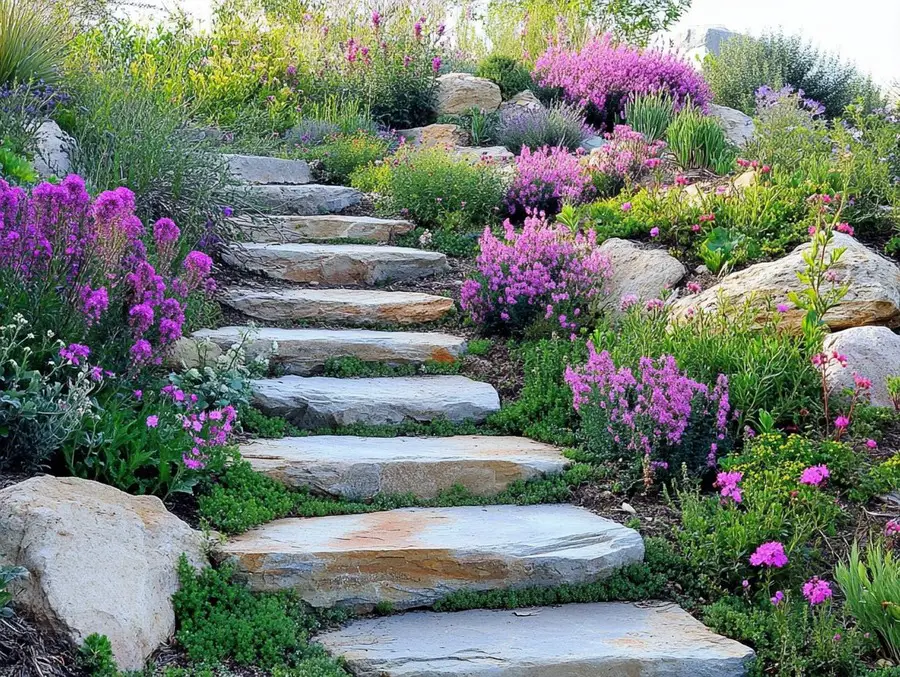
Xeriscaping for slopes and hillsides takes more planning than flat landscapes because water moves faster, soil washes away easier, and plant roots have to work harder to stay established.
The right design can slow runoff, improve drainage, and stabilize the soil while creating a low-water landscape that still looks attractive.
In this guide, you’ll learn how to xeriscape sloped areas using smart plant choices, erosion control, and practical water-saving strategies.
What You’ll Learn
- Why slopes create unique xeriscaping challenges
- How to reduce erosion and slow runoff
- Which plants work best on hillsides
- How terracing and mulch improve water retention
- How to maintain hillside xeriscapes long term
Quick Answer
Xeriscaping slopes and hillsides uses drought-tolerant plants, mulch, terraces, and erosion control methods to reduce runoff, stabilize soil, and create low-water landscapes on uneven ground.
How Xeriscaping Works on Slopes and Hillsides
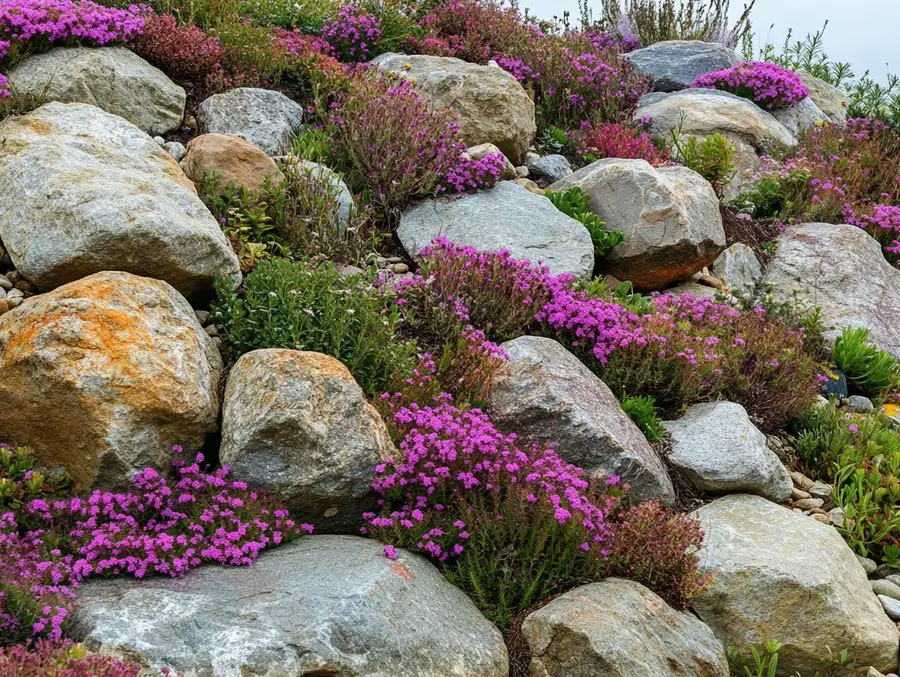
Xeriscaping is a fantastic way to create a sustainable landscape that cuts down or completely eliminates the need for irrigation in dry climates—something to consider as water becomes scarcer and droughts become more common.
This technique emphasizes using drought-resistant plants, setting up efficient irrigation systems, and designing your garden thoughtfully. With xeriscaping, you can craft beautiful outdoor spaces that flourish even in arid conditions.
By embracing these principles, you not only boost the visual charm of your landscape but also promote biodiversity and save those precious water resources.
Defining the Concept
At its core, xeriscaping is all about choosing drought-resistant plants that fit the specific soil types and conditions in your garden. This approach helps you minimize the need for irrigation while still keeping things visually appealing.
By getting to know the unique needs of these xeric plants and how they can work together, you can create a stunning landscape that thrives even in low-water conditions.
Soil moisture retention is a big deal here. By amending your soil with organic materials, you can really boost its ability to hold water. This thoughtful prep work lays the foundation for diverse plant groupings that not only do well in dry conditions but also add interesting textures and colors to your garden.
When you incorporate native plants into your design, you’re giving a nod to the local ecosystem. This choice promotes a balanced environment that attracts beneficial wildlife, enhances pollination, and supports overall biodiversity.
By planning with compatibility and resilience in mind, your xeriscaped garden can become a lasting sanctuary that showcases both beauty and sustainability.
Xeriscaping for Slopes and Hillsides
Regarding xeriscaping slopes and hillsides, you’re up against some unique challenges that need careful planning and execution if you want your garden to thrive and be sustainable.
Slopes can be notorious for soil erosion, especially in areas that get heavy rainfall or have poor drainage. That’s why it’s super important to put effective erosion control strategies in place.
By using native plants and xeriscaping techniques, you can craft a landscape that not only withstands the elements but also boosts the natural beauty of your property—all while promoting water conservation and supporting biodiversity.
Unique Challenges and Considerations
Xeriscaping slopes and hillsides comes with its own set of challenges, like managing soil erosion, ensuring proper drainage, and picking the right plants that can really thrive in those tricky conditions. Factors like the angle of the slope, soil types, and how much sun those areas get all play a big part in determining which drought-resistant plants will do well in your landscape.
To tackle these challenges effectively, you’ll want to start with a solid site analysis before diving into any gardening project. This step not only helps you spot potential erosion risks but also guides you in choosing plants that can adapt to the different microclimates in your yard.
Opting for native or well-adapted species not only boosts a sustainable ecosystem but also keeps your garden visually interesting throughout the seasons. Adding erosion control measures like terracing or using ground covers can help stabilize the soil while adding a touch of beauty.
In the end, a well-planned slope garden can flourish beautifully, showcasing the perfect blend of nature and design.
Benefits of Xeriscaping for Slopes and Hillsides

The benefits of xeriscaping for slopes and hillsides are numerous. You can enjoy improved erosion control and enhanced water conservation, all while creating a sustainable landscaping practice that looks great and serves a purpose.
By implementing effective drainage and choosing drought-resistant plants, you can significantly reduce runoff and soil erosion. Plus, you’ll be promoting biodiversity and providing habitats for local wildlife.
It’s a win-win for both your yard and the environment!
Erosion Control and Water Conservation
When you’re xeriscaping slopes and hillsides, implementing effective erosion control and water conservation strategies is a must. These techniques help keep your soil intact and cut down on water usage in your garden.
Techniques like terracing, planting strategic ground cover, and mulching can help you minimize soil erosion while maximizing water retention in your landscape.
By adding a mix of native plants with deep root systems, you not only provide natural stabilization but also boost biodiversity and support local wildlife.
Building retaining walls with natural stone can do wonders for preventing soil displacement, and directing water runoff away from vulnerable areas will help maintain healthy soil in the long run.
Staying on top of regular maintenance—like checking moisture levels and adjusting your irrigation—will be key to keeping these efforts sustainable over time.
By weaving together these eco-friendly gardening techniques, you can make sure your sloped landscapes not only thrive but also help preserve our precious resources.
Designing a Xeriscape for Slopes and Hillsides
When you’re designing a xeriscape for slopes and hillsides, it’s important to take a thoughtful approach to landscape architecture.
Focus on maximizing drainage, incorporating different hardscape elements, and choosing the right plants to create a cohesive and sustainable garden.
By considering factors like slope angles, soil types, and microclimates, you can craft a garden design that tackles erosion and water conservation while also boosting the overall aesthetic appeal of your property.
Key Elements and Strategies
When you’re tackling xeriscaping on slopes and hillsides, there are a few key elements and strategies to keep in mind. Effective drainage solutions, the right plant combinations, and some well-placed hardscape features can really boost both the functionality and look of your landscape.
Techniques like terracing and adding organic matter to the soil are super important for managing water flow and keeping your plants healthy.
To create an efficient xeriscape, you’ll want to think about the specific needs of the plants you choose. Make sure they’re a good fit for your local climate and soil conditions.
Integrating hardscape elements like gravel paths, stone walls, and decorative boulders can not only help stabilize the terrain but also add some visual flair.
Don’t forget about drainage systems! Thoughtfully designed systems can channel excess rainwater away from your vulnerable plant roots, making your gardening practices more sustainable and minimizing erosion.
In the end, these strategies in landscape architecture do more than just create a pretty space; they help build a resilient ecosystem and an engaging outdoor area you’ll love.
Choosing Plants for Xeriscaping on Slopes and Hillsides
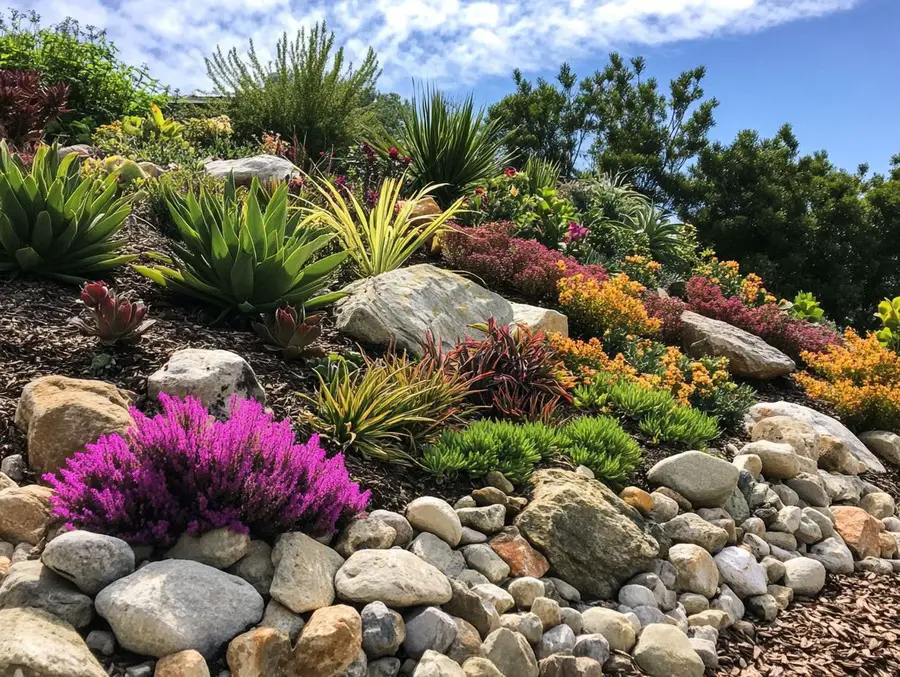
Choosing the right plants for xeriscaping on slopes and hillsides is key to making your garden a success. You’ll want to focus on drought-resistant and erosion-resistant options that can really thrive in those xeric conditions.
By selecting native plants that are adapted to your local climate, you’ll not only boost biodiversity but also create a flourishing ecosystem that needs minimal maintenance. It’s a win-win for you and the environment!
Drought-Tolerant and Erosion-Resistant Options
When you’re picking plants for xeriscaping, it’s crucial to go for drought-tolerant and erosion-resistant varieties to ensure long-term success on those slopes and hillsides.
Think about incorporating ornamental grasses, succulents, and native perennials; they not only thrive in low-water conditions but also help with soil stabilization and boosting biodiversity.
Consider adding species like blue fescue and purple evening primrose to your garden. They’ll not only make it look great but also provide a strong root system that keeps soil erosion at bay.
These plants are tough enough to handle various climates and bloom in different seasons, so you’ll have something visually appealing all year round. Plus, they pair well with other drought-tolerant varieties like sedums and agaves, allowing you to get creative with your landscape while keeping maintenance to a minimum.
By thoughtfully combining these plants, you can create a vibrant garden that not only looks good but also supports local wildlife, making your landscape design environmentally friendly.
Maintenance and Care for Xeriscapes on Slopes and Hillsides
Keeping up with proper maintenance and care for xeriscapes on slopes and hillsides is key to ensuring their long-term success and sustainability, especially in tricky terrains that need a bit more TLC.
By regularly tending to your garden, choosing the right watering techniques, and managing soil health, you can help your xeriscape thrive while also conserving water.
Best Practices for Long-Term Success
To achieve long-term success in your xeriscapes, you’ll want to focus on the best practices that suit your specific environment. Understanding the right watering techniques and care strategies is key. By incorporating organic matter and mulch, you’re not just improving soil health; you’re also boosting moisture retention and cutting down on how often you need to irrigate.
It’s also super important to keep an eye on your soil moisture levels. Regularly checking these will help you tweak your watering schedule, especially during those dry spells. Going for a deep watering approach is a smart move too—it encourages roots to grow deeper, which means better drought resistance.
Don’t forget about seasonal maintenance! This includes clearing away debris, pruning your plants to allow for good airflow, and reapplying mulch to keep those pesky weeds at bay.
Using native plants in your xeriscape can dramatically lessen your water needs, making your gardening efforts more sustainable. By mixing in these techniques, you can create a vibrant, low-maintenance landscape that thrives beautifully with its surroundings.
Frequently Asked Questions
What is the best way to stop erosion on a hillside?
Terracing, mulch, ground covers, and deep-rooted native plants are some of the best ways to reduce erosion and hold soil in place.
Can you xeriscape a steep slope?
Yes. Steep slopes can be xeriscaped, but they usually need better runoff control, stronger plant selection, and sometimes retaining walls or terraces.
What plants work best for hillside xeriscaping?
Ground covers, ornamental grasses, junipers, yarrow, penstemon, and other deep-rooted drought-tolerant plants often work best.
Should I use mulch on a slope?
Yes, but heavier mulch like shredded bark often works better because it stays in place better than lighter mulch types.
Do hillside xeriscapes need irrigation?
Usually yes during establishment. Drip irrigation is often the best choice because it reduces runoff and targets the root zone directly.
Final Thoughts
Slopes and hillsides can be some of the hardest areas to landscape, but xeriscaping gives you practical ways to manage runoff, reduce erosion, and build a stronger low-water yard.
With the right plant choices, proper mulch, and smart water management, even difficult slopes can become stable, attractive, and easier to maintain.
Good planning upfront makes hillside xeriscaping much easier in the long run.
Explore More Xeriscape Design Guides
What is xeriscaping? A beginner’s guide to drought-tolerant landscaping