

Starting small with xeriscaping is one of the easiest ways to reduce water use without taking on a full yard makeover. Instead of changing everything at once, you can focus on one section, solve one problem area, and build confidence as you go.
This approach makes xeriscaping more affordable, easier to manage, and less overwhelming for beginners. It also gives you time to test plants, soil improvements, and watering habits before expanding.
In this guide, you’ll learn how to choose your first section, prepare it, plant it, and maintain it so your xeriscape grows stronger over time.
What You’ll Learn
- Why starting small makes xeriscaping easier for beginners
- How to choose the best section of your yard to convert first
- How to prepare the soil and remove existing plants
- How to choose drought-tolerant plants for one area
- How to expand your xeriscape over time without redoing everything at once
Quick Answer
Starting small with xeriscaping means converting one section of your yard at a time instead of doing a full overhaul. This makes it easier to manage costs, test plants, improve soil, and build confidence before expanding.
Why Start Small with Xeriscaping?
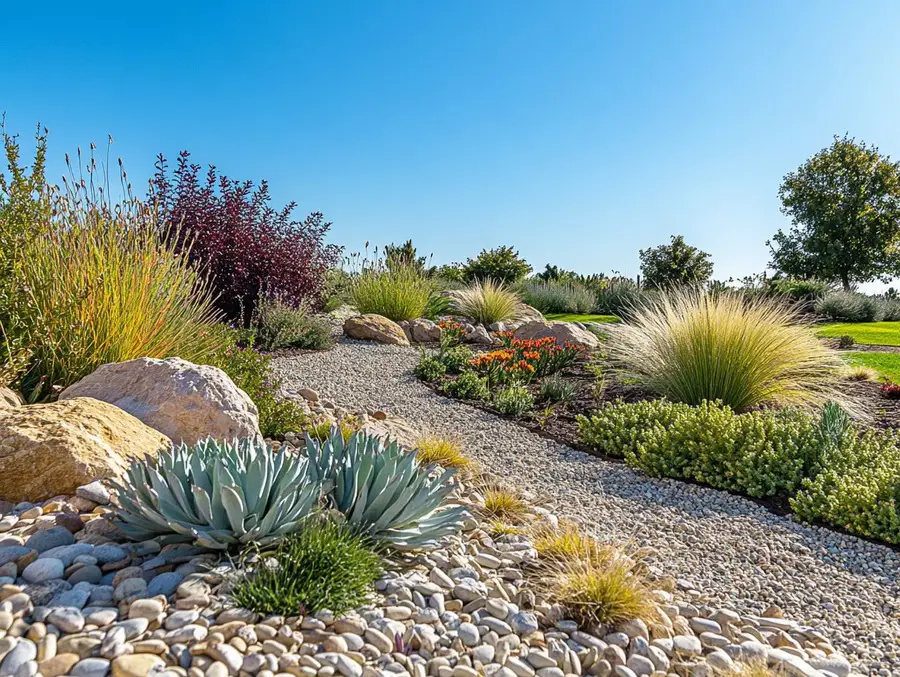
Starting with one section makes xeriscaping easier to manage. Instead of redoing your whole yard at once, you can focus on one area, learn what works, and improve it before expanding.
This helps spread out costs, reduce mistakes, and make the process feel more practical—especially if you’re new to water-wise landscaping.
Starting Small by Xeriscaping One Section
By picking the right plants that suit your local environment, you can cut down on maintenance and support ecological gardening, which boosts biodiversity. Not only does this help combat climate change, but it also nurtures a sustainable relationship with your landscape, providing a cozy habitat for local wildlife while promoting smart water use.
Benefits of Converting One Section at a Time
Working one section at a time gives you more control over your budget, plant choices, and watering setup. It also lets you focus on the areas that waste the most water or cause the most maintenance.
Over time, each small section adds up, making it easier to transition into a full xeriscape without the stress of doing everything at once.
Environmental and Financial Advantages
The environmental and financial benefits of xeriscaping are pretty impressive, giving you a sustainable gardening option that helps both the planet and your wallet.
By using xeriscaping principles, you can drastically cut down on water usage and lower your utility bills while also nurturing a thriving ecosystem that supports biodiversity. This approach encourages the use of drought-resistant plants and efficient irrigation systems that adjust to rainfall patterns, keeping your garden looking lush even during dry spells. Plus, with less need for fertilizers and pesticides, you’re not just making your garden healthier; you’re also reducing your ecological footprint.
Over time, this sustainable gardening technique can lead to some serious savings on plant care and maintenance. You won’t have to water as often, and your plants will require minimal intervention to stay healthy. Homeowners like you can expect lower upkeep costs since xeriscaped landscapes typically need fewer resources. This means you can focus your time and money on other aspects of outdoor design.
Xeriscaping can even boost your property value by creating beautiful, environmentally friendly spaces that demand less ongoing effort. It’s an attractive choice for anyone looking to enhance their outdoor environment without all the extra work.
Planning Your First Xeriscape Section
Planning for xeriscaping is all about taking a thoughtful approach to your garden design. It’s crucial to pick the right plants and create a layout that suits your specific climate zone.
Start by assessing the area you want to turn into a xeriscape. Consider factors like sunlight exposure, soil health, and any existing microclimates.
By following xeriscape principles, you can select native plants and ornamental grasses that will thrive in your local environment, ensuring they grow well and require minimal upkeep. A well-planned garden layout will help with moisture retention and make the most of your space, so your xeriscape ends up being not just sustainable, but also visually stunning.
Assessing the Area and Choosing Plants
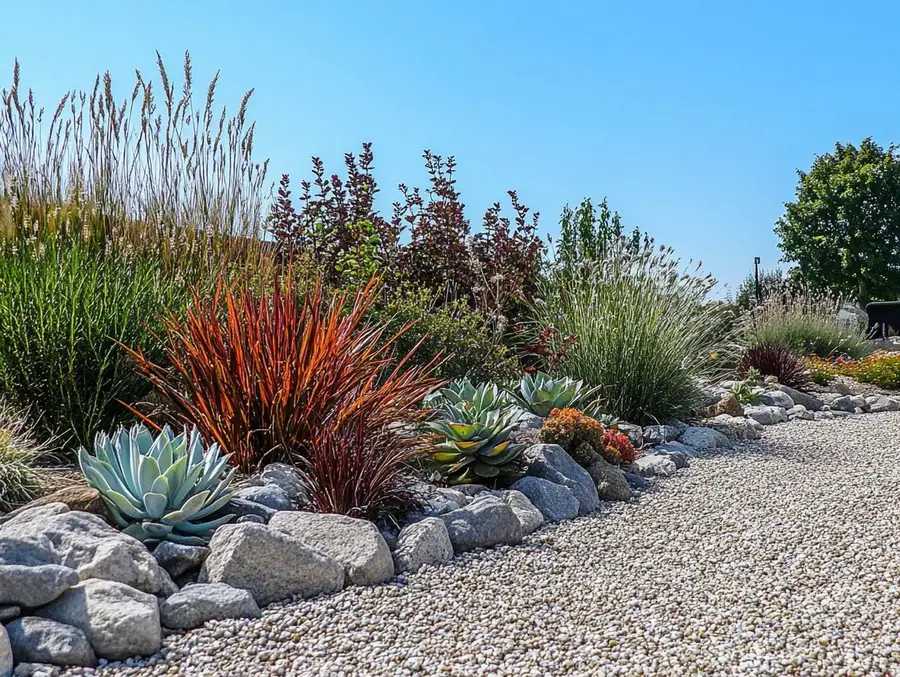
Assessing your area and choosing the right plants are key steps in creating a successful xeriscape. You want to make sure your selections are well-suited to local conditions and climate zones.
Before you get into plant selection, it’s important to prepare the soil properly. Good moisture retention starts with well-amended soil that can support drought-resistant plants. Take a look at your existing soil quality and think about adding some organic matter to improve its structure and drainage.
Knowing local gardening practices will help you choose plants that can thrive even in arid conditions. By picking varieties that are known for their resilience, you’re not just conserving water—you’re also promoting a healthier garden ecology.
Using these strategies will help you create a sustainable landscape that works well with the regional climate, benefiting both your plants and the broader ecosystem.
Preparing the Section for Xeriscaping
When you’re getting ready to tackle xeriscaping, careful planning is key. You’ll want to start by removing any existing plants and really think through your soil preparation strategies that fit with xeriscape principles.
Begin by clearing the area of unwanted vegetation, but be careful not to disturb the existing soil structure too much. Once it’s cleared, focus on boosting soil health with compost and organic amendments to improve moisture retention and nutrient availability.
This groundwork is super important for your xeriscape’s success because healthy soil is what helps drought-resistant plants thrive and supports sustainable gardening practices.
Removing Existing Plants and Soil Preparation
Removing existing plants effectively is a key step in preparing your soil for xeriscaping. This is your chance to start fresh and implement drought-resistant landscaping practices. Begin by using the right garden tools to uproot any unwanted vegetation, but be careful not to disturb the soil too much.
Once you’ve cleared things out, take a moment to assess the soil’s condition. You might find problematic weeds or roots that could affect future growth. Remember, garden maintenance isn’t just about removing plants; amending the soil with organic materials not only improves its structure but also creates a healthy home for beneficial microorganisms.
These landscaping techniques will help you build a resilient environment that supports sustainable plant care.
You might run into some challenges along the way, like stubborn roots or invasive species, but don’t worry. With a bit of careful strategy for removal, you can make a successful transition to a xeriscape that’s both beautiful and functional.
Planting and Maintaining the Xeriscape
Planting and maintaining your xeriscape is key to keeping it looking great and lasting a long time. You want to use effective planting techniques and ongoing care practices that really highlight the benefits of xeriscaping.
When you’re planting, think about the layout and spacing of your drought-resistant plants to make the most of sunlight and moisture. Regular maintenance—like using mulch and setting up proper irrigation systems—will help you create a healthy garden ecology that can thrive in different conditions.
By focusing on plant care and sustainable gardening practices, you’ll watch your xeriscape flourish, giving you a vibrant landscape that benefits both you and the environment.
Planting Techniques and Ongoing Care
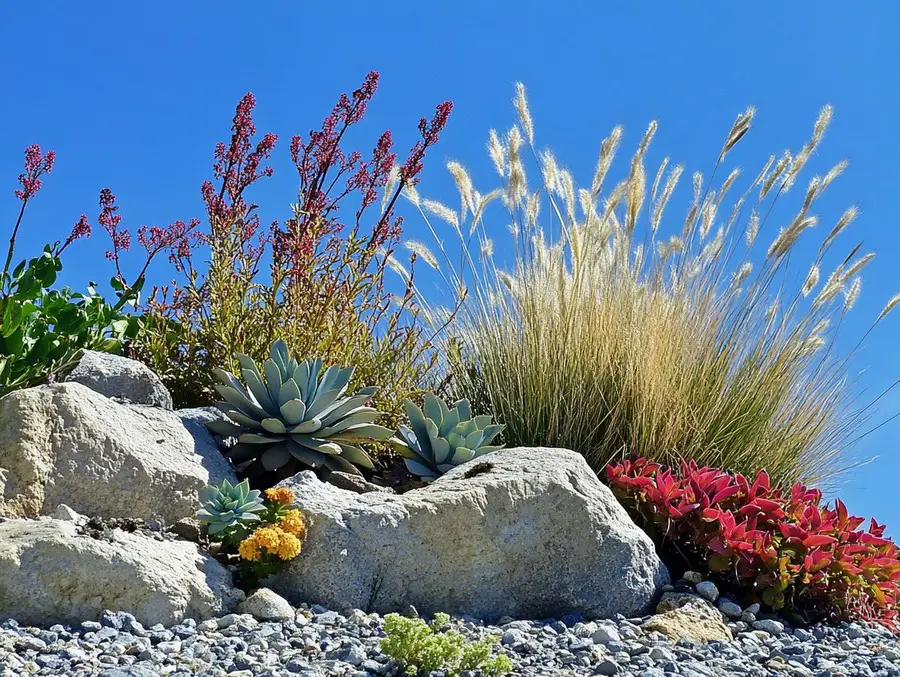
Effective planting techniques are crucial for establishing your xeriscape, ensuring that those drought-resistant plants not only survive but thrive with minimal ongoing care. Start by digging the right holes for each plant, keeping their mature size and spacing needs in mind to promote good airflow and sunlight exposure.
If you want to boost your irrigation game, consider using water-efficient practices like drip irrigation systems. They can really ramp up irrigation efficiency and encourage healthy growth. Plus, don’t forget about regular monitoring and maintenance—things like pruning and applying mulch will keep your xeriscape vibrant with seasonal blooms all year long.
By mixing up various planting techniques, you’re not just helping the ecosystem, but you’re also enhancing the overall look of your garden. Selecting native drought-tolerant species that are well-suited to your local climate allows you to create a visually appealing landscape while aligning with the latest trends in sustainable and ecological gardening practices.
Grouping plants with similar water needs is another smart move; it makes water management a breeze. And let’s not overlook organic mulch—it conserves moisture, suppresses weeds, and simplifies ongoing maintenance, helping you create a thriving, low-maintenance environment that looks fantastic no matter the season.
Troubleshooting Common Issues
Troubleshooting common issues in your xeriscape is key to keeping your garden looking beautiful and thriving, especially when you’re facing pests and the challenges of drought.
If you understand the hurdles that come with xeriscaping—like plant hardiness and seasonal changes—you can tackle potential problems before they arise.
By using integrated pest management strategies, you can keep those pesky pests at bay while ensuring your drought-resistant plants stay healthy and vibrant.
Focus on garden maintenance and put effective solutions into action, and you’ll enjoy all the perks of xeriscaping while being mindful of your environmental impact.
Dealing with Pests and Drought
Dealing with pests and drought in your xeriscape calls for a proactive approach that focuses on irrigation efficiency and organic gardening principles to keep your plants healthy and resilient.
One effective strategy is to regularly monitor your vegetation using the right garden tools. This way, you can spot any issues early on and take action before they become major problems.
You might also want to try companion planting, which can enhance your plant care by naturally repelling insects while promoting growth that thrives even when conditions are tough.
Don’t forget to consider adding organic amendments to your soil; these can help retain moisture and provide the nutrients your plants need. Plus, integrating drip irrigation systems can optimize your water usage, making sure your plants get enough hydration without wasting a drop.
By adopting these sustainable practices, you’re not just supporting the longevity of your garden but also contributing to a healthier ecosystem.
Frequently Asked Questions
Is it better to xeriscape one section at a time?
For many beginners, yes. It spreads out costs, lowers risk, and makes the learning process easier.
What section should I xeriscape first?
Start with high-water areas, dry problem spots, or sections that struggle with poor soil or heat stress.
Can I keep some lawn while xeriscaping?
Yes. Many homeowners reduce lawn space gradually instead of removing it all at once.
How long does one xeriscape section take to establish?
Most sections begin settling in within one growing season, depending on plant type and watering habits.
Final Thoughts
Starting small with xeriscaping is one of the smartest ways to build a water-wise yard without feeling overwhelmed. It gives you the chance to improve one space at a time, test what works, and build a stronger landscape as you go.
One successful section can often lead to bigger changes later. Small steps usually build better xeriscapes.
Explore More Beginner Xeriscape Guides
What is xeriscaping? A beginner’s guide to drought-tolerant landscaping – CSU