
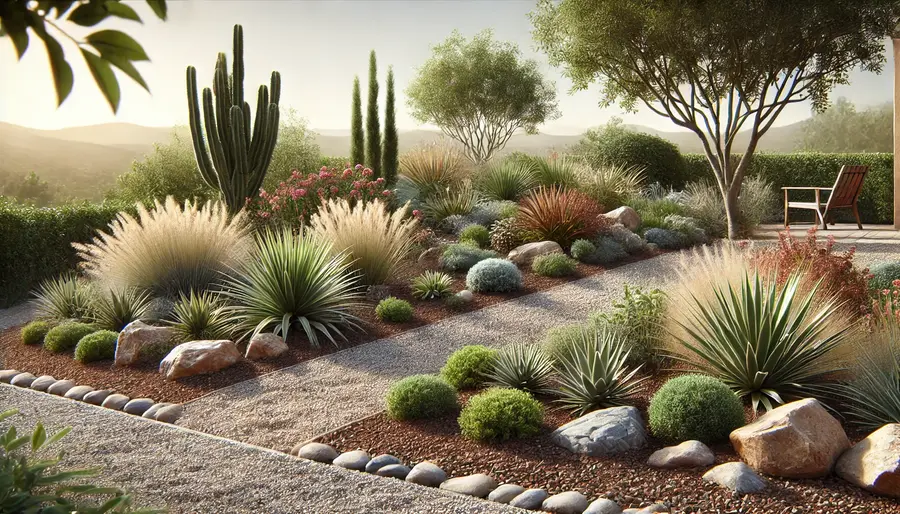
Common beginner mistakes in xeriscaping can turn a low-water landscape into a frustrating mess if you are not careful. Many new gardeners assume drought-tolerant plants can simply be planted and forgotten, but small mistakes early on can lead to wasted water, poor growth, and extra maintenance.
The good news is most xeriscaping problems are easy to avoid once you understand the basics. Simple things like watering correctly, choosing the right plants, and preparing the soil properly can make a huge difference.
This guide covers the most common beginner mistakes in xeriscaping and how to avoid them so your landscape stays healthier, easier to manage, and more water-efficient.
What You’ll Learn
- The most common beginner xeriscaping mistakes
- How overwatering damages drought-tolerant plants
- Why plant selection and soil prep matter
- How mulch and spacing improve long-term success
- How to avoid costly mistakes from the start
Quick Answer
The most common beginner mistakes in xeriscaping are overwatering, choosing the wrong plants, poor soil preparation, skipping mulch, and planting too close together. Avoiding these problems makes a xeriscape easier to maintain and more water-efficient.
Common Beginner Mistakes in Xeriscaping
📌 Focus: Highlighting common pitfalls and how to avoid them
Many beginners make common beginner mistakes in xeriscaping that waste time, money, and water.
You might think you’re setting up a low-maintenance garden, but small missteps—like overwatering or picking the wrong plants—can cause big headaches.
The good news? Avoiding these mistakes is easy once you know what to watch out for!
What is Xeriscaping and Why is it Popular?
Xeriscaping is a smart way to garden when you want a beautiful outdoor space without using tons of water.
It focuses on drought-tolerant plants, efficient irrigation, and soil improvement to create a landscape that thrives in dry conditions.
This method is especially popular in areas with limited rainfall, but it works anywhere if you want to save water and cut down on maintenance.
Definition of Xeriscaping
Xeriscaping is a landscaping approach designed to use minimal water while still keeping plants healthy and visually appealing.
Instead of thirsty grass lawns, xeriscaping relies on native plants, succulents, mulch, and efficient irrigation to reduce water waste.
The goal is to create a sustainable, low-maintenance yard that fits your climate naturally.
Benefits of a Low-Water Landscape
Switching to xeriscaping has major perks:
✅Saves Water – Uses up to 75% less water than traditional landscaping.
✅ Lower Maintenance – Less watering, mowing, and fertilizing.
✅ Cost-Effective – Cuts down on water bills and landscaping costs.
✅ Eco-Friendly – Supports local wildlife and reduces runoff pollution.
✅ Drought-Resistant – Plants stay healthy even during dry spells.
With xeriscaping, you get a stunning yard without the hassle of constant upkeep. It’s a win-win for your wallet and the environment!
Overwatering Drought-Tolerant Plants
Watering too much is one of the most common mistakes in xeriscaping. It might seem like a good idea to give plants extra water, but drought-tolerant plants are built to survive with very little. Too much water can actually weaken them, making them more prone to disease and root rot.
Why Less is More with Xeric Plants
Xeric plants are designed to thrive in dry conditions. Their deep root systems help them access moisture from the soil, and many have waxy or fuzzy leaves to reduce water loss. When you overwater, the roots stay too wet, which prevents the plant from developing drought resistance. This can cause weak growth and make the plant dependent on frequent watering.
Here’s why keeping water levels low is best:
✅ Encourages deep root growth for long-term survival.
✅ Reduces the risk of fungal diseases and root rot.
✅ Helps plants maintain their natural drought tolerance.
Signs of Overwatering
It’s easy to think a struggling plant just needs more water, but that’s not always the case. Watch for these signs of overwatering in your xeriscape:
🍂 Wilting Leaves – Yes, overwatered plants can wilt too! If the soil is wet and the plant looks droopy, it’s likely getting too much water.
🍂 Yellowing Leaves – When roots sit in too much moisture, they struggle to take up nutrients, causing leaves to turn yellow.
🍂 Mushy or Rotten Roots – Healthy roots should be firm and white. If they’re brown and mushy, overwatering is the culprit.
🍂 Fungus or Mold on Soil – If you notice white fuzz or a musty smell around your plants, cut back on watering immediately.
How to Fix It
If you’ve been overwatering, don’t worry—there are ways to fix it!
✅ Check the Soil – Stick your finger an inch into the soil. If it’s damp, skip watering.
✅ Adjust Your Watering Schedule – Most xeric plants only need occasional deep watering.
✅ Improve Drainage – Use sandy or rocky soil mixes and plant in raised beds if needed.
The key to success is letting the plants do what they do best—thrive with less water! 🌿
Choosing the Wrong Plants for Your Climate
Picking the wrong plants is a common beginner mistake in xeriscaping.
Not all drought-tolerant plants thrive in every region. If you choose plants that aren’t suited to your local climate, they may struggle, require extra care, or fail to survive at all.
The key is selecting plants that naturally thrive in your area’s conditions.
Importance of Native and Drought-Resistant Plants
Native plants are one of the best choices for xeriscaping.
They’ve adapted to local rainfall, temperatures, and soil conditions, meaning they require less water and maintenance.
Drought-resistant plants, such as succulents and desert perennials, are also great options because they store water efficiently and can survive extended dry periods.
Here’s why native and drought-resistant plants are a smart choice:
✅ Require Less Water – They’re already adapted to local rainfall levels.
✅ More Resistant to Pests & Diseases – Fewer chemicals and treatments needed.
✅ Support Local Wildlife – Provide habitat for birds, bees, and butterflies.
✅ Better Long-Term Growth – Less maintenance and higher survival rates.
Plant Selection Tips by Region
Not sure which plants work best for your climate? Here are some drought-tolerant options for different regions:
🌵 Hot & Arid (Southwest, Desert)
- Agave
- Red Yucca
- Desert Marigold
- Texas Sage
- Prickly Pear Cactus
🌞 Mediterranean (California, Coastal Areas)
- Lavender
- Rosemary
- California Poppy
- Olive Trees
- Manzanita
🌾 Temperate & Plains (Midwest, Central US)
- Purple Coneflower
- Russian Sage
- Little Bluestem Grass
- Yarrow
- Black-Eyed Susan
🌲 Cool & Mountainous (Pacific Northwest, Rocky Mountains)
- Oregon Grape
- Blue Fescue
- Lewisia
- Penstemon
- Columbine
🌴 Humid & Subtropical (Southeast, Gulf Coast)
- Muhly Grass
- Coreopsis
- Saw Palmetto
- Blanket Flower
- Beautyberry
How to Avoid This Mistake
✅ Research Local Plant Lists – Check with local extension offices or native plant societies.
✅ Visit Xeriscape Gardens – See what thrives in your area before planting.
✅ Mix Perennials & Shrubs – This keeps your landscape thriving year-round.
✅ Group Plants by Water Needs – Place high and low-water plants separately for easier maintenance.
Choosing the right plants means less work, lower water bills, and a stunning xeriscape that stays healthy year after year! 🌿
Poor Soil Preparation
Soil is the foundation of any garden, and in xeriscaping, getting it right is even more important.
Many beginners assume that drought-tolerant plants can thrive in any soil, but that’s not always true.
If the soil doesn’t drain well or lacks nutrients, plants may struggle, leading to poor growth and wasted effort.
How Soil Type Affects Plant Health
Different plants have different soil needs, and drought-tolerant plants typically prefer well-draining, nutrient-rich soil. Here’s how soil type impacts plant health:
✅ Sandy Soil – Drains too quickly and may need organic matter to retain moisture.
✅ Clay Soil – Holds water too long, leading to root rot if not amended properly.
✅ Loamy Soil – Ideal for most xeric plants, offering good drainage and nutrient retention.
✅ Rocky Soil – Drains well but may need added organic material for plant support.
Poor soil can lead to weak roots, stunted growth, and plants that require more water than necessary. That’s why soil preparation is a must before planting.
Best Soil Amendments for Xeriscaping
To create the perfect soil for a drought-tolerant garden, consider these amendments:
🌱 Compost – Improves soil structure, adds nutrients, and helps retain moisture.
🌿 Coconut Coir – A sustainable alternative to peat moss that improves drainage while retaining moisture.
🪨 Perlite & Pumice – Lightens heavy soil and prevents compaction.
🏜 Sand & Gravel – Helps increase drainage in dense clay soils.
🌾 Mulch – Regulates soil temperature and reduces evaporation.
How to Avoid This Mistake
✅ Test Your Soil First – Use a soil test kit to check pH, drainage, and nutrient levels.
✅ Amend as Needed – Add compost to sandy soil for better water retention or gravel to clay soil for better drainage.
✅ Choose Plants for Your Soil Type – Some drought-tolerant plants thrive in sandy soil, while others prefer loamy or rocky ground.
✅ Build Mounded Beds – Raising planting areas slightly can improve drainage.
A little soil prep goes a long way! When your soil is in top shape, your xeriscape will thrive with minimal effort. 🌿💧
Ignoring Mulching Benefits
Mulch is one of the easiest ways to improve a xeriscape, yet many beginners skip it or use the wrong type.
Without mulch, soil dries out faster, weeds take over, and plants struggle to retain moisture.
The right mulch can make all the difference in keeping your xeriscape healthy, water-efficient, and low-maintenance.
How Mulch Retains Moisture and Prevents Weeds
✅ Locks in Moisture – Mulch slows evaporation, helping the soil retain water longer.
✅ Regulates Soil Temperature – Keeps roots cool in summer and warm in winter.
✅ Reduces Erosion – Helps prevent soil from washing away in wind or rain.
✅ Suppresses Weeds – Blocks sunlight from reaching weed seeds, reducing unwanted growth.
✅ Adds Nutrients – Organic mulches break down over time, improving soil health.
Neglecting mulch means watering more often, battling weeds, and dealing with temperature fluctuations that can stress plants.
Best Mulch Types for Xeriscaping
The right mulch depends on your climate, plant choices, and personal preference. Here are some top picks:
🌾 Organic Mulch (Best for Water Retention & Soil Health)
- Shredded Bark – Long-lasting and great for reducing water loss.
- Wood Chips – Decomposes slowly and helps prevent weeds.
- Pine Needles – Ideal for acid-loving xeric plants.
- Compost – Improves soil structure while retaining moisture.
🪨 Inorganic Mulch (Best for Heat Reflection & Low Maintenance)
- Gravel & Pebbles – Excellent for drainage, prevents soil erosion.
- Crushed Granite – Holds heat well and is perfect for desert xeriscapes.
- Lava Rock – Lightweight and helps retain moisture in the soil.
How to Avoid This Mistake
✅ Apply a 2-4 Inch Layer – This depth is ideal for moisture retention and weed control.
✅ Keep Mulch Away from Plant Stems – Too much mulch near stems can cause rot.
✅ Choose Mulch That Matches Your Needs – Organic for soil health, inorganic for heat resistance.
✅ Refresh Mulch Annually – Organic mulch breaks down over time, so replenish as needed.
Adding mulch is a simple step with big rewards! It keeps your xeriscape looking great while making plant care easier. 🌿💧
Not Planning for Growth & Spread
A common mistake in xeriscaping is underestimating how big plants will get.
Drought-tolerant plants may start small, but many have extensive root systems and wide growth habits.
Without proper spacing, your xeriscape can quickly become overcrowded, making maintenance harder and reducing airflow, which can lead to disease and competition for water.
Understanding Plant Size and Spacing Over Time
✅ Mature Size Matters – Plants often grow larger than expected. A small shrub today could be a sprawling bush in a year.
✅ Root Spread is Key – Many xeric plants have deep or wide-spreading roots to seek out water. They need room to thrive.
✅ Overcrowding Hurts Growth – Plants too close together compete for sunlight, water, and nutrients, leading to weaker growth.
✅ Air Circulation is Essential – Proper spacing reduces humidity around plants, helping prevent mold, rot, and pests.
Failing to plan for plant size means extra pruning, more maintenance, and a xeriscape that looks messy instead of well-designed.
Tips for Maintaining an Organized Landscape
🌱 Research Before Planting – Check the mature size of each plant and space accordingly.
🌱 Use Grouping Strategies – Plant in layers, placing taller plants in the back and shorter ones in the front.
🌱 Leave Room for Growth – When planting, allow space for plants to fill in over time without crowding.
🌱 Consider Ground Covers – Low-growing drought-tolerant plants can fill gaps without overcrowding.
🌱 Prune Regularly – Light pruning keeps plants in shape without letting them overtake other plants.
By planning ahead, you’ll have a xeriscape that looks great, stays manageable, and allows each plant to reach its full potential. 🌿✨
How to Avoid These Mistakes & Succeed with Xeriscaping
Avoiding common beginner mistakes in xeriscaping isn’t difficult. It just takes a little planning and the right approach.
With smart plant choices, proper soil prep, and good watering habits, you can create a beautiful, low-maintenance yard that thrives in dry conditions.
Here’s how to get it right from the start!
Easy Fixes for Common Issues
✅ Water Smart – Use deep, infrequent watering to encourage strong roots instead of shallow daily watering. Drip irrigation works best.
✅ Pick the Right Plants – Choose native and drought-tolerant species suited for your climate to ensure success.
✅ Improve Your Soil – Add organic matter or sand if needed to improve drainage and prevent root rot.
✅ Mulch Everything – A thick layer of mulch helps lock in moisture, reduce weeds, and regulate soil temperature.
✅ Plan for Growth – Give plants the space they need to reach full size without overcrowding.
Final Beginner-Friendly Tips
🌱 Start Small – Test a small area before xeriscaping your entire yard to see what works best.
🌱 Group Plants by Water Needs – Keep thirstier plants together and drier plants in separate areas for easier watering.
🌱 Use Hardscaping Wisely – Gravel, rocks, and pathways can add contrast while reducing water use.
🌱 Keep an Eye on It – Xeriscaping is low-maintenance, but occasional checks on soil moisture, plant health, and weed growth keep it looking great.
🌱 Be Patient – A xeriscape takes time to establish, but once it does, it requires little effort to maintain.
By following these simple tips, you’ll enjoy a stunning, water-wise garden that saves money, conserves resources, and looks great year-round! 💧🌿
Frequently Asked Questions
What is the biggest xeriscaping mistake beginners make?
Overwatering is one of the biggest mistakes. Many drought-tolerant plants suffer when the soil stays too wet.
Can I fix a poorly planned xeriscape?
Yes. You can improve drainage, replace poor plant choices, add mulch, and adjust irrigation to improve the layout over time.
Do I need native plants for xeriscaping?
Not always, but native plants usually perform better because they are already adapted to your local climate.
How much water can xeriscaping save?
A well-designed xeriscape can often reduce water use by 50% to 75% compared to traditional lawns.
Final Thoughts
Most beginner xeriscaping mistakes are easy to avoid once you understand how drought-tolerant plants actually grow. The biggest wins usually come from watering less, improving soil, and choosing plants that match your climate.
Start simple, plan ahead, and give your plants room to grow. A little patience early on can save you a lot of time, water, and frustration later.
Explore More Xeriscape Beginner Guides
What is xeriscaping? A beginner’s guide to drought-tolerant landscaping – CSU