
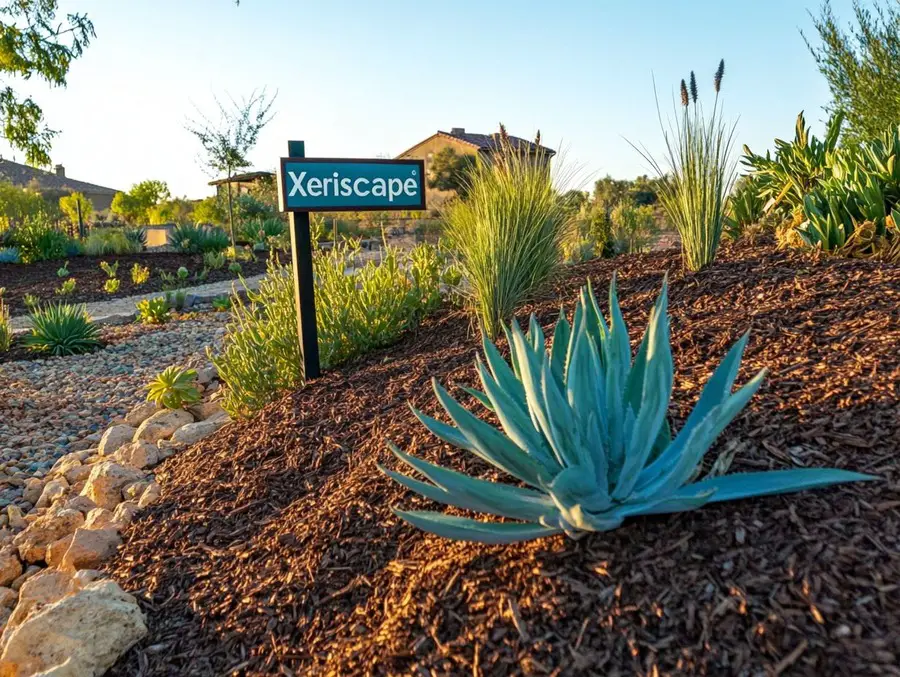
Mulching in xeriscaping is one of the easiest ways to improve moisture retention, reduce weeds, and protect your soil in dry conditions. It’s a simple step, but it can make a big difference in how well your low-water garden performs.
The right mulch helps keep roots cooler, slows evaporation, and improves the overall health of your landscape over time.
In this guide, you’ll learn which mulch works best for xeriscaping, how to apply it properly, and how to keep it working season after season.
What You’ll Learn
- Why mulch matters in xeriscaping
- The difference between organic and inorganic mulch
- How mulch helps save water
- How thick mulch should be for best results
- How to maintain mulch over time
Quick Answer
Mulching in xeriscaping helps conserve water by reducing evaporation, keeping soil cooler, and improving moisture retention. Most xeriscape gardens do best with a 2–4 inch mulch layer.
Mulching in Xeriscaping: The Best Tips for Success
Mulching plays a key role in xeriscaping, which is all about creating a water-efficient landscape that focuses on drought-resistant plants and sustainable practices.
In this article, you’ll explore the many benefits of mulching, such as moisture retention, weed suppression, and soil enhancement.
We’ll dive into the different types of mulch, both organic and inorganic, and you’ll get a step-by-step guide on how to apply it effectively.
You’ll also find tips for choosing the right mulch and keeping it in top shape for optimal performance.
Get ready to discover how mulching can take your xeriscape design to the next level!
The Importance of Mulching in Xeriscaping

Mulching is one of those must-do practices in xeriscaping, which is all about designing landscapes that conserve water and promote sustainability, especially in dry areas.
When you apply different types of mulch, you’re not just making your garden look good.
You’re also boosting soil health, improving moisture retention, and helping those drought-resistant plants thrive.
This approach goes hand-in-hand with being environmentally conscious.
It plays a big role in maintaining ecological balance and cutting down the carbon footprint that comes with traditional landscaping.
Mulch helps regulate soil temperature, making it a key player in effective xeriscaping strategies.
Benefits of Mulching in Xeriscaping
The benefits of mulching in xeriscaping are pretty impressive, affecting everything from soil health to the vitality of your plants and the overall look of your garden.
By effectively suppressing weeds, mulch gives your plants a fighting chance to thrive without competing for nutrients and water, resulting in healthier growth.
For example, organic options like compost enrich the soil as they break down, but bark chips also create a solid barrier that naturally keeps those pesky weeds at bay.
Straw is another great choice; it acts as an insulator that helps retain moisture in the soil, which is crucial in dry environments.
When you apply mulch in layers, make sure it’s at least three inches thick to maximize these benefits.
This thickness helps keep the soil cool and hydrated during hot weather, ultimately promoting strong plant health.
Types of Mulch for Xeriscaping
When you’re diving into mulch for your xeriscaping project, it’s super important to get familiar with the different types out there, both organic and inorganic.
Knowing your options will really help you create an effective and beautiful landscape design.
Organic vs. Inorganic Mulch
Understanding the differences between organic and inorganic mulch is key to making choices in xeriscaping that fit your gardening goals perfectly.
When you’re considering mulch options, it’s important to weigh the benefits and drawbacks of each type.
Organic mulch, like wood chips, straw, and grass clippings, has some serious perks.
It improves soil health as it breaks down, adds nutrients, and promotes beneficial microbial activity.
It’s great for natural pest control since it creates a cozy habitat for predatory insects.
On the flip side, inorganic mulch often made from stones or plastic can do a fantastic job of suppressing weeds and reducing erosion, but it doesn’t have the regenerative qualities that organic materials offer.
Each type comes with its own unique benefits for erosion control, depending on what your landscape needs.
You can even mix and match them with other landscaping options to create a balanced garden ecosystem that thrives.
How to Mulch in Xeriscaping

Knowing how to properly apply and install mulch in your xeriscaping project is essential for making your landscape both visually appealing and functional.
When you get it right, you enhance the look of your space and also enjoy the practical benefits that come with it.
Step-by-Step Guide
Here’s a quick step-by-step guide to help you effectively apply mulch in your xeriscaping project, making maintenance a breeze while keeping your landscape sustainable.
- Start by selecting the right type of mulch—this can really vary based on what your garden needs and the climate where you live. You might want to consider organic mulches like wood chips or straw, which can improve soil health over time, or stick with inorganic options like gravel if you’re in a dry area.
- Once you’ve picked your mulch, aim for a thickness of two to three inches. This will help optimize moisture retention and keep those pesky weeds at bay.
- Next, get your soil ready by removing any weeds and debris. Spread the mulch evenly around your plants, but be careful not to pile it up against the stems.
For ongoing maintenance, remember to replenish the mulch as it breaks down and keep an eye on moisture levels.
This will really help your garden thrive and support your landscape restoration efforts.
Choosing the Right Mulch for Your Xeriscape
When you’re picking the right mulch for your xeriscape, there are a few factors you should consider.
Think about the plants you’re choosing, the local flora in your area, and how much moisture retention those plants will need.
Factors to Consider
When you’re choosing mulch for your xeriscape, you’ll want to keep a few key factors in mind, like what plants you have, how effective the mulch will be, and the overall health of your soil.
The ecological context of your landscape is super important when deciding which type of mulch is best for you.
Different mulch materials can either boost or block beneficial microbial activity, impacting your soil health and fertility.
It’s also essential to know your local climate conditions. Some mulches work better in dry areas, while others thrive in humid ones.
For example, organic mulches like wood chips or bark can help retain moisture and improve your soil, while inorganic options might reflect heat and need less upkeep.
All these factors come together to make your garden resilient, helping it thrive no matter what challenges the weather throws your way.
Mulching Tips for Xeriscaping
To get the most out of mulching in your xeriscape, check out these essential tips that blend effective gardening practices with smart maintenance routines.
Maximizing the Benefits of Mulch
To really maximize the benefits of mulch, you need to pay attention to details like mulch color, moisture retention, and effective weed suppression techniques.
Choosing the right mulch color can seriously elevate the look of your garden.
It can blend seamlessly with your existing landscape while making your plants and flowers pop.
A well-chosen shade doesn’t just look good. It can also reflect heat and light, which could influence how your plants grow.
Making sure you retain moisture is crucial, too. Organic mulches like wood chips or straw do a great job of holding onto soil moisture, which means you won’t have to water as often.
And don’t forget about weed suppression! Using a thick layer of mulch can block light from reaching those pesky weed seeds, dramatically reducing their growth and competing for nutrients.
So you can sit back and enjoy your garden without all that extra hassle!
Mulch Maintenance in Xeriscaping

Regular mulch maintenance is key to the success of your xeriscaping efforts.
It helps keep your garden healthy and visually appealing all year round.
Proper Care and Replacement
Proper care and timely mulch replacement are essential for you to get the most out of your xeriscape.
Mulch helps with moisture retention and weed suppression, so keeping it in good shape is key.
When you apply mulch, aim for a thickness of about two to three inches.
This will help the ground retain moisture while keeping those pesky weeds at bay.
But don’t forget: over time, mulch can deteriorate from all the elements rain, sun, you name it. That’s why it’s important to regularly check on it.
If you notice any of the following signs, it might be time for a replacement:
- A noticeable reduction in thickness
- A fuzzy or moldy appearance
- Weeds starting to poke through
To keep your xeriscape looking healthy, incorporate organic mulch materials like wood chips or shredded bark.
Regularly replenishing them will support the ecosystem and boost your landscape’s visual appeal.
Frequently Asked Questions
What is the best mulch for xeriscaping?
Wood chips, bark, gravel, and compost are some of the best mulch options depending on your plant type and climate.
How thick should mulch be in xeriscaping?
Most xeriscape gardens do best with 2–4 inches of mulch for proper moisture retention and weed control.
Is gravel better than wood mulch?
Gravel lasts longer and works well in hot climates, while wood mulch improves soil as it breaks down.
How often should mulch be replaced?
Organic mulch usually needs refreshing every 1–2 years as it decomposes.
Does mulch really reduce watering?
Yes. Mulch helps slow evaporation, which keeps soil moist longer and reduces how often you need to water.
Final Thoughts
Mulching is one of the most effective tools in xeriscaping because it helps lock in moisture, protect roots, and improve soil over time.
Whether you choose organic mulch or gravel, using the right material can make your low-water landscape easier to manage and more resilient during dry weather.
If you want better water efficiency with less maintenance, mulch is one of the smartest upgrades you can make.
Explore More Water-Wise Xeriscaping Guides
What is xeriscaping? A beginner’s guide to drought-tolerant landscaping-CSU