
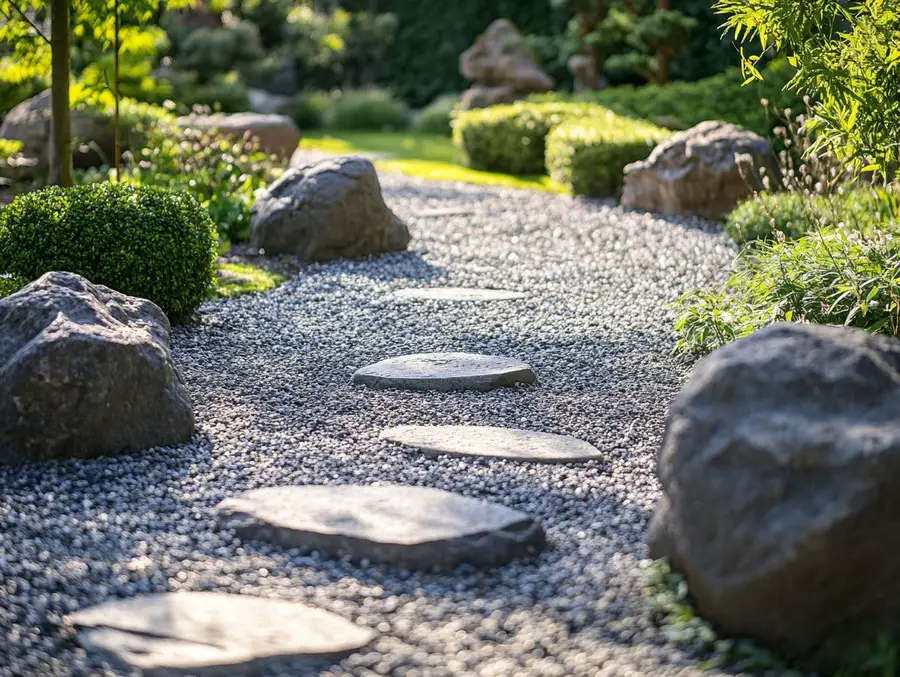
Using rocks and gravel effectively is one of the easiest ways to improve drainage, reduce erosion, and cut down on landscape maintenance. In xeriscaping, these hardscape materials do more than fill space. They help manage water, define planting zones, and add texture that lasts for years.
The key is knowing where to use them and how to combine them with plants, pathways, and mulch so your yard stays functional and looks balanced.
What You’ll Learn
- How to use rocks and gravel in xeriscape design
- Which materials work best for drainage, erosion, and pathways
- How to place rocks and gravel for better function and appearance
- Simple maintenance tips for long-lasting results
Quick Answer
Using rocks and gravel effectively in xeriscaping helps improve drainage, control erosion, reduce maintenance, and create durable pathways or decorative areas. Choosing the right size and placement makes the biggest difference.
How Rocks and Gravel Improve Xeriscape Design
Rocks and gravel are some of the most useful materials in xeriscaping because they combine function with long-term durability. They help move water where it needs to go, reduce runoff, and create stable surfaces that need little maintenance.
Used correctly, they can define garden beds, build pathways, control erosion, and create visual contrast between hardscape and plantings.
Benefits of Incorporating Rocks and Gravel
Rocks and gravel do more than add visual appeal to a xeriscape. They also improve how your landscape functions by helping with drainage, reducing erosion, and lowering maintenance.
In problem areas where water pools or soil washes away, gravel can help direct runoff and stabilize the ground. This makes it especially useful on slopes, pathways, and around planting beds.
Rocks and gravel also help create clear structure in your landscape. They define walkways, separate planting zones, and add texture that contrasts well with drought-tolerant plants and shrubs.
Another major advantage is durability. Unlike organic mulch, rocks and gravel do not break down quickly, which means less replacing and less long-term upkeep. That makes them a practical and cost-effective choice for many xeriscape designs.
Types of Rocks and Gravel
Choosing the right type of rock or gravel can make a big difference in how your xeriscape performs. Some materials are better for drainage, some work better for pathways, and others are mainly used for decoration or erosion control.
The best choice depends on your goal. Whether you’re building a walkway, creating a dry creek bed, or covering bare soil, understanding the basic options will help you use them more effectively.
Common Types and Their Best Uses
Crushed Gravel: A popular choice for pathways and driveways because the angular pieces lock together well and stay in place better than smoother gravel.
Pea Gravel: Small, rounded stones often used for decorative areas, garden borders, and walkways. It looks clean but can shift underfoot more easily.
River Rock: Larger smooth stones that work well for drainage channels, dry creek beds, and decorative borders. They help move water while adding texture.
Decomposed Granite: A compactable material often used for natural-looking paths and patios. It offers good drainage while creating a stable walking surface.
Lava Rock: Lightweight and porous, making it useful for mulch replacement, drainage areas, and adding contrast in desert-style landscapes.
Using the right material in the right place helps improve drainage, reduce maintenance, and create a more functional xeriscape design.
Uses for Rocks and Gravel
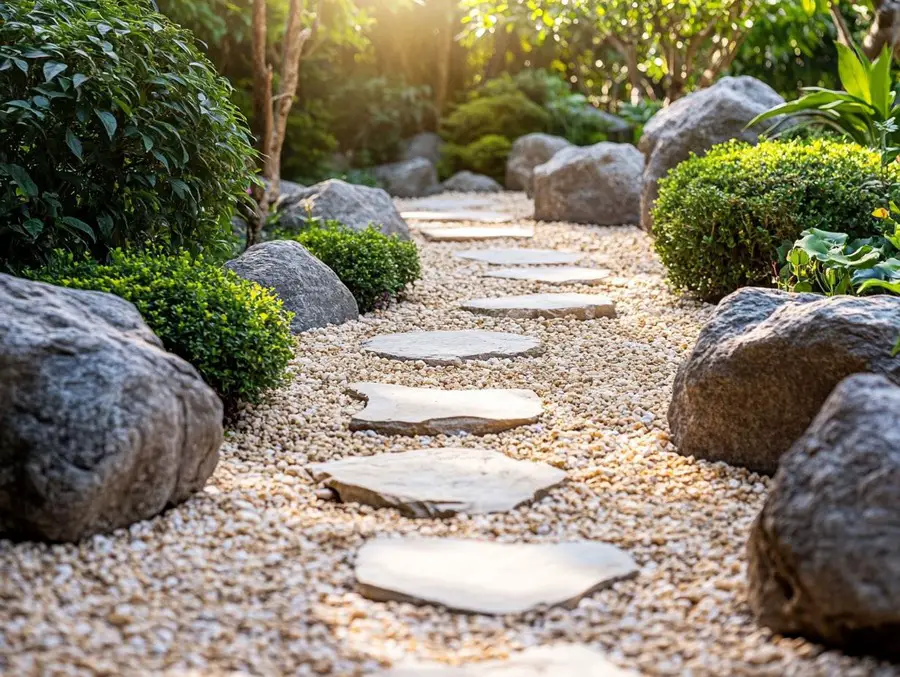
In landscaping and gardening, you can use rocks and gravel to create beautiful garden pathways that make it easier to get around and also add some nice visual flair.
By carefully considering where to place the rocks, you can guide foot traffic while also improving soil health.
You have plenty of options when it comes to the types of stones you can use, each bringing its own unique textures and colors to the mix, setting the vibe for your entire landscape.
Using small stones as ground cover is a smart move. It makes maintenance easier and helps regulate soil temperature, which is great for the health of neighboring plants.
With a little strategic thinking in how you arrange these materials, you can create a smooth transition between hardscapes and softscapes, encouraging a thriving environment for a variety of plant species.
By thoughtfully selecting and positioning the rocks, you can create microhabitats for beneficial insects and wildlife, ultimately leading to a flourishing ecosystem that benefits your garden as a whole.
Proper Placement and Installation
Proper placement and installation of rocks and gravel are key to getting the most out of your landscaping projects.
When you use effective installation techniques, you can create strong drainage systems that keep water from pooling and manage surface runoff like a pro.
Incorporating gravel stabilizers can make your pathways more accessible while still looking great.
By understanding how to strategically position rocks, you’ll boost functionality and elevate the overall design of your outdoor space.
Tips for Effective Use
To make the most of rocks and gravel in your landscaping, you’ll want to keep some practical tips in mind.
First, choose the right type of gravel based on what you need it for, whether that’s drainage solutions or spicing up your decorative features.
Using proper installation techniques can really improve the design and reduce your future maintenance headaches.
Don’t forget about weed control. It’ll help keep your garden pathways looking sharp.
When you’re laying down gravel, be sure to create a stable base with landscape fabric.
This stops weeds from popping up and also allows for proper drainage.
Aim for a gravel layer that’s at least two to three inches deep to handle foot traffic without a hitch.
A little regular raking and replenishing will keep your surfaces looking level and fresh.
To manage weeds, consider going the organic route with mulch or a non-toxic herbicide to keep those unwanted plants at bay without harming the environment.
These strategies will give you a beautiful landscape and make sure your gravel features last longer and function well.
Maintenance and Long-Term Care
To keep your landscape looking fantastic, you’ll want to focus on regular maintenance and long-term care for your rocks and gravel.
This means keeping an eye on erosion control and making sure everything stays stable and visually appealing as the seasons change.
Periodic maintenance can help you avoid degradation and extend the life of your installations, ensuring your outdoor design remains beautiful and functional for years to come.
Finding a regular maintenance schedule is crucial for preserving the integrity of your landscaping.
How to Keep Rocks and Gravel Looking Great
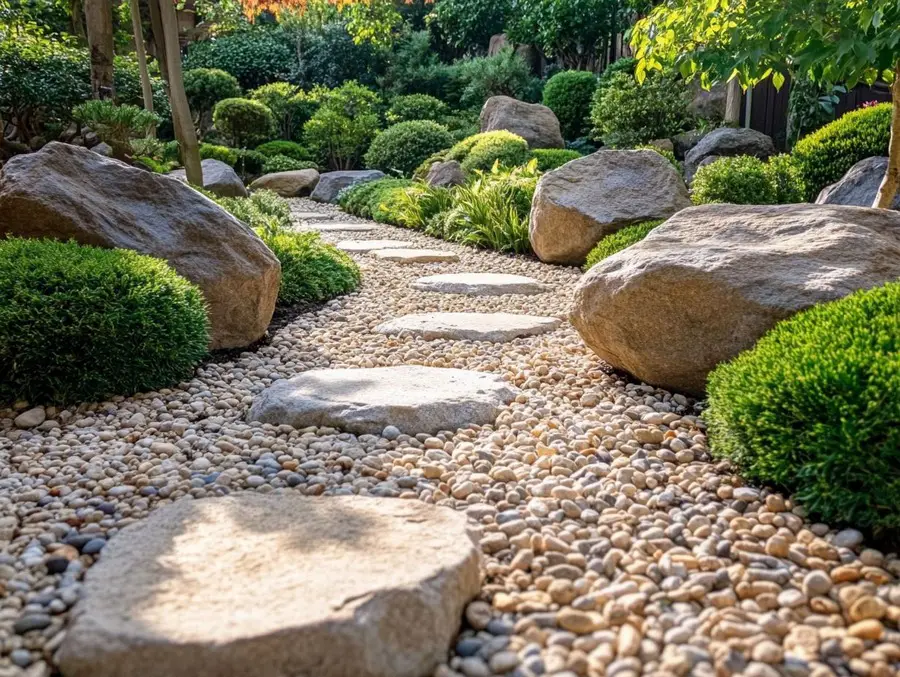
Keeping your rocks and gravel looking sharp takes a bit of consistent maintenance and a keen eye for detail.
It’s not just about a quick clean-up here and there; you really want to take a holistic approach.
For example, using mulch or landscape fabric under your gravel can work wonders for controlling weeds and cutting down on how often you need to weed.
Every now and then, think about replenishing your gravel or rocks to keep them looking full and textured, which definitely adds to the overall appeal.
If the weather tends to dull their shine, applying a layer of decorative stone sealer can help bring back that sparkle.
By weaving these strategies into your routine, you can keep your stone landscaping healthy and looking great.
Considerations Before Using Rocks and Gravel
Before you jump into adding rocks and gravel to your landscaping, take a moment to think about a few key factors, especially their environmental and ecological impact.
Sure, these materials can really spruce up your outdoor space, but it’s crucial to consider where they’re sourced from and how sustainable they are.
You’ll also want to look into the cost-effectiveness of different rock types and how they can improve your soil.
By taking this well-rounded approach, you can make sure your project turns out both stunning and responsible.
Environmental Impact and Cost
Assessing the environmental impact and cost of using rocks and gravel is crucial for any landscaping project you take on.
Quarrying these natural resources can lead to significant ecological issues, so it’s important to choose sustainable materials that help minimize this impact.
By understanding the cost-efficiency of different rock types, you can strike a balance between your budget and eco-friendly practices, leading to a more responsible landscaping approach.
This relationship between rock selection and financial implications is key for both short-term projects and long-lasting installations.
For example, while some materials might have a lower initial purchase price, their hidden costs related to environmental degradation can easily overshadow those immediate savings.
You’ll want to consider factors like the energy consumed during extraction, transportation emissions, and the potential for habitat disruption.
By opting for responsibly sourced aggregates that adhere to sustainable quarrying practices, you’ll support natural resource management and enhance the overall integrity of your landscaping design without breaking the bank.
Final Thoughts
Using rocks and gravel effectively can make a xeriscape easier to maintain while improving drainage, reducing erosion, and adding long-lasting texture to your landscape. They’re one of the simplest ways to strengthen both the function and appearance of a dry garden.
Start with one area like a pathway, border, or drainage zone and build from there. Small hardscape improvements can make a big difference in how your xeriscape performs over time.
Explore More Xeriscape Design Guides
What is xeriscaping? A beginner’s guide to drought-tolerant landscaping