
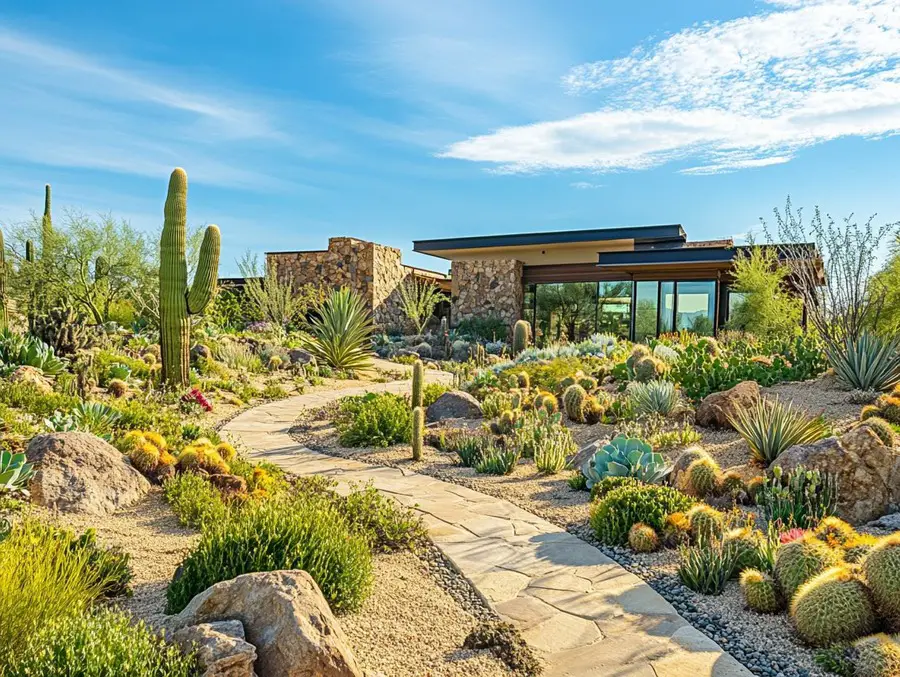
Low-maintenance xeriscaping design is one of the best ways to build a yard that looks good without constant watering, mowing, or upkeep. Instead of fighting dry conditions with thirsty plants, xeriscaping uses drought-tolerant plants, efficient watering, and practical layout choices to make outdoor spaces easier to manage.
A well-designed low-maintenance xeriscape can save water, reduce yard work, and still provide color, texture, and structure throughout the year. The goal is simple: work smarter with your landscape, not harder.
What You’ll Learn
- How to design a low-maintenance xeriscape layout
- Which plants need the least water and upkeep
- How to use mulch, hardscape, and irrigation efficiently
- Ways to make xeriscaping easier long-term
Quick Answer
Low-maintenance xeriscaping design uses drought-tolerant plants, mulch, efficient irrigation, and smart hardscaping to reduce water use and minimize yard work while keeping landscapes attractive and functional.
Understanding Xeriscaping
Xeriscaping is a landscaping approach built around water efficiency. Instead of relying on thirsty lawns and high-maintenance plants, it uses drought-tolerant species, better soil management, and smart irrigation to create a landscape that fits the climate.
The goal is to reduce water use while still creating an attractive and functional outdoor space. This makes xeriscaping a practical choice for dry climates, sloped yards, and homeowners who want less maintenance over time.
What Is Xeriscaping?
At its core, xeriscaping is about working with your environment instead of against it. That means choosing plants adapted to your local rainfall, improving soil so it holds moisture better, and using efficient watering methods like drip irrigation when needed.
It also includes hardscape features like gravel, stone paths, and permeable pavers to reduce planted space and improve drainage. These elements help create a cleaner, more manageable landscape while cutting back on water use.
Benefits of Low-Maintenance Xeriscaping
A low-maintenance xeriscape does more than save water. It can lower yard work, reduce long-term costs, and improve plant survival by matching the right plants to the right conditions.
Because xeriscape plants are chosen for their resilience, they often need less fertilizer, less pruning, and fewer replacements. That means less work for you and fewer resources used over time.
Environmental and Financial Advantages
One of the biggest advantages of xeriscaping is long-term efficiency. Using less water lowers utility bills, while reducing lawn space cuts back on mowing, fertilizing, and general upkeep.
There are environmental benefits too. Native and drought-tolerant plants help support pollinators, improve biodiversity, and reduce the need for chemical inputs. Over time, this creates a healthier, more balanced landscape that costs less to maintain and works better with your climate.
Designing a Xeriscape Landscape
Designing a xeriscape landscape is all about thoughtful planning and grasping those xeriscaping techniques that make the most of your space while keeping sustainability in mind.
You’ll want to assess your site, find effective drainage solutions, and group your plants strategically to fit the unique layout of your garden.
By incorporating native plants and perennials, you not only make your garden look great but also set it up to thrive in your local microclimates.
When you focus on low-maintenance and functional design, your xeriscape can really flourish with minimal effort, giving you beautiful outdoor spaces to enjoy.
Key Elements and Principles
The key elements and principles of xeriscaping focus on helping you create a harmonious balance between aesthetics and functionality in your garden design—all while conserving water.
By incorporating drought-resistant plants, you can make sure that vibrant flora thrives even in dry conditions, giving you visual appeal without guzzling excessive water. Efficient irrigation systems, like drip irrigation or rainwater harvesting, are crucial for cutting down your overall water usage while still providing enough moisture to keep those roots happy.
Using soil conservation techniques, such as mulching and adding organic matter, can significantly enhance water retention in the soil, helping to foster a sustainable ecosystem.
By implementing these strategies, you’re not just supporting the planet; you’re also opening the door to innovative designs that boost your garden’s charm, proving that sustainability and beauty can absolutely go hand in hand.
Choosing the Right Plants for Xeriscaping
Choosing the right plants for xeriscaping is super important if you want a landscape that thrives on low water use. You’ll want to focus on drought-tolerant and native species that are well-suited to your local conditions.
This way, you can create a beautiful, sustainable outdoor space that doesn’t require a ton of water.
Drought-Tolerant and Native Species
Drought-tolerant and native species are the secret sauce for successful xeriscaping, helping you create vibrant landscapes that need minimal irrigation.
These tough plants, from succulents and cacti to hardy grasses and colorful wildflowers, are perfect for handling dry conditions while making your outdoor spaces look beautiful. They thrive in different local climates—whether you’re by the coast, up in the mountains, or out in the desert—so you can choose species that will grow well with just a little water.
Plus, these plants are essential for supporting local wildlife habitats, offering food and shelter for pollinators and other helpful critters.
By adding these varieties to your garden, you’re not just promoting plant diversity; you’re also making a positive impact on the ecosystem and creating a sustainable environment that works in harmony with nature.
Xeriscaping for Different Terrains
Regarding xeriscaping on different terrains like slopes and hillsides, you’ll want to use specific strategies and techniques to tackle the unique challenges that the topography presents.
Strategies for Slopes and Hillsides
When you’re implementing effective strategies for slopes and hillsides, you’re really setting the stage for successful xeriscaping. Erosion control and proper drainage solutions are essential in this process.
To create a resilient landscape, consider incorporating techniques like terracing. This creates those stepped levels that not only reduce runoff but also promote water absorption.
Planting ground cover plants is a great move too; they not only make your area look more attractive but also protect the soil from erosion by creating a dense mat of roots. And don’t forget about mulch—it’s a superstar for retaining moisture in the soil, which means less frequent watering for you.
By using these methods together, you can significantly improve your landscape’s sustainability, ensuring your garden stays efficient and thriving, even when the going gets tough.
Maintaining a Xeriscape Garden
To keep your xeriscape garden thriving and looking great, you’ll need to use some specific techniques.
Focus on irrigation efficiency and adopt effective maintenance practices to ensure its longevity and beauty.
Efficient Watering and Maintenance Techniques
Efficient watering and maintenance techniques are key to keeping your xeriscape garden thriving in the long run, helping you optimize plant health and moisture retention.
Using methods like drip irrigation can really boost your water efficiency by delivering moisture straight to the plant roots, cutting down on evaporation and runoff. Plus, if you incorporate rainwater harvesting systems, you can collect and store rainfall for later use, which is a great way to promote sustainability.
Don’t forget about seasonal adjustments! Depending on the time of year, you might need to tweak your watering schedule to align with your plants’ growth cycles. Implementing best practices like mulching and choosing drought-tolerant species will help maintain soil moisture and reduce the need for constant watering.
Together, these techniques can create a flourishing xeriscape garden that needs less water and maintenance from you.
Frequently Asked Questions
What is the easiest xeriscape to maintain?
The easiest xeriscapes use native plants, gravel mulch, simple irrigation, and fewer plant varieties. Keeping the layout simple usually makes maintenance easier.
Does xeriscaping eliminate watering?
No. Xeriscaping reduces watering but does not remove it completely. Most plants still need water during establishment and during extreme drought.
What plants are best for low-maintenance xeriscaping?
Good options include agave, lavender, yarrow, penstemon, ornamental grasses, sedum, and many native shrubs depending on your region.
Is mulch important in xeriscaping?
Yes. Mulch helps hold moisture, suppress weeds, and protect soil from drying out, making maintenance easier.
Final Thoughts
A low-maintenance xeriscape does not have to be complicated. By focusing on drought-tolerant plants, efficient watering, and practical design choices, you can build a yard that uses less water and needs far less upkeep than a traditional lawn.
Start with a simple layout, choose plants that fit your climate, and use hardscape and mulch to reduce maintenance even more. Over time, these small decisions can create a landscape that looks better and works harder for you.
Explore More Xeriscape Design Guides
What is xeriscaping? A beginner’s guide to drought-tolerant landscaping – Colorado State University