
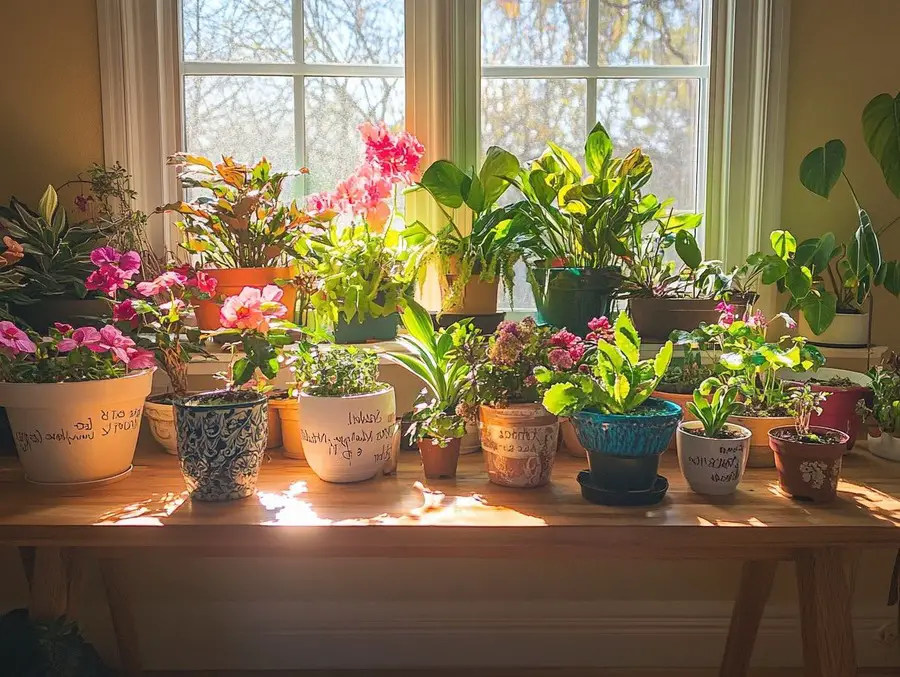
Grouping plants by water needs is one of the smartest ways to improve watering efficiency in xeriscaping. Instead of treating every plant the same, this method helps you match irrigation to what each zone actually needs.
If some plants always seem overwatered while others dry out too fast, poor grouping is often the reason.
In this guide, you’ll learn how hydrozoning works, how to group plants more effectively, and how this simple change can save water while improving plant health.
What You’ll Learn
- How hydrozoning works in xeriscaping
- Why plant grouping reduces water waste
- How to build low, medium, and high-water zones
- Common grouping mistakes to avoid
- How better grouping improves plant health
Quick Answer
Grouping plants by water needs means placing plants with similar moisture requirements together so they can share the same irrigation schedule. This improves watering efficiency and reduces waste in xeriscaping.
Understanding Plant Water Needs
Understanding your plants’ water needs is key to keeping them healthy and promoting sustainable gardening practices.
Different plants have unique requirements based on their characteristics, the type of soil they’re in, and the environmental conditions they face.
For example, moisture-loving plants and drought-tolerant ones have different adaptations that affect how much water they need.
By checking the soil moisture levels, you can plan your watering schedule more effectively, making sure each plant gets just the right amount of hydration to thrive.
Don’t forget that things like climate adaptation and seasonal watering are also important for maintaining a healthy garden ecosystem.
Factors that Affect Water Requirements
Several factors play a big role in figuring out how much water your plants really need, so it’s crucial to get a handle on these influences for effective plant care.
Environmental conditions like temperature and humidity can have a huge impact on your plants’ hydration needs.
The type of soil you’re working with and its ability to retain moisture can either help or hinder your plants’ access to water.
Different plant categories like succulents, perennials, and annuals have their own specific moisture preferences, which can affect how they react to their environment.
For instance, succulents love dry conditions and don’t need a lot of water, while tropical plants often crave more consistent moisture to really thrive.
Adding soil amendments like compost and mulches can boost nutrient levels and improve soil structure, helping it retain moisture more effectively.
By understanding these interconnected elements, you can choose the right plants and create a more resilient, water-efficient garden that aligns with sustainable practices.
Plants with High Water Needs
When you think about plants that love water, moisture-loving plants often steal the show in lush, vibrant gardens.
These beauties thrive in consistently moist conditions, making them perfect for spots like rain gardens or right next to water features.
It’s important for you to understand their specific irrigation needs so you can keep them healthy and help them flourish throughout the seasons.
Types of Plants and their Water Needs
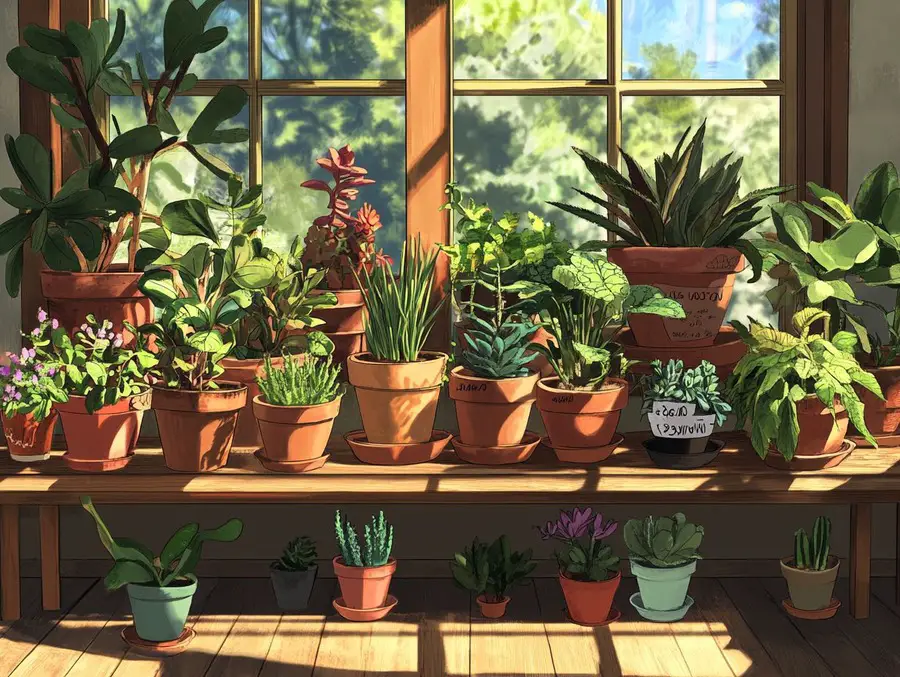 Different types of plants have varying water needs, with some moisture-loving plants craving more frequent hydration compared to drought-tolerant varieties.
Getting a grasp of these differences allows you to create effective watering schedules that cater to the unique needs of each plant type.
Take ferns and astilbes, for example. They thrive in damp, shaded areas and need regular watering to keep their lush foliage looking fabulous, making them perfect for woodland gardens or shaded borders.
On the flip side, succulents like agave and sedum are pros at storing water, which means they can thrive in arid climates or rock gardens with just a sprinkle of irrigation.
In your gardening adventures, finding the right balance between ornamental plants like hydrangeas, with their stunning blooms, and functional plants like tomatoes or peppers, which are great for cooking, is key to creating a space that’s both beautiful and productive.
Understanding these contrasting roles in landscaping is essential—it ensures that both the aesthetic and practical aspects of your garden are spot on.
Plants with Moderate Water Needs
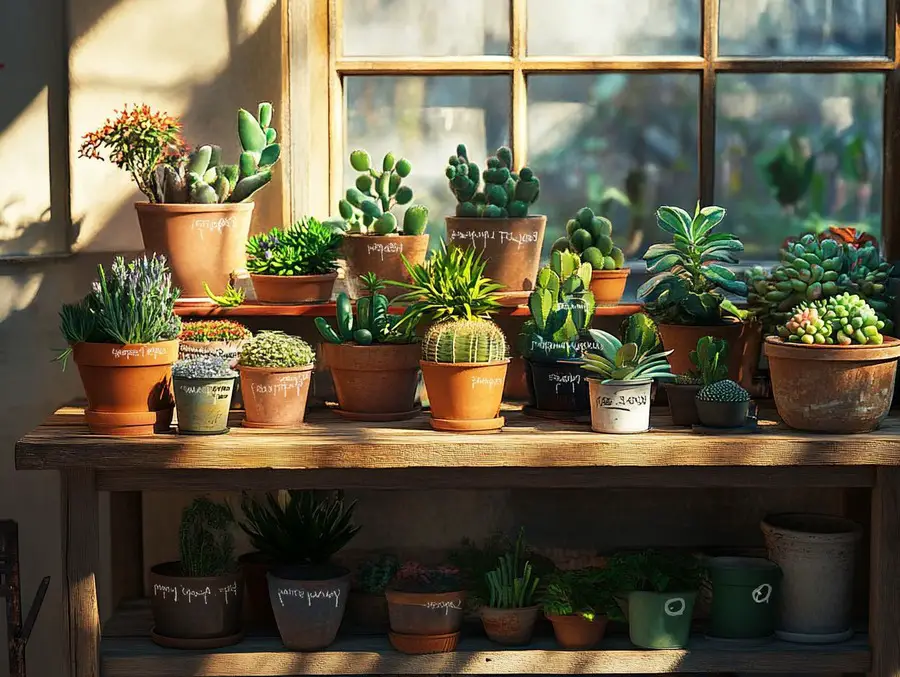
Plants with moderate water needs are like the Goldilocks of the garden, perfectly balancing between those that love moisture and those that can handle a drought.
They’re a fantastic choice for all sorts of garden designs. You’ll find that these plants can handle a bit of dryness but still need regular watering to thrive.
This versatility makes them suitable for different climate zones, so you can enjoy a lush garden no matter where you are.
Types of Plants and their Water Needs
Understanding the types of plants that have moderate water needs is key for effective garden planning and maintenance.
These plants can adapt well to various garden zones, and they require specific watering techniques to thrive, which helps them contribute positively to the overall ecosystem.
Some popular options you might consider are ornamental grasses like Miscanthus sinensis.
They need moderate moisture and can also handle short dry spells without throwing a tantrum.
Lavender is another fantastic choice; once it’s established, it’s quite drought-resistant, but it does love some deep watering early on to get it going.
Then there’s the native Coneflower (Echinacea purpurea), which thrives on consistent moisture during its blooming season, boosting its resilience.
These plant selections make your garden look great and promote biodiversity by attracting pollinators and providing a variety of habitats.
So, when you’re crafting your dynamic and sustainable garden environment, these plants are definitely ones to keep in mind.
Plants with Low Water Needs
Plants with low water needs, often called drought-tolerant plants, are essential for your water conservation efforts and sustainable gardening.
These tough varieties are built to thrive in dry conditions and need very little irrigation, which makes them perfect for xeriscaping and creating an eco-friendly landscape.
Types of Plants and their Water Needs
Drought-tolerant plants come in all shapes and sizes, each with its own unique traits that help them thrive on minimal water.
Picking the right drought-tolerant species is key to managing water effectively and boosting soil moisture retention in your garden.
Take succulents, for example. Plants like agave and sedum are like the champions of arid climates, thanks to their thick, fleshy leaves that store water like little reservoirs.
On the other hand, native grasses and wildflowers are perfect for mixed gardens; they adapt well across different regions while also attracting local wildlife.
When you incorporate these resilient plants, you can even get into the fun of companion planting, where plants work together to improve soil health and keep pests at bay.
Embracing this diversity makes your landscape look great and helps reduce stress on your plants during those long dry spells, creating a balanced ecosystem that can handle whatever climate challenges come its way.
How to Properly Water Plants
Properly watering your plants is a key part of keeping them healthy and thriving. It’s essential for their overall growth.
By understanding the different watering techniques and systems out there, you can make sure each plant gets just the right amount of hydration it needs.
Tailoring your watering approach to suit each plant’s specific requirements can make all the difference!
Best Practices for Watering Different Types of Plants
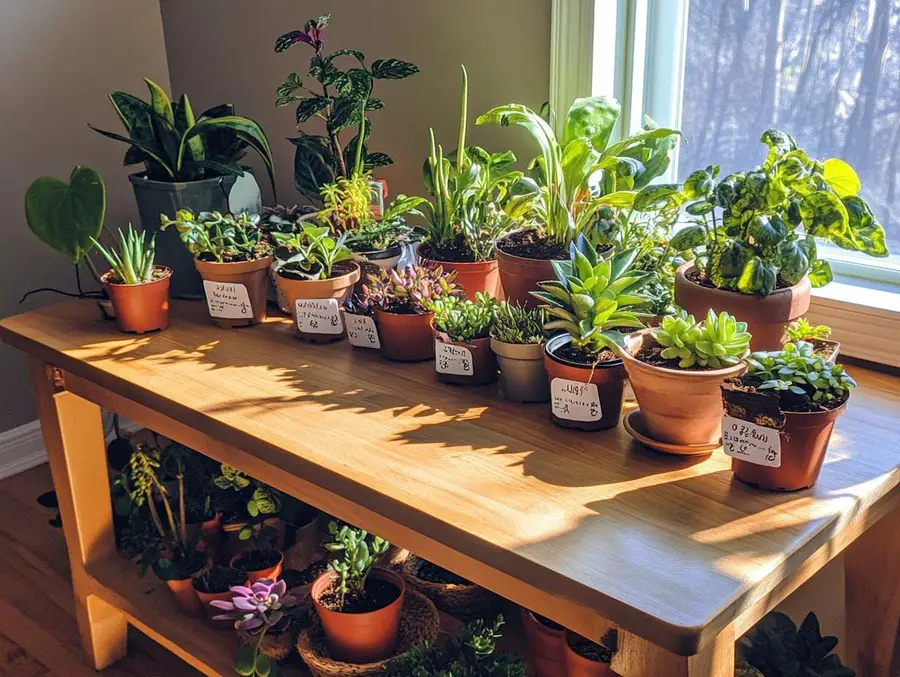 When you’re watering different types of plants, understanding their specific needs is crucial for effective water management.
It’s all about knowing how often to water and which techniques work best for each plant category to keep the soil healthy and well-drained.
Take succulents and cacti, for example. They thrive on a less frequent watering schedule because they’re pros at storing moisture.
On the flip side, tropical plants tend to enjoy consistent moisture but need good drainage to avoid the dreaded root rot.
Monitoring soil moisture levels is key, and using tools like moisture meters can help you adjust your watering habits to meet each plant’s unique requirements.
Incorporating organic gardening techniques—like adding compost and mulch—can really enhance soil structure and moisture retention.
This promotes healthier root systems and boosts resilience against drought and pests.
All of these practices come together to create a more sustainable environment for your plants, ultimately leading to a vibrant and thriving garden.
How Grouping Plants Saves Water
Conserving water in your gardening is super important for promoting sustainable practices and helping your plants thrive.
By using the right strategies, you can cut down on your irrigation needs while still keeping your garden vibrant and healthy.
Efficient Watering Techniques and Strategies
By implementing efficient watering techniques and strategies, you can significantly boost your plants’ health while cutting down on water waste.
Techniques like drip irrigation and rainwater harvesting systems can really streamline your watering process.
If you adopt a drip irrigation system, you’ll be providing consistent moisture directly to the root zone of your plants, which reduces evaporation and ensures that water gets right where it’s needed most.
Integrating rainwater harvesting into your garden routine lets you capture and store rainwater, making it an eco-friendly and cost-effective alternative for your watering schedule.
This is especially handy during those hot summer months when your plants are thirstier than ever.
For the best results, think about adjusting how often and how much you water based on the seasons.
This way, you can make sure all your plants get the hydration they need without any unnecessary runoff.
Frequently Asked Questions
Why should I group plants by water needs?
Grouping plants by water needs makes watering easier and more efficient. It helps prevent overwatering drought-tolerant plants and underwatering thirstier ones, which improves plant health and reduces wasted water.
What is hydrozoning in xeriscaping?
Hydrozoning is the practice of grouping plants with similar water needs into the same area so they can share the same irrigation schedule. It’s one of the core principles of xeriscaping.
Can I mix high-water and low-water plants together?
You can, but it usually makes watering harder and less efficient. Plants with very different water needs often do better when separated into their own zones.
Which plants usually need the least water?
Succulents, many native grasses, lavender, yarrow, and sedum are common low-water choices that work well in xeriscaping.
How do I know if I grouped plants correctly?
Watch how plants respond over time. If some stay soggy while others dry out too quickly, you may need to adjust their placement or watering schedule.
Final Thoughts
Grouping plants by water needs is one of the easiest ways to make xeriscaping more efficient. It helps reduce waste, improves plant health, and makes irrigation much easier to manage.
By using hydrozoning and matching plants with similar moisture needs, you create a stronger, more sustainable landscape that uses less water over time.
It’s a simple design choice, but it can make a huge difference in long-term water savings.
Explore More Water-Wise Xeriscaping Guides
What is xeriscaping? A beginner’s guide to drought-tolerant landscaping – Colorado State University