
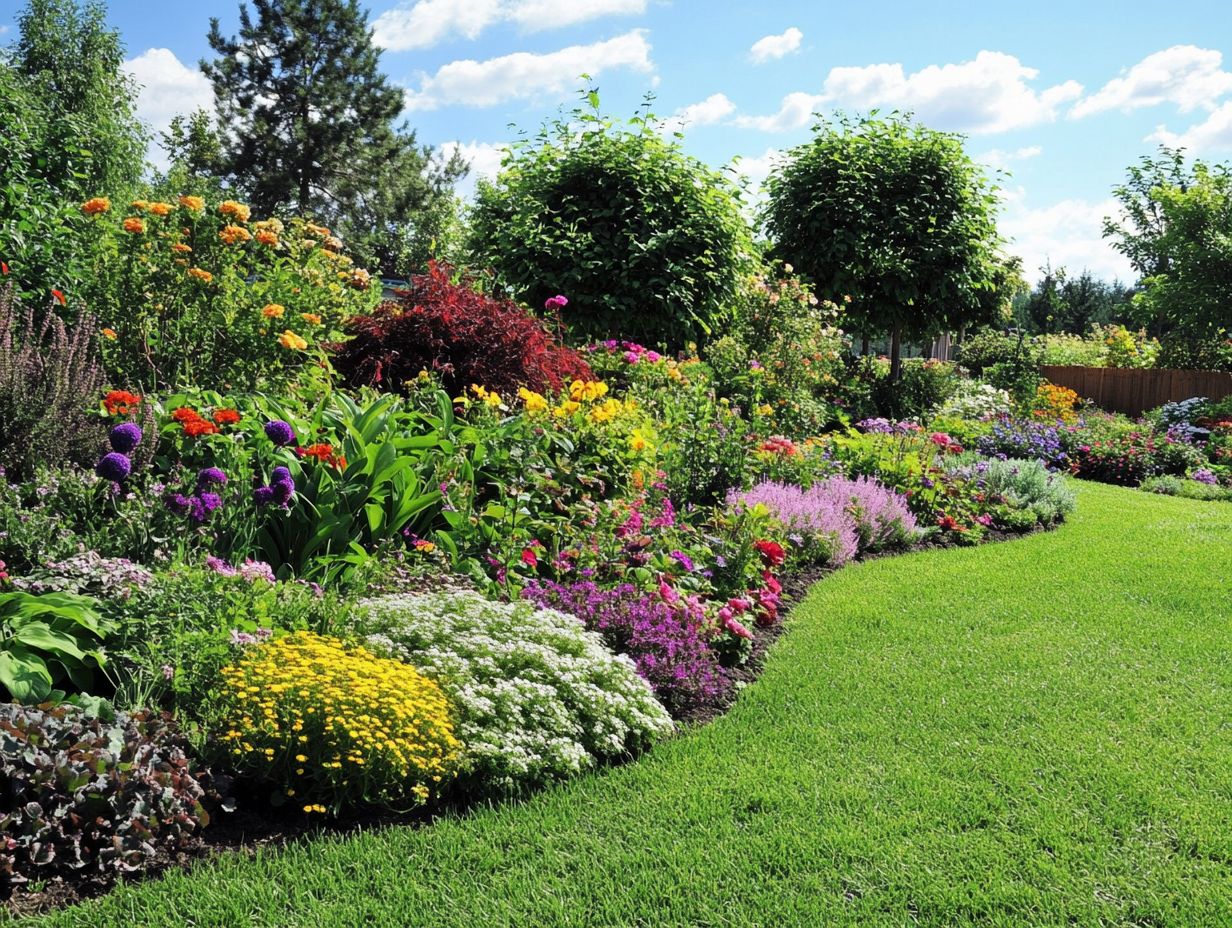
Hydrozoning fundamentals are one of the smartest ways to reduce water waste in a xeriscape. The idea is simple: group plants together based on how much water they actually need instead of watering everything the same.
This makes irrigation more efficient, helps plants stay healthier, and cuts down on wasted water. It’s one of the core principles behind successful low-water landscaping because it works with plant needs instead of against them.
Whether you’re building a new xeriscape or improving an existing yard, understanding hydrozoning can make your watering system easier to manage and much more effective.
What You’ll Learn
- What hydrozoning is and why it matters
- How to group plants by water needs
- How hydrozoning improves irrigation efficiency
- How soil, sun, and drainage affect watering zones
- Common hydrozoning mistakes to avoid
Quick Answer 🌱
Hydrozoning is the practice of grouping plants with similar water needs together so they can be watered more efficiently. It helps reduce water waste, improves plant health, and makes low-water landscaping easier to manage.
How Hydrozoning Works in Xeriscaping
Hydrozoning works by grouping plants with similar water needs into the same irrigation zones. Instead of watering your whole yard the same way, you create separate zones based on how much moisture different plants actually need.
This makes watering more efficient and helps prevent common problems like overwatering drought-tolerant plants or underwatering thirstier ones.
In xeriscaping, hydrozoning is one of the simplest ways to save water while improving plant health and making irrigation easier to manage.
What is Hydrozoning?
Hydrozoning is all about categorizing plants based on their water needs, which helps you create efficient irrigation systems that boost moisture retention and soil fertility.
By strategically grouping plants with similar hydration requirements, you can foster healthier growth through tailored care. When you understand the principles of hydrozoning, you can optimize your plant selection according to the specific soil types and moisture levels in your garden or landscape.
For example, drought-tolerant species are perfect for sandy soils that drain quickly, while moisture-loving plants will thrive in loamy or clay-rich environments where water sticks around longer.
Taking these factors into account not only promotes sustainable gardening practices but also cuts down on waste. This way, each plant gets its fair share of water without unnecessary competition.
🌿 Build Your Xeriscape Foundation
Hydrozoning works best when it’s part of a bigger xeriscaping plan. These guides will help you build stronger soil, choose better plants, and create a smarter low-water yard from the ground up.
Benefits of Hydrozoning
The benefits of hydrozoning are numerous and pretty impressive. It primarily focuses on water conservation, boosting plant health, and improving irrigation efficiency—all of which contribute to sustainable gardening practices.
By using hydrozoning techniques, you can create diverse and thriving ecosystems that adapt better to climate changes and environmental impacts. This approach not only promotes biodiversity but also helps maintain ecological balance in your garden.
Water Conservation and Plant Health
Water conservation plays a big role in hydrozoning, and it’s all about boosting plant health by giving each plant just the right amount of water it needs.
When you implement efficient irrigation systems and choose drought-tolerant plants, you’re setting yourself up for success. This approach helps maintain moisture levels in the soil, cutting down on water waste while promoting healthier root systems.
Those strong roots are essential for nutrient uptake and keeping your plants vibrant and happy. Plus, if you go for native plants, you’ll find they require less water, which makes it easier to maintain that lush greenery even when the weather gets dry.
By being mindful about your plant selections and watering practices, you can create a thriving garden that showcases the perfect harmony between water conservation and plant wellness.
How to Implement Hydrozoning
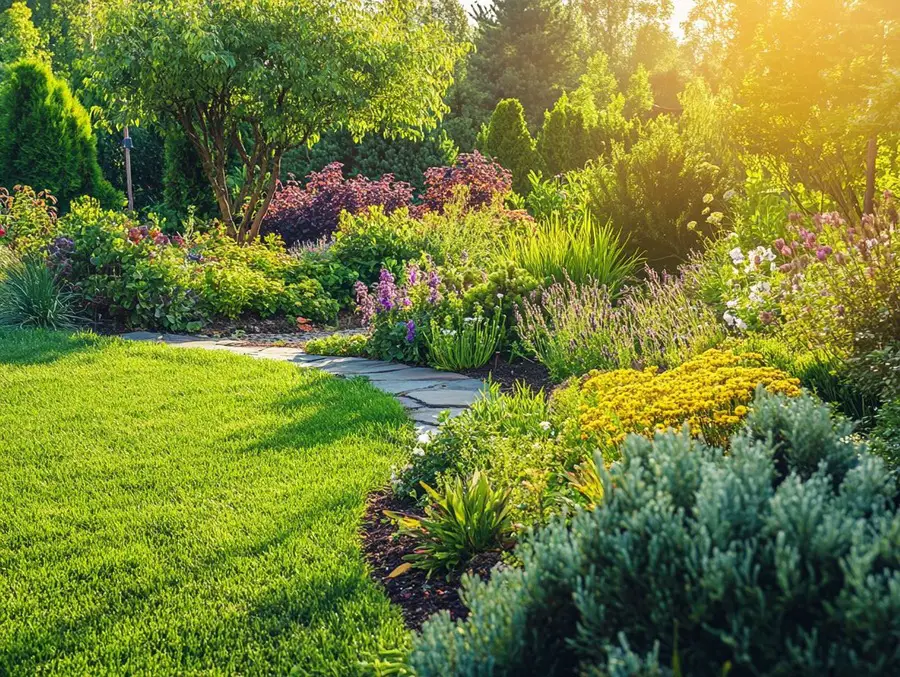
Implementing hydrozoning in your garden is all about following some smart, well-thought-out steps.
- Start with soil testing to understand what you’re working with.
- Then move on to precise garden planning.
- Don’t forget to integrate effective irrigation systems that meet the specific needs of different plants.
This way, you’ll create a thriving garden that makes the most of your resources.
Step-by-Step Guide
To successfully implement hydrozoning techniques, you should start with some careful garden planning that takes into account your specific soil types and seasonal planting cycles. This initial step is key because it sets the stage for a thriving garden ecosystem.
Take some time to assess the unique needs of each plant by looking at their water requirements, sunlight exposure, and growth habits.
Once you have that down, pick irrigation systems that fit those needs—maybe it’s drip irrigation for your water-efficient crops or soaker hoses for those larger garden beds. Grouping plants with similar hydration preferences not only helps them grow better but also makes your watering routine a whole lot easier.
Don’t forget to consider your garden’s soil composition, whether you’re dealing with clay or sandy soil. This will really help you make the best irrigation choices. By syncing everything with the seasons, you can ensure your plants get the right amount of moisture exactly when they need it, creating a flourishing environment all year round.
Designing a Hydrozoned Landscape
When you’re designing a hydrazoned landscape, it’s all about having a thoughtful approach to your garden layout.
You’ll want to create those microclimates and choose the right plants that will boost the overall health of your ecosystem.
Factors to Consider
When you’re designing a hydrozoned landscape, it’s key to think about several factors like garden layout, sun exposure, moisture levels, and the types of soil you have. These elements all work together to create an environment where your plants can thrive without wasting water.
For example, when planning your garden layout, grouping plants with similar water needs close to each other can really boost your irrigation efficiency. Sun exposure is also super important; make sure to place sun-loving plants in areas that get full sunlight while tucking shade-tolerant species under the shelter of taller plants or structures.
Understanding moisture levels is crucial too, especially in dry areas where overwatering can be a big problem. And don’t forget about soil types—sandy soils drain quickly and will need more frequent watering, while clay soils hold onto moisture but can cause root issues if you’re not careful.
By keeping these factors in mind, you’ll be well on your way to creating a thriving, sustainable landscape.
Maintaining a Hydrozoned Landscape
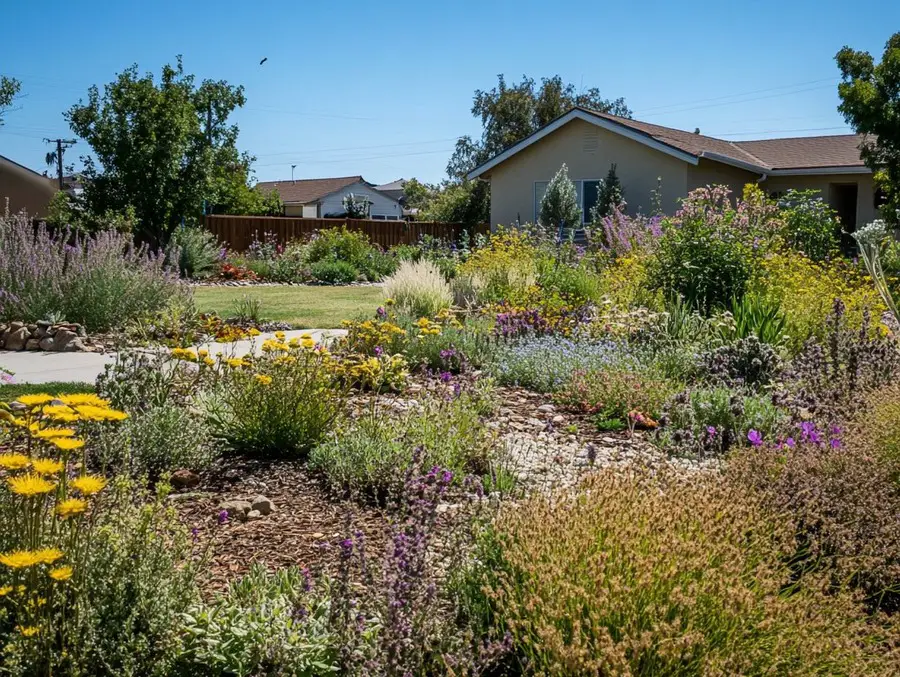
Keeping a hydrazoned landscape in shape is key to ensuring its long-term health and sustainability. You’ll need to stick to regular garden maintenance practices that boost irrigation efficiency and support your plant care efforts.
Best Practices for Care and Maintenance
Regarding caring for and maintaining a hydrazoned landscape, you want to keep an eye on irrigation efficiency, apply mulch to help retain soil moisture, and manage pests to keep your plants healthy.
But it doesn’t stop there. Focusing on soil health is key for your plants to thrive. This means testing the soil composition and pH levels to make sure the right nutrients are available, creating an ideal environment for growth.
Using integrated pest management techniques can really help you cut down on harmful infestations while promoting beneficial insects that keep your ecosystem balanced.
Sticking to a proper watering schedule not only saves water but also encourages deep root development, making your plants tougher against drought conditions.
By adopting these practices, you’ll boost the vitality and sustainability of your landscape, creating a flourishing environment that needs less intervention over time.
Common Mistakes to Avoid
Avoiding common mistakes is key to making your hydrozoning efforts a success. This means making sure your irrigation systems are set up correctly and that the plants you choose fit well with your garden design principles.
Troubleshooting and Tips for Success
Troubleshooting common issues in a hydrozoned landscape can really boost your gardening experience and make sure your plants stay healthy and your garden remains diverse.
It’s essential to pinpoint the specific needs of different plant types. Hydro zoning lets you use tailored irrigation techniques that meet the unique moisture requirements of each species. Start by looking at how water is distributed in each zone.
If the watering is uneven, some plants might experience drought stress while others get too much water, which can negatively impact their growth.
Using efficient drip irrigation systems can help you save water and improve moisture penetration in the root zones. Be sure to check for any blockages in the emitters, adjust your watering schedule as the seasons change, and keep an eye on your plant health. This will all contribute to a thriving landscape.
Also, don’t forget to toss in some mulch; it helps retain soil moisture, cuts down on weeds, and boosts the overall vitality of your garden.
Hydrozoning FAQs
What is hydrozoning in xeriscaping?
Hydrozoning is the practice of grouping plants with similar water needs together so irrigation can be more efficient and targeted.
Why is hydrozoning important?
It reduces water waste, improves plant health, and makes it easier to manage irrigation zones in a low-water landscape.
Can hydrozoning lower water bills?
Yes. By avoiding unnecessary watering, hydrozoning often lowers total outdoor water use and helps reduce water costs.
Do all xeriscapes need hydrozoning?
Not always, but it is one of the most effective ways to improve water efficiency in almost any xeriscape design.
What is the biggest hydrozoning mistake?
Mixing plants with very different water needs in the same zone is one of the most common mistakes and often leads to poor plant performance.
🌱 Final Thoughts: Why Hydrozoning Matters
Hydrozoning is one of the simplest ways to make xeriscaping more efficient and easier to manage. By grouping plants with similar water needs, you reduce waste, improve plant health, and create a landscape that works better with your climate instead of constantly fighting it.
It also makes irrigation much easier. Instead of guessing how much water every plant needs, you can build zones that match real conditions like full sun, dry soil, or moisture-holding areas. That means less overwatering, fewer stressed plants, and lower water bills over time.
If you’re serious about building a smarter low-water yard, hydrozoning is one of the best principles to understand early. It helps tie together plant selection, irrigation, soil improvement, and long-term maintenance into one practical system.
Explore More Xeriscaping Planning Guides
What is xeriscaping? A beginner’s guide to drought-tolerant landscaping – CSU