
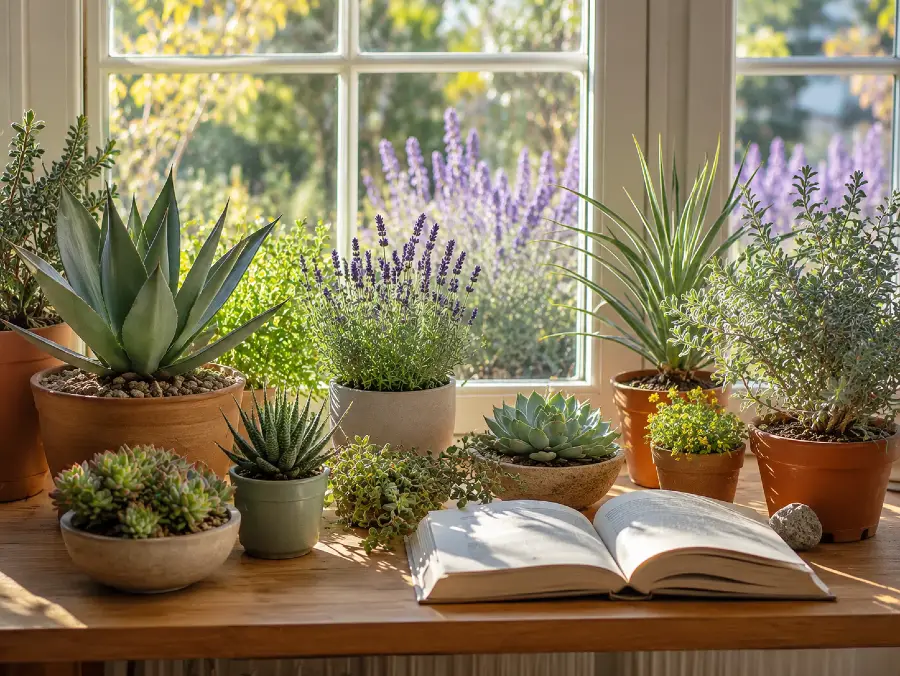
Choosing the right xeriscape plants is one of the most important steps in building a low-water landscape that actually works. The right plants can save water, reduce maintenance, and handle your local climate much better than thirsty traditional landscaping.
For beginners, plant selection can feel overwhelming at first. But once you understand your soil, sunlight, and climate, it becomes much easier to choose plants that will thrive with less effort.
This guide will help you choose the right drought-tolerant plants for your yard so you can build a healthier, easier-to-manage xeriscape from the start.
What You’ll Learn
- How to choose drought-tolerant plants for your climate
- Why soil and sunlight matter before planting
- Which beginner-friendly xeriscape plants are easiest to grow
- How to avoid common plant selection mistakes
- How to build better plant combinations for water efficiency
Quick Answer
The best xeriscape plants for beginners are drought-tolerant, suited to your climate, and matched to your soil and sunlight conditions. Native plants are often the easiest place to start.
Why Plant Selection Matters in Xeriscaping
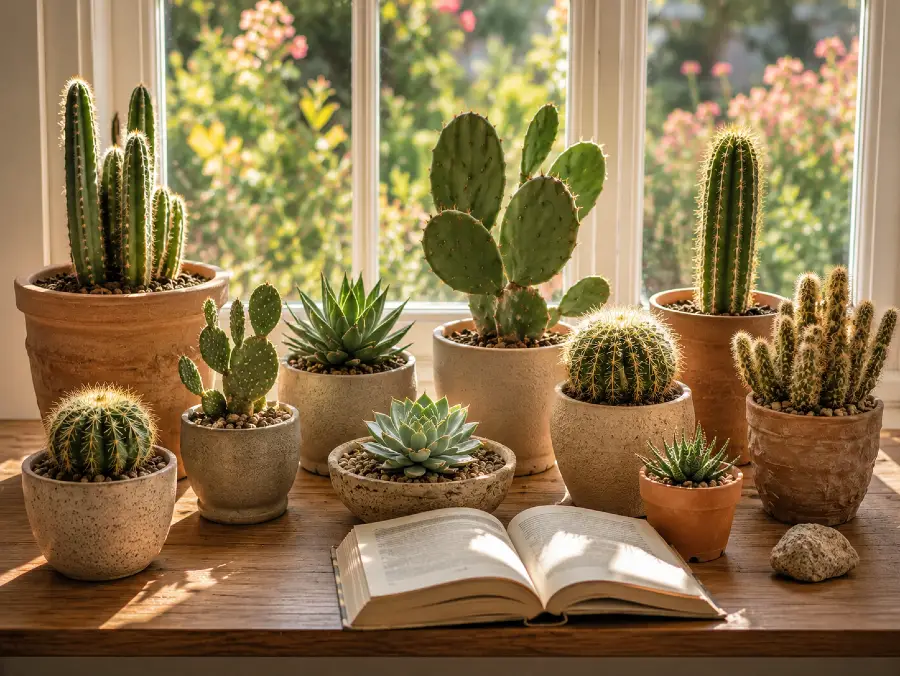
Plant selection is one of the biggest factors in xeriscaping success. Choosing plants that naturally fit your climate and soil conditions makes watering easier and reduces long-term maintenance.
Good plant choices also help create stronger root systems, better drought tolerance, and healthier landscapes over time.
Factors to Consider Before Choosing Plants
Before you dive into the world of gardening, it’s important to think about a few key factors that will influence your plant selection and set you up for success with both indoor and outdoor plants.
Getting to know your local climate, the light requirements of the plants you’re interested in, and their growth habits will guide you in making smart choices that align with your gardening dreams.
Whether you’re on the hunt for low-maintenance plants, thriving perennials, or vibrant flowering beauties, keeping these considerations in mind will help you create a flourishing garden that’s just right for your environment.
Climate and Growing Conditions
Understanding the climate and growing conditions in your area is key to nurturing a successful garden, as these factors directly impact how well your plants will thrive.
Temperature requirements are super important because different plants have different tolerances for heat and frost. Some vegetables love cooler temperatures, while others bask in the warmth of summer.
Humidity levels also play a big role in plant health; too much humidity can invite fungal diseases, while too little can leave your plants thirsty and dehydrated. Don’t overlook the soil type either—sandy soils drain quickly, while clay soils hold onto moisture longer.
Gardening resources can help you get the scoop on local soil types, allowing you to tweak your gardening practices for the best results. This way, you can make sure your garden not only survives but truly flourishes in its environment.
Personal Preferences and Goals
Your personal preferences and gardening goals are key in deciding which plants to choose, directly affecting both the look of your garden and how well your outdoor or indoor spaces work for you.
Whether you’re drawn to vibrant ornamental plants that splash color and texture across your landscape or you want a mix of edible plants that offer sustenance along with beauty, your individual tastes really matter. Thoughtful plant choices can significantly boost the overall impression of your garden and bring your vision to life.
Setting clear gardening goals can help guide your selections, allowing you to pick plants that complement each other through companion planting techniques. This approach not only makes the most of your space but also nurtures a thriving ecosystem, where each plant plays its part in creating a healthy and beautiful garden—all designed to showcase your unique style.
Beginner-Friendly Xeriscape Plants
If you’re just starting your gardening journey, choosing easy-to-grow plants is a great way to boost your confidence. This way, you can soak up the beauty of nature without getting bogged down by complicated plant care routines.
Low Maintenance Options
Choosing low-maintenance plants like succulents, pothos, and the snake plant can really change the game for you as a beginner gardener looking for hassle-free options for your indoor or outdoor spaces.
These plants are not just easy on the eyes; they’re also adaptable to different conditions, making them perfect for a variety of environments.
- Succulents love bright, indirect sunlight and hardly need any water—typically just once every two weeks when the soil feels dry.
- Pothos, on the other hand, thrives in low to moderate light and appreciates a good drink when the top inch of the soil is dry.
- And let’s not forget the snake plant; it’s nearly indestructible, happily growing in low light and only needing water when the soil is completely dry.
By following some simple plant care tips, like checking soil moisture and ensuring good drainage, you can keep these green companions healthy and vibrant, turning any space into your very own flourishing oasis.
Best Xeriscape Plants for Small Spaces
If you’re limited by space, small space gardening can be a really rewarding adventure. You can use a variety of plant types and some clever gardening techniques to create a lush little paradise.
By embracing strategies like container gardening and vertical gardening, you can turn even the tiniest balcony or patio into a vibrant oasis. These methods not only make the most of the space you have but also give you the chance to play around with different plant combinations.
When picking the right plants for your cozy setup, flavorful herbs like basil and mint thrive beautifully in pots. Plus, compact foliage plants, like dwarf varieties of hostas and ferns, can add some nice texture without crowding things.
With a little planning and a sprinkle of creativity, you can cultivate a stunning variety of greenery that will enhance the beauty of your space and bring you joy.
Mistakes to Avoid When Choosing Plants
When you kick off your gardening journey, steering clear of common pitfalls in plant selection can save you a ton of time, effort, and heartache.
It’s all about making sure your experience is enjoyable and rewarding from the get-go.
Common Pitfalls and How to Avoid Them
Recognizing common gardening pitfalls, like not researching plant care needs or ignoring pest management, can really boost your chances of success as a beginner gardener.
For example, if you assume that all plants love full sunlight, you might end up with scorched leaves and stunted growth, especially for shade-loving varieties like ferns and hostas. Plus, if you overlook the signs of pests like aphids or spider mites, you could face some serious damage that stunts healthy growth and even spreads diseases throughout your garden.
To avoid these headaches, it’s a smart move to read up on the specific sunlight and water needs of each plant before you plant them. Regularly checking the foliage for any signs of infestations is a must as well.
And don’t forget about practices like crop rotation and companion planting—they can help reduce disease risks while keeping your garden ecosystem thriving.
Choosing the Right Xeriscape Plants FAQs
What are the best xeriscape plants for beginners?
Native plants, succulents, ornamental grasses, and drought-tolerant perennials are often the easiest for beginners.
Should I choose native plants for xeriscaping?
Native plants are often the best option because they are already adapted to local climate and soil conditions.
How do I know if a plant is drought-tolerant?
Check plant tags, nursery descriptions, or local extension guides to see water requirements and climate compatibility.
Can xeriscape plants grow in containers?
Yes. Many succulents, grasses, and smaller drought-tolerant plants do well in containers with proper drainage.
Choosing the Right Xeriscape Plants for Beginners Final Thoughts
Choosing the right xeriscape plants makes everything else easier. When plants match your climate, soil, and sunlight, they need less water and less work to stay healthy.
Start with beginner-friendly drought-tolerant plants, pay attention to how they perform, and build your xeriscape from there. Good plant choices are the foundation of a strong water-wise garden.
Explore More Xeriscape Plant Guides
What is xeriscaping? A beginner’s guide to drought-tolerant landscaping – CSU