
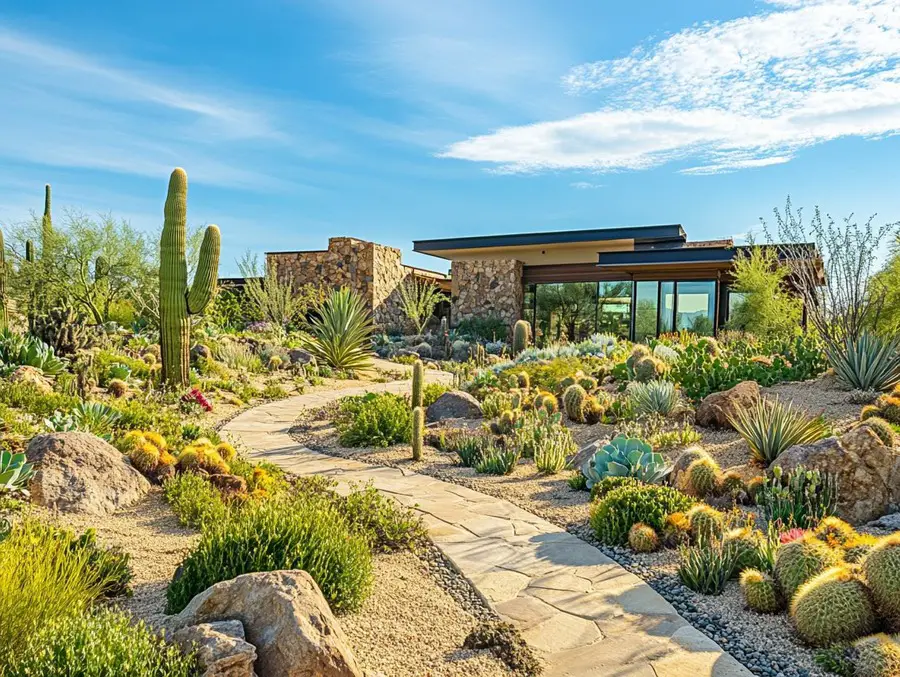
If you’re on the hunt for a sustainable way to spruce up your outdoor space without the constant hassle of upkeep Easy Low-Maintenance Xeriscaping Design could be just what you need!
This innovative landscaping approach focuses on drought-resistant plants and water-efficient designs, letting you create a stunning garden that thrives even in dry conditions.
Let’s dive into the essentials of xeriscaping, from its environmental and financial perks to practical design tips and plant selections. You’ll discover how to turn your landscape into a low-maintenance oasis that you can enjoy without breaking a sweat.
Understanding Xeriscaping
Understanding xeriscaping is key if you want to create a sustainable and low-maintenance garden design that thrives in dry climates. This approach to landscaping is all about conserving water by using drought-resistant plants, efficient irrigation systems, and clever techniques that boost soil quality and moisture retention.
When you focus on xeriscaping principles, you can craft outdoor spaces that are not only beautiful but also functional, all while enhancing local biodiversity and reducing your environmental impact.
Whether you’re dealing with slopes, hillsides, or flat areas, incorporating xeriscaping into your landscape can lead to healthier ecosystems and more resilient gardens.
What is Xeriscaping?
Xeriscaping is a landscape design method that you might find fascinating, as it focuses on creating water-efficient gardens with drought-tolerant and native plants to cut down on the need for irrigation.
This innovative approach not only helps you conserve precious water resources but also promotes sustainable gardening practices, which is a win-win. By prioritizing plant selection, xeriscaping encourages you to use native flora that’s already adapted to your local climate, meaning it requires less maintenance—great news for your busy schedule!
Understanding soil quality is key here; when you improve soil composition, you boost water retention, allowing your plants to thrive even in dry conditions. Incorporating hardscape materials like gravel paths and stone features can also help reduce water usage while adding attractive elements that blend nicely with nature.
For example, using permeable pavers can help manage rainwater runoff, making your landscape design not only beautiful but also efficient.
Benefits of Low-Maintenance Xeriscaping
The benefits of low-maintenance xeriscaping go way beyond just saving water; they also do wonders for the environment and your wallet.
By putting xeriscaping principles into practice, you’ll notice that creating a sustainable garden helps lower your utility bills thanks to reduced water usage.
Plus, using drought-resistant plants and sustainable landscaping techniques means you won’t need to rely on chemical fertilizers and pesticides as much, which is great for promoting a healthier ecosystem.
In the end, embracing xeriscaping not only jazzes up your outdoor spaces but also makes a meaningful contribution to biodiversity and landscape sustainability.
Environmental and Financial Advantages
The environmental and financial benefits of xeriscaping are pretty impressive, making it a great option for you as a homeowner or landscaper.
By focusing on drought-tolerant plants and cutting down on water use, you’re not just helping with soil erosion control; you’re also creating a diverse ecosystem that supports all kinds of wildlife. Including native species boosts biodiversity, giving homes to beneficial insects and birds.
You’ll see some serious savings on your utility bills since reduced water consumption means lower costs. Plus, with less need for maintenance and landscaping services, you can save money in the long run and reinvest it in other home projects.
When you put all these factors together, it’s clear that xeriscaping isn’t just a passing trend; it’s a sustainable landscaping solution worth considering.
Designing a Xeriscape Landscape
Designing a xeriscape landscape is all about thoughtful planning and grasping those xeriscaping techniques that make the most of your space while keeping sustainability in mind.
You’ll want to assess your site, find effective drainage solutions, and group your plants strategically to fit the unique layout of your garden.
By incorporating native plants and perennials, you not only make your garden look great but also set it up to thrive in your local microclimates.
When you focus on low-maintenance and functional design, your xeriscape can really flourish with minimal effort, giving you beautiful outdoor spaces to enjoy.
Key Elements and Principles
The key elements and principles of xeriscaping focus on helping you create a harmonious balance between aesthetics and functionality in your garden design—all while conserving water.
By incorporating drought-resistant plants, you can make sure that vibrant flora thrives even in dry conditions, giving you visual appeal without guzzling excessive water. Efficient irrigation systems, like drip irrigation or rainwater harvesting, are crucial for cutting down your overall water usage while still providing enough moisture to keep those roots happy.
Using soil conservation techniques, such as mulching and adding organic matter, can significantly enhance water retention in the soil, helping to foster a sustainable ecosystem.
By implementing these strategies, you’re not just supporting the planet; you’re also opening the door to innovative designs that boost your garden’s charm, proving that sustainability and beauty can absolutely go hand in hand.
Choosing the Right Plants for Xeriscaping
Choosing the right plants for xeriscaping is super important if you want a landscape that thrives on low water use. You’ll want to focus on drought-tolerant and native species that are well-suited to your local conditions.
This way, you can create a beautiful, sustainable outdoor space that doesn’t require a ton of water.
Drought-Tolerant and Native Species
Drought-tolerant and native species are the secret sauce for successful xeriscaping, helping you create vibrant landscapes that need minimal irrigation.
These tough plants, from succulents and cacti to hardy grasses and colorful wildflowers, are perfect for handling dry conditions while making your outdoor spaces look beautiful. They thrive in different local climates—whether you’re by the coast, up in the mountains, or out in the desert—so you can choose species that will grow well with just a little water.
Plus, these plants are essential for supporting local wildlife habitats, offering food and shelter for pollinators and other helpful critters.
By adding these varieties to your garden, you’re not just promoting plant diversity; you’re also making a positive impact on the ecosystem and creating a sustainable environment that works in harmony with nature.
Xeriscaping for Different Terrains
Regarding xeriscaping on different terrains like slopes and hillsides, you’ll want to use specific strategies and techniques to tackle the unique challenges that the topography presents.
Strategies for Slopes and Hillsides
When you’re implementing effective strategies for slopes and hillsides, you’re really setting the stage for successful xeriscaping. Erosion control and proper drainage solutions are essential in this process.
To create a resilient landscape, consider incorporating techniques like terracing. This creates those stepped levels that not only reduce runoff but also promote water absorption.
Planting ground cover plants is a great move too; they not only make your area look more attractive but also protect the soil from erosion by creating a dense mat of roots. And don’t forget about mulch—it’s a superstar for retaining moisture in the soil, which means less frequent watering for you.
By using these methods together, you can significantly improve your landscape’s sustainability, ensuring your garden stays efficient and thriving, even when the going gets tough.
Maintaining a Xeriscape Garden
To keep your xeriscape garden thriving and looking great, you’ll need to use some specific techniques.
Focus on irrigation efficiency and adopt effective maintenance practices to ensure its longevity and beauty.
Efficient Watering and Maintenance Techniques
Efficient watering and maintenance techniques are key to keeping your xeriscape garden thriving in the long run, helping you optimize plant health and moisture retention.
Using methods like drip irrigation can really boost your water efficiency by delivering moisture straight to the plant roots, cutting down on evaporation and runoff. Plus, if you incorporate rainwater harvesting systems, you can collect and store rainfall for later use, which is a great way to promote sustainability.
Don’t forget about seasonal adjustments! Depending on the time of year, you might need to tweak your watering schedule to align with your plants’ growth cycles. Implementing best practices like mulching and choosing drought-tolerant species will help maintain soil moisture and reduce the need for constant watering.
Together, these techniques can create a flourishing xeriscape garden that needs less water and maintenance from you.
Frequently Asked Questions
1. What is low-maintenance xeriscaping design?
Low-maintenance xeriscaping design is a landscaping technique that focuses on creating a beautiful and sustainable outdoor space while minimizing the need for irrigation, mowing, and other time-consuming maintenance tasks.
2. How does xeriscaping benefit slopes and hillsides?
Xeriscaping is a great option for slopes and hillsides because it reduces erosion and helps retain moisture in the soil. It also requires less watering and can help prevent landslide or mudslide events.
3. What are some key elements of xeriscaping on slopes and hillsides?
Proper planning is crucial for xeriscaping on slopes and hillsides. Some key elements to consider include choosing drought-resistant plants, creating retaining walls or terraces, and incorporating mulch and other ground covers for erosion control.
4. Will xeriscaping on slopes and hillsides limit my plant choices?
No, xeriscaping actually opens up a wide range of plant options. Many drought-resistant plants thrive on slopes and hillsides, including succulents, ornamental grasses, and native wildflowers.
5. How can I maintain my xeriscaped slope or hillside?
Xeriscaping on slopes and hillsides may require some maintenance, such as occasional pruning and weeding. However, by choosing the right plants and implementing proper irrigation techniques, the maintenance will be significantly reduced compared to traditional landscaping methods.
6. Are there any cost savings associated with xeriscaping on slopes and hillsides?
Yes, xeriscaping on slopes and hillsides can lead to significant cost savings in terms of water usage and maintenance. With less watering and mowing needed, homeowners can save on their water and energy bills. Additionally, xeriscaped areas may qualify for rebates or incentives from local water agencies.
Benefits of Xeriscaping: Save Water, Time, and Money
What is xeriscaping? A beginner’s guide to drought-tolerant landscaping