

Urban heat islands (UHIs) are a pressing challenge in our increasingly urbanized world, and they significantly impact both the environment and public health.
As cities grow and green spaces disappear, it’s crucial for you to understand the definition, causes, and consequences of UHIs. This conversation dives into the effects of these heat islands and explores innovative strategies like green roofs, tree planting, and heat-reflective pavements that can help mitigate their impact.
Don’t forget the importance of community involvement and working together with local governments to create sustainable solutions for your neighborhoods. Let’s uncover effective measures and future considerations for reducing urban heat islands together.
Understanding Urban Heat Islands
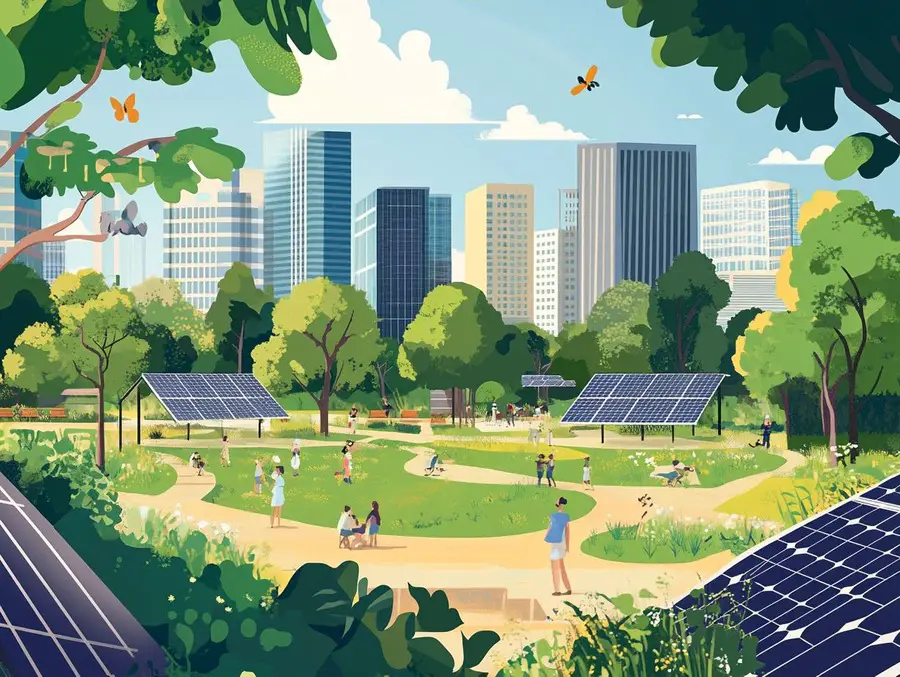
Understanding Urban Heat Islands (UHIs) is crucial for you to grasp how urban environments can impact local climate conditions, leading to higher temperatures and negative effects on public health and the environment.
UHIs are those urban areas that are noticeably warmer than their rural counterparts, thanks to human activities and certain city infrastructures. These temperature differences mainly come from impervious surfaces like asphalt and concrete, which soak up and hold onto heat. This not only increases heat stress but also affects energy efficiency in buildings.
Definition and Causes
Urban Heat Islands (UHIs) are those urban spots that feel like a sauna compared to the cooler rural areas nearby, mainly because of all the human activities and the way we’ve built things up.
This phenomenon happens due to a bunch of interconnected factors that seriously impact local climate patterns. For instance, when you have a lot of impervious surfaces—think asphalt and concrete—they soak up heat during the day, which just gets trapped and cranks up nighttime temperatures.
And when there’s not enough vegetation around, it just makes the situation worse since trees and plants are essential for cooling things down with their shade and evapotranspiration.
As cities grow and climate change starts messing with weather patterns, these heat islands are likely to get even more intense, creating challenges for both urban ecology and public health.
All of this highlights just how crucial it is for you to advocate for sustainable urban planning and green infrastructure.
Impacts of Urban Heat Islands
The impacts of Urban Heat Islands are pretty extensive, affecting both the environment and public health in significant ways.
You might notice heightened heat stress, worsening air quality, and increased energy demands for cooling.
As cities expand and temperatures rise, the effects of UHIs become even more obvious, leading to a bunch of challenges like health issues, soaring energy costs, and a decline in urban biodiversity.
Environmental and Health Effects
The environmental and health effects of Urban Heat Islands (UHIs) present quite a few challenges for you, including increased heat stress, worsened air quality, and higher energy bills for cooling.
As urban areas continue to grow and soak up heat like a sponge, you might start to notice biodiversity loss becoming a major issue. Local ecosystems struggle to keep up with those rising temperatures, which can lead to a decline in plants and animals, not to mention the deterioration of natural habitats.
The higher temperatures often mean more air pollutants, which can exacerbate respiratory illnesses and other heat-related health problems. But don’t worry—there are effective urban heat management practices you can implement.
By increasing green spaces and using reflective building materials to boost energy efficiency, you can significantly reduce these negative impacts.
These strategies not only help your city become more resilient but also create healthier living conditions for everyone.
Strategies for Reducing Urban Heat Islands
Implementing effective strategies to reduce Urban Heat Islands is essential for boosting urban resilience and promoting sustainable development.
You can explore various heat mitigation techniques, like installing green roofs, increasing urban greenery, and using reflective materials.
These approaches can really help cool down urban areas and enhance the overall quality of life for everyone living there.
Green Roof Implementation

Green roofs are key players in keeping urban areas cool and battling heat, effectively lowering surface temperatures and boosting biodiversity in city landscapes.
These innovative green spaces are quickly becoming must-haves in urban design as cities aim for sustainable development. By acting as natural insulators, they really help with energy conservation, reducing the need for air conditioning during those sweltering summer months.
Plus, when you incorporate plants and vegetation, you enhance urban biodiversity, attracting a variety of birds and insects that are essential for ecological balance.
As more communities embrace these systems, the overall health of urban environments improves, making cities more resilient and livable for future generations.
Tree Planting and Urban Greenery
Tree planting and boosting urban greenery are key strategies you can use to tackle Urban Heat Islands, helping to provide shade and cooling effects in those crowded areas.
When you integrate a strong tree canopy into city landscapes, you’re not just regulating temperatures; you’re also improving air quality in a big way. Trees do a fantastic job of soaking up pollutants and carbon dioxide, creating a healthier environment for everyone around.
Plus, those green spaces are perfect for encouraging social interaction, which helps build a sense of community and well-being.
As urban heat increases because of climate change, making tree canopy expansion a priority becomes essential. It’s like having a natural air conditioner while also promoting biodiversity and beautifying your urban surroundings.
Heat-Reflective Pavements
Heat-reflective pavements are a smart solution in urban planning that can really help reduce the heat absorption of traditional materials, making a big difference in the fight against Urban Heat Islands.
By using materials that reflect more sunlight and soak up less heat, these specialized surfaces help keep ground temperatures cooler, which is super important in densely populated areas filled with impervious surfaces. This approach doesn’t just make urban spaces look better; it also boosts the overall sustainability of city designs.
As cities work on effective cooling strategies, heat-reflective pavements are key to battling the negative effects of climate change. They help lower energy consumption for cooling and create healthier outdoor spaces for everyone.
Community Involvement and Action
Community involvement and action are crucial when it comes to tackling Urban Heat Islands. When you engage residents and businesses, you create a collective effort to face this urban challenge head-on.
By coming together to advocate for and implement sustainable practices like neighborhood greening and local policy changes, you can really make a difference in enhancing your urban environment and boosting resilience against heat effects.
Engaging Residents and Businesses
Engaging with local residents and businesses in community initiatives is crucial for raising awareness and encouraging participation in tackling Urban Heat Islands. After all, collective action can really drive some significant change.
When you create community gardens, you’re not just sprucing up the neighborhood; you’re also giving everyone a place to connect and learn about sustainable practices. These gardens are great for fostering collaboration and offer hands-on opportunities for you and your neighbors to get involved in urban design efforts.
It’s a chance for everyone to share their thoughts and contribute ideas. Plus, public participation in projects like this can spark innovative solutions that help cool things down and boost resilience.
Workshops, outreach programs, and inclusive planning sessions can enable you to take an active role in shaping your environment.
This ultimately leads to a stronger, more engaged community where everyone feels like they have a stake in the future.
Collaboration with Local Government

Collaborating with local government is key for you when it comes to tackling Urban Heat Islands effectively. After all, policy decisions really shape urban infrastructure and community initiatives.
These partnerships give you and your community the chance to get involved in developing and implementing urban heat management strategies, creating a sense of ownership and responsibility over the process. By tapping into local knowledge and expertise, you can prioritize sustainable development and ensure that the policies actually reflect the unique needs of your neighborhood.
When you work together, you can create greener spaces, improve urban design, and build more resilient infrastructure.
Engaging in conversation with local authorities helps promote transparency and trust, making it much easier to tackle the challenges that rising temperatures bring. In the end, this collaboration not only boosts heat management but also paves the way for a more sustainable urban future for everyone.
Measuring Success and Future Considerations
Measuring the success of the strategies you implement to combat Urban Heat Islands is crucial for understanding how well they work and for planning your next steps.
With climate change throwing new challenges your way, it’s even more important to keep track of what’s effective.
Evaluating the Effectiveness of Strategies
Evaluating how effective your strategies are for mitigating Urban Heat Islands involves diving into data from urban heat mapping and other monitoring methods to see what kind of impact they’re having.
By tapping into this data, you can help urban planners and policymakers make smart decisions that lead to more effective policies and actionable climate adaptation strategies. This approach enables them to pinpoint high-risk areas that are feeling the heat the most and prioritize interventions that can actually cool things down.
Continuous monitoring lets you adjust existing measures in real-time, creating a more dynamic approach to urban management. As a result, cities not only become more resilient to heat but also improve the overall quality of life for residents, showcasing just how vital data analysis is for shaping future improvements.
Continuing Efforts for Sustainable Results
Continuing your efforts for sustainable results in tackling Urban Heat Islands takes a real commitment from both you and your local government. It’s about making sure that your adaptation strategies stay effective, even when climate conditions are shifting.
This commitment isn’t just about quick fixes; it’s about fostering a culture of long-term planning that puts climate resilience front and center for the future.
Getting community members involved in the decision-making process can tap into local knowledge and spark grassroots initiatives that really make a difference.
By collaborating, neighborhoods can come up with customized urban adaptation strategies that lessen heat impacts, boost green spaces, and improve infrastructure. In the end, these partnerships are crucial for creating a solid framework that can weather the challenges of a changing climate.
It enables your community to take charge of its environment and ensures these initiatives provide lasting benefits for generations ahead.
Frequently Asked Questions
What is an urban heat island?
An urban heat island is a metropolitan area that is significantly warmer than its surrounding rural areas due to human activities and materials, such as buildings, roads, and transportation.
How do urban heat islands form?
Urban heat islands form due to the replacement of natural land cover with man-made materials that absorb and retain heat, such as asphalt and concrete. This results in higher temperatures in urban areas compared to nearby rural areas.
What are the impacts of urban heat islands?
Urban heat islands can lead to higher energy demand for cooling, air pollution, health issues, and increased heat-related mortality. They can also have negative effects on wildlife and vegetation, leading to disrupted ecosystems.
What strategies can be used to reduce urban heat islands?
Strategies for reducing urban heat islands include using reflective or green roofs and pavement, increasing vegetation and tree cover, and implementing cool and green infrastructure, such as green walls and parks. Additionally, reducing energy consumption and promoting sustainable urban planning can also help mitigate the effects of urban heat islands.
How can individuals help reduce urban heat islands?
Individuals can help reduce urban heat islands by planting trees and vegetation in their yards, using light-colored or green roofs, and choosing alternative modes of transportation, such as biking or walking, instead of driving. They can also support community efforts to increase green spaces and reduce energy consumption.
Are there any government initiatives to reduce urban heat islands?
Yes, many cities have implemented policies and programs to reduce urban heat islands. These include incentives for green infrastructure and cool roofs, building codes and regulations for energy-efficient designs, and urban planning that prioritizes green spaces and sustainable development. Additionally, there are federal programs, such as the Urban Heat Island Pilot Project, that provide resources and tools for cities to address this issue.
Benefits of Xeriscaping: Save Water, Time, and Money
What is xeriscaping? A beginner’s guide to drought-tolerant landscaping