
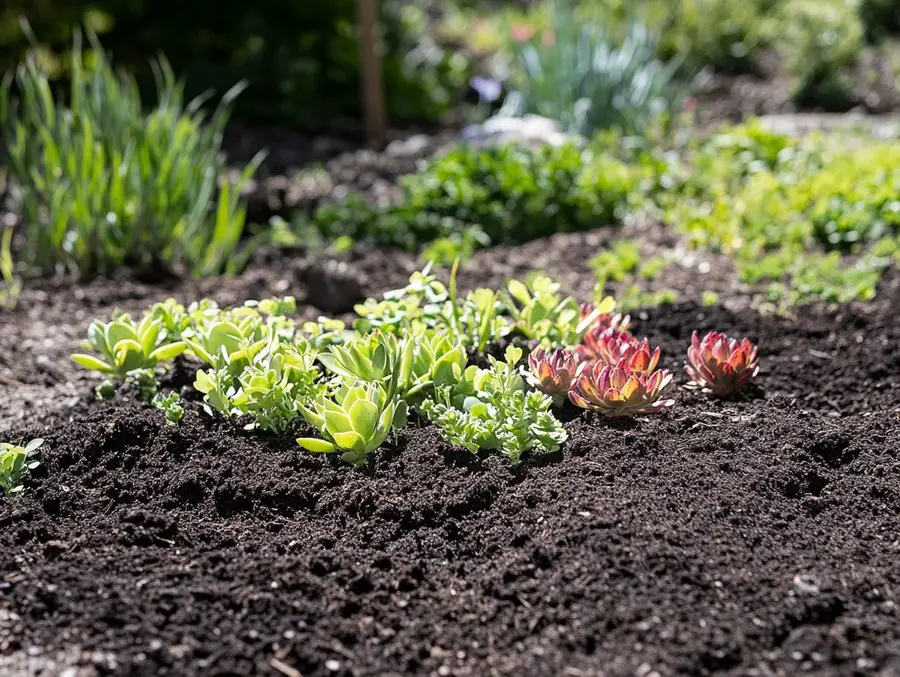
Soil Improvement for Xeriscaping is the key to a thriving, low-water garden.
Poor soil can drain too fast, hold too much water, or lack nutrients, making it tough for drought-resistant plants to survive.
But with a few simple techniques, you can transform your soil into a moisture-holding, nutrient-rich base that helps your xeriscape flourish with less effort.
Soil Improvement for Xeriscaping Key Takeaways
- Soil Improvement for Xeriscaping helps plants thrive by improving drainage, increasing moisture retention, and enhancing soil fertility.
- Adding organic matter like compost, using mulch, and selecting well-adapted plants create a sustainable, water-efficient garden.
- These techniques reduce irrigation needs and support strong root growth in dry conditions.
Soil Improvement for Xeriscaping: Expert Secrets Revealed
Xeriscaping is a game-changer when it comes to landscaping, focusing on water conservation while still creating stunning outdoor spaces that you’ll love.
The secret sauce to successful xeriscaping is often the soil quality, which tends to be overlooked.
It’s super important to understand how soil impacts plant health and water retention if you want to really get the hang of xeriscaping.
This article is here to guide you through effective ways to improve your soil, choose the right drought-tolerant plants, and keep your xeriscape thriving.
Dive in and find out how you can create a sustainable landscape that works in harmony with nature.
What is Soil Improvement for Xeriscaping?
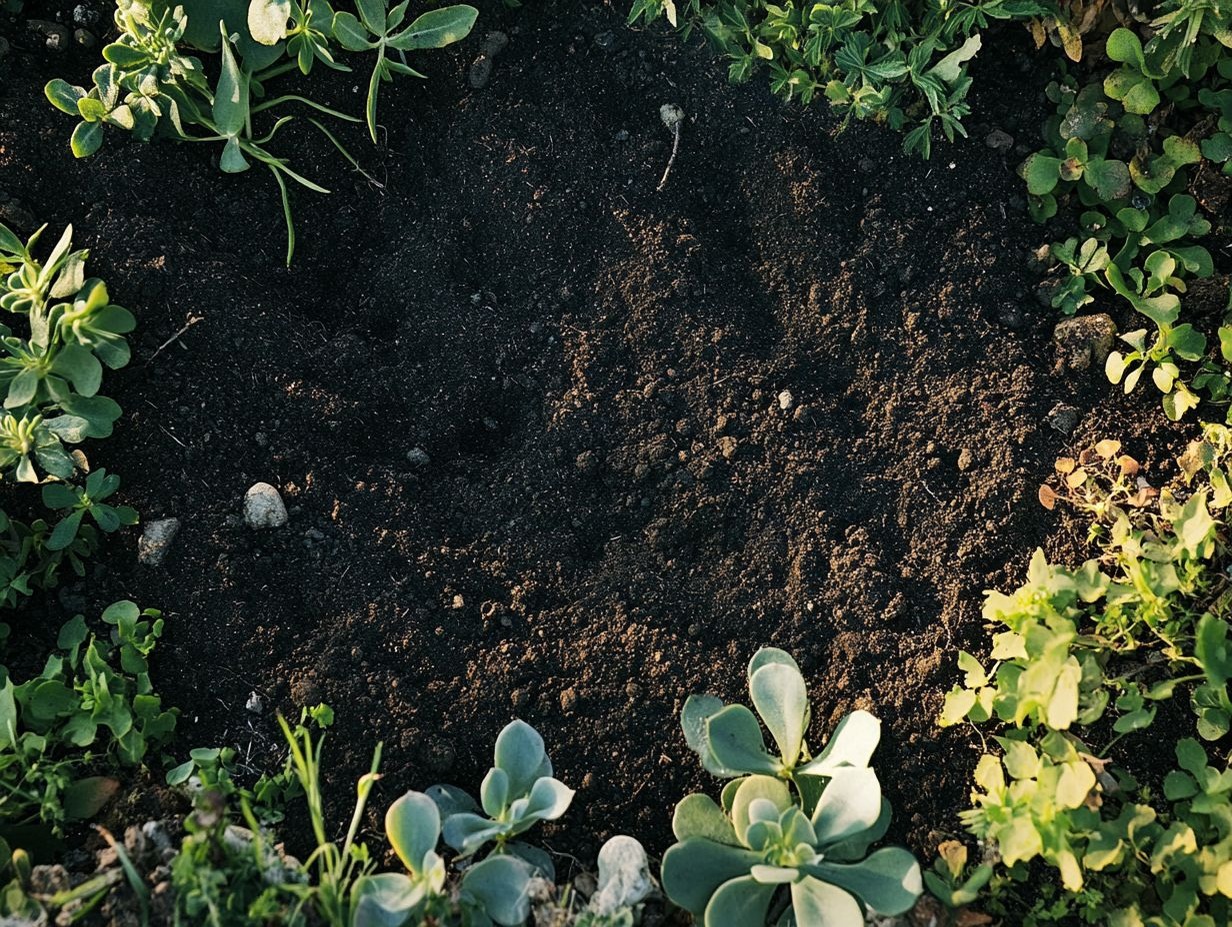
Xeriscaping is a clever way to landscape that focuses on being water-efficient and sustainable, especially in areas that often face drought.
This approach uses a mix of drought-resistant plants and smart design principles to create beautiful gardens that thrive in dry climates and save valuable water.
By incorporating things like soil improvement techniques, mulching, and the right irrigation methods, you can create an eco-friendly and resilient landscape that uses less water and supports local ecosystems.
The Importance of Soil in Xeriscaping
Soil is super important for making xeriscaping a success because it directly affects how healthy your plants are and how sustainable your whole landscape will be.
If you want to create a thriving xeriscape, it’s essential to understand how soil quality and plant health go hand in hand.
Healthy soil, packed with organic matter, has a better structure and retains moisture really well.
This is crucial for supporting those drought-resistant plants and keeping your landscape resilient.
By focusing on soil conservation and enhancement techniques, you can build a strong foundation for your xeric garden.
How Soil Quality Affects Xeriscaping
The quality of your soil plays a huge role in the success of your xeriscaping efforts.
It affects how well moisture is retained, how available nutrients are, and how well the soil can breathe, all crucial for the growth of those drought-resistant plants you want.
If your soil is lacking essential nutrients or has poor structure, your xeric plants might struggle to thrive.
That’s why assessing and improving your soil quality is important to keep your plants healthy and happy.
By using some soil enhancement techniques, you can create a thriving environment that supports a variety of vegetation while keeping water usage to a minimum.
Understanding what factors contribute to soil quality, like compaction, drainage, and aeration, is essential for any xeriscaping project you take on.
Soil compaction can keep roots from spreading out and limit how well water seeps in, while poorly drained soil can lead to root rot.
On the flip side, well-aerated soil encourages healthy root systems and allows for better absorption of water and nutrients.
To manage these aspects sustainably, think about incorporating organic matter, mulching, and using drip irrigation.
These strategies enhance soil structure and boost the overall resilience of your xeric plants in arid conditions.
Methods for Improving Soil for Xeriscaping
Improving the soil for your xeriscaping project involves a few effective methods that can boost soil fertility and structure, helping you create a thriving garden that needs minimal water.
By adding soil amendments like compost, organic matter, and mulch, you can make a big difference in your soil’s overall health.
These practices enhance nutrient availability but also promote moisture retention and aeration, which are key for growing drought-resistant plants.
By putting these techniques into action, you’re not just gardening; you’re creating a sustainable environment that supports healthy ecosystems while embracing the principles of xeriscaping.
Composting
Composting is a fantastic way to enrich your soil quality and fertility, making it a must-have practice in xeriscaping.
By turning kitchen scraps, yard waste, and other organic materials into nutrient-rich compost, you can improve the soil’s structure and boost its microbial activity, which helps your drought-resistant plants develop strong root systems.
This sustainable practice cuts down on waste, and it also encourages biodiversity, and aids in soil conservation in your Xeric garden.
Understanding the different types of compost out there, like hot compost, worm castings, and static compost, lets you pick the best option for your gardening needs.
When you apply compost to your soil, it acts like a sponge, soaking up moisture while delivering essential nutrients that get your plants growing.
Soil microorganisms play a crucial role here, breaking down organic matter and making nutrients accessible to your plants.
Integrating compost into your xeriscaping is a breeze. You can simply layer it during planting or mix it into your soil when setting up new beds, just remember to keep an eye on that ideal balance of carbon and nitrogen materials.
Adding Organic Matter
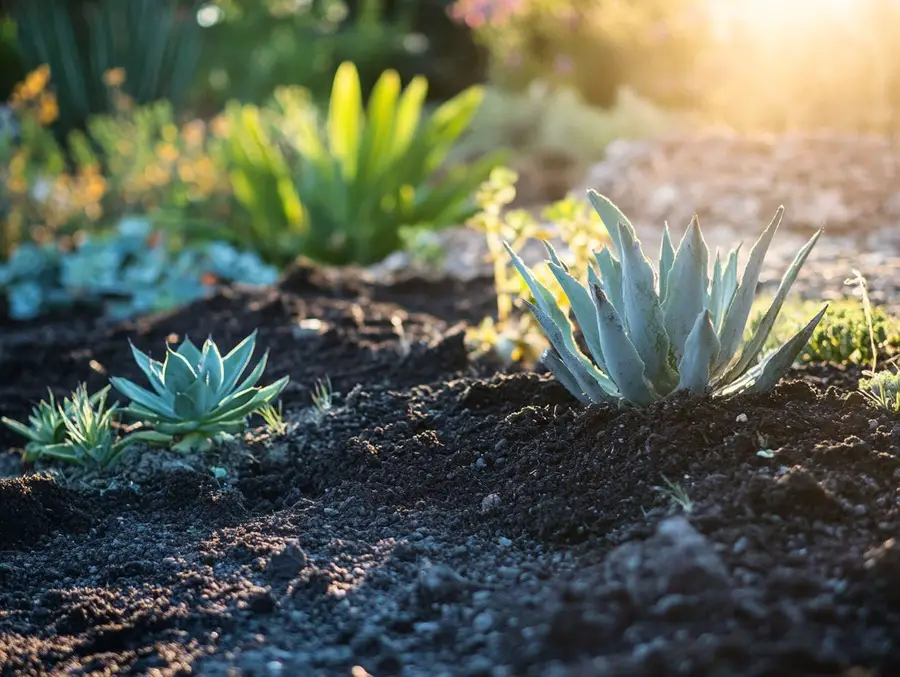
Adding organic matter to your soil is a game-changer for enhancing its structure and moisture retention, especially when you’re diving into xeriscaping.
Think of organic matter like leaf litter, grass clippings, and compost as your soil’s best friends.
They improve aeration, boost nutrient availability, and set the stage for those drought-resistant plants to really thrive.
This help your plants stay healthy, and supports sustainable gardening practices by enriching the soil over time.
Incorporating these materials into your garden is easier than you think.
You can simply layer them onto your soil or mix them into the top few inches with a garden fork, it’s pretty straightforward!
Each type of organic matter brings its own perks; for example, compost is packed with nutrients and helps cultivate beneficial microbial life, while mulch made from grass clippings works wonders for suppressing weeds and keeping that soil nice and moist.
By focusing on these organic additions, you can seriously boost your soil conditions, promote a healthy ecosystem, and help your plants become more resilient against drought.
In the end, you’ll be on your way to creating a thriving, self-sustaining garden that you can be proud of.
Using Mulch
Using mulch is a fantastic way for you to conserve soil moisture and prevent erosion in your xeriscaping efforts. It’s really a must-have for any water-efficient landscape.
When you apply a layer of organic or inorganic mulch around your plants, you can cut down on evaporation, keep those pesky weeds at bay, and even boost the overall look of your garden.
This simple practice helps your plants thrive by keeping soil temperatures in check but also contributes to sustainable gardening and a resilient landscape.
In the world of xeriscaping, you’ll find that different types of mulch have their own special roles, and picking the right one can really amp up both functionality and visual appeal.
Organic mulches like wood chips, straw, or shredded leaves aren’t just pretty.
They improve soil structure as they break down and return essential nutrients to the earth, helping your plants grow healthier.
On the flip side, inorganic mulches like gravel or landscape fabric are your go-to for durability and long-lasting weed control.
Regarding applying mulch, remember to spread it evenly to a depth of about 2 to 4 inches, and keep it away from your plant stems to avoid any rot issues.
The benefits of mulch are significant: it boosts soil health by promoting beneficial microorganisms, reduces soil compaction, and most importantly, helps retain water.
This all leads to a thriving xeriscape garden that you can truly be proud of.
Choosing the Right Plants for Xeriscaping
Choosing the right plants for xeriscaping is key to creating a thriving, sustainable garden that flourishes in dry conditions.
By picking native and drought-resistant plants, you can make sure your landscape conserves water while also boosting local biodiversity.
These plants are perfectly adapted to their environment, needing minimal irrigation and maintenance, just what you want for xeriscaping.
Incorporating a variety of xeric plants will keep things interesting throughout the seasons and help you build a resilient landscape that supports different ecosystems.
Plants that Thrive in Poor Soil Conditions
Certain plants are perfect for xeriscaping in poor soil conditions, making them ideal picks for your water-efficient landscape design.
Xeric plants are known for their resilience and adaptability, thriving in environments with low soil fertility and limited moisture while showcasing a variety of textures and colors.
By adding these drought-resistant species to your garden, you can create a low-maintenance landscape that survives but truly thrives in challenging soil conditions.
Among these tough contenders, lavender and yucca really shine with their impressive ability to handle arid environments.
Lavender brings those lovely fragrant purple blooms that look great but also attract pollinators, boosting biodiversity in your landscape.
And then there’s yucca, with its striking, sword-like leaves and unique flowering structure that adds some serious architectural flair.
Their deep root systems let them tap into moisture well below the surface, making them super efficient at soaking up nutrients.
By choosing these plants, you’re not just improving the overall health and resilience of your garden; you’re fostering a sustainable approach to landscaping that requires minimal fuss over time.
Plants that Conserve Water
Choosing plants that conserve water is key to successful xeriscaping. These species are designed to thrive in dry conditions with minimal irrigation, making them your best friends in sustainable gardening.
Drought-resistant plants have unique adaptations that help them retain moisture and survive in arid landscapes, so they’re perfect candidates for your garden.
By embracing xeriscape principles and selecting water-efficient flora, you can create a landscape that flourishes but also contributes to important water conservation efforts.
Some fantastic options include:
- Succulents
- Native grasses
- A variety of flowering shrubs
All of which have amazing abilities to withstand long periods of drought.
For instance, succulents cleverly store water in their leaves, while native grasses develop deep root systems that tap into moisture far below the surface.
By incorporating these plants into your landscape, you’ll significantly reduce the need for irrigation and conserve those precious water resources.
Adopting xeriscaping helps local ecosystems by providing habitats for wildlife and improving soil health, ultimately promoting a more sustainable environment.
By making informed choices, you can play a crucial role in cutting down water consumption while still enjoying a vibrant and thriving outdoor space.
Maintaining Healthy Soil for Xeriscaping
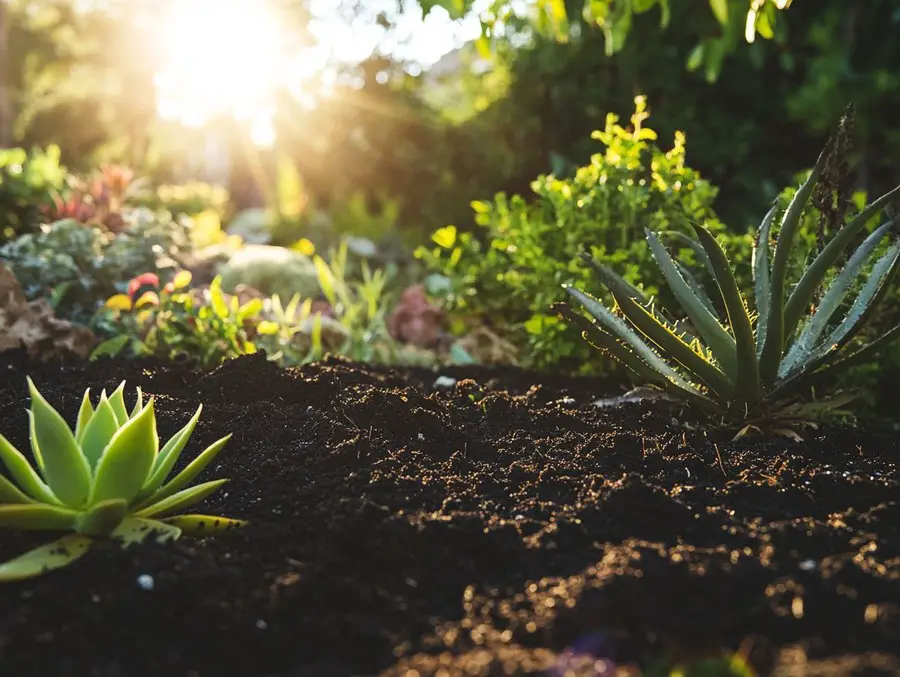
Maintaining healthy soil is crucial for the success of your xeriscaping efforts since it directly affects plant health and the overall ecosystem.
You’ll want to implement proper watering techniques, manage nutrients effectively, and practice erosion control to keep your soil thriving in your xeric garden.
By understanding what your soil and plants need, you can create a landscape that flourishes with minimal water while also supporting biodiversity and resilience.
Proper Watering Techniques
Implementing proper watering techniques is key for keeping your soil moist and encouraging healthy plant growth in xeriscaping.
Using water-efficient landscaping practices, like drip irrigation, can really boost your irrigation game by delivering water straight to the roots of your plants while cutting down on evaporation.
By getting to know the watering needs of your xeric plants and tweaking your techniques accordingly, you can help your garden thrive while using minimal water.
On top of drip irrigation, you might want to consider other efficient methods like soaker hoses and rainwater harvesting.
Both of these options contribute to sustainable water use. These techniques allow moisture to be distributed at a slower rate, which helps it penetrate deeper into the soil, super important for drought-resistant plants.
Keeping an eye on soil moisture levels with simple tools like moisture meters can help you figure out the best watering schedule, ensuring your plants get exactly what they need without the risk of overwatering.
With these practices, you’re not just conserving water. You’re also supporting healthier ecosystems by creating an environment where xeric plants can flourish with minimal fuss.
Fertilization and Nutrient Management
Effective fertilization and nutrient management are key for keeping your soil fertile and supporting the health of your xeriscaping plants.
By getting to know the nutrient needs of your chosen species and applying organic gardening practices, you can boost soil nutrients without sacrificing sustainability.
This approach helps your plants thrive and supports a healthy ecosystem that benefits soil microorganisms and biodiversity.
Using methods like composting and organic fertilizers can really enhance the quality of your soil in xeriscaping setups.
These techniques allow for a slow release of nutrients, which is super important for drought-tolerant plants that don’t need frequent watering.
Practices such as mulching work wonders too as they help retain moisture while gradually feeding the soil as the organic matter breaks down.
By focusing on these natural strategies, you can create a thriving xeriscape that conserves water and enriches the soil over time, fostering a vibrant habitat for beneficial insects and other wildlife.
Preventing Soil Erosion
Preventing soil erosion is crucial for keeping your xeriscaping efforts on track and ensuring your plants stay healthy.
By using effective erosion control methods and planting ground cover, you can shield your soil from the wear and tear caused by wind and water.
This helps maintain soil quality, supports habitat restoration, and boosts biodiversity in your landscape.
In xeriscaping, where water conservation is the name of the game, preserving soil structure becomes even more important.
If your soil erodes, it can hurt plant health and lead to increased runoff, which will further lower moisture levels.
Ground cover plants are your best friends in this battle against erosion. Their extensive root systems stabilize the soil while providing a protective layer against harsh weather.
You might want to incorporate techniques like:
- Mulching
- Using erosion control blankets
- Building terraces
to enhance soil stability.
By combining these strategies with ground cover plants, you can create a sustainable landscape that flourishes while keeping erosion risks at bay.
Frequently Asked Questions
What is soil improvement for xeriscaping?
Soil improvement for xeriscaping is the process of making changes to the soil composition in order to optimize water retention, reduce erosion, and promote plant growth in a xeriscaped garden or landscape.
Why is soil improvement important for xeriscaping?
Soil improvement is crucial for xeriscaping because it helps create a suitable environment for plants to thrive in a water-efficient landscape.
By improving the soil, you can reduce the need for excessive irrigation and maintenance, while also promoting healthy plant growth.
What are some common techniques for soil improvement in xeriscaping?
Some common techniques for soil improvement in xeriscaping include adding organic matter, using mulch, incorporating drought-tolerant plants, and practicing proper watering and fertilization techniques.
Can I use any type of soil for xeriscaping?
While some soils are better suited for xeriscaping than others, almost any type of soil can be improved for xeriscaping with the right techniques.
Clay soils, for example, can be amended with organic matter to improve drainage, while sandy soils can be improved with the addition of compost to increase water retention.
How long does it take to see results from soil improvement for xeriscaping?
The timeline for seeing results from soil improvement in xeriscaping can vary depending on the condition of the soil and the techniques used.
In general, it can take a few months to a full growing season to see significant improvements in soil quality and plant growth.
Can I incorporate soil improvement for xeriscaping into an existing landscape?
Yes, you can incorporate soil improvement techniques into an existing landscape for xeriscaping.
This may involve removing some existing plants and adding new ones that are more drought-tolerant, or amending the soil with organic matter and mulch to improve water retention.
Xeriscaping Design Principles: Beautiful Yards, Less Water
What is xeriscaping? A beginner’s guide to drought-tolerant landscaping