
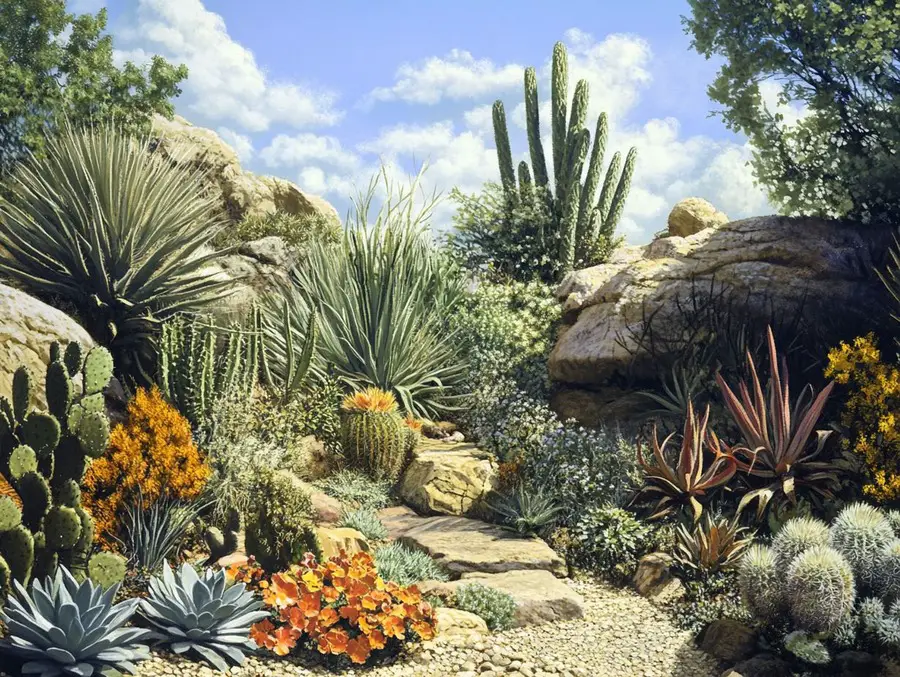
Xeriscaping for different climates works by adapting low-water landscaping principles to the conditions where you live. Whether your region is hot and dry, cold and wet, or somewhere in between, the right plant choices and design can reduce water use while keeping your yard healthy.
The biggest difference is how you match plants, soil, and irrigation to your local weather patterns.
In this guide, you’ll learn how xeriscaping changes across climate zones and how to build a more efficient landscape no matter where you garden.
What You’ll Learn
- How xeriscaping changes based on climate
- Which plants work best in dry, wet, and cold regions
- How soil and rainfall affect water use
- How irrigation changes by climate zone
- How to build a low-water yard almost anywhere
Quick Answer
Xeriscaping works in almost any climate by adapting plant choices, soil prep, and watering methods to local conditions. The goal stays the same: use less water while creating a healthy, low-maintenance landscape.
Xeriscaping for Different Climates: Transform Your Yard
Xeriscaping is more than just a trendy gardening technique. It’s a sustainable way to landscape that really helps you conserve water and make your outdoor space look fantastic.
This approach comes with a bunch of environmental and financial benefits that you’ll definitely want to consider.
We’ll go over essential factors to think about based on your climate, whether it’s hot, dry, cold, or wet.
Also, you’ll get practical techniques and tips for successfully putting xeriscaping into action.
Get ready to learn how to create a thriving xeriscape that suits your unique environment while promoting sustainability.
How Xeriscaping Changes by Climate
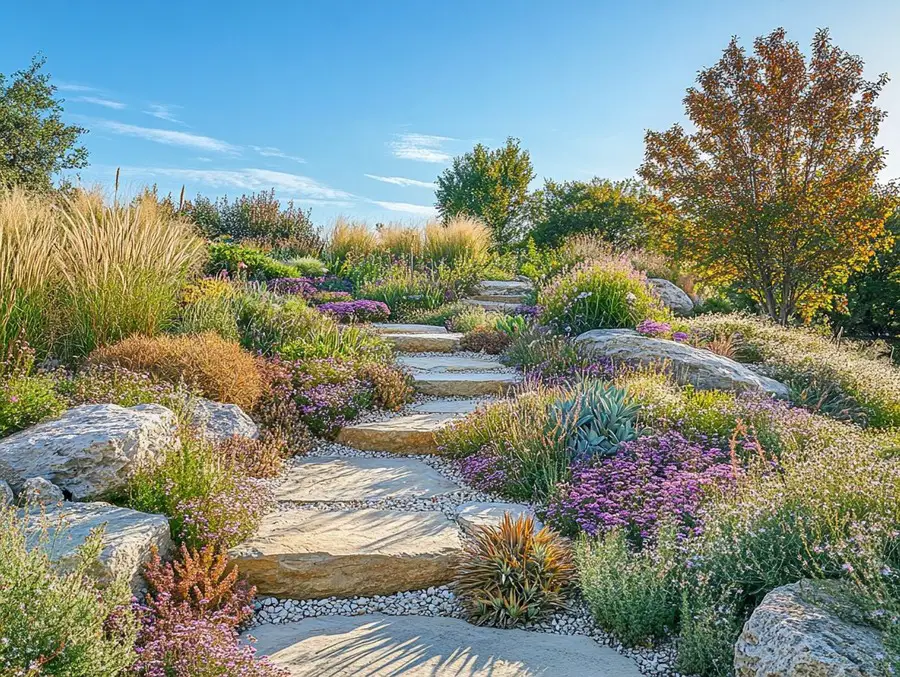
Xeriscaping follows the same core principles no matter where you live, but the way you apply them can change a lot depending on your climate. Factors like rainfall, temperature, humidity, and soil type all affect which plants will thrive and how much supplemental water they may need.
In hot, dry climates, the focus is usually on heat-tolerant plants, deep watering, and reducing evaporation. In colder or wetter climates, drainage, soil structure, and freeze tolerance often become bigger priorities.
The goal stays the same: build a landscape that works with your local conditions instead of fighting them. When you match your xeriscape design to your climate, plants establish faster, need less maintenance, and use water more efficiently over time.
What is xeriscaping? A beginner’s guide to drought-tolerant landscaping – CSU
Definition and Purpose
Xeriscaping is all about creating landscapes that need minimal irrigation, making the most of native plants and smart garden design to nurture an eco-friendly gardening vibe.
This approach doesn’t just save precious water resources; it also boosts biodiversity by using plants that are perfectly suited to your local climate.
Unlike traditional landscaping, which often leans on high-maintenance plants that guzzle water and resources, xeriscaping takes a different route.
It focuses on improving soil, using efficient irrigation, and placing plants strategically.
By prioritizing drought-resistant plants, xeriscaping makes your garden look great and brings some serious ecological benefits, reducing the overall environmental impact of your gardening habits.
In the end, these sustainable landscaping methods contribute to a healthier ecosystem while letting you enjoy a vibrant, low-maintenance garden.
Benefits of Xeriscaping
Xeriscaping offers benefits in almost every climate because it helps reduce water use, lower maintenance, and improve long-term landscape resilience. While the exact plant choices may change by region, the core advantages stay consistent.
By choosing climate-adapted plants and improving how water is used, xeriscaping can create healthier landscapes that are easier to manage and better suited to local conditions.
Environmental and Financial Advantages
One of the biggest advantages of xeriscaping is lower water consumption. Using plants that naturally fit your climate means less irrigation, less runoff, and fewer wasted resources over time.
Xeriscaping can also lower maintenance costs by reducing mowing, fertilizing, and frequent watering. Many drought-tolerant and native plants need less upkeep once established, which saves both time and money.
Beyond the savings, xeriscaping supports biodiversity by creating habitats for pollinators and wildlife while helping build stronger, more climate-resilient landscapes.
Factors to Consider for Different Climates
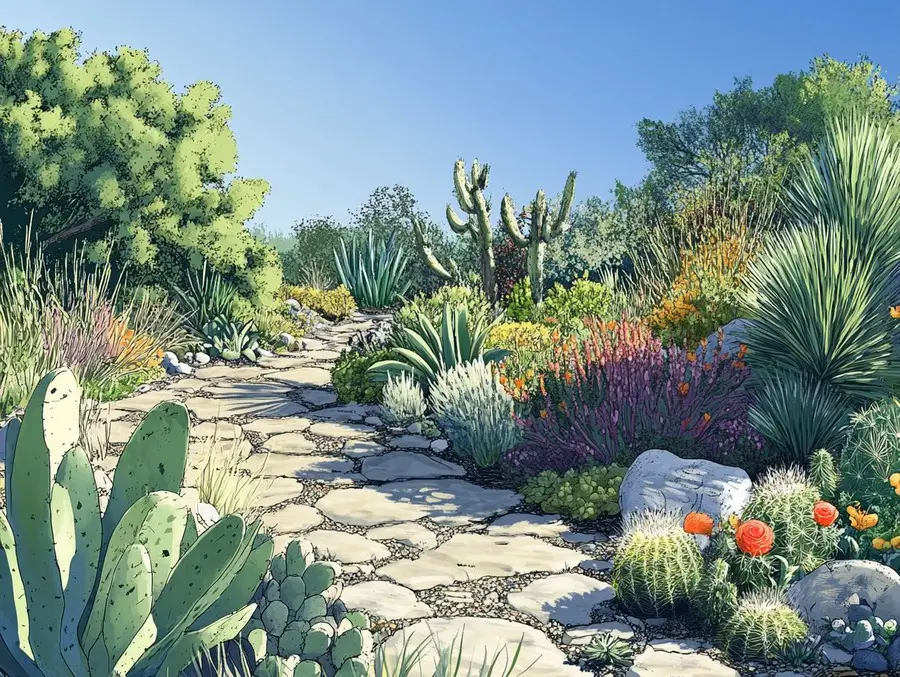
When you’re planning your xeriscaped garden, it’s super important to think about a few key factors that are specific to your region’s climate, like temperature, precipitation levels, and soil types.
Understanding your local climate zones will help you choose the right plants, figure out the best irrigation methods, and design your garden in a way that allows it to thrive, no matter how arid or humid it gets.
By keeping these elements in mind, you can boost your garden’s resilience against climate change and promote sustainable practices.
Temperature, Precipitation, and Soil Type
Understanding how temperature, precipitation, and soil types interact is key for you to nail xeriscaping.
These factors play a huge role in plant selection and how you manage irrigation.
When you recognize your specific climate conditions and the variations in soil moisture levels, you can make smart decisions about which drought-resistant plants to add to your landscape.
For example, if you’re facing extreme temperatures, it’s crucial to choose native species that can thrive in your local environment, which helps cut down on water needs.
Adding mulch can work wonders by regulating soil temperatures, retaining moisture, and reducing evaporation.
Using efficient irrigation techniques, like drip systems, will ensure your plants get enough water during dry spells without drowning them during the rainy season.
By thoughtfully addressing these environmental factors, you can create a flourishing xeriscape that conserves water and also boosts the beauty of your landscape.
Xeriscaping Techniques for Hot and Dry Climates
In hot and dry climates, using effective xeriscaping techniques is key to creating a flourishing garden that conserves water and highlights the beauty of drought-resistant plants.
You’ll want to choose your plants carefully, focusing on low-water options, and get creative with irrigation methods that keep the soil moist without wasting resources.
By designing xeric gardens that tap into local microclimates, you can boost the heat tolerance and resilience of your landscape while enjoying vibrant growth throughout the seasons.
Plant Selection and Irrigation Methods
Selecting the right plants and irrigation methods is key to making xeriscaping work in hot and dry climates, ensuring your garden stays vibrant and sustainable.
To kick things off, think about choosing drought-resistant plants that are ready to thrive in arid conditions.
Options like succulents, native grasses, and certain flowering species are your best friends here.
They need less water but also boost the overall biodiversity of your landscape.
On top of picking the right plants, you’ll want to implement effective irrigation techniques to keep the soil moisture just right.
Drip irrigation or soaker hoses are great options because they deliver water straight to the roots and cut down on evaporation losses.
Don’t forget about mulch! Adding it can help retain moisture, keep your plants healthy, and reduce how often you need to water.
Xeriscaping in Mediterranean Climates

Mediterranean climates are known for their warm, dry summers and mild, wet winters.
Xeriscaping in these regions focuses on using drought-tolerant plants that thrive in seasonal rainfall while minimizing the need for additional irrigation.
By choosing the right plants and implementing smart water management techniques, you can create a stunning, sustainable landscape that conserves water and enhances the natural beauty of your surroundings.
Best Plants for Mediterranean Xeriscaping
Mediterranean gardens benefit from plants that can handle both dry summers and occasional winter rain. Some top choices include:
- Lavender – A fragrant, hardy shrub that thrives in full sun and well-drained soil.
- Rosemary – A drought-tolerant herb that adds beauty and serves as a culinary staple.
- Olive Trees – Iconic in Mediterranean landscapes, they require little water once established.
- Succulents & Cacti – Aloe, agave, and echeveria are great low-water options.
- Bougainvillea – A vibrant flowering vine that thrives in dry conditions.
- Drought Tolerant Grasses – Such as blue fescue and fountain grass, which add texture and movement to the garden.
Water Conservation Strategies
To make the most of limited water resources, use these xeriscaping techniques:
- Mulching – A thick layer of mulch helps retain moisture, reduce evaporation, and suppress weeds.
- Drip Irrigation – Provides targeted watering at the root zone, preventing waste.
- Gravel Pathways & Rock Gardens – Reduce lawn space and help with drainage while maintaining an elegant, natural look.
- Rainwater Harvesting – Collecting and storing rainwater during wetter months can provide irrigation during dry spells.
Soil Considerations
Mediterranean soil is often rocky or sandy, making proper soil preparation key:
- Amend Soil with Organic Matter – Improves water retention and nutrient availability.
- Ensure Proper Drainage – Raised beds or gravel layers can prevent root rot during wet winters.
By following these Mediterranean xeriscaping principles, you can create a beautiful, water-wise garden that thrives year-round with minimal maintenance.
Xeriscaping Techniques for Cold and Wet Climates
When you’re xeriscaping in cold and wet climates, you’ll need to use some unique strategies.
It’s all about picking the right plants and implementing effective drainage solutions to avoid problems like waterlogging and erosion.
Plant Selection and Drainage Solutions
Choosing the right plants and figuring out effective drainage solutions are essential for successful xeriscaping in cold and wet climates.
This will help ensure both your plant health and garden sustainability.
To really thrive in these tricky conditions, you might want to consider perennials like Siberian irises or ornamental grasses since they’re well-suited for those saturated soils.
Xeriscaping Plants for Cold and Wet Climates
When xeriscaping in cold and wet climates, you need plants that can handle excess moisture while still being drought-tolerant once established.
These plants should also withstand freezing temperatures and thrive in well-drained soil. Here are some great options:
Perennials
- Siberian Iris (Iris sibirica) – Thrives in moist soil but is drought-tolerant once established.
- Black-Eyed Susan (Rudbeckia hirta) – Tolerates poor soil and fluctuating moisture levels.
- Coneflower (Echinacea purpurea) – Hardy, drought-resistant, and attracts pollinators.
- Yarrow (Achillea millefolium) – Extremely hardy and does well in both wet and dry conditions.
- Lupine (Lupinus perennis) – Tolerates cooler climates and prefers well-draining soil.
- Daylilies (Hemerocallis spp.) – Very adaptable to varying moisture levels.
Shrubs
- Redtwig Dogwood (Cornus sericea) – Tolerates both wet and dry conditions and provides winter interest.
- Summersweet (Clethra alnifolia) – Loves moisture but can survive dry spells once established.
- Elderberry (Sambucus canadensis) – Handles wet soil but also thrives in drier conditions.
- Rugosa Rose (Rosa rugosa) – A tough, cold-hardy shrub that can handle moisture fluctuations.
Grasses and Ground Covers
- Switchgrass (Panicum virgatum) – Tolerates wet conditions but does well in droughts too.
- Blue Fescue (Festuca glauca) – Hardy and thrives in various moisture levels.
- Creeping Thyme (Thymus serpyllum) – Perfect for ground cover in well-drained soils.
- Pennsylvania Sedge (Carex pensylvanica) – A native sedge that thrives in moist to dry soil.
Trees
- River Birch (Betula nigra) – Handles wet feet but is also drought-tolerant.
- Tamarack (Larix laricina) – A cold-hardy tree that thrives in wet and dry conditions.
- Austrian Pine (Pinus nigra) – Handles poor drainage and cold winters well.
Tips for Xeriscaping in Cold and Wet Climates
- Improve drainage – Use raised beds or amend soil with gravel/sand to prevent waterlogging.
- Mulch wisely – Use bark or gravel mulch to retain moisture when needed but allow excess water to drain.
- Choose plants with deep roots – These plants will handle both wet and dry conditions better.
- Use permeable hardscaping – Gravel pathways and rock gardens can help with drainage and reduce muddy areas.
Incorporating native species can boost biodiversity and attract beneficial wildlife, making your garden’s ecosystem even better.
Effective drainage techniques, such as installing French drains, raised beds, or using rain gardens, can help relieve excess moisture and create a healthier environment for your plants.
By picking the right vegetation and managing water properly, you can cultivate resilient landscapes that withstand the elements but also give a positive boost to the overall ecosystem.
Implementing Xeriscaping in Your Climate
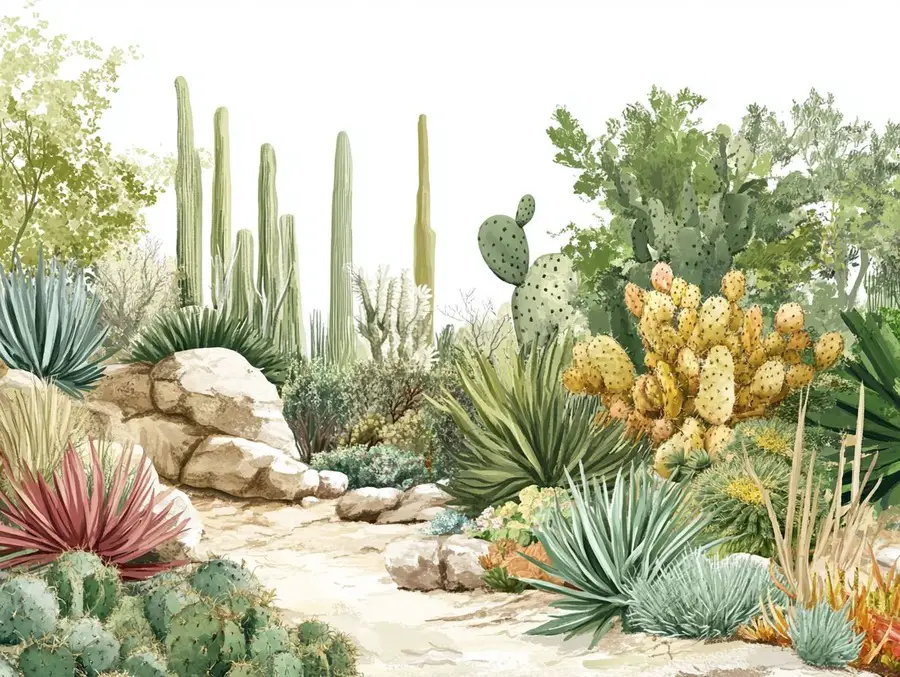
Successfully implementing xeriscaping in your local climate means you’ll need to mix careful planning with some thoughtful plant selection and ongoing maintenance.
This way, you can create a sustainable and resilient landscape that thrives in your environment.
Tips for Success and Maintenance
To achieve success with xeriscaping, you’ll want to keep a few key tips in mind and establish a maintenance routine that aligns with sustainable gardening principles.
First, take some time to understand the unique environmental conditions of your space.
Selecting the right native plants that thrive on minimal water is crucial, and don’t forget to add organic mulch to help retain that precious soil moisture.
Regular maintenance practices, like thoughtful pruning and keeping an eye on weeds, can really boost growth while cutting down on resource usage.
By scheduling seasonal check-ups on your garden’s health and using drip irrigation systems, you can keep your xeriscaping efficient and looking great no matter how the weather changes.
Embracing these practices helps conserve water but also supports ecosystem health, giving you a vibrant landscape that will thrive for years to come.
Frequently Asked Questions
Can xeriscaping work in rainy climates?
Yes. Xeriscaping in wet climates focuses more on drainage, plant spacing, and choosing species that can handle seasonal moisture while still reducing unnecessary watering.
Is xeriscaping only for desert areas?
No. Xeriscaping can be adapted for cold, wet, Mediterranean, and temperate climates by using local plant choices and climate-appropriate design.
Do cold climates need xeriscaping?
Yes. Even in colder regions, xeriscaping can reduce summer watering, improve drainage, and create lower-maintenance landscapes.
What is the biggest difference between climate zones?
Plant selection, soil drainage, and irrigation methods are usually the biggest differences when adapting xeriscaping to different climates.
How do I know which xeriscape plants fit my climate?
Start with native plants and local drought-tolerant species. These usually adapt best to your region’s rainfall, soil, and temperature swings.
Final Thoughts
Xeriscaping is flexible enough to work in almost any climate when you adjust your plant choices, soil preparation, and watering methods to match local conditions.
Whether you live in a hot desert, a rainy region, or somewhere with cold winters, the same basic goal stays the same: build a healthier landscape that uses water more efficiently.
The better your climate match, the easier xeriscaping becomes over time.
Explore More Climate-Specific Xeriscaping Guides
What is xeriscaping? A beginner’s guide to drought-tolerant landscaping