
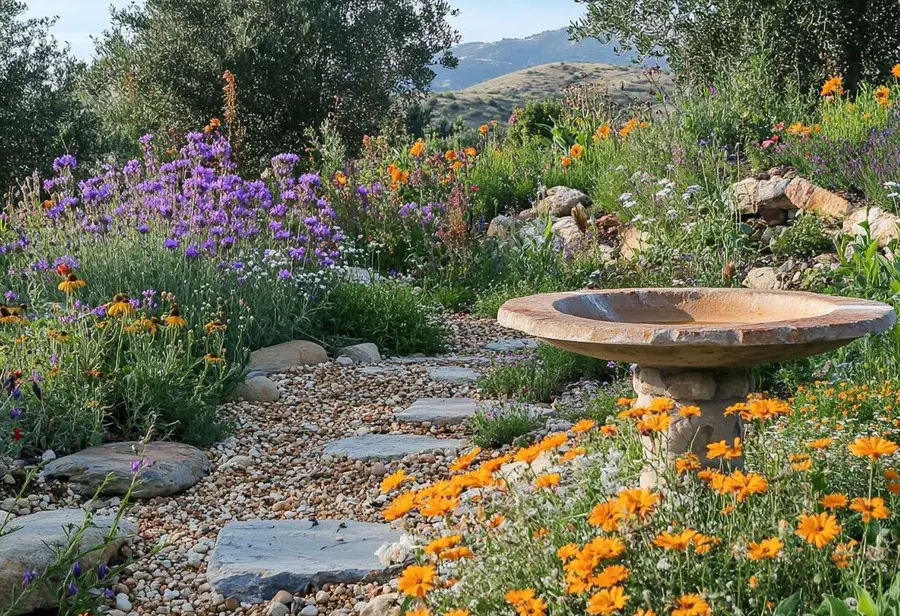
Xeriscaping for wildlife habitats gives you a way to save water while creating a yard that supports birds, pollinators, and other helpful wildlife. Instead of relying on thirsty plants and high-maintenance lawns, this approach builds a healthier outdoor space using native plants and smart design.
The result is a landscape that uses less water but still provides food, shelter, and seasonal interest for local ecosystems.
In this guide, you’ll learn how to design a wildlife-friendly xeriscape, choose the best plants, and create a low-water habitat that works with nature.
What You’ll Learn
- How xeriscaping supports birds and pollinators
- Why native plants are important for wildlife
- How to add water sources without wasting water
- Ways to build shelter and food sources naturally
- How to maintain a low-water wildlife habitat
Quick Answer
Xeriscaping for wildlife habitats uses drought-tolerant and native plants to create food, shelter, and water sources for birds, bees, butterflies, and other beneficial wildlife while using less irrigation.
Xeriscaping for Wildlife Habitats: Vibrant Nature Restoration
Xeriscaping isn’t just a clever way to save water; it’s also your ticket to creating a vibrant wildlife habitat right in your own backyard.
This approach serves both your garden and the local wildlife, emphasizing the importance of using native plants, adding water features, and following some essential maintenance tips.
You might have heard some common misconceptions about xeriscaping, but don’t worry, and we’ll clear those up to make it easier for you to embrace this eco-friendly method.
So, why not transform your outdoor space into a flourishing sanctuary for nature?
What is Xeriscaping and Its Benefits?
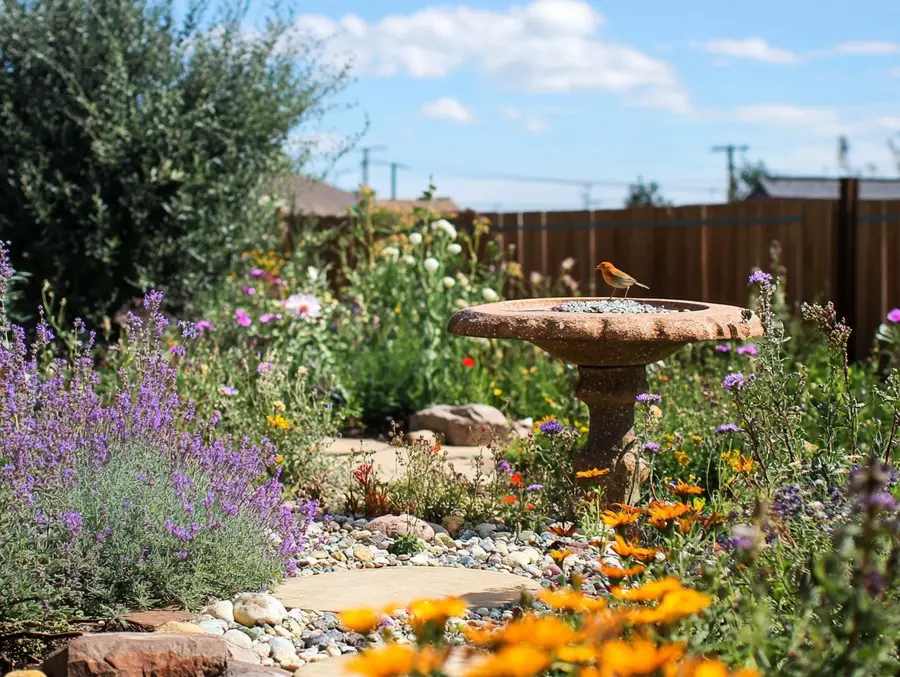
Xeriscaping is a clever way to approach landscaping that focuses on using drought-tolerant plants and sustainable gardening practices to save water.
It’s a great option for places that often experience dry conditions.
This method involves picking the right plants, managing irrigation effectively, and planning your landscape thoughtfully.
The result? A vibrant garden that cuts down on water usage boosts biodiversity and supports local ecosystems.
Creating a Wildlife Habitat with Xeriscaping
Creating a wildlife habitat with xeriscaping means designing your landscape to support native wildlife and promote habitat restoration, all while using drought-resistant and native plants.
By adding features like pollinator gardens and wildlife corridors to your xeriscaped outdoor space, you can encourage a diverse range of plants and animals that help maintain ecological balance and promote sustainable practices.
How Xeriscaping Can Attract and Support Wildlife
Xeriscaping can be a fantastic way for you to attract and support wildlife by incorporating native plants and setting up pollinator gardens that provide essential habitats for beneficial insects and birds.
To really boost your garden’s ecological impact, think about adding a variety of bird-friendly plants that offer both food and shelter.
This will help foster an ecosystem that’s rich in biodiversity.
By including flowering species that bloom at different times, you can ensure there are continuous nectar sources for butterflies and bees all year round.
Creating small habitats for insects, like brush piles, rock piles, or even a little water feature, can serve as safe havens for various beneficial species that help with natural pest control.
This approach encourages a thriving wildlife community and contributes to a healthier environment and a more resilient garden ecosystem.
Choosing Native Plants for Xeriscaping
Choosing native plants for xeriscaping is key to creating a resilient garden that thrives in dry conditions, supports local wildlife, and boosts soil health.
When you select drought-tolerant plants that are well-suited to your region, you’re not just making your garden look good.
You’re also improving plant biodiversity and contributing to the sustainability of local ecosystems.
It’s a win-win for you and the environment!
Benefits of Native Plants for Wildlife Habitats
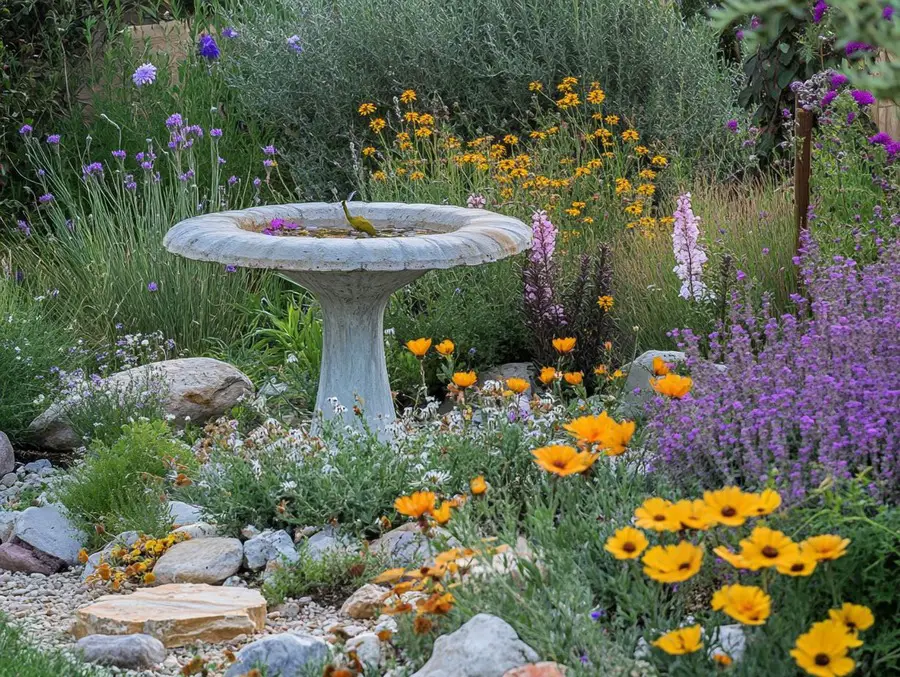
Native plants come with a bunch of perks for wildlife habitats, like boosting biodiversity, keeping ecological balance in check, and supporting local pollinators.
When you add native flora to your garden, you’re not just creating a vibrant space for wildlife. You’re also doing your part for the health of your local ecosystem.
On top of that, using native plants can seriously boost soil health by encouraging beneficial microorganisms and improving soil structure.
Once they’re established, they usually need less water, which means you can cut back on irrigation and help save those precious water resources.
This isn’t just a win for you as a gardener or homeowner. It’s also a crucial move for wildlife conservation.
By providing essential shelter and food sources, you’re helping various species thrive.
By focusing on natural ecosystems with indigenous plants, you can help restore habitats, enhance ecosystem services, and create a more resilient environment for future generations.
Incorporating Water Features in Xeriscaping
Incorporating water features into your xeriscaping boosts the aesthetic appeal of your space, enhances wildlife habitats, and promotes water conservation.
By adding things like ponds, rain gardens, bird baths, or water-efficient landscaping, you can create little microhabitats that attract all sorts of diverse species and support local ecosystems.
Plus, you’ll be practicing effective irrigation management while you’re at it. It’s a win-win for both you and the environment!
How to Include Water for Wildlife in Xeriscaping
Including water for wildlife in your xeriscaping project is totally doable with some sustainable practices that help create friendly habitats while keeping water use to a minimum.
By embracing eco-sensitive design principles, you can transform your outdoor spaces into thriving ecosystems.
Simple things like adding shallow dishes or small containers filled with water can attract beneficial insects, like pollinators, which are essential for healthy plant life.
Planting native vegetation around your water features makes the area more attractive and provides shelter and feeding opportunities for various creatures.
Plus, incorporating rock or gravel substrates can create microhabitats that help frogs and other amphibians flourish.
This approach boosts biodiversity and enhances the overall resilience of your xeriscape, making sure it stays vibrant and supportive of wildlife throughout the different seasons.
Maintaining a Xeriscaped Wildlife Habitat
Maintaining a xeriscaped wildlife habitat means you’re committing to sustainable gardening techniques that boost soil health and support biodiversity while keeping maintenance to a minimum.
By using low-maintenance plant communities and practicing the right care, you can create a thriving environment for wildlife that needs less water and input as time goes on.
Tips for Proper Care and Upkeep
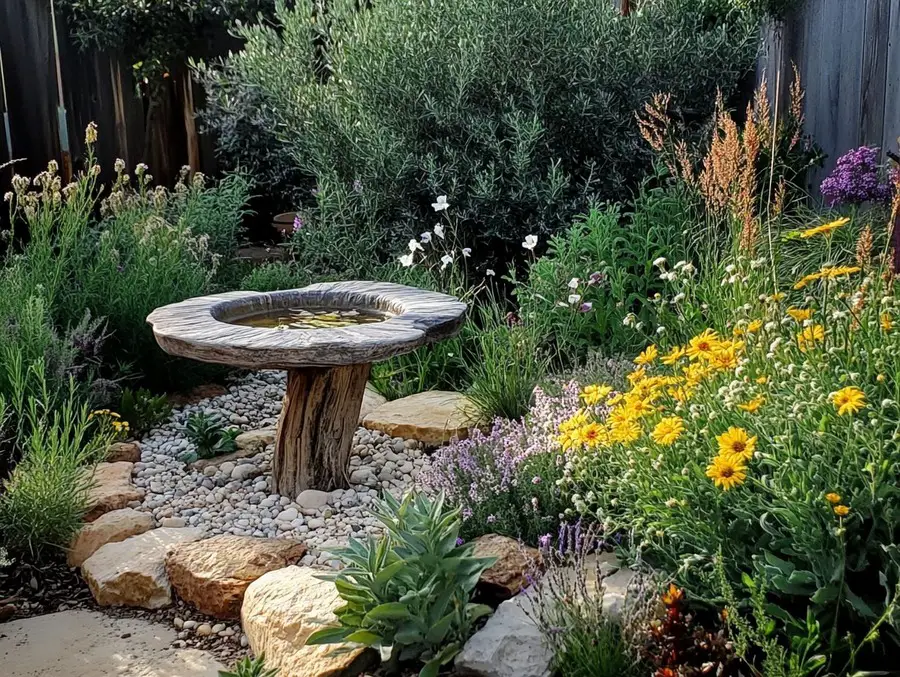
To make sure your xeriscaped habitat stands the test of time, proper care and upkeep are key.
You want to foster a wildlife-friendly garden that benefits both the ecosystem and your community.
By incorporating sustainable practices like composting, soil amendments, and smart irrigation management, you can really boost your garden’s positive environmental impact.
When you strategically choose native plants that need little water and attract local pollinators, you’ll create a vibrant space that thrives and supports essential wildlife species.
Getting community members involved in maintenance activities, like planting days, can help everyone feel a sense of ownership and raise awareness about how important these gardens are for the environment.
Make it a habit to check for pests and diseases regularly, and use organic treatments when needed.
Don’t forget to mulch effectively to contribute to a resilient landscape.
Ultimately, this holistic approach encourages biodiversity while enhancing the beauty of your garden, giving both wildlife and community members a lovely sanctuary.
Common Misconceptions About Xeriscaping for Wildlife
You might have heard some common misconceptions about xeriscaping that could lead to misunderstandings about how well it works for wildlife habitats.
A lot of people think it’s just about using drought-tolerant plants, but that’s not the whole story.
In reality, xeriscaping can really help create habitats and support native wildlife when it’s done thoughtfully.
By focusing on biodiversity and sustainable practices, you can make your landscape a haven for all sorts of creatures.
Debunking Myths and Addressing Concerns
Debunking myths about xeriscaping is key for you to clear up any concerns or misconceptions that might hold you back from embracing this sustainable gardening approach.
It’s often mischaracterized as being purely utilitarian, but the truth is that xeriscaping can be a stunning way to enhance biodiversity and create a wildlife-friendly space that promotes environmental stewardship.
When you incorporate native plants, you’re not just conserving water; you’re also supporting local ecosystems and wildlife by providing essential habitats for pollinators and other beneficial critters.
If you’re worried that xeriscaped gardens lack color or vibrancy, those fears can be put to rest with well-planned designs that bring together a variety of textures, shapes, and seasonal blooms.
This gardening technique isn’t just about conservation landscaping.
It’s also your chance to enjoy the visual rewards of a thoughtfully curated garden that positively impacts the environment, boosting both beauty and ecological health.
Frequently Asked Questions
Can xeriscaping really attract wildlife?
Yes. Native plants, flowers, and water sources can attract birds, bees, butterflies, and beneficial insects.
Do I need a pond for wildlife in xeriscaping?
No. Simple bird baths, shallow dishes, or small rain gardens can provide enough water for many species.
What plants are best for wildlife xeriscaping?
Native flowering plants, grasses, shrubs, and seed-producing perennials are often the best choices because they match local wildlife needs.
Does wildlife xeriscaping need more maintenance?
Not usually. Once established, native plants often need less watering, less fertilizer, and less pruning.
Can xeriscaping help pollinators?
Yes. Xeriscaped pollinator gardens can provide nectar, pollen, and habitat for bees, butterflies, and hummingbirds.
Final Thoughts
Xeriscaping for wildlife habitats proves that saving water and supporting nature can work together. A well-planned xeriscape can create a healthy outdoor space that benefits both your yard and the local ecosystem.
By choosing native plants, adding small water sources, and creating natural shelter, you can build a landscape that attracts beneficial wildlife while staying low-maintenance.
Even small spaces can become valuable habitat when designed with wildlife in mind.
Best Plants for Xeriscaping: Easy-to-Grow Water-Wise Plants – Xeriscaping Basics
Explore More Wildlife-Friendly Xeriscaping Guides
What is xeriscaping? A beginner’s guide to drought-tolerant landscaping-CSU