
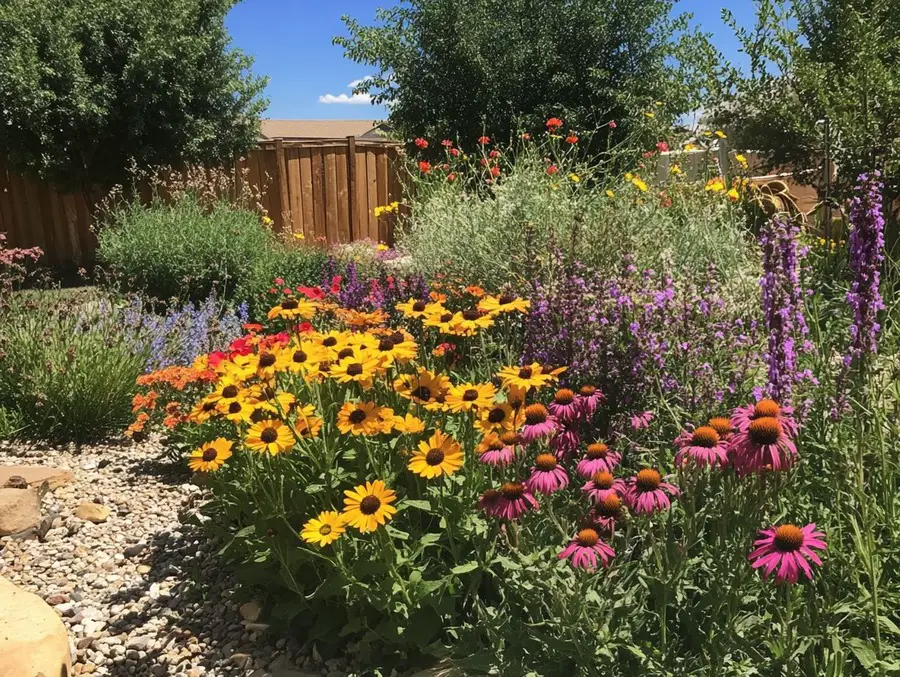
Pollinator-friendly xeriscaping plants make it possible to build a low-water garden that still attracts bees, butterflies, and hummingbirds. The right mix of drought-tolerant flowers and native plants can support local pollinators while keeping your yard easier to manage.
This gives you a landscape that uses less water, adds seasonal color, and helps support biodiversity at the same time.
In this guide, you’ll learn which plants work best, what pollinators need most, and how to build a stronger pollinator-friendly xeriscape.
What You’ll Learn
- Which low-water plants attract pollinators best
- Why native plants are important for pollinators
- How to design a better pollinator xeriscape
- How to support pollinators year-round
- How to maintain a pollinator-friendly low-water garden
Quick Answer
Pollinator-friendly xeriscaping plants are drought-tolerant flowers and native plants that provide nectar, pollen, and habitat for bees, butterflies, hummingbirds, and other beneficial pollinators.
Pollinator-Friendly Xeriscaping Plants: Stunning & Resilient
Xeriscaping is a clever way to landscape that focuses on conserving water while also creating beautiful, sustainable gardens.
This method enhances your outdoor space and supports important pollinators that are essential for both ecosystems and agriculture.
By choosing the right plants and maintaining a pollinator-friendly environment, you can craft a garden that thrives with beauty and biodiversity.
So, why not dive in and create a flourishing xeriscape that nurtures nature?
What is Xeriscaping?
Xeriscaping is a sustainable gardening approach that really emphasizes water conservation and efficiency, especially in dry areas where water is a precious resource.
With this eco-friendly landscaping technique, you get to choose drought-resistant plants and xerophytes that thrive on minimal water.
This helps promote healthy ecosystems and reduces your reliance on traditional irrigation systems.
By incorporating xeriscape principles into your garden design, you can create beautiful green spaces while also contributing to biodiversity and local ecology, and hey, it helps minimize your carbon footprint too!
Definition and Benefits
The benefits of xeriscaping go way beyond just looking good; it’s all about sustainable practices that help you conserve water, improve soil health, and boost biodiversity in your garden.
By choosing native plants and drought-resistant species, you can create a vibrant ecosystem that supports pollinators and minimizes your gardening’s environmental impact.
Xeriscaping can also slash your long-term maintenance costs since these tough plants need less watering and fewer resources compared to traditional landscaping.
You’ll save money on your water bills, and with less time spent mowing lawns or applying fertilizers, you’ll have more freedom to kick back and enjoy your outdoor space.
The ecological perks of xeriscaping are huge. It conserves water, helps prevent soil erosion, and enhances local wildlife habitats, contributing to a healthier environment overall.
By embracing xeriscaping, you’re not just upgrading your property; you’re also taking an active role in promoting sustainable living.
The Importance of Pollinators
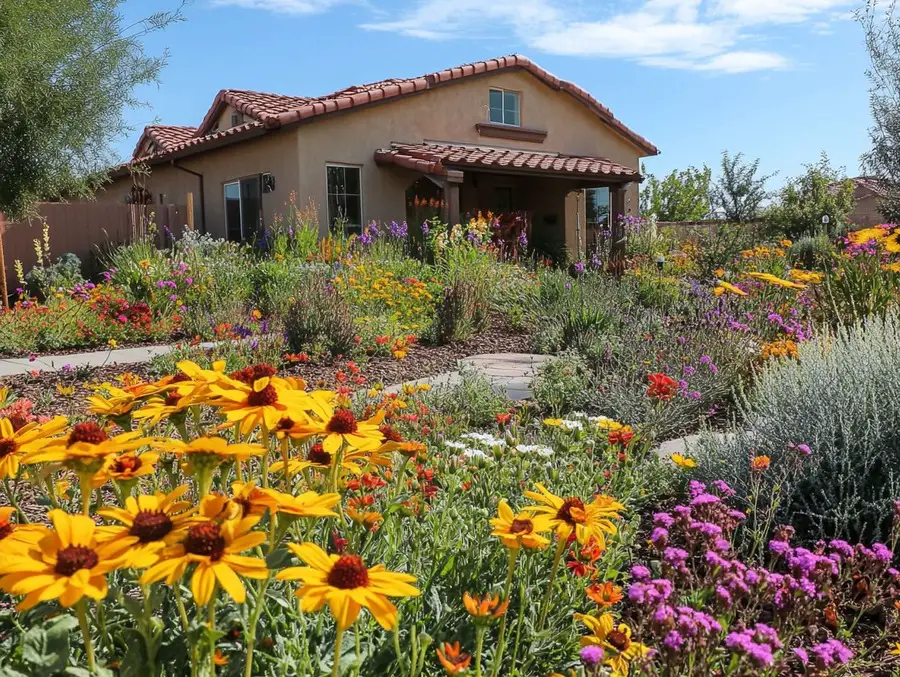
Pollinators like bees, butterflies, and hummingbirds are super important for keeping our ecosystems healthy and supporting biodiversity.
Their work helps with the reproduction of flowering plants, which are essential for food production and overall environmental balance.
That’s why designing pollinator-friendly gardens is a must if you’re into sustainable gardening practices.
Role in Ecosystems and Agriculture
In both ecosystems and agriculture, pollinators are your unsung heroes, helping to fertilize plants and boosting crop yields.
By relying on a variety of nectar sources from flowering plants, they encourage the growth of native flora, which in turn enhances plant diversity and ecological resilience.
Take bees and butterflies, for example. They’re crucial for producing many fruits and vegetables like apples, almonds, and tomatoes.
Without effective pollination, those bountiful harvests would be a thing of the past.
By helping a wide range of plants reproduce, pollinators play a key role in maintaining the balance of natural habitats, which supports other wildlife too.
This interconnectedness really highlights how important pollinators are, not just in agriculture but also in keeping biodiversity thriving.
That’s why initiatives to protect these vital species are so important for ensuring food security and promoting a stable ecosystem.
It’s all about conserving the habitats that support diverse plant life, which ultimately benefits us all.
Selecting Plants for Pollinator-Friendly Xeriscaping
When you’re picking plants for a pollinator-friendly xeriscape, it’s key to focus on native plants and drought-resistant species that offer plenty of nectar and pollen for bees, butterflies, and hummingbirds.
By giving priority to the right plant selection, you can create a thriving habitat for pollinators while also making sure your garden stays sustainable.
Characteristics to Look For
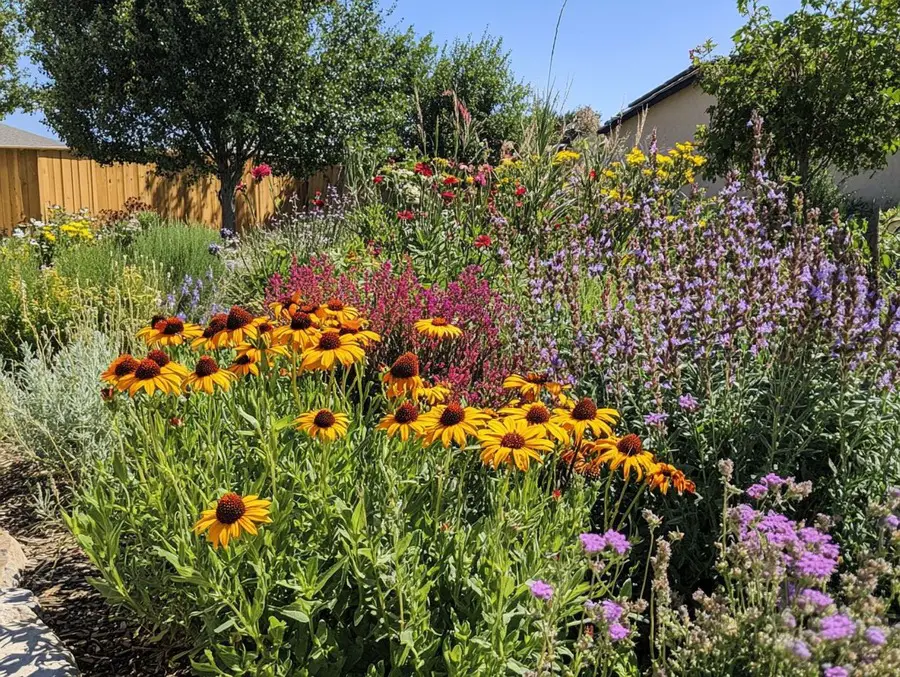
To create a successful pollinator-friendly xeriscape, look for characteristics like vibrant blooms, aromatic herbs, and drought-resistant traits in the native plants you choose.
These plants should provide plenty of nectar and pollen throughout different blooming seasons, ensuring your local pollinator populations have a continuous food supply.
Incorporating a variety of native species makes your garden visually appealing with seasonal colors and helps maintain soil health.
These plants have adapted to thrive in your local climate, often needing less water and creating a sustainable environment for beneficial insects.
Choosing a mix of perennials, which come back each year, and annuals, which bring fresh bursts of color, can really enrich your landscape while attracting bees, butterflies, and other important pollinators.
By focusing on these essential traits, you can promote biodiversity and nurture thriving ecosystems right in your own backyard.
Examples of Pollinator-Friendly Xeriscaping Plants
When you’re creating a pollinator-friendly xeriscape, you’ve got plenty of native plants and flowering options to choose from that thrive in those gardens.
Think about incorporating a mix of ornamental plants that attract bees, butterflies, and hummingbirds and bring vibrant color and texture to your landscape.
Native Plants to Consider
Incorporating native plants into your xeriscaping efforts is a fantastic way to boost pollinator habitats and promote biodiversity.
These plants have adapted perfectly to the local climate and soil conditions, so they require minimal maintenance while providing essential resources for local pollinators.
Take the elegant purple coneflower (Echinacea purpurea), for example.
Its vibrant blooms attract bees and butterflies and come with some impressive medicinal properties.
Then there’s the butterfly weed (Asclepias tuberosa), which is essential for keeping monarch butterflies happy by providing a host plant for their larvae.
And let’s not forget about the native bee balm (Monarda didyma). With its aromatic foliage and stunning flowers, it draws in a variety of pollinators, making it a real standout in any garden.
By choosing these native species, you can create a safe haven for those valuable insects while nurturing a healthy ecosystem that thrives on biodiversity.
Non-Native Options
While native plants are super important for local ecosystems, you can also consider some non-native options that work really well in pollinator-friendly xeriscaping.
Many drought-resistant ornamental plants offer vibrant blooms and also attract a variety of pollinators, all while sprucing up your garden’s look.
Take imported species like lavender and bee balm, for example.
They’re tough enough to handle dry conditions and provide essential food for bees, butterflies, and hummingbirds.
By adding these plants to your garden, you can create a visually stunning landscape that supports sustainable landscaping practices.
The vibrant colors of non-native flowers can really elevate your outdoor space while also boosting biodiversity.
It’s a practical choice if you want to encourage pollinator activity in your garden.
Their ability to thrive with less water while still offering nectar-rich blooms makes them a charming and useful addition to your conservation efforts.
Creating a Pollinator-Friendly Xeriscape
Creating a pollinator-friendly xeriscape is all about thoughtful garden design that focuses on building habitats and embracing ecological landscaping.
By planning out your space with just the right mix of native and flowering plants, you can craft an inviting environment for bees, butterflies, and hummingbirds.
You’ll be promoting sustainable gardening practices along the way.
Design Tips and Techniques
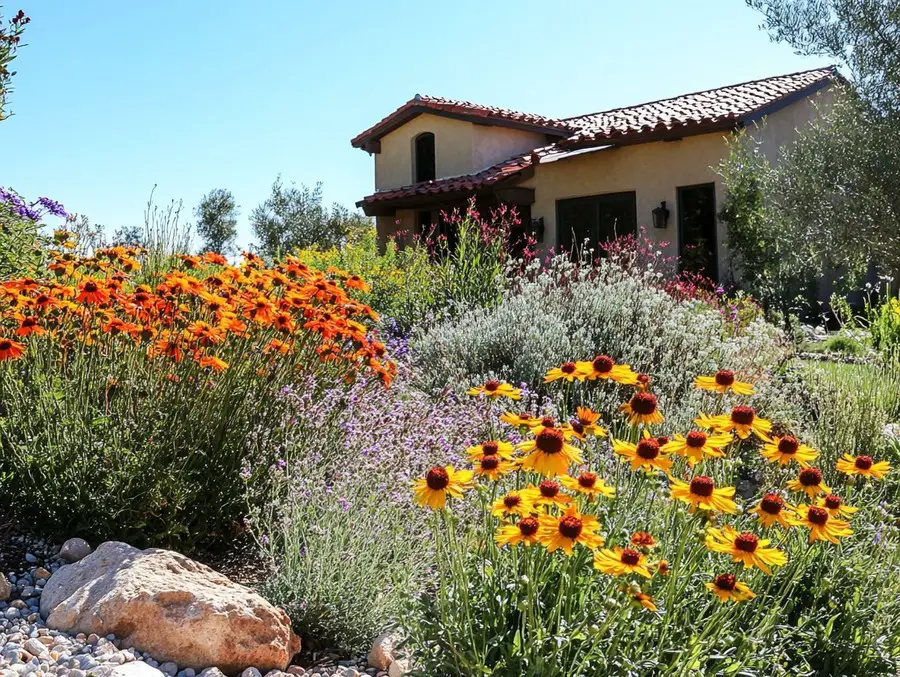 When you’re designing a pollinator-friendly xeriscape, think about some tips and techniques that can help you optimize plant selection and garden planning to support those busy pollinator habitats.
By focusing on low-maintenance solutions and seasonal interest, you can boost both the beauty and ecological function of your garden.
Using specific design techniques, like companion planting, can really make a difference.
This is where compatible plants grow together, supporting each other’s growth while attracting a variety of pollinators.
Layering your plants in different heights creates a vertical tapestry of blooms, offering nectar sources throughout the seasons.
Don’t forget about creating habitat corridors that connect different areas in your garden.
This encourages wildlife movement and supports biodiversity.
Thoughtful planning also involves choosing native plants that thrive in your area and laying them out to maximize sun exposure while providing shelter from harsh winds.
By implementing these strategies, you can cultivate a stunning sanctuary that’s not just a feast for the eyes but also a productive haven for the ecosystem.
Maintaining a Pollinator-Friendly Xeriscape
Keeping your pollinator-friendly xeriscape thriving takes a bit of commitment to sustainable practices, like proper pruning, efficient watering, and proactive pest control.
By using these maintenance strategies, you’ll keep your plants healthy and also do your part in supporting local pollinator populations.
Pruning, Watering, and Pest Control
Effective pruning, proper watering techniques, and integrated pest control are key to making your xeriscape a success.
These practices help improve the soil and ensure your garden remains a vibrant habitat for pollinators all year round.
When you incorporate these methods, you’ll enhance your plants’ resilience, allowing them to adapt better to changing weather conditions.
Pruning is especially important; by removing dead or diseased branches, you encourage healthier growth and let more sunlight nourish the remaining foliage.
Make sure you’re watering adequately. Using methods like drip irrigation, which conserves water by delivering it directly to the root zone is super important in xeriscaping.
Simultaneously, utilizing integrated pest control means you can minimize your reliance on harsh chemicals.
This helps protect beneficial insects and keeps the ecological balance in check.
In the end, adopting these sustainable gardening practices boosts your plants’ health and nurtures a strong ecosystem, contributing to the overall wellness of the environment.
Pollinator-Friendly Xeriscaping Plants FAQs
What are the best pollinator-friendly xeriscaping plants?
Some of the best options include lavender, yarrow, milkweed, salvia, coneflowers, bee balm, and native wildflowers that provide nectar and pollen while handling dry conditions.
Do pollinator plants need a lot of water?
Not if you choose drought-tolerant or native species. Once established, many pollinator-friendly xeriscape plants need much less water than traditional garden plants.
Should I only use native plants for pollinators?
Native plants are usually the best choice because local pollinators evolved alongside them, but some non-native drought-tolerant plants can still provide valuable nectar.
How do I keep pollinators visiting all season?
Plant a mix of early, mid, and late-season bloomers so pollinators always have access to food throughout the growing season.
Can I use pesticides in a pollinator xeriscape?
It’s best to avoid them whenever possible. Many pesticides can harm bees, butterflies, and other beneficial insects.
Final Thoughts
Pollinator-friendly xeriscaping plants are one of the best ways to combine water conservation with ecological benefits. They help support important pollinators while creating colorful, resilient landscapes.
By choosing the right mix of native and drought-tolerant plants, you can create a garden that stays active with bees, butterflies, and hummingbirds while using far less water.
A small pollinator xeriscape can make a big difference, both for your yard and your local ecosystem.
Explore More Pollinator and Plant Guides
What is xeriscaping? A beginner’s guide to drought-tolerant landscaping – Colorado State University