
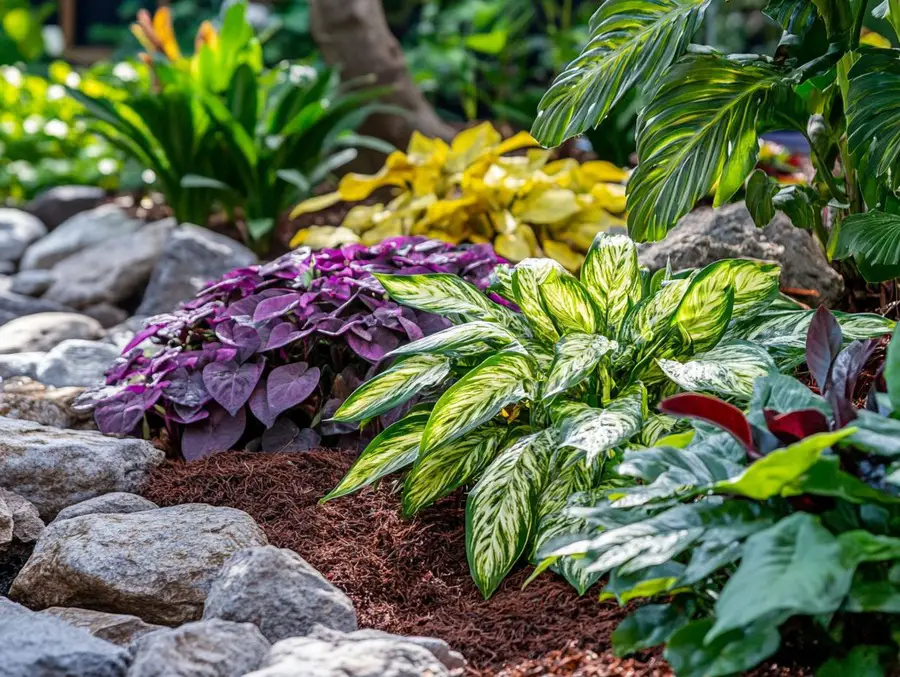
Shade-tolerant xeriscaping plants solve one of the biggest landscaping problems: dry shade. These tough spots under trees, beside fences, or on the north side of the house can be hard to fill, especially when water is limited.
The good news is there are plenty of drought-tolerant plants that can handle lower light and still thrive with minimal watering. That makes them ideal for building a low-maintenance xeriscape in places many gardeners struggle with.
This guide covers some of the best shade-friendly xeriscape plants, how to use them, and what to avoid in dry shaded areas.
What You’ll Learn
- Which xeriscape plants grow best in shade
- How to handle dry shade without overwatering
- What plants work under trees and fences
- How to improve shaded dry soil
- How to build a low-water shade garden
Quick Answer
Shade-tolerant xeriscaping plants include heuchera, yarrow, sedum, some ornamental grasses, coral bells, and native ferns. These plants can handle lower light while still using less water than traditional shade plants.
Why Shade-Tolerant Plants Matter in Xeriscaping
Dry shade is one of the hardest areas to landscape because plants have to compete with low light and limited moisture at the same time. That makes plant selection more important than in sunny xeriscape areas.
Shade-tolerant xeriscaping plants help solve that problem by handling lower light while still using less water than many traditional shade plants. This makes them useful under trees, beside fences, and around structures where dry shade is common.
Understanding Xeriscaping and Shade-Tolerant Plants
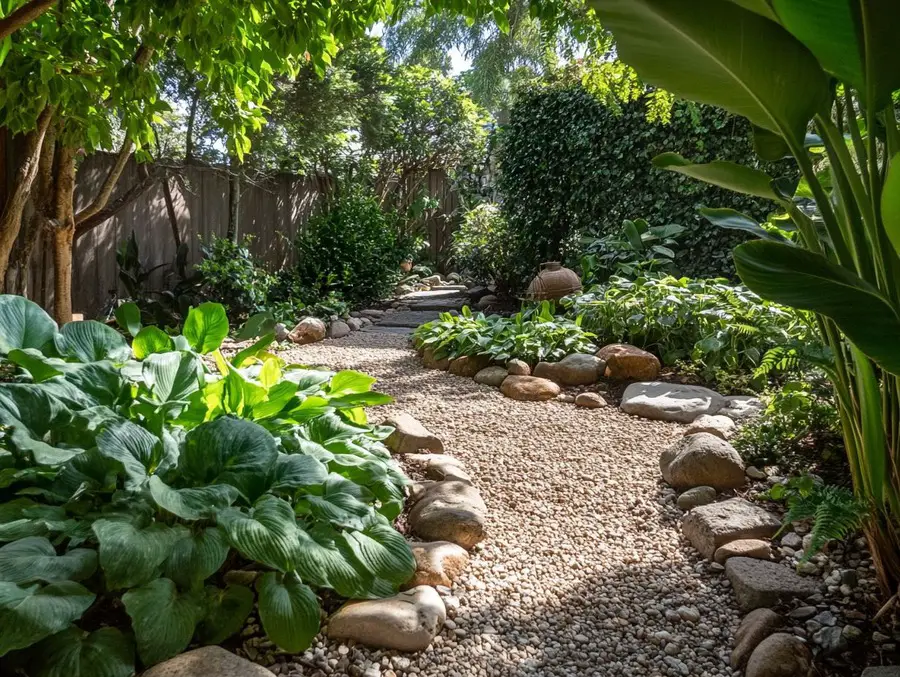
Understanding xeriscaping and shade-tolerant plants is key for you if you’re looking to create sustainable gardens that thrive in low-water conditions while boosting biodiversity in urban landscapes.
Xeriscaping emphasizes water conservation by using drought-resistant and native plants, which encourages eco-friendly practices in your landscape design.
By adding shade-tolerant plants to your garden, you can create a lush, low-maintenance space that flourishes even in those shady spots.
These plants help conserve soil moisture and offer chances to create habitats, making your outdoor area a win-win for wildlife and the environment.
Shade-tolerant xeriscape plants help fill difficult low-light spaces without increasing water use. They can improve soil coverage, reduce erosion, and make shaded areas easier to manage long term.
Many also support pollinators, improve biodiversity, and create better visual balance by softening harsh shaded spaces in the landscape.
Factors to Consider in Plant Selection
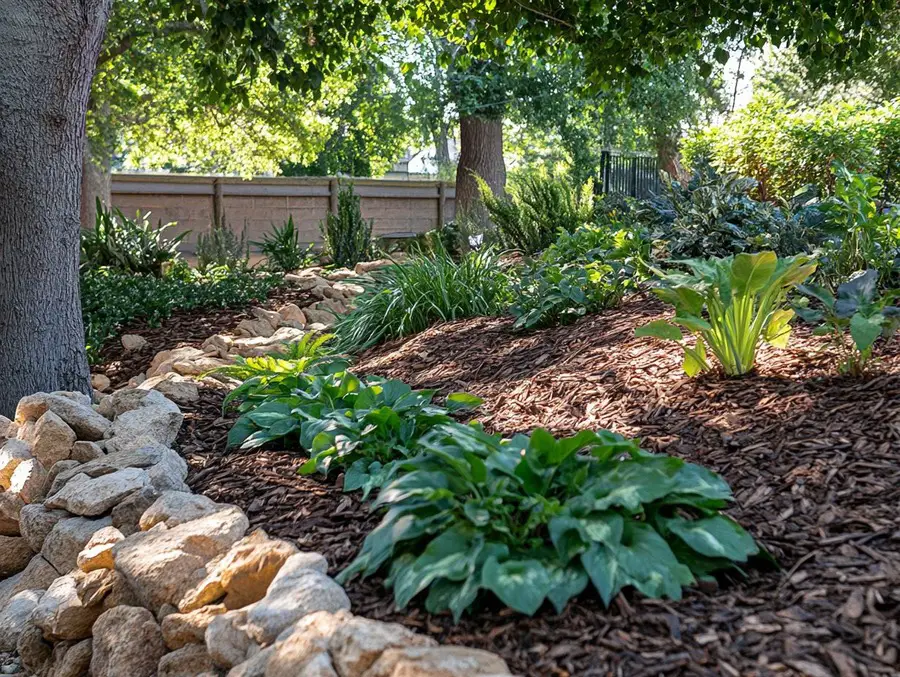
When you’re picking shade-tolerant plants, it’s super important to consider a few key factors, like soil health, light requirements, drainage, and the root systems of the plants you’re eyeing.
This way, you can make sure they thrive in your garden beds.
To start with soil health, testing the pH and nutrient levels is a great move.
This will help you figure out what amendments you might need for optimal growth.
You’ll also want to know if your soil is sandy, clayey, or loamy since that impacts how well it retains water and how well it aerates.
Next up, let’s talk about light requirements. Understanding your specific shade conditions, whether it’s full shade, partial shade, or filtered light will guide you in selecting the perfect plants.
Don’t forget about drainage, either; many shade-loving plants can fall victim to root rot if the soil is too soggy.
Using mulch and raised beds can work wonders for promoting better drainage while keeping moisture levels in check during those dry spells.
Examples of Shade-Tolerant Plants for Xeriscaping
There are several drought-tolerant plants that can handle lower light and still perform well in a xeriscape. The best choices usually combine shade tolerance with lower water needs, making them useful for dry areas under trees, beside fences, or along shaded foundations.
Good options include heuchera for colorful foliage, sedum for ground cover, yarrow for tough flowering color, carex for grassy texture, and native ferns that can handle drier shade conditions once established.
Epimedium is another strong choice for dry shade, especially where tree roots compete for moisture. In lighter shade, plants like California fuchsia can also add seasonal blooms while staying fairly drought-tolerant.
Mixing different heights, textures, and bloom times can help create a shaded xeriscape that stays attractive and easier to manage throughout the year.
Designing a Shade-Tolerant Xeriscaping Garden
Designing your own shade-tolerant xeriscaping garden requires a bit of thought and creativity.
You’ll want to focus on combining plants that look great together and provide some interesting texture variations.
Keeping sustainability in mind is key to making sure your garden thrives over time.
Tips for Layout and Plant Placement
When you’re planning the layout and plant placement for your shade-tolerant xeriscaping garden, think about the concept of microclimates.
These little pockets of varied conditions can really influence how well your chosen plants grow.
By getting a grip on the different conditions in your garden like those areas that catch dappled sunlight or spots that are protected from harsh winds you can create the perfect environment for various plant species.
Grouping plants with similar water and light needs boosts their health and gives you a landscape that looks fabulous.
Don’t forget about seasonal blooms! They keep your garden lively throughout the year.
If you incorporate companion planting strategies, you can naturally deter pests while encouraging healthier growth.
This way, your xeriscaping efforts can really thrive, even when the conditions aren’t ideal.
Maintaining a Shade-Tolerant Xeriscaping Garden
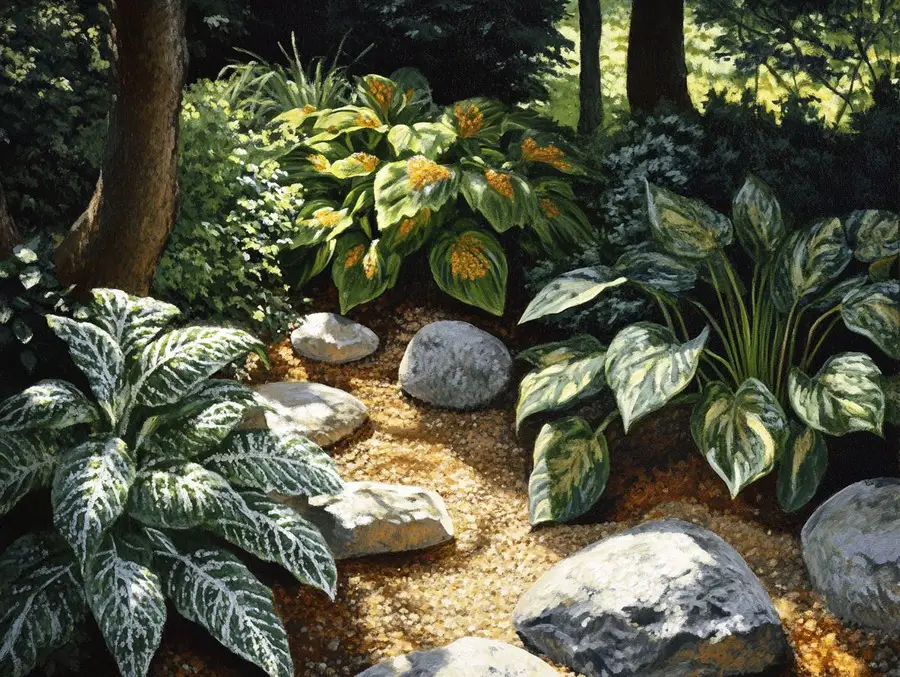
To keep your shade-tolerant xeriscaping garden thriving, you need to use the right care and seasonal maintenance techniques.
This will help your plants stay healthy and live longer and also promote organic gardening practices throughout your garden.
Proper Care and Maintenance Techniques
To keep your shade-tolerant xeriscaping garden thriving, you’ll want to adopt some solid care and maintenance techniques.
Focus on keeping that soil moisture just right, applying organic mulch, and using effective irrigation methods.
By putting these practices into action, you can create an environment that keeps your plants healthy and also cuts down on the need for constant watering.
Managing soil moisture is key so try techniques like deep watering.
This encourages roots to dig deep and reach for moisture below the surface, promoting strong root growth.
Don’t forget to apply organic mulch! It helps keep those pesky weeds at bay while maintaining a consistent soil temperature and retaining moisture.
Pairing these strategies with natural fertilizers like compost or worm castings will give your plants a nutrient boost without the harsh effects of synthetic options.
Optimizing your irrigation practices, think drip systems or timed watering can really help reduce water waste and ensure your plants get the steady hydration they crave.
Common Issues and How to Address Them
When you’re managing a shade-tolerant xeriscaping garden, you might run into some common issues like invasive species, pesky pests, and the need for seasonal upkeep to keep your plants happy and thriving.
It’s important to remember that shade-tolerant plants can struggle if they don’t get the care they need.
Invasive species can swoop in and outcompete your chosen plants, so being proactive about removing them is key to maintaining a healthy garden ecosystem.
Pests love those damp spots that often come with shady areas, so choosing pest-resistant plants can really cut down on infestations and save you from relying too much on chemical treatments.
Regular maintenance isn’t just about weeding and pruning. It’s also about checking in on soil health and moisture levels to keep your garden resilient.
By following these strategies, you can create a lush, sustainable space that thrives, even in the shade.
Frequently Asked Questions
Can xeriscape plants grow in shade?
Yes. While many xeriscape plants prefer sun, several can handle partial shade or dry shade once established.
What is the best plant for dry shade?
Heuchera, sedum, and some native ferns are among the best options for dry shaded spots.
Do shade xeriscape plants need less water?
Usually yes. Shade slows evaporation, but dry soil under trees can still compete for moisture.
Can I xeriscape under trees?
Yes, but root competition can make watering tricky. Choose tough, shallow-rooted drought-tolerant plants.
Final Thoughts
Shade-tolerant xeriscaping plants prove you do not need full sun to build a low-water landscape. With the right plant choices, even dry shaded areas can become attractive, low-maintenance parts of your yard.
Start by understanding how much shade you have, improve the soil where needed, and focus on plants that can handle both low light and drought. That combination makes dry shade much easier to manage long term.
Explore More Xeriscape Plant Guides
What is xeriscaping? A beginner’s guide to drought-tolerant landscaping – Colorado State University