
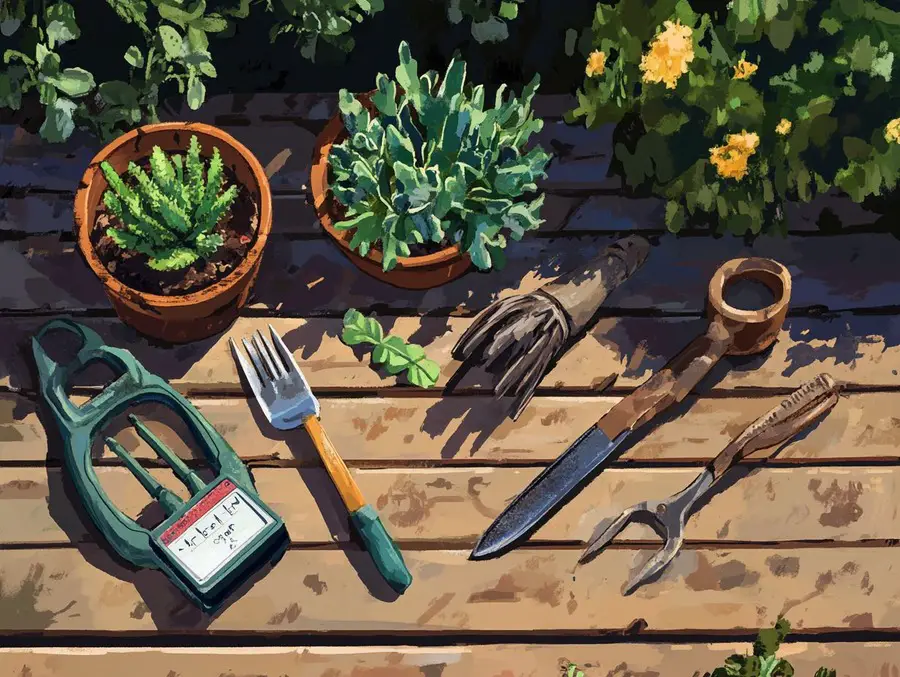
Having the right tools for xeriscaping can make building and maintaining a water-wise yard much easier. From soil prep to planting and irrigation, a few basic tools can save time, reduce effort, and help your landscape perform better.
The good news is you do not need expensive equipment to get started. Most xeriscaping projects can be handled with a handful of affordable garden tools and a few smart upgrades.
This guide covers the best tools for xeriscaping, what they do, and which ones are worth having before you start.
What You’ll Learn
- Which basic tools make xeriscaping easier
- What tools help with soil prep and planting
- How irrigation tools improve water efficiency
- Which tools are worth buying first
- How to maintain a xeriscape with less effort
Quick Answer
The most useful tools for xeriscaping include a shovel, rake, pruning shears, wheelbarrow, drip irrigation kit, mulch fork, and soil moisture meter. These help with planting, watering, and long-term maintenance.
Why the Right Tools Matter
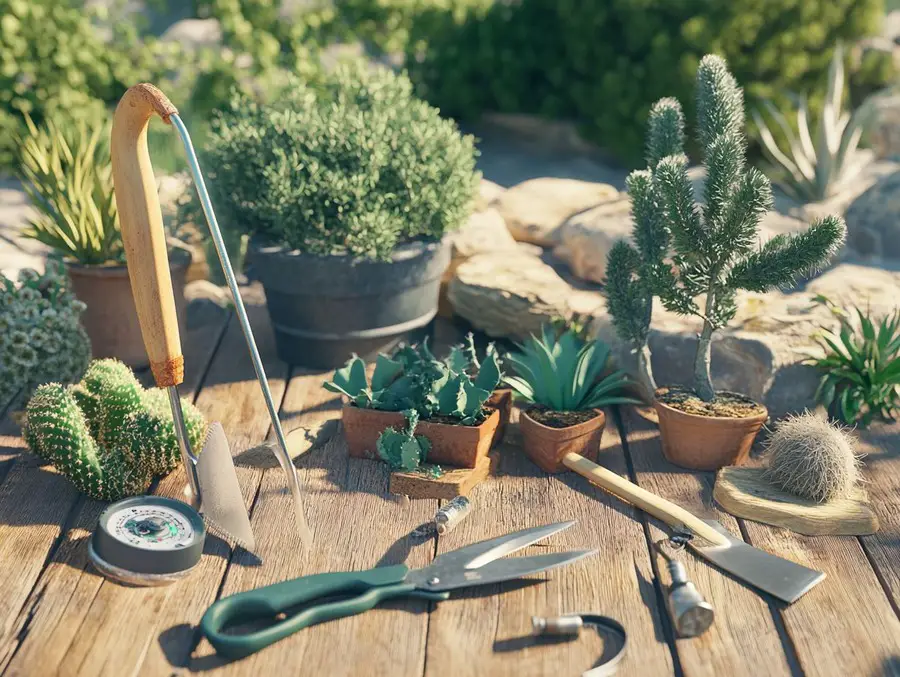
Xeriscaping often means working with soil, mulch, rocks, irrigation lines, and drought-tolerant plants. The right tools make those jobs easier and help you work more efficiently while reducing waste.
Good tools also make maintenance easier over time, especially when pruning, checking soil moisture, or adjusting irrigation systems.
Essential Tools for Xeriscaping
To kick off your xeriscaping journey, it’s important to arm yourself with the right garden tools and irrigation systems that help you use water efficiently while keeping your plants healthy.
You’ll want to grab a soil moisture meter—it’s a game-changer for monitoring moisture levels and preventing overwatering. Plus, having a selection of ergonomic tools like garden spades, pruning shears, and trowels will make planting and maintenance a lot easier on your hands.
Don’t forget about an efficient irrigation system, like a drip irrigation setup; it delivers water right to the roots of your drought-resistant plants, maximizing your conservation efforts and keeping those plants thriving.
Overview of Necessary Equipment
A few reliable tools can handle most xeriscaping jobs. Basic digging tools like shovels and rakes help with soil prep, while pruning shears and hand trowels make planting and maintenance easier.
For watering, drip irrigation supplies and a soil moisture meter can improve efficiency and help prevent overwatering. Mulch forks, wheelbarrows, and gloves are also useful for moving materials and maintaining your landscape over time.
Preparing Your Garden for Xeriscaping
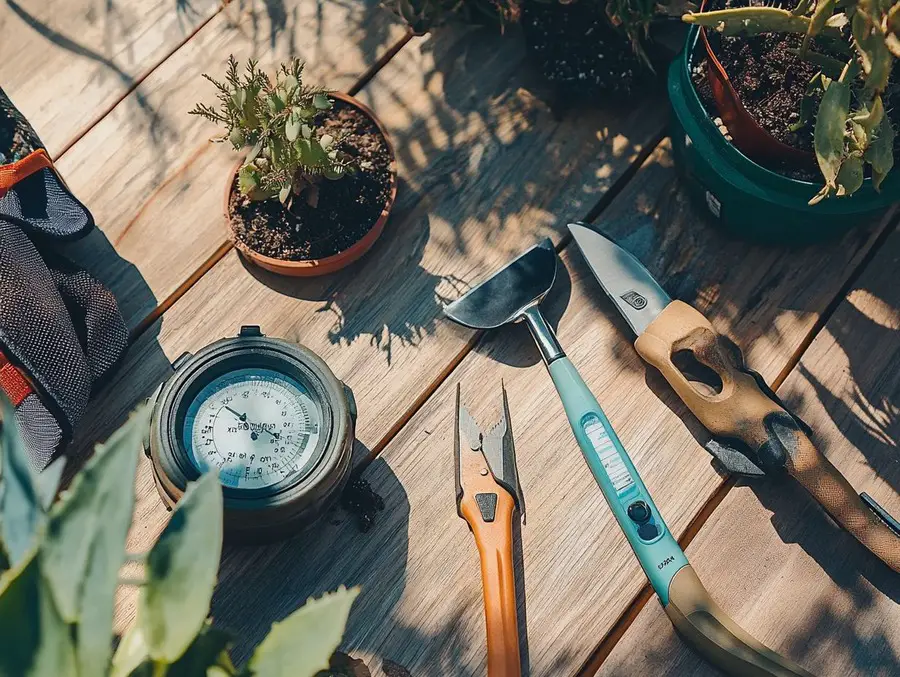
Preparing your garden before xeriscaping makes planting easier and improves long-term success. This usually means removing weeds, improving soil, checking drainage, and planning where irrigation lines will go.
Start by checking out your garden layout and soil conditions. Properly amending and preparing your soil is crucial for helping drought-resistant plants thrive. Adding organic compost can really boost your soil’s structure and nutrients, plus putting in good drainage solutions will keep water from pooling and prevent soil erosion.
If you want to get a clear picture of your xeriscape plan, consider using landscape design software. It’ll help you create a garden that looks great and works well, all while sticking to your sustainable landscaping goals.
Steps to Get Started
Starting your xeriscape garden is all about thoughtful steps that set you up for long-term sustainability and success. First, you’ll want to focus on plant selection by finding drought-resistant varieties that thrive in your local climate and plant hardiness zones. Consider incorporating perennials and native plants that can flourish with minimal maintenance.
Next, plan your seasonal planting to make the most of the best growing conditions. Also, think about creating designated garden paths for easy access and a bit of charm. Adding elements that promote wildlife habitats, like pollinator-friendly plants, can really boost the biodiversity of your xeriscape.
By doing this, you’re not just crafting an eco-friendly outdoor space; you’re also creating a sanctuary you can enjoy all year round. Don’t forget to include unique features like decorative rocks, stone benches, or dry creek beds. These not only add visual interest but also help with efficient drainage.
As you arrange your plants, consider grouping them by water needs. This way, you can optimize irrigation and cut down on waste. An intentional layout will lead to healthier plants and contribute to a more sustainable garden environment.
Ultimately, these smart steps will not only enhance your home’s beauty but also show your commitment to preserving natural resources while nurturing a thriving ecosystem.
Choosing Drought-Resistant Plants
Choosing the right drought-resistant plants is key to nailing your xeriscape. These plants are specially adapted to thrive in dry conditions while needing minimal water and care.
When you’re picking out plants for your xeriscape, focus on options like ornamental grasses, succulents, and native perennials that fit your local climate and soil. By mixing in a variety of textures and colors from these tough species, you can craft a visually stunning and low-maintenance garden that flourishes even when the going gets tough.
Plus, by planting indigenous species, you’re not just beautifying your space; you’re also supporting native ecosystems and boosting biodiversity in your backyard.
Top Plants for Xeriscaping
You’ve got a wealth of top plants for xeriscaping at your fingertips—these beauties not only handle drought like pros but also help create a vibrant and diverse garden ecosystem. Think about incorporating native grasses, succulents, and colorful perennials that thrive with minimal water.
Adding pollinator-friendly plants to your garden design is a win-win; it fosters a healthy environment for those busy bees and butterflies while making your landscape even more beautiful. When picking your plants, keep in mind how well they’ll do in your local climate and the benefits they’ll bring to the surrounding wildlife.
Choosing the right varieties is key to making xeriscaping work for you. Their unique textures and colors can transform your space into a visually captivating landscape. For instance, native sage and ornamental grasses bring an intriguing height and movement, while stonecrops and agaves add striking architectural forms.
The best part? Many of these resilient plants don’t need much maintenance, giving you more time to focus on the other fun aspects of gardening. By selecting drought-tolerant flora, you can significantly cut down on water usage, which is great for sustainability and can even help lower your utility bills.
This thoughtful approach not only beautifies your outdoor space but also supports local biodiversity by attracting beneficial insects and improving soil health.
Installing Efficient Irrigation Systems
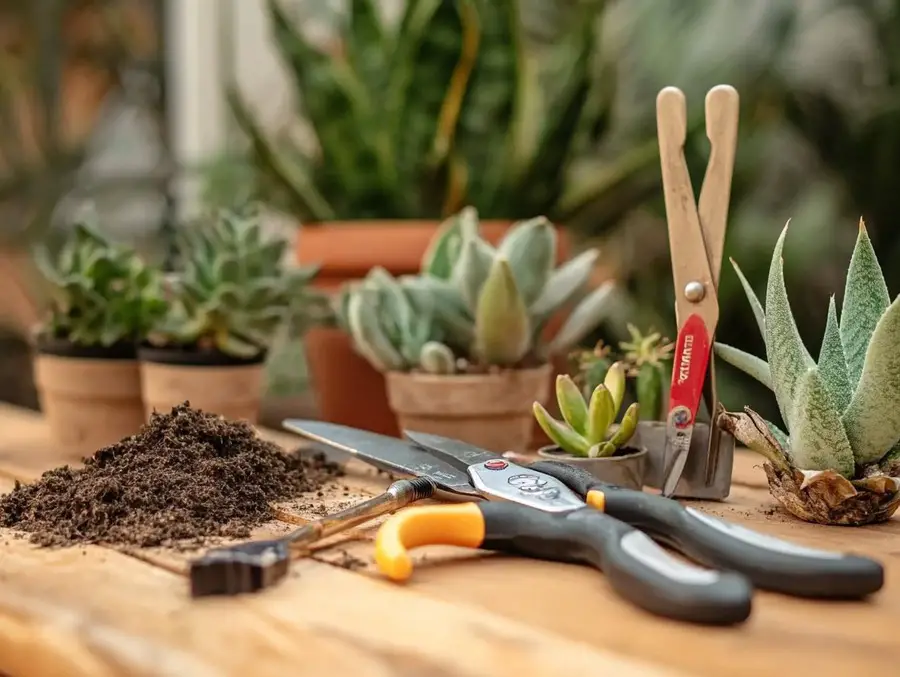
Installing an efficient irrigation system is key to making your xeriscape thrive. You want to make sure your drought-resistant plants get the moisture they need without wasting water.
Options like drip irrigation systems are a game changer since they deliver water straight to the roots, maximizing efficiency and reducing evaporation. You might also want to think about using rain barrels to catch and store rainwater for later use, which is a great way to promote sustainable gardening practices.
Plus, if you schedule your irrigation based on soil moisture levels, you’ll boost water conservation and help your plants stay healthy throughout the seasons.
Options for Watering Your Xeriscape
In terms of watering your xeriscape, you have some great options that focus on conserving water while keeping your plants happy and healthy. Drip irrigation is a favorite because it delivers water right to the base of your plants, minimizing evaporation and runoff. You could also consider using rain barrels to catch and store rainwater for those dry spells, making the most of what nature provides.
If you prefer a hands-on approach, manually watering with a watering can lets you target specific plants, but don’t forget to stick to an irrigation schedule to keep those moisture levels just right.
Each method has its own perks and quirks. Drip irrigation systems are super efficient, but they do come with initial setup costs and require some occasional maintenance to keep clogs at bay. Rain barrels are eco-friendly, but they rely on rainfall, which can be hit or miss depending on where you live. On the other hand, manual watering gives you complete control over how much water each plant gets, but it can eat up your time, especially if you’re tending to a larger garden.
Using tools like a soil moisture meter can really up your watering game, helping you figure out exactly how much your drought-resistant plants need. Plus, garden automation technologies can make things even easier, ensuring your plants get the moisture they need without you having to check in all the time.
Maintaining Your Xeriscape
Maintaining your xeriscape is key to ensuring its long-term success and sustainability, and once it’s set up, it really doesn’t take a ton of effort.
Regular plant care, like pruning and keeping an eye out for pests, will help your drought-resistant plants flourish while boosting the biodiversity in your garden.
Using organic mulch is a smart move too—it conserves soil moisture and keeps those pesky weeds at bay, cutting down on the need for chemical controls.
And if you add a weed barrier system, you’ll give your xeriscape even more protection from invasive species, letting your native plants thrive and creating a balanced ecosystem.
Tips for Long-Term Success
For long-term success in maintaining your xeriscape, it’s key to take a proactive approach. Think seasonal planting and regular soil testing to create the best growing conditions.
By keeping an eye on your plants’ needs and tweaking your care routine as necessary, you can build a resilient garden that thrives year after year. Plus, choosing a diverse array of plants not only makes your garden look great but also helps support the local ecosystem, creating a welcoming habitat for beneficial wildlife.
Consider setting up well-defined garden paths to make it easier for you to access different sections of your outdoor space. This will help you keep tabs on plant health and make any adjustments needed.
Periodically testing your soil is also a smart move; it’ll give you a clear picture of what nutrients your xeriscape plants need, so you can amend the soil accordingly.
Adding native species to your garden design is another fantastic way to boost biodiversity. These plants are usually more resistant to local pests and diseases, which can really enhance the overall resilience of your landscape. By implementing these strategies, you can adapt to climate changes while also creating a beautiful environment.
Frequently Asked Questions
What tools do I need to start xeriscaping?
A shovel, rake, pruning shears, wheelbarrow, mulch tools, and drip irrigation supplies are enough for most beginner xeriscape projects.
Do I need a soil moisture meter for xeriscaping?
It helps. A soil moisture meter can prevent overwatering and make irrigation more accurate.
Is drip irrigation worth it for xeriscaping?
Yes. Drip irrigation is one of the most efficient ways to water drought-tolerant plants while reducing evaporation.
Can I use regular gardening tools for xeriscaping?
Yes. Most standard gardening tools work fine, though some specialized irrigation tools can make setup easier.
Final Thoughts
The right tools can make xeriscaping easier, faster, and more effective. You do not need a huge collection to get started, but having a few reliable basics can save time and improve results.
Start with the essentials, build as you go, and focus on tools that help you manage soil, water, and plant care efficiently. Good tools make water-wise gardening much easier.
Xeriscaping for Beginners in Arid Climates: Smart Low-Water Tips
Explore More Xeriscape Setup Guides
What is xeriscaping? A beginner’s guide to drought-tolerant landscaping – CSU