
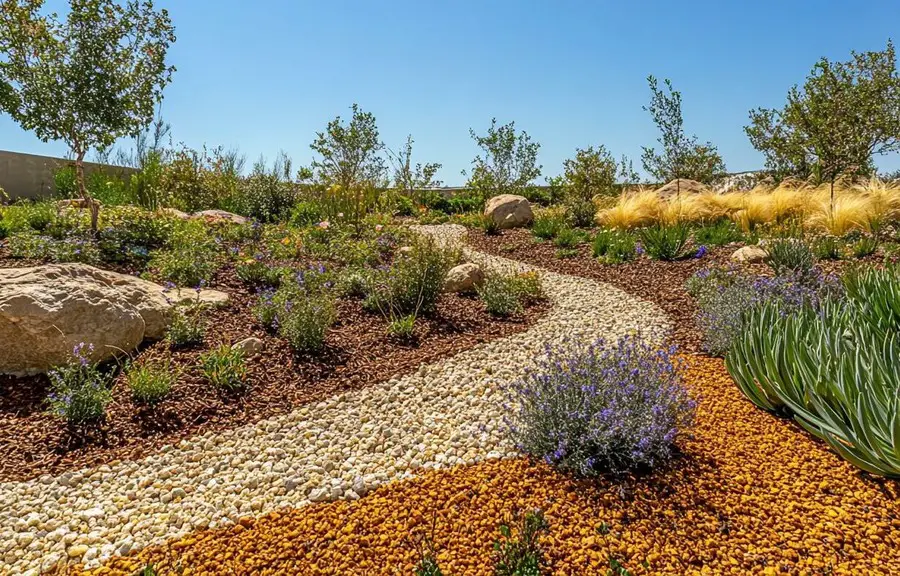
Xeriscaping isn’t just a passing fad; it’s a sustainable way to landscape that focuses on water conservation while still looking beautiful.
By getting to know its principles and benefits, you can create a stunning garden that thrives even in dry conditions.
This guide will walk you through the key elements of xeriscaping—everything from picking drought-tolerant plants and using efficient irrigation techniques to maintaining your garden and incorporating extra water-saving tips.
Let’s dive in and transform your outdoor space into an eco-friendly oasis!
What is Water Conservation in Xeriscaping?
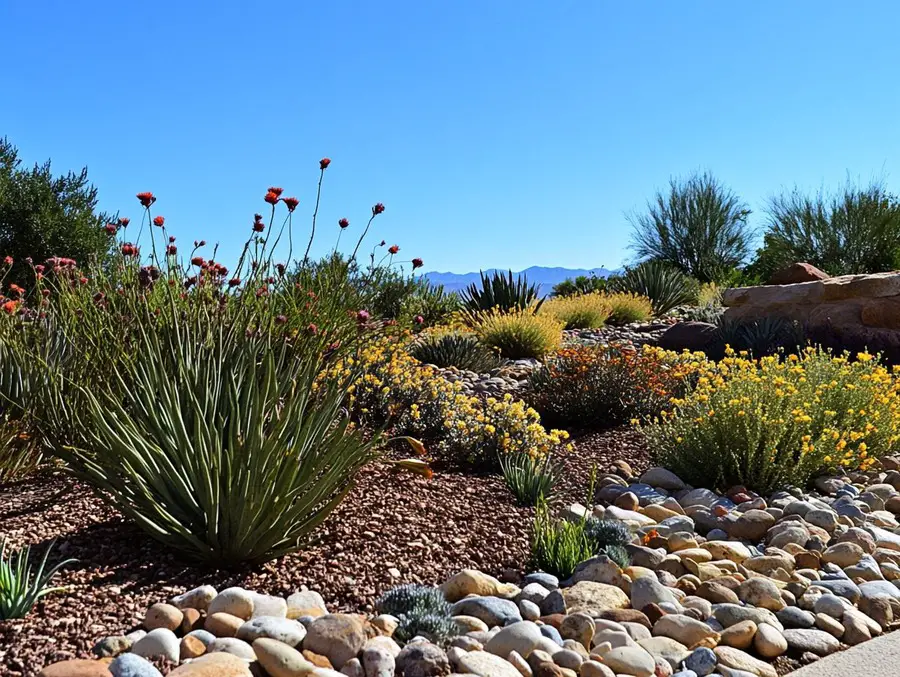
Xeriscaping is a smart way to handle landscaping that cuts down on water use while also making your outdoor space look great.
By embracing xeriscape principles, you can create beautiful gardens that flourish even in dry conditions, using native and drought-resistant plants that don’t need much watering.
This water-efficient approach not only helps conserve precious water resources, but it also boosts soil health and supports local ecosystems.
By focusing on sustainable gardening techniques, xeriscaping enables you to manage water effectively and adds to the biodiversity in your landscape design.
Definition and Principles
The principles of xeriscaping really focus on water conservation by using efficient gardening practices that help you manage soil moisture better and promote the selection of drought-resistant and native plants.
This innovative approach invites you to embrace techniques like soil amendment to boost water retention, ensuring your plants can thrive even in dry conditions. By optimizing your irrigation methods, you can significantly cut down on the overall need for water, which supports your sustainable gardening efforts.
Don’t forget about plant diversity; incorporating a mix of native species not only makes your landscape more visually appealing but also creates a resilient ecosystem that adapts more easily to changing climates. These interconnected practices come together to help you garden in a more sustainable and environmentally-friendly way.
The Importance of Water Conservation in Xeriscaping
Water conservation plays a vital role in xeriscaping, tackling the challenges of seasonal drought while also lessening the environmental impact of landscaping.
By using effective water-saving techniques, you can create resilient gardens that adapt to climate changes and help preserve local ecosystems.
Xeriscaping encourages sustainable practices that boost groundwater recharge and cut down on the carbon footprint that comes with traditional landscaping methods.
Environmental Benefits
The environmental perks of xeriscaping go way beyond just saving water; they also play a big role in preserving ecosystems, boosting biodiversity, and creating cozy habitats for local wildlife.
By using native plants and drought-resistant species, you’re setting up a self-sustaining environment where both plants and animals can thrive. These plant choices not only cut down on your need for chemical fertilizers and pesticides but also help improve soil health by encouraging natural microbial activity.
Xeriscaping also does its part for green infrastructure by reducing stormwater runoff, which helps keep our waterways clean and pollution-free. And as your garden flourishes, it becomes a welcoming space for pollinators like bees and butterflies, ultimately contributing to a healthier ecosystem overall.
Cost Savings
Implementing xeriscaping can really help you save a chunk of change over time, thanks to reduced water usage and lower maintenance needs for your garden.
By choosing drought-tolerant plants and optimizing your irrigation efficiency, you can dramatically slash those water bills. Plus, with less frequent watering, you’ll see a drop in energy costs linked to pumping and distributing water.
Since xeriscaping often uses native plants that thrive in your local climate, you’ll find yourself needing fewer chemicals, which means more savings for you and a healthier ecosystem to boot.
With lower maintenance demands—like less frequent pruning and weeding—you can spend a lot less time and money on keeping your garden in shape. This leads to a more sustainable and cost-effective landscaping solution that you can feel good about.
Designing a Xeriscape Garden
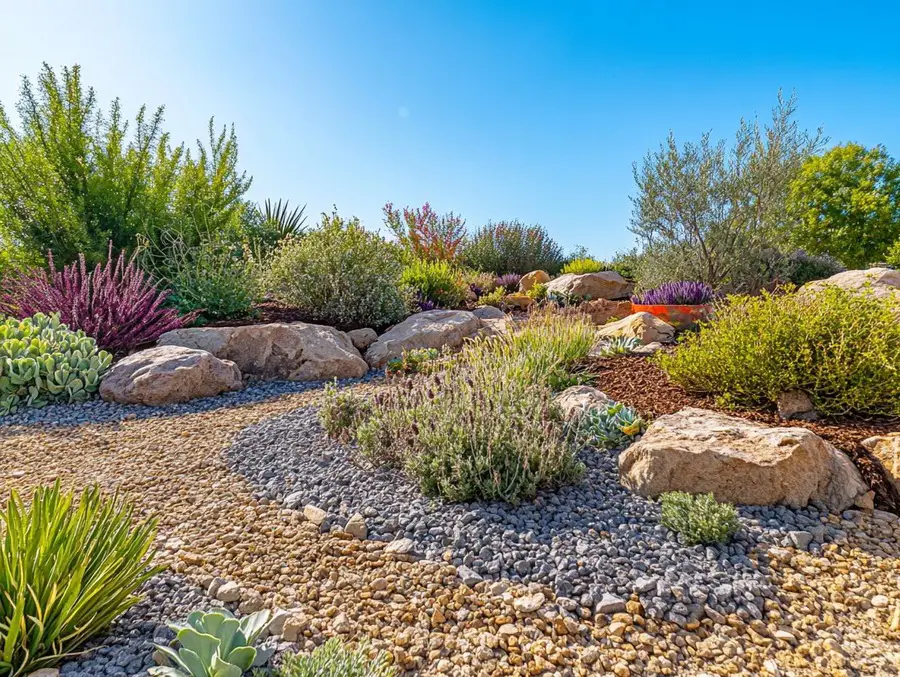
When you’re designing a xeriscape garden, it’s all about thoughtful planning and choosing drought-tolerant plants that will thrive in your local climate.
This way, you not only create a beautiful outdoor space but also enhance the overall landscape design.
Choosing Drought-Tolerant Plants
Choosing drought-tolerant plants is key to creating a thriving xeriscape garden. These plants are perfectly adapted to local conditions and need less water to stay healthy.
When you’re picking out these plants, consider things like their hardiness, growth habits, and how well they’ll do in your local climate. Native plants are especially a great option since they develop deeper root systems and thrive on the natural rainfall, making them more resilient in times of drought.
By incorporating these drought-tolerant varieties into your landscaping, you’re not just conserving moisture; you’re also helping local ecosystems by providing homes for wildlife. Plus, going for xerophytes means you can cut back on chemical fertilizers and pesticides, which is a win for the environment.
In the end, you’ll have a sustainable garden that looks beautiful and is eco-friendly.
Efficient Irrigation Techniques
Using efficient irrigation techniques like drip irrigation and rainwater harvesting can really help you optimize water management in your xeriscape garden while cutting down on evaporation.
These methods ensure that water gets right to the roots, which minimizes waste and promotes deeper root growth—super important for drought-tolerant plants. You might want to think about incorporating rain barrels; they can capture and store rainwater, giving you a sustainable resource that fits perfectly with eco-friendly practices.
If you use soaker hoses, you can deliver moisture evenly across the soil, preventing those pesky over-saturated spots. These targeted irrigation strategies help maintain a balanced ecosystem, allowing your xeriscape garden to thrive even in dry conditions.
In the end, implementing these innovative techniques not only conserves water but also boosts the overall health and resilience of your garden.
Maintaining a Xeriscape Garden
Maintaining a xeriscape garden means you’ll want to adopt some sustainable practices that really enhance the health of your soil, take proper care of your plants, and boost the overall vibe of your outdoor space.
Proper Watering and Pruning Techniques
Proper watering and pruning techniques are essential for keeping your xeriscape garden healthy, helping your plants thrive while effectively managing soil moisture.
These practices not only encourage robust growth but also save water, which is a key principle of xeriscaping. It’s important for you to establish a deep watering routine that promotes deep root development, allowing your plants to withstand drought conditions.
Pruning is equally vital; it helps prevent overcrowding and disease while improving air circulation. By adopting these best watering practices along with proper pruning methods, you can really transform your landscape, featuring vibrant plants that require minimal maintenance.
Understanding the specific needs of each plant species will help you create a sustainable balance that nurtures a thriving xeriscape environment.
Preventing Weeds and Pests
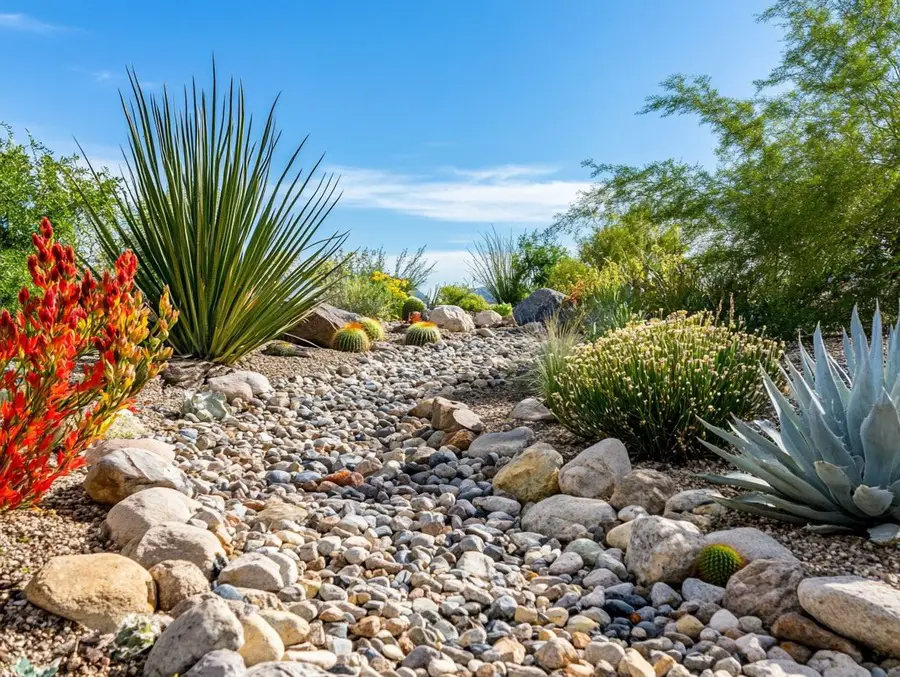
Preventing weeds and managing pests in your xeriscape garden is essential for keeping your ecosystem healthy and cutting down on the need for chemical treatments.
By taking a holistic approach that emphasizes organic solutions and sustainable practices, you can create an environment that naturally keeps unwanted plants and pesky insects at bay. Using mulches, practicing companion planting, and encouraging beneficial insects can really help you minimize pest populations and suppress weed growth.
Plus, when you implement proper irrigation techniques tailored to your drought-resistant plants, you boost their resilience against both weeds and pests. This way, you’ll end up with an eco-friendly, thriving outdoor space that not only showcases the beauty of native flora but also supports biodiversity.
Additional Tips for Water Conservation in Xeriscaping
Along with picking the right plants and irrigation techniques, you can boost water conservation in your xeriscape garden with a few extra tips.
Think about using mulch and rain barrels; they can make a big difference!
Utilizing Mulch and Rain Barrels
Using mulch and rain barrels is a fantastic way for you to boost moisture conservation and improve soil health in your xeriscape garden.
By laying down a thick layer of organic mulch, like wood chips or straw, you can really cut down on evaporation and keep that soil nice and damp during those dry spells.
Plus, mulch acts as a natural barrier against weeds, helping to keep them at bay and reducing your need for herbicides. When you combine this practice with rain barrels, you’re not just watering your plants sustainably—you’re saving precious resources while giving them nutrient-rich water that promotes their health.
Collecting rainwater doesn’t just help you conserve tap water; it also lets you manage moisture levels effectively, creating a thriving ecosystem in your garden.
Composting and Soil Management
Composting and soil management are key players in your xeriscaping game because they enrich the soil with organic matter and boost overall soil health.
These practices don’t just jazz up the nutrient content; they also improve the soil’s structure and its ability to retain water, making it more resilient in dry conditions. When you incorporate compost into your soil, you’re setting the stage for a thriving ecosystem that supports plant growth and encourages biodiversity.
Effective soil management techniques, like crop rotation, cover cropping, and even the magic of compost tea, can really help you create a sustainable landscape. This holistic approach not only conserves water but also cuts down on the need for chemical fertilizers, giving you a healthier environment and stronger plants.
Frequently Asked Questions
What is xeriscaping?
Xeriscaping is a type of landscaping that utilizes plants and materials that require minimal water, making it an environmentally-friendly and sustainable method of gardening.
How does xeriscaping promote water conservation?
Xeriscaping promotes water conservation by using plants that are native or well-adapted to the local climate, reducing the need for excessive watering. It also uses efficient irrigation methods and mulching to retain moisture in the soil.
What are the key benefits of water conservation in xeriscaping?
Water conservation in xeriscaping not only helps preserve a precious natural resource, but it also saves money and time spent on watering and maintenance. It also reduces the use of harmful chemicals and promotes a healthier ecosystem.
Can xeriscaping be done in any climate or region?
Yes, xeriscaping can be applied in any climate or region. However, the types of plants and materials used may vary depending on the specific conditions of the area.
Do I need to completely remove my existing lawn to xeriscape?
No, you do not need to completely remove your existing lawn to xeriscape. You can gradually replace sections of your lawn with drought-resistant plants and incorporate other xeriscaping techniques to conserve water.
Are there any regulations or restrictions on xeriscaping in my area?
It is always recommended to check with your local government or homeowners association before starting any landscaping project, including xeriscaping. Some regions may have regulations or restrictions on certain types of plants or landscaping methods.
Benefits of Xeriscaping: Save Water, Time, and Money
What is xeriscaping? A beginner’s guide to drought-tolerant landscaping