
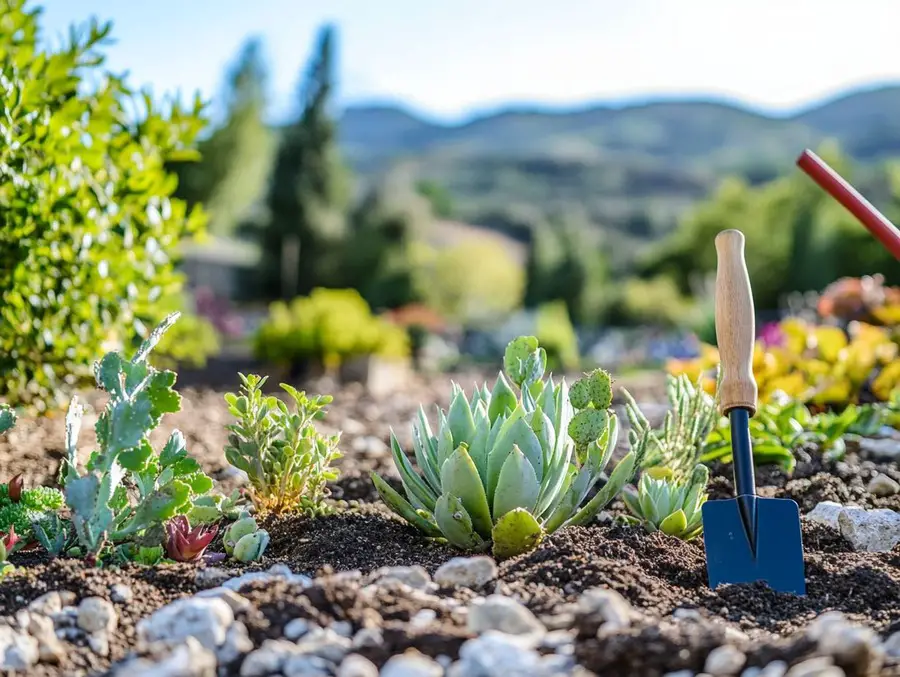
Beginner-Friendly Plants for Xeriscaping make it easy to create a water-wise landscape! Discover low-maintenance, drought-tolerant plants for any dry climate.
Xeriscaping is a clever landscaping method that helps you save water while creating beautiful outdoor spaces.
This guide will walk you through the essentials of xeriscaping, including what it is, its benefits, and how to pick the right drought-tolerant plants for your garden. Whether you’re just starting out or looking to sharpen your gardening skills, you’ll discover how to choose easy-to-grow varieties and design a stunning xeriscape garden.
You’ll also get essential maintenance tips and learn about common pitfalls to avoid, making sure your garden thrives sustainably. Get ready to turn your landscape into a vibrant, low-maintenance oasis!
What are Beginner Friendly Plants in Xeriscaping?
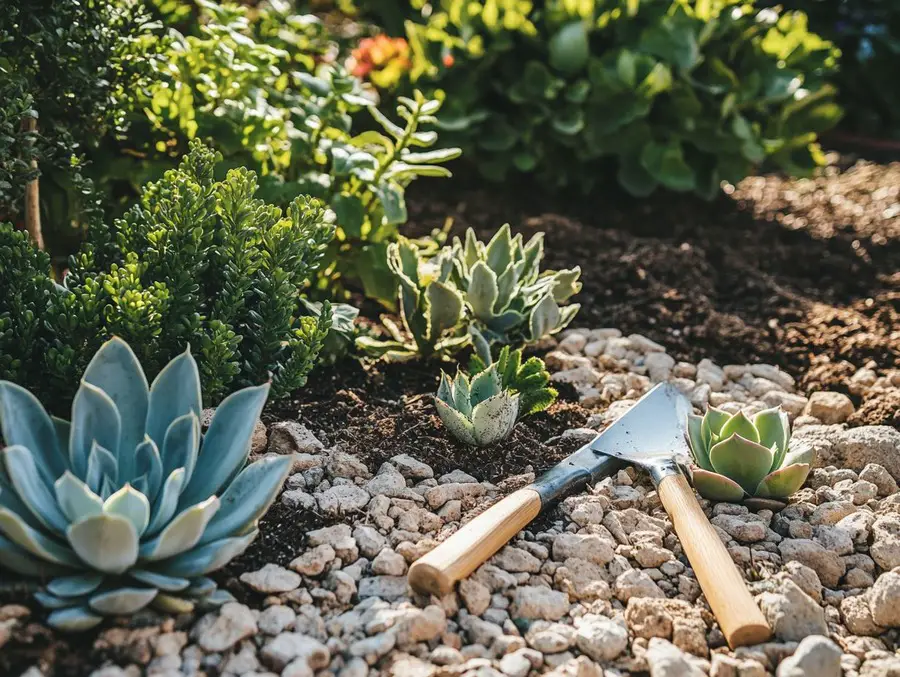
Xeriscaping is a fantastic way to approach landscaping if you want to cut down on or even eliminate the need for irrigation. It’s a great choice for conserving water and embracing eco-friendly gardening.
With this method, you’ll be using a variety of plants that thrive in dry conditions, mainly native plants and drought-resistant species. This means you can create a beautiful, low-maintenance garden that fits perfectly with your local climate.
Definition and Benefits
Xeriscaping is all about creating a landscape that conserves water while supporting native ecosystems and using drought-resistant plants that thrive in low-water conditions.
This eco-friendly gardening approach not only helps you use less water but also plays an important role in controlling soil erosion, keeping the integrity of your land intact over time. By incorporating a variety of native plants, you’ll boost biodiversity, providing habitats for local wildlife and pollinators that contribute to a thriving ecosystem.
Plus, by reducing your reliance on chemical fertilizers, you can maintain soil health, ensuring your garden stays vibrant and sustainable without any negative impacts on the environment.
In the end, embracing xeriscaping not only elevates your garden but also supports broader environmental goals by building resilience against climate change.
Choosing Plants for Xeriscaping
Choosing the right plants for xeriscaping is key to crafting a thriving, low-maintenance garden that can handle dry conditions.
You’ll want to focus on drought-tolerant plants and appreciate the beauty of native plants, xerophytes, and ornamental grasses.
This way, you can create a space that looks great while using less water!
Drought-Tolerant and Low Maintenance Options
When you’re picking drought-tolerant and low-maintenance options for xeriscaping, think about a variety of plants that can not only survive but thrive in dry conditions. Mediterranean plants, flowering perennials, and hardy ground covers can offer both beauty and seasonal interest.
One standout option is lavender, with its fragrant purple blooms that can handle harsh sunlight and poor soil, making it a go-to for dry gardens. Rosemary is another fantastic choice; it spices up your culinary creations and provides a lush, evergreen presence all year long, requiring minimal water once it’s established.
And let’s not forget about succulents! With their unique shapes and colors, they add a special touch to your garden, proving that beauty can thrive even when regular watering isn’t on the agenda.
These selections promise resilience and will help you create a visually appealing landscape with very little effort on your part.
Best Plants for Beginners
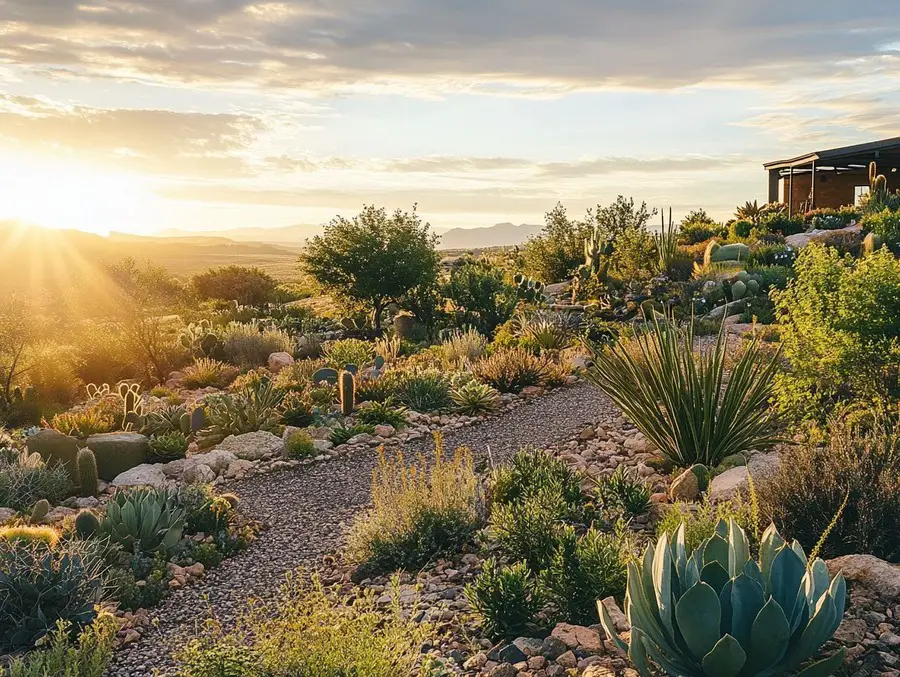
If you’re just starting out with xeriscaping, picking beginner-friendly plants is key to making your experience successful and keeping maintenance low.
Opt for easy-to-grow choices like:
- perennial plants
- flowering annuals
- tough succulents
These options will help make your gardening journey enjoyable and truly satisfying.
Easy to Grow and Maintain Varieties
If you’re looking to create a xeriscape garden with minimal effort, choosing easy-to-grow and maintain varieties is the way to go. Think low-water plants and pollinator-friendly species to achieve that sustainable and beautiful landscape.
By selecting native plants like lavender, salvia, and black-eyed Susan, you can attract a variety of pollinators while keeping your garden bursting with color all year round. These plants love arid conditions and need very little maintenance, making them perfect for anyone who wants a lush environment without working themselves to the bone.
To keep your plants healthy, consider using a few handy techniques:
- Mulch to retain that precious soil moisture
- Proper spacing to encourage airflow and help prevent disease
And don’t forget to check for pests regularly! This little habit helps support the ecosystem while giving a boost to those beneficial insects you want around.
Designing a Xeriscape Garden
When you’re designing a xeriscape garden, it’s all about creating a smart layout that focuses on water conservation.
You’ll want to use soil amendments to improve drainage, and don’t forget to think about aesthetics too!
Careful plant selection and arrangement can really make your garden both beautiful and efficient.
Tips for Creating a Beautiful and Functional Landscape
To create a beautiful and functional xeriscape landscape, you should consider some innovative landscaping ideas that include effective irrigation systems and companion planting techniques while keeping your garden looking great.
Implementing a well-designed drip irrigation system can really amp up your water efficiency, delivering moisture right to the roots of your plants—no more wasted water! Exploring rainwater harvesting techniques not only helps you save water but also gives you a sustainable source for your garden.
Pair these eco-friendly practices with companion planting strategies, where certain plants help each other out with pest control, sharing nutrients, or boosting growth. For example, if you combine drought-tolerant herbs with flowering plants, you can attract beneficial insects and create a thriving ecosystem.
By integrating these thoughtful approaches, you’ll find that achieving a stunning xeriscape is totally within your reach, all while promoting both biodiversity and beauty in your outdoor space.
Maintaining a Xeriscape Garden
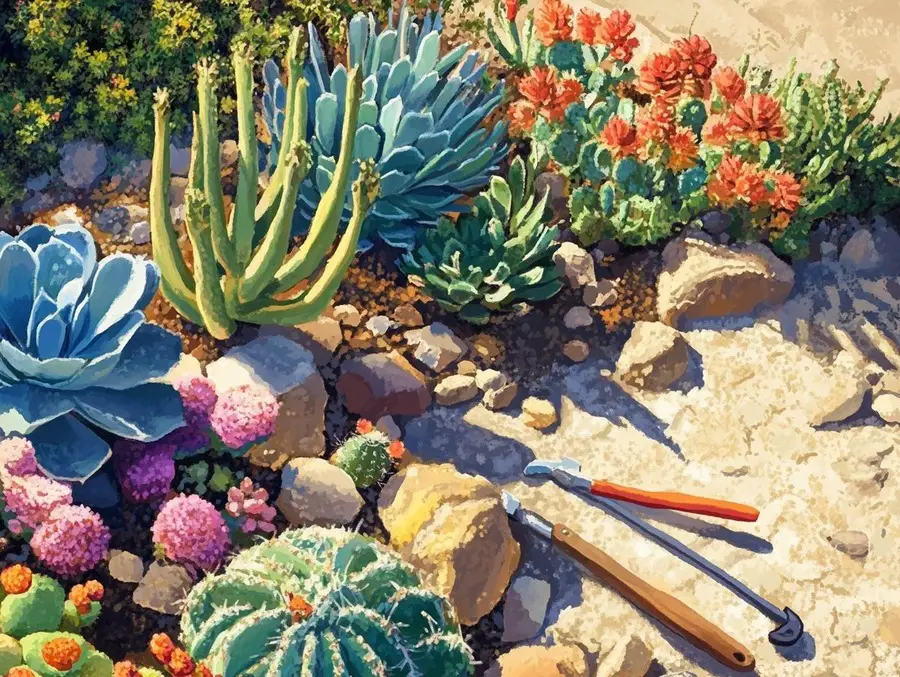
Maintaining a xeriscape garden is crucial for your long-term success. It involves regular maintenance tasks that focus on keeping the soil moist, caring for your plants, and practicing sustainable gardening techniques.
Essential Tasks and Techniques
To make sure your xeriscape garden thrives, you should focus on essential maintenance techniques. Think about things like amending the soil, applying mulch to retain moisture, and using organic gardening practices to keep those pesky pests at bay.
These steps are key to creating a sustainable ecosystem in your garden. You might want to consider using organic mulch materials like shredded bark or straw—not only will these keep your soil cool, but they’ll also help suppress weeds that compete for resources. Incorporating compost or natural fertilizers can really boost soil fertility and promote healthier plant growth.
Don’t forget about seasonal plant care; it’s important to prune and clean up any debris that could attract pests. Emphasizing organic pest management strategies, like introducing beneficial insects or using neem oil, will help you cut down on chemicals while keeping your plants strong against common threats.
Common Mistakes to Avoid
When you’re starting a xeriscape garden, it’s crucial to watch out for common mistakes that can really throw a wrench in your plans.
This includes things like picking the wrong plants, ignoring soil erosion control, and not fully grasping the principles of xeriscaping.
How to Prevent and Fix Issues in Xeriscaping
To effectively prevent and fix issues in xeriscaping, you need to keep a close eye on plant health and soil moisture retention while applying climate resilience strategies that fit your local environment.
This means regularly checking for signs of plant stress, like wilting or discoloration, which can signal overwatering or not enough hydration. It’s important to set up a proper irrigation schedule; for instance, deep watering early in the morning lets the roots soak up moisture without promoting fungal growth.
Using mulch can really boost soil moisture retention and help keep those pesky weeds at bay. Plus, by observing how different plants react to their surroundings, you can make informed adjustments to ensure your xeriscaped landscape thrives while sticking to the principles of sustainability and conservation.
Frequently Asked Questions
What are some beginner-friendly plants for xeriscaping?
Some beginner-friendly plants for xeriscaping include lavender, succulents, ornamental grasses, cacti, and yarrow.
Why are these plants suitable for xeriscaping?
These plants are suitable for xeriscaping because they require minimal watering and can thrive in dry conditions, making them low maintenance and perfect for beginners.
Do these plants come in a variety of colors?
Yes, these plants come in a variety of colors such as purple, green, blue, pink, and yellow, allowing for a vibrant and diverse xeriscape garden.
Can I find these plants at my local nursery or garden center?
Yes, most local nurseries and garden centers will carry these plants, making them easily accessible for those looking to start xeriscaping.
Do these plants attract pollinators?
Yes, many of these plants, such as lavender and yarrow, are known to attract pollinators like bees and butterflies, making them beneficial for the ecosystem.
Are these plants suitable for all climates?
While some of these plants may be more suitable for certain climates, overall they are fairly adaptable and can thrive in different regions, making them great for xeriscaping in various areas.
Benefits of Xeriscaping: Save Water, Time, and Money
What is xeriscaping? A beginner’s guide to drought-tolerant landscaping