
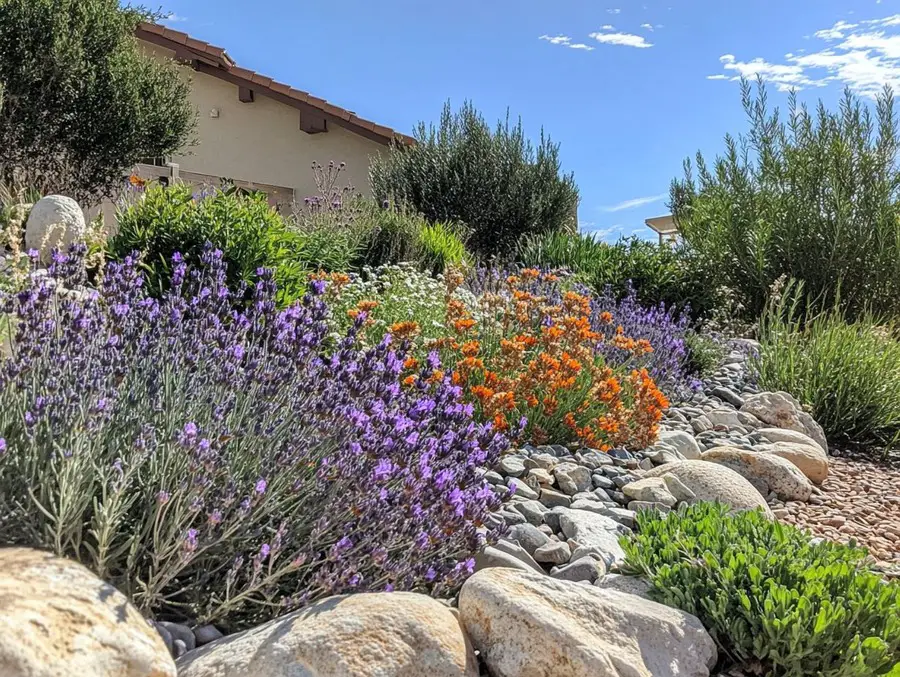
Herbs for Xeriscaping bring life to dry landscapes while saving water and adding beauty to your garden.
Struggling to maintain plants in arid conditions?
By choosing drought-tolerant herbs like lavender, rosemary, and thyme, you can create a vibrant, low-maintenance oasis.
Discover how to design, plant, and care for a water-wise herb garden that thrives!
Herbs for Xeriscaping
Key Takeaways
- Herbs for Xeriscaping are drought-tolerant plants that thrive in arid conditions with minimal water.
- Popular choices include lavender, rosemary, thyme, and sage, which add beauty, fragrance, and biodiversity to xeriscape gardens.
- These herbs require well-draining soil, full sun, and occasional pruning, perfect for a low-maintenance, eco-friendly landscape.
Herbs for Xeriscaping: Smart, Sustainable Gardening Solutions
Xeriscaping is a gardening approach that helps you conserve water while creating stunning landscapes.
In this article, you’ll explore the benefits of incorporating herbs into your xeriscaping efforts.
You’ll see how these herbs play a role in water conservation and contribute positively to the environment.
Find out how to choose the right herbs for your space, get design tips for integrating them into your garden, and discover maintenance strategies to keep them thriving.
You’ll learn about some common herbs that do really well in xeriscaped environments.
Join the journey to creating a sustainable and vibrant garden!
What is Xeriscaping?
Xeriscaping is a fantastic way to garden sustainably, helping you conserve water while creating an eco-friendly landscape.
This approach emphasizes using drought-resistant plants, including native species that thrive in dry conditions, reducing the need for constant watering.
By applying principles like soil management, efficient irrigation techniques, and smart plant placement, you can significantly cut down on water usage.
Xeriscaping promotes environmental health by minimizing runoff and preventing erosion, which supports the local ecosystem.
This method helps you tackle the effects of drought, but it also encourages organic practices that can lead to healthier soil and stronger plants.
The benefits of xeriscaping go beyond just your own garden; it plays a crucial role in broader efforts to conserve water and maintain ecological balance, making it an essential strategy in a world where water is becoming increasingly scarce.
Benefits of Xeriscaping with Herbs
Xeriscaping with herbs brings a ton of benefits your way, blending beauty with practical water conservation and eco-friendly practices.
This method boosts biodiversity in your garden and lets you use drought-resistant and low-water plants that thrive in all sorts of climates.
By adding Mediterranean and aromatic herbs like lavender, rosemary, and sage to your xeric garden, you’ll create an eye-catching and resilient landscape that needs little maintenance while promoting soil health.
These herbs help create habitats for pollinators and other beneficial wildlife, highlighting just how important sustainable gardening is.
Water Conservation and Environmental Impact
Water conservation is at the heart of xeriscaping, making a real difference for the environment by cutting down on irrigation needs and encouraging the use of native plants.
By adopting xeriscaping techniques, you can create an eco-friendly landscape that needs minimal water while supporting local ecosystems and boosting biodiversity.
This sustainable gardening approach saves precious water, improves soil health, and reduces your dependence on chemical fertilizers, giving you a cleaner environment.
Using hardy, drought-tolerant plants means your garden stays vibrant and resilient, even when the weather gets tough.
Xeriscaping does wonders for soil quality, too, enriching it with organic matter and improving its moisture retention, which creates a healthier environment for plants.
When you incorporate native plants that are well-suited to your local conditions, you’ll find that you need fewer fertilizers and pest control methods.
Not to mention, these plants attract beneficial pollinators and wildlife, supporting the interconnected web of your local ecosystem.
For example, imagine a garden filled with native wildflowers and shrubs; it can greatly reduce runoff and erosion, allowing rainwater to seep deep into the ground.
So, by practicing xeriscaping, you’re contributing to environmental sustainability, making it a key consideration for any forward-thinking gardener who wants to maintain long-term ecological balance.
Choosing the Right Herbs for Xeriscaping
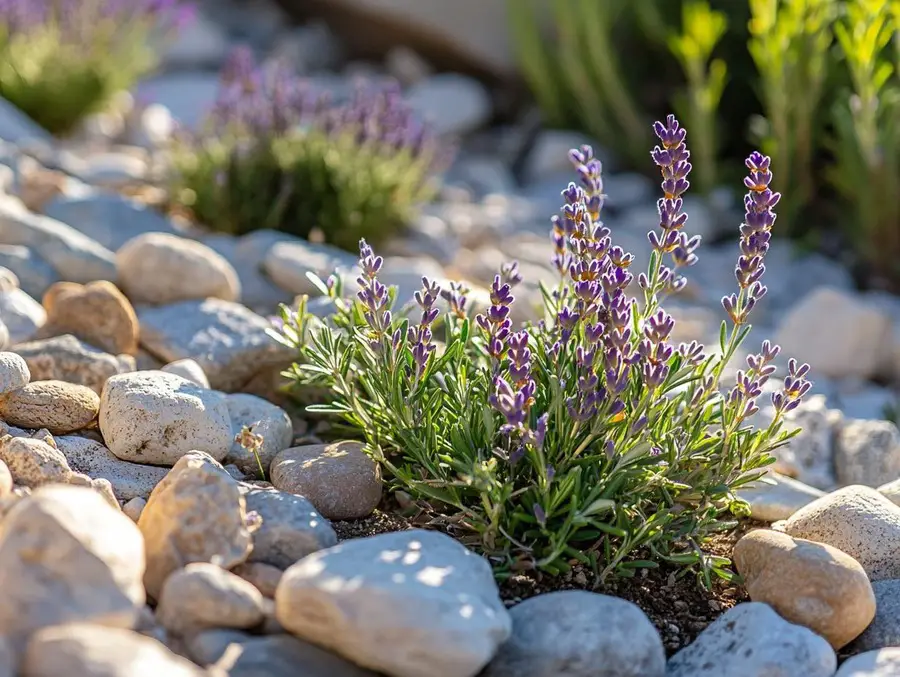 Choosing the right herbs for xeriscaping is key to creating a beautiful, low-water landscape that actually thrives.
When you’re picking out plants, think about adding drought-resistant varieties like Mediterranean herbs such as thyme, rosemary, and oregano are great options.
They handle dry conditions like champs and they bring some culinary flair and lovely aromas to your garden.
This smart plant selection helps promote biodiversity and supports sustainable gardening practices, keeping your xeric garden looking vibrant all year round.
Don’t forget to consider fragrant and pest-resistant plants that can boost both the looks and health of your garden, giving you some serious visual and environmental perks.
Factors to Consider
When you’re picking herbs for xeriscaping, there are a few key things to keep in mind to make sure they grow well and stay sustainable.
First off, understanding your soil types and how well they drain is super important.
Many xerophytes love well-drained conditions and don’t need rich soil.
You’ll also want to assess how adaptable the plants are to your local climate.
Choosing herbs that can handle the heat and moisture variations in your area will help them stick around and keep your garden interesting through the seasons.
Knowing the growth habits of different herbs allows you to space them correctly and consider companion planting, so each plant can thrive without battling for resources.
To kick things off, do a soil test to figure out the pH levels and nutrient content.
This will help you pick the right herbs for your specific soil type.
Watch your local climate patterns too, as this will help you identify drought-tolerant species that survive and really flourish in those temperatures.
Think about whether the herbs you choose are annuals or perennials, since that will affect how you care for them and where you plant them in your garden design.
Don’t forget about mulch! It can help retain moisture and keep the roots cool, making it easier for your xeriscape to get established.
By thoroughly checking off these factors, you can create an efficient and resilient garden that needs minimal water and maintenance.
How to Incorporate Herbs into Xeriscaping
Incorporating herbs into your xeriscaping design takes a bit of planning and some smart landscaping techniques.
Begin by picking the right spots based on how much sun or shade each herb can handle.
This way, you’ll make sure each herb gets the light it needs to thrive.
You can also create some eye-catching arrangements by mixing different heights and colors of herbs.
Think about blending ornamental and culinary varieties to make your xeric garden pop.
By following the principles of xeriscape design—like spacing your plants effectively and using moisture retention strategies.
You’ll set yourself up for a sustainable and low-maintenance garden that thrives with just a little care.
Design Tips and Techniques
Employing effective design tips and techniques is key to creating a successful xeriscape that incorporates herbs and supports a sustainable environment.
When you’re integrating herbs into your xeriscape, think about the overall layout and how each plant interacts with its surroundings.
A solid plant spacing strategy is essential as it allows for adequate airflow, but it also helps keep pests and diseases at bay.
For example, if you space thyme and oregano just right, you can create a thriving ground cover that complements taller plants like lavender, adding height and texture to your landscape.
Don’t forget to emphasize seasonal interest by mixing herbaceous perennials with annuals.
This way, your garden stays vibrant all year long, with plants like chives and sage blooming as the cooler seasons roll in.
Choosing materials like decomposed granite or river rock can boost the visual appeal while also helping with moisture retention and erosion control, perfectly embodying both the aesthetic and environmental principles of xeriscaping.
Caring for Herbs in Xeriscaping
Caring for herbs in xeriscaping is crucial for keeping your garden healthy and thriving, especially when facing environmental challenges.
You can adopt effective watering strategies, like using drip irrigation or rain barrels, to significantly cut down on water usage while still giving your drought-resistant plants the moisture they need.
Regular maintenance, such as amending the soil and mulching, promotes soil health and supports plant growth, ensuring your xeric garden stays vibrant.
Knowing the specific maintenance needs of each herb helps you provide tailored care that maximizes plant health and minimizes the need for chemical inputs, all while aligning with sustainable gardening practices.
Watering and Maintenance Strategies
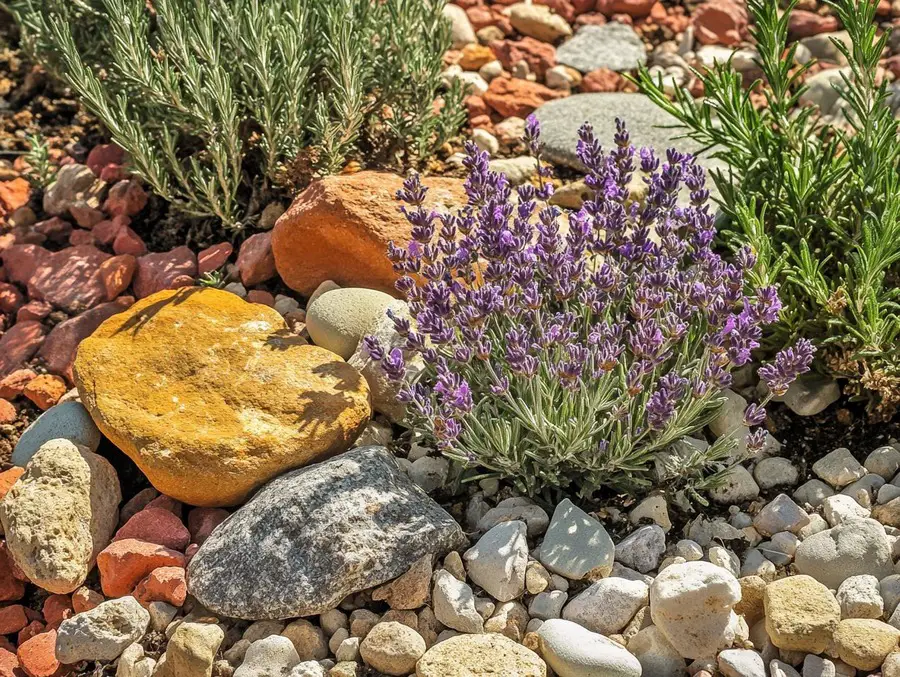
Implementing water-efficient design and maintenance strategies is key to making your xeriscape garden filled with herbs a success.
Use smart watering techniques, like deep watering and drip irrigation, to make sure your drought-resistant plants get the moisture they need without wasting water.
Regularly checking the health of your soil through amendments can also help improve moisture retention and nutrient availability, creating a happy environment for your herbs.
By setting up a maintenance routine that includes pruning and seasonal adjustments, you can keep your garden low-maintenance and sustainably productive.
To make the most of your watering, think about starting your irrigation early in the morning.
This reduces evaporation and lets your plants soak up moisture throughout the day.
You might also want to add mulch, it’s like a cozy blanket for your soil that helps retain moisture while keeping pesky weeds at bay.
When picking plant varieties for your herb garden, go for those that are native to your area.
They usually adapt better to local climate conditions and need less water.
Keeping an eye on weather patterns will help you tweak your watering schedule, ensuring your herbs thrive in changing conditions while using water efficiently.
Common Herbs Used in Xeriscaping
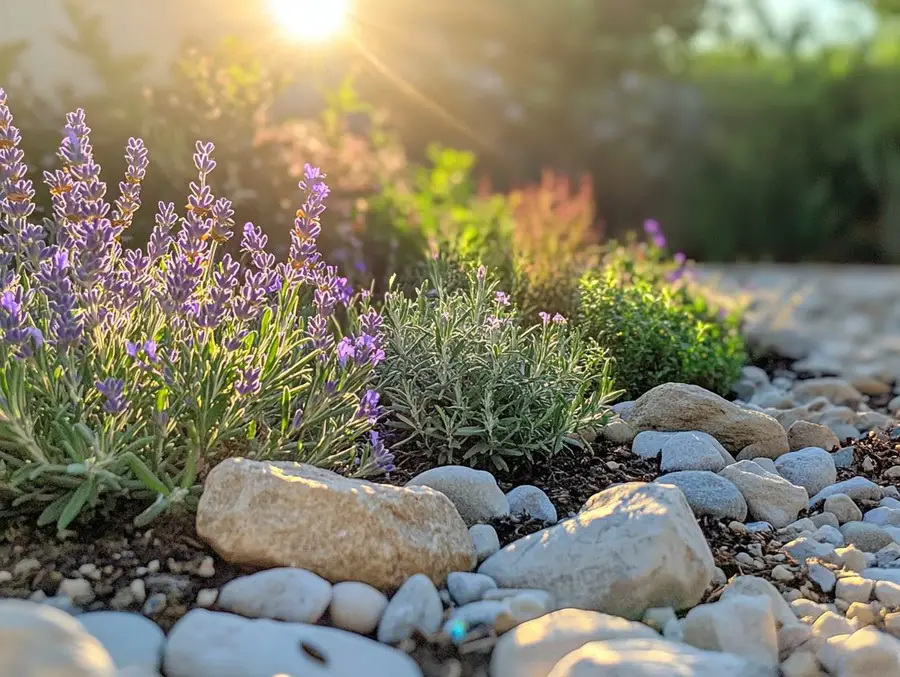 Incorporating common herbs into your xeriscaping design can really amp up both the looks and functionality of your space, all thanks to their drought-resistant qualities and culinary perks.
Think about popular choices like thyme, rosemary, sage, and lavender as they thrive in low-water conditions and bring vibrant colors and delightful fragrances to your garden.
These herbs are perfect for xeriscaping because they’re tough and can attract beneficial pollinators, making them a must-have for any sustainable garden plan.
If you choose a diverse mix of herbs that are native to your area, you’ll be promoting local biodiversity and creating a thriving little ecosystem right in your backyard.
Types and Characteristics
Understanding the types and characteristics of herbs that are great for xeriscaping is essential for you when it comes to selecting the right plants and designing your garden.
By incorporating a mix of herb species, you can create a visually appealing space and support local pollinators and beneficial insects, which helps foster a lively ecosystem.
For example, rosemary’s woody structure offers perfect shelter for small wildlife, while lavender draws in bees with its delightful blooms, boosting pollination throughout your garden.
The deep root systems of many drought-resistant herbs are fantastic for improving soil structure and water retention, making these plants invaluable allies for your sustainable gardening efforts.
Herbs like sage and thyme are not just tough survivors in low-water environments.
They also enrich the soil with organic matter as they grow and eventually break down, benefiting nearby plants and enhancing the overall health of your garden.
Frequently Asked Questions
What exactly are herbs for xeriscaping?
Herbs for xeriscaping are a type of plant that is well-suited for dry, arid environments.
They require minimal water and can thrive in hot, sunny conditions.
Do herbs for xeriscaping have any specific benefits?
Aside from their low water requirements, herbs for xeriscaping also have medicinal and culinary benefits.
They can be used to spice up dishes and also have healing properties.
What are some popular herbs for xeriscaping?
Some popular herbs for xeriscaping include lavender, sage, thyme, rosemary, and oregano.
These herbs are all drought-resistant and can add beauty and functionality to a xeriscaped garden.
How do I care for herbs for xeriscaping?
Herbs for xeriscaping require minimal care, but it’s important to make sure they have well-draining soil and are planted in a sunny location.
They also benefit from occasional pruning to encourage healthy growth.
Are herbs for xeriscaping suitable for all climates?
While herbs for xeriscaping are ideal for dry, warm climates, there are some varieties that can thrive in cooler, more humid environments.
It’s important to do research and select herbs that are well-suited for your specific climate.
Can I still enjoy fresh herbs if I xeriscape my garden?
Absolutely! Xeriscaping with herbs allows you to have a beautiful and functional garden while also providing you with fresh herbs for cooking and medicinal purposes.
Their low water requirements make them a sustainable and eco-friendly option for gardening.
Best Plants for Xeriscape Gardens: Hardy & Beautiful
Xeriscape Garden Styles: Easy Low-Maintenance Options
Xeriscape Gardening Techniques: Easy Low-Water Tips
Xeriscape Garden Design & Layout: Easy Water-Wise Beauty
What is xeriscaping? A beginner’s guide to drought-tolerant landscaping – Colorado State University