
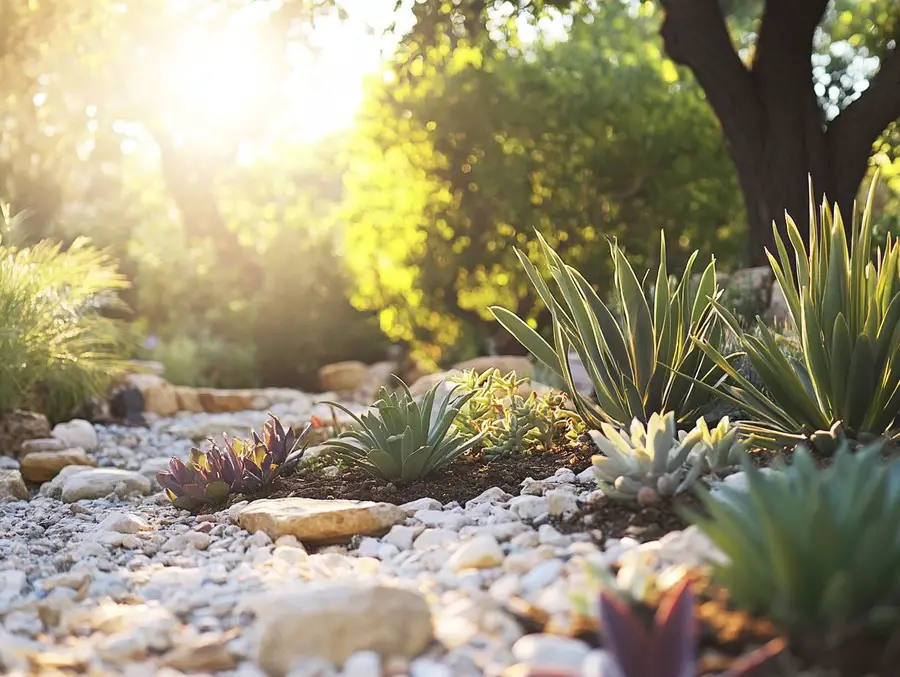
Discover the top plant selection tips and recommendations for creating a beautiful and sustainable xeriscape garden with our comprehensive guide. Whether you’re a beginner or experienced gardener, our expert advice on choosing the perfect plants for xeriscaping will help you create a vibrant and low-maintenance landscape.
Xeriscaping isn’t just a buzzword in gardening; it’s a smart, sustainable way to landscape that focuses on using drought-resistant plants and managing water efficiently.
This approach comes with a ton of benefits, from helping the environment to saving you some cash. When you’re picking out plants, keep in mind things like your local climate and soil conditions, and make sure to choose native and adapted species that will thrive in your area.
Plus, you’ll get some practical maintenance tips to help your xeriscape flourish. Imagine transforming your outdoor space into a beautiful, water-efficient haven that you can enjoy for years to come!
What is Plant Selection for Xeriscaping?

Xeriscaping is your ticket to a sustainable landscaping approach that puts water conservation front and center. By using drought-tolerant plants and native species that thrive in your local climate, you can create a garden that’s not only beautiful but also efficient. It’s all about planning your garden design to optimize irrigation, boost biodiversity, and keep maintenance low.
When you choose the right plant species suited to your specific climate, you can greatly cut down on water usage and reduce your need for chemical fertilizers and pesticides. Strategies like mulching, setting up efficient irrigation systems, and grouping plants with similar water needs will not only make your landscape more resilient but also invite local wildlife in, creating habitats for beneficial insects and birds.
In the end, embracing xeriscaping principles means less time and money spent on maintenance while helping to foster a sustainable ecosystem that respects natural resources and enhances the beauty of your outdoor spaces.
Benefits of Xeriscaping
Xeriscaping comes with a bunch of benefits that go beyond just looking good; it’s a smart choice for water conservation and environmental sustainability.
By using xeriscape principles, you can cut down on water usage, save some cash on maintenance, and even boost biodiversity in your garden. This approach not only makes use of drought-tolerant plants, but it also helps enhance the native ecosystems around you, creating a nice balance between your landscaping and the environment.
Environmental and Cost Benefits
The environmental benefits of xeriscaping are pretty impressive. It helps you conserve water and lets you use native plants that need less upkeep, which can save you a chunk of change on both your water bills and gardening efforts.
By choosing drought-tolerant plants and setting up your garden layout for better drainage and soil health, you’re creating an eco-friendly landscape that positively impacts the local ecosystem and boosts your home’s environmental footprint.
These sustainable practices can lower your irrigation costs since you won’t need to water as often. Plus, they help keep soil moisture intact, easing the pressure on local water resources.
Using native plants also supports regional biodiversity by providing habitats for local wildlife and pollinators. This approach means you can rely less on chemical fertilizers and pesticides because native plants are usually tougher and more suited to their environment.
In the end, xeriscaping lets you enjoy a vibrant garden while also making a real difference in environmental stewardship and supporting a healthier ecosystem.
Factors to Consider When Selecting Plants
When you’re choosing plants for your xeriscape garden, it’s super important to think about a few key factors that will help them thrive and stay sustainable. Consider things like soil type, climate zones, and the specific water needs of the plants you’re interested in.
By getting a handle on these elements, you can make smart choices about plant characteristics, root systems, and drainage requirements that will not only encourage healthy growth but also help you conserve water resources.
Climate and Soil Conditions
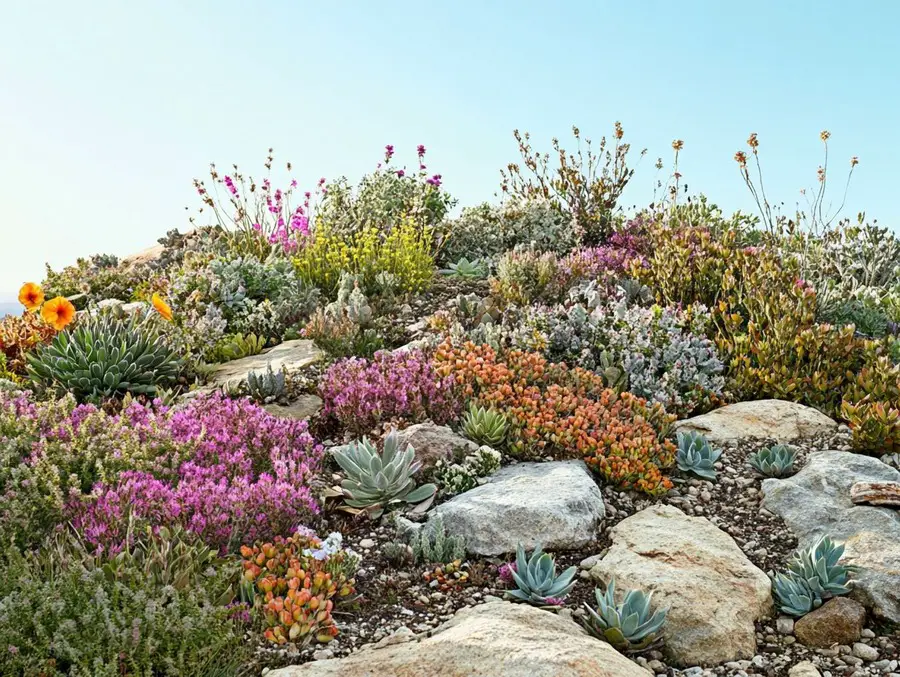
Understanding your specific climate zones and soil conditions is key when you’re planning a xeriscape garden. These elements really dictate which plants will thrive and how you can effectively manage soil health.
By taking a close look at your soil’s drainage capabilities and choosing plants with the right root depths, you can create a successful landscape that minimizes water usage while keeping your plants healthy and attractive.
Start by analyzing your soil composition. Is it sandy, clay, or loamy? This will significantly impact moisture retention and nutrient availability.
Implementing soil tests can help you uncover pH levels and any nutrient deficiencies. With that info, you can make targeted amendments using compost or organic fertilizers to boost your soil health.
Plus, incorporating mulch is a great way to retain moisture while keeping those pesky weeds at bay, creating a thriving ecosystem.
By getting to know these factors, you can ensure that your xeriscape not only conserves water but also looks fantastic all year round.
Water Needs and Drought Tolerance
When you’re creating a xeriscape, one of the most important things to consider is the water needs of the plants you’ve chosen and how drought-tolerant they are. This knowledge will directly impact your irrigation systems and how you retain soil moisture. By selecting low-water-use plants and using effective watering techniques, you can cut down on your garden’s overall water consumption while still enjoying vibrant blooms and healthy foliage.
To get a handle on the water requirements of different plant varieties, it’s a smart move to group plants with similar hydration needs together. This strategy not only boosts irrigation efficiency but also helps reduce water waste. You can use techniques like drip irrigation or timed sprinkler systems to ensure deep watering, focusing on the roots where moisture is most beneficial.
Additionally, opting for native plants or those known for their drought tolerance can make maintenance a lot easier while also supporting local ecosystems. Don’t forget, being mindful of the soil’s texture and drainage capabilities is crucial for keeping moisture levels just right for your selected plants.
Choosing the Right Plants for Your Xeriscape
When you’re choosing the right plants for your xeriscape, focus on selecting native and adapted species that thrive in your local conditions. This way, you’ll not only create a visually appealing landscape but also enjoy some great ecological benefits.
By incorporating drought-resistant varieties, ornamental grasses, and flowering plants, you can craft a stunning outdoor space that needs minimal maintenance, all while supporting local wildlife and boosting biodiversity.
Native and Adapted Plants
Integrating native and adapted plants into your xeriscape design is key to creating a sustainable and resilient landscape that thrives in your local climate. Plus, it promotes biodiversity and habitat creation. These plants tend to be more pest-resistant and require less water, which makes them perfect for the environmentally-conscious gardener like you who wants to boost their landscape’s ecological balance.
Take lavender and salvia, for example—those guys can really shine in drier regions. Meanwhile, ferns and wildflowers like coneflowers and black-eyed Susans are perfect for those more temperate areas.
When you add these varieties to your garden, you’re not just enhancing the look of your space; you’re also giving a big boost to local wildlife by providing food and shelter for important pollinators like bees and butterflies.
This creates a healthy ecosystem where birds and beneficial insects can thrive, leading to a vibrant and harmonious outdoor environment. By choosing native and adapted plants, you can effectively support your local ecology while keeping your landscape beautiful and low-maintenance.
Low Water Use and Drought Resistant Varieties
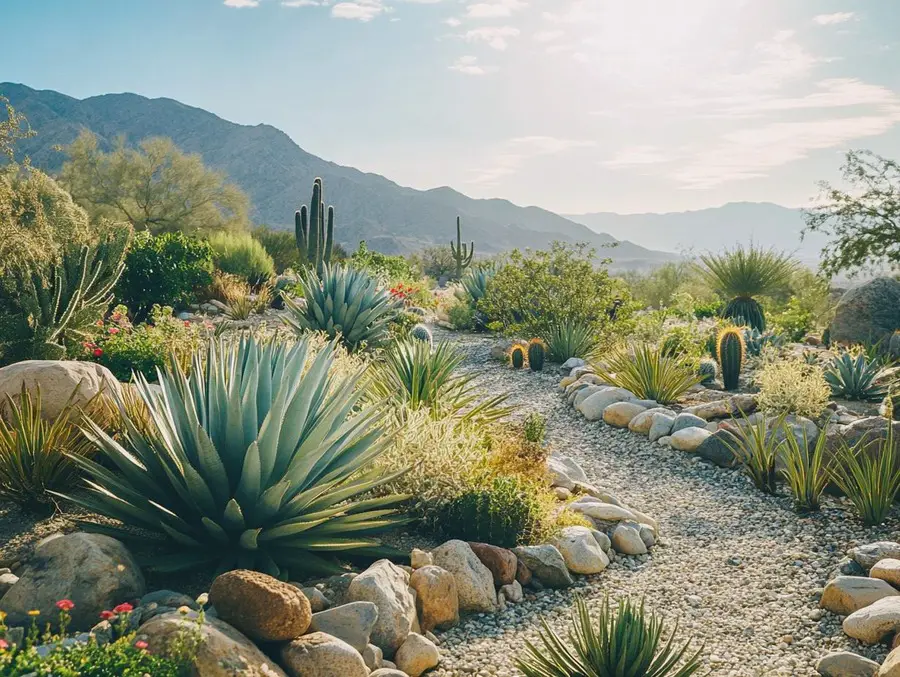
Low water use and drought-resistant plant varieties, like succulents and xerophytic plants, are essential for creating a xeriscape that thrives on minimal irrigation. By adding these resilient species to your garden design, you can enjoy a vibrant landscape that flourishes in different conditions while significantly cutting down on your water usage.
Plants like the cheerful Agave americana and the delicate Echeveria showcase a fantastic range of textures and colors that can fit into any landscaping scheme. Agave’s bold architectural form really draws the eye, making it a stunning focal point, while Echeveria offers a lovely array of pastel shades, perfect for rock gardens or container arrangements.
Don’t forget to incorporate ground covers like Sedum to enhance visual interest and cover up any bare soil, which helps prevent erosion. This thoughtful selection of low water use plants not only gives you a visually appealing garden but also supports local wildlife, boosting biodiversity in urban environments.
Maintenance Tips for Xeriscaping
Maintaining a xeriscape involves a few smart practices that help keep your landscape healthy and visually appealing, all while minimizing water usage.
By focusing on effective irrigation techniques, regular pruning, and maintaining soil health, you can create a low-maintenance outdoor space that thrives year-round with minimal effort.
Proper Watering Techniques
Adopting proper watering techniques is key to making your xeriscape a success. When you set up effective irrigation systems, you can boost soil moisture retention and cut down on your overall water needs.
By understanding the specific watering needs of your low-maintenance plants and using methods like drip irrigation or rainwater harvesting, you can create a sustainable landscape that thrives while conserving those precious resources.
Implementing these techniques not only supports your plants’ health but also helps reduce waste, ensuring that every drop counts. For example, drip irrigation delivers water right to the roots, which encourages deep root growth and minimizes evaporation. On the other hand, rainwater harvesting lets you capture and store natural rainfall for those drier spells.
Don’t forget about integrating mulch and organic matter, as they can further enhance moisture retention in the soil, creating a resilient ecosystem. By prioritizing efficient irrigation practices, you can effectively manage soil moisture levels, leading to a thriving and environmentally friendly xeriscape.
Pruning and Fertilization
Regular pruning and thoughtful fertilization are essential for keeping your xeriscape healthy and vibrant. By understanding what your specific plants need and timing your pruning and fertilization just right, you can boost their health and keep your landscape looking great all year round.
On top of routine care, using effective pruning techniques is crucial. This helps ensure that overgrown or dead branches don’t block the light and air circulation necessary for strong growth. When you approach pruning seasonally, you can encourage new growth in the spring, and by removing spent blooms in late summer, you can extend the blooming period.
Using organic fertilizers that are rich in nutrients and designed for drought-tolerant plants is a smart move, as it offers essential nourishment without overwhelming these hardy species. Plus, by regularly checking the soil’s condition, you’ll be able to tweak your fertilization schedule, helping your xeriscape thrive with minimal water and maximum beauty.
Frequently Asked Questions
What is xeriscaping and why is plant selection important for it?
Xeriscaping is a landscaping technique that uses plants adapted to arid climates and requires little to no extra irrigation. Plant selection is important for xeriscaping because it ensures the plants can survive in a low-water environment, reducing the need for extra maintenance and resources.
What factors should be considered when selecting plants for xeriscaping?
The main factors to consider are the plant’s water needs, sun exposure, soil type, and climate. It’s also important to select plants that are native to the region or have similar growing conditions to ensure their success in a xeriscaped landscape.
Can any type of plant be used for xeriscaping?
No, not all plants are suitable for xeriscaping. It’s important to choose plants that are drought-tolerant, have low water requirements, and can thrive in the specific environmental conditions of the xeriscaped area.
What are some examples of plants that are commonly used for xeriscaping?
Succulents, cacti, and other desert plants are popular choices for xeriscaping. Native grasses, shrubs, and trees that have adapted to dry conditions are also good options. Some non-native plants, such as lavender and rosemary, can also thrive in xeriscaped landscapes.
How can I ensure a successful plant selection for my xeriscaped garden?
Research and planning are key to successful plant selection for xeriscaping. Consider consulting a local gardening expert or visiting a xeriscaped garden in your area for inspiration and advice. Pay attention to the specific needs and characteristics of each plant to ensure they are suitable for your xeriscaped landscape.
Are there any other benefits to selecting plants for xeriscaping?
Yes, selecting plants for xeriscaping can also promote biodiversity and attract pollinators to your garden. Xeriscaping can also reduce water usage, leading to cost savings and environmental benefits. It can also add unique texture and color to your landscape design.
Xeriscaping Design Principles: Beautiful Yards, Less Water
What is xeriscaping? A beginner’s guide to drought-tolerant landscaping