
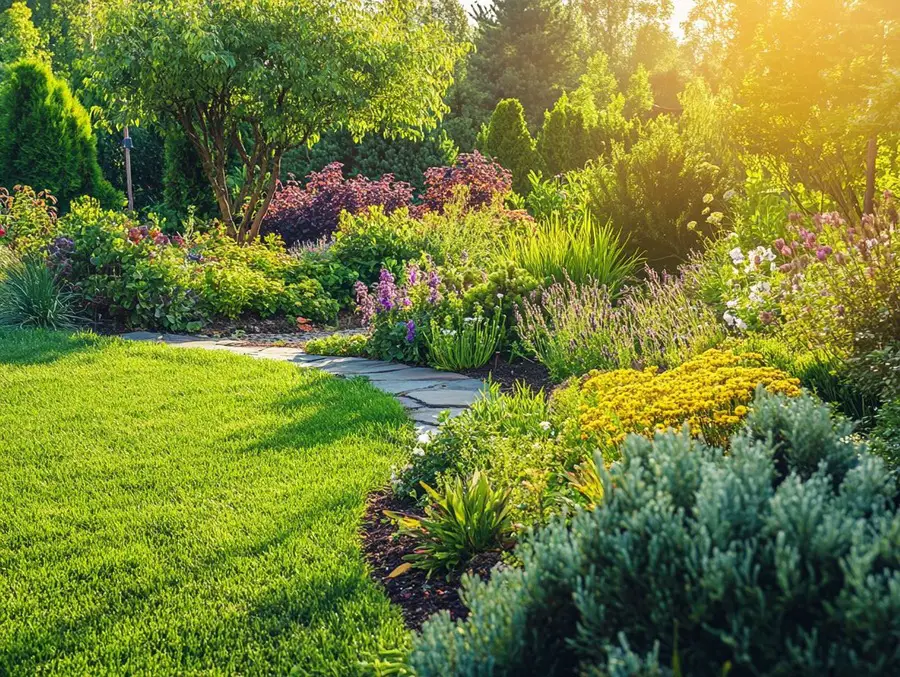
Discover the benefits of minimizing lawn areas in your yard and how to do it sustainably. This blog provides tips and tricks for creating a beautiful and eco-friendly landscape.
In an age where environmental consciousness is booming, rethinking your traditional lawn can lead to some serious perks for both ecosystems and your wallet.
This article dives into the advantages of minimizing lawn areas, like cutting down on water usage and slashing maintenance costs. You’ll discover various alternatives to conventional grass, including a range of ground cover options and what their upkeep looks like.
Plus, there are some handy tips on designing and implementing a low-lawn landscape, along with ways to tackle any potential challenges that might pop up. Get ready to transform your outdoor space into a sustainable and vibrant environment!
Why Minimize Lawn Areas?
Minimizing lawn areas is a smart move if you want to create a sustainable and eco-friendly outdoor space while reducing your environmental impact. By cutting back on your lawn, you can make the most of your outdoor area for sustainability.
This not only helps with water conservation but also lowers your maintenance costs and boosts biodiversity and the overall look of your garden.
Transitioning from a traditional lawn to more sustainable landscaping options opens up a world of alternatives that benefit both your garden design and the local ecosystem, making your urban environment more resilient.
Plus, reducing turf gives you the perfect opportunity to incorporate native plants and drought-resistant landscaping, resulting in a more diverse and functional landscape.
Environmental and Cost Benefits
One of the best reasons to minimize lawn areas is the significant environmental and cost benefits that come with embracing sustainable practices. By cutting down on the size of your lawn, you can lower your lawn care expenses, including those pesky water bills and maintenance costs, all while promoting a healthier ecosystem filled with biodiversity.
This approach not only means you’ll use less water, but it also helps you ditch the need for chemical fertilizers and pesticides, leading to less pollution and healthier soil. Plus, by minimizing your lawn, you’re encouraging the growth of native plants that support local wildlife and create beneficial habitats.
As urban areas shift away from traditional lawn maintenance, you’ll likely notice more greenery around you, which improves air quality and helps cool things down.
In short, making the transition from traditional lawns to more sustainable landscaping practices creates a thriving environment for both you and nature while providing some solid financial relief.
Alternatives to Traditional Lawns
When you’re looking for alternatives to traditional lawns, you’ve got a ton of options that are great for the environment and for sustainable landscaping.
These lawn alternatives not only cut down on the time and effort you spend on lawn care, but they also help to boost biodiversity and resilience in your outdoor space.
Types of Ground Cover
Ground cover plants are a fantastic alternative to traditional lawns, giving you plenty of options to enhance your landscape while reaping some serious ecological benefits. By opting for native plants, you can create a resilient and drought-resistant yard that supports local wildlife and promotes biodiversity.
Among the many choices available, native grasses like Blue Fescue or Little Bluestem thrive in various regions, while ornamental options like creeping thyme and sedum can bring vibrant colors and textures to your garden.
Plus, these plants require way less maintenance than conventional lawns, which means you’ll save both time and resources. They not only look great but also provide essential habitats for pollinators, attracting bees, butterflies, and other beneficial insects that play a vital role in keeping the ecosystem healthy.
Choosing the right ground cover not only boosts your landscape’s charm but also ensures a sustainable environment for wildlife.
Benefits and Maintenance Considerations
Incorporating ground cover into your landscape design offers more than just a pretty view; it can really boost how efficiently you maintain your garden while also promoting soil health and biodiversity.
When you have low-maintenance gardens with a variety of ground cover, you can prevent soil erosion and cut down on weeding and extensive lawn care.
These eco-friendly practices help create a self-sustaining environment. The roots of the ground cover plants stabilize the soil, keeping it nutrient-rich and supporting a whole host of microorganisms.
By picking the right ground covers, you can enjoy a garden that changes with the seasons, as many of these plants bloom at different times throughout the year, giving you colorful displays without the headache of constant upkeep.
Ground cover plants are fantastic at suppressing weeds, which helps reduce competition for nutrients and water. They also boost the health of the ecosystem, making your gardening experience much more enjoyable and a lot less labor-intensive.
Designing a Low-Lawn Landscape
Designing a low-lawn landscape means diving into some thoughtful garden design and landscape planning that considers your unique outdoor space and its ecological needs.
When you embrace sustainable landscaping principles, you can really make the most of your space while creating functional landscapes that thrive with native plants and ground cover.
Factors to Consider
When you’re planning your low-lawn landscape, there are a few key factors you need to consider to make sure your garden design is a success. Think about choosing plants that are drought-resistant and friendly to pollinators because each choice plays a part in creating a beautiful yet functional space for your family.
Start by assessing the local climate conditions—factors like rainfall patterns and temperature extremes are crucial since they directly affect which plants will thrive in your yard. You’ll also want to get familiar with your soil type, whether it’s sandy, clay, or loamy, since this will help you understand nutrient availability and drainage.
This knowledge will ensure the plants you choose are well-suited to your environment. Don’t forget about sun exposure! Some plants love basking in full sunlight, while others prefer a bit of shade.
Plus, focusing on water conservation techniques, like using drip irrigation and selecting native plants that don’t need much water, will not only boost the ecological benefits of your garden but also improve soil health. This way, you’ll create a sustainable haven for both your garden and the local wildlife.
Implementing and Maintaining a Low-Lawn Landscape
Successfully implementing and maintaining a low-lawn landscape takes a bit of strategy. You want to focus on making maintenance efficient while also nurturing outdoor ecology and boosting the ecosystem.
By sticking to some best practices, you can create a thriving environment that supports biodiversity and helps reduce your carbon footprint.
Steps for Successful Implementation
To successfully implement your low-lawn landscape, start by prepping the soil to boost its health and ensure your irrigation is on point. By adding mulch and picking the right plant species, you can create a thriving habitat while keeping maintenance to a minimum.
- First, test your soil to figure out the pH levels and nutrient content—this will help you choose the right amendments.
- Once your soil is looking good with plenty of organic matter, select native plants that thrive in your climate. They’re not just tough but also a boon for local wildlife.
- Don’t forget to add a nice layer of mulch around your plants. This will help retain moisture, keep those pesky weeds at bay, and improve the soil over time.
- And if you really want to make life easier, think about setting up a drip irrigation system. It’ll give your plants just the right amount of water and help nurture a diverse ecosystem with minimal effort on your part.
Maintenance Tips
Maintaining your low-lawn landscape takes a bit of effort, but it’s all about the details and sticking to organic gardening practices that keep your plants healthy and sustainable. Incorporating seasonal planting and effective weed control is key to making sure your landscape thrives throughout the year.
To hit those goals, consider creating a personalized maintenance schedule that factors in the specific climate and soil conditions in your area. For example, picking the right time to plant can really make a difference in growth; if you’re going for cool-season grasses, you’ll want to sow them in early spring or fall for the best results.
Using mulching techniques can be a game changer too. Not only does it help keep those pesky weeds at bay, but it also adds valuable organic matter back into the soil. Plus, by choosing a variety of plants, you not only boost the visual appeal of your space but also help deter pests naturally, creating a thriving garden ecosystem.
By focusing on these sustainable methods, you can cultivate a vibrant space that grows and flourishes over time.
Overcoming Challenges and Obstacles
Transitioning to a low-lawn landscape can be super exciting, but you might also run into a few challenges along the way.
Keeping HOA regulations in check and managing pests effectively are key factors you’ll need to consider, as they can really influence your urban gardening efforts and ecological restoration goals.
Dealing with HOA Regulations
Navigating HOA regulations can feel like climbing a mountain when you’re trying to implement a low-lawn landscape, but with the right game plan, you can keep your outdoor space looking great while following community rules. By understanding landscaping trends and sustainable practices, you can strike a balance that works for both your vision and the HOA requirements.
First things first, you need to get familiar with the specific guidelines set by your HOA. These rules usually cover things like what plant species you can use, what type of fencing is allowed, and the overall design of your landscape.
Focusing on eco-friendly practices, like using native plants and xeriscaping, not only cuts down on maintenance but also aligns with many HOA goals aimed at creating a cohesive community look.
When you’re ready to propose changes, rally some support from your neighbors and present your ideas at HOA meetings. Highlight the benefits of sustainability, such as saving water and boosting biodiversity. Showing how your plans fit within the community’s aesthetic standards could encourage collaboration with the HOA, paving the way for innovative landscaping that still keeps that curb appeal intact.
Managing Pests and Weeds
Effective pest management and weed control are key to keeping your low-lawn landscape healthy and beautiful, ensuring that all your organic gardening efforts pay off in ecological benefits.
By prioritizing biodiversity and using natural solutions, you can create a healthier ecosystem while cutting down on chemical use.
- One great strategy you can try is companion planting. Not only does it help deter pests, but it also boosts the growth of neighboring plants.
- Seasonal crop rotation is another handy trick that disrupts pest life cycles, making it tough for them to thrive.
- Plus, using organic mulches can do double duty by suppressing weed growth and enriching the soil as they break down.
Don’t forget to welcome natural predators like ladybugs or lacewings into your garden; they’ll help keep pest populations in check without harming the environment.
By maintaining a diverse mix of plants, you can create resilient ecosystems that support pollinators and beneficial insects, leading to a thriving and sustainable garden.
Frequently Asked Questions
What are some benefits of minimizing lawn areas?
Minimizing lawn areas can help conserve water, reduce maintenance and chemical use, promote biodiversity, and save time and money.
How can I minimize lawn areas in my yard?
You can minimize lawn areas by replacing them with native plants, creating a vegetable or flower garden, installing hardscape features, or using alternative ground covers such as mulch or gravel.
What types of plants are suitable for replacing lawn areas?
Native plants, drought-resistant plants, and low-maintenance plants are all great options for replacing lawn areas. Be sure to choose plants that are suitable for your climate and soil conditions.
Is it necessary to completely get rid of all lawn areas?
No, it is not necessary to completely get rid of all lawn areas. You can choose to keep a smaller lawn for recreational purposes, while still minimizing it in other areas of your yard.
Are there any local resources available for minimizing lawn areas?
Yes, many cities and organizations offer resources and programs for minimizing lawn areas, such as native plant sales, workshops, and grants. Check with your local government or environmental groups for more information.
What should I do with excess grass or sod when minimizing lawn areas?
If you are removing a large portion of lawn, consider using the excess grass or sod for composting or creating a new garden bed. You can also donate it to a community garden or to others who may need it for their own lawn projects.
Xeriscaping Design Principles: Beautiful Yards, Less Water
What is xeriscaping? A beginner’s guide to drought-tolerant landscaping