

Supporting biodiversity isn’t just about adding a few plants to your yard. It’s about creating a thriving, balanced ecosystem that benefits everything from pollinators to soil health.
Without diverse plant life, gardens can become lifeless, struggling to attract beneficial insects and birds.
The good news? With a few smart choices, you can turn your outdoor space into a lively, self-sustaining habitat that works with nature, not against it!
Biodiversity is the intricate web of life that keeps our planet thriving. It includes the vast array of species, ecosystems, and genetic diversity that make everything work together.
Understanding what biodiversity is and why it matters is essential, especially as you navigate the challenges brought on by human activities. This article dives into the ecological and economic benefits of biodiversity, the threats it faces, and practical steps you can take to support it.
From conservation efforts to simple tips for your daily life, you’ll discover how you can play a vital role in preserving our planet’s rich diversity for future generations.
Understanding Biodiversity

Understanding biodiversity is key because it covers the variety of life on Earth, including all the different species, their habitats, and ecosystems. Together, they support the planet’s ecological balance and health.
You’ll find that biodiversity not only boosts the resilience of ecosystems but also plays a big role in the sustainability of our natural resources. That’s why it’s so important for conservation efforts and environmental protection.
Defining Biodiversity
Biodiversity is all about the incredible variety of life on Earth. It includes the different species, their genetic differences, and the ecosystems they call home, all of which are crucial for keeping our ecosystems healthy.
This intricate web of life isn’t just about the countless species living in various habitats; it’s also about the genetic variations within those species and the complex interactions that create entire ecosystems. When we talk about species diversity, we’re looking at everything from plants and animals to fungi and microorganisms, each playing its own unique role in maintaining the balance of their environments.
Genetic diversity, like the variations you’d find within a population of elephants, is vital because it helps them withstand diseases and adapt to changing climates. Then there’s ecosystem diversity, which refers to the range of ecosystems such as forests, wetlands, and coral reefs. Each type is essential for things like carbon storage, water purification, and providing habitats for various life forms.
When you put all these components together, they really enhance ecosystem stability and provide essential services that support life on our planet.
The Importance of Biodiversity
You really can’t underestimate the importance of biodiversity. It’s the backbone of healthy ecosystems and offers a ton of ecological and economic benefits that are essential for your survival and well-being.
Biodiversity is key to providing ecosystem services like clean air, water filtration, and pollination—things that are absolutely crucial for sustainable development.
Ecological and Economic Benefits
Biodiversity brings you some seriously valuable ecological and economic benefits by supporting the ecosystem services that keep our natural resources sustainable and in balance.
When you look at diverse ecosystems, you’ll see they play a vital role in pollination—a key service provided by various species that helps boost agricultural productivity. In fact, about 75% of global food crops depend on pollinators, raking in roughly $577 billion a year for the economy.
Biodiversity also helps regulate the climate by maintaining carbon storage in forests and wetlands, which is crucial for fighting climate change. Plus, the intricate relationships among soil organisms enhance soil fertility by breaking down organic matter, which leads to better crop yields.
Fishing industries thrive in biodiverse marine environments, where healthy ecosystems result in plentiful fisheries.
Take a place like Costa Rica, where ecotourism is booming; the natural beauty and species diversity draw millions of visitors, generating significant revenue that benefits local economies and supports conservation efforts.
Threats to Biodiversity
You need to know that threats to biodiversity mainly come from human activities that cause biodiversity loss.
Things like pollution, habitat destruction, deforestation, and the impacts of climate change can really shake up ecosystems and put species in danger all over the globe.
Human Activities and Their Impact

Human activities, like deforestation, pollution, and the introduction of invasive species, seriously affect biodiversity, causing habitat degradation and significant biodiversity loss across various ecosystems.
For example, did you know that the World Wildlife Fund reported around 1 million species are at risk of extinction because of these threats? Deforestation, largely driven by agriculture and urban sprawl, is a big culprit, resulting in the loss of about 13 million hectares of forest each year. That’s a ton of trees gone, which messes with countless terrestrial habitats.
Pollution is another major player here. Industrial runoff and plastic waste pose serious risks to marine ecosystems, leading to the deaths of over 1 million marine creatures every year.
And then there are invasive species, which humans often introduce. These invaders can outcompete native species for resources, causing significant declines in local populations and throwing entire ecosystems out of balance.
Ways to Support Biodiversity
Supporting biodiversity is something you can really get behind, and it takes a team effort in conservation and restoration ecology.
You’ll want to focus on preserving habitats, protecting wildlife, and getting communities involved in biodiversity-friendly practices that help promote ecological integrity.
Conservation and Restoration Efforts
Conservation and restoration efforts are essential for tackling biodiversity loss. You’ll want to look into strategies like habitat management, setting up protected areas, and supporting biodiversity conservation programs that help safeguard endangered species and restore degraded ecosystems.
These initiatives really highlight how important it is to maintain ecological balance and keep natural habitats intact. For example, targeted management practices—like controlled burns in grassland ecosystems or selective logging in forests—can help preserve vital plant and animal life.
Creating marine protected areas has proven to be effective, leading to fish population recovery and improving overall ocean health. Just take a look at successful programs like the rewilding projects in Europe; they show how strategic interventions can bring ecosystems back to life and illustrate the significant impact that thoughtful conservation practices can have on preserving biodiversity.
Individual Actions
You can make a real difference in supporting biodiversity by adopting sustainable practices that help reduce your ecological footprint and getting involved in community activities that promote biodiversity-friendly habits.
By making conscious choices—like using reusable products, cutting down on waste, and opting for local, organic food—you directly contribute to the health of your environment.
Participating in local clean-up days or joining groups focused on preserving natural habitats not only helps the planet but also fosters a sense of community and shared responsibility.
Even simple actions, like planting native species in your garden, create essential habitats for local wildlife. Plus, when you encourage your friends and family to join in these efforts, you amplify the impact and help spread the conservation message beyond just your own actions.
Incorporating Biodiversity into Daily Life
Incorporating biodiversity into your daily life is key to promoting sustainability and protecting the environment. You can make a difference by adopting biodiversity-friendly practices and contributing to the preservation of natural habitats and wildlife.
Every little effort counts, and by making these changes, you’re helping to create a healthier planet for everyone.
Practical Tips and Ideas
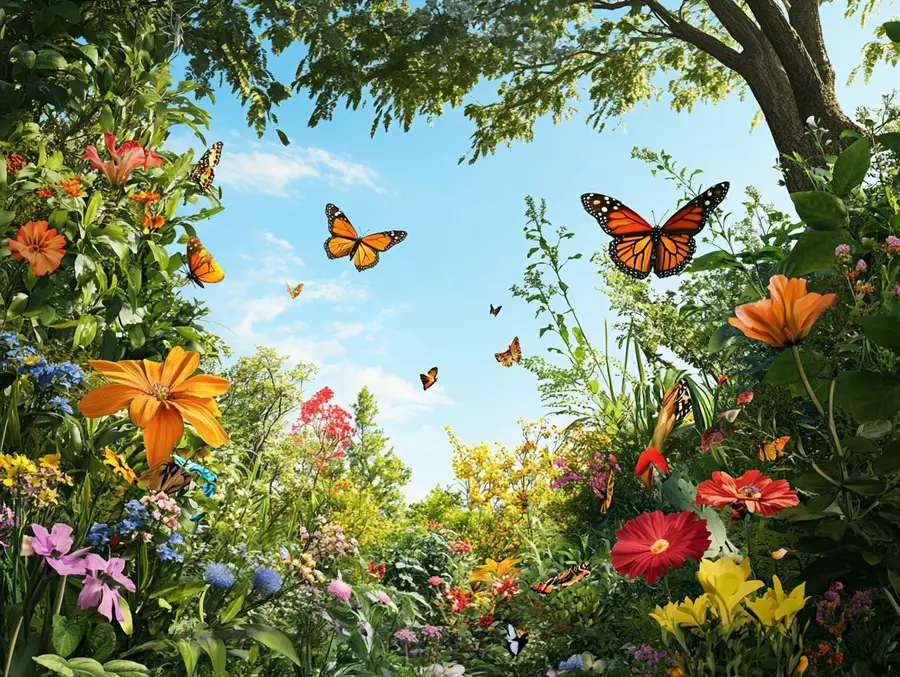
You can easily support biodiversity with some practical tips and ideas. Start by adopting sustainable practices, getting involved in wildlife protection efforts, and joining community initiatives that promote actions friendly to biodiversity.
One impactful way to contribute is by planting native species in your garden. This not only beautifies your space but also provides essential habitat and food for local wildlife.
Reducing waste through recycling and composting is another great step to take, as it helps cut down on pollution and resource depletion.
You can also make a difference by supporting conservation organizations—whether through donations or volunteer work—helping to protect endangered species and their habitats.
Plus, dive into your community by participating in environmental education programs, raising awareness about the importance of biodiversity, and encouraging others to adopt sustainable habits. Every little effort counts!
Future of Biodiversity
The future of biodiversity is up against some serious challenges, like climate change and habitat loss. But don’t worry—there are some promising conservation solutions and biodiversity action plans out there to help tackle these threats and boost ecological resilience.
You can be part of the conversation and actions that make a difference!
Challenges and Solutions
Biodiversity challenges like habitat loss, pollution, and climate change call for some creative conservation solutions. You can be part of this by supporting community-based conservation efforts and pushing for effective environmental policies that boost ecosystem resilience.
As ecosystems keep facing decline, you can’t underestimate the value of fostering local stewardship and getting communities involved in conservation. These grassroots movements often come up with tailored strategies that tackle specific regional threats while promoting sustainable practices.
On a larger scale, international agreements like the Convention on Biological Diversity work to bring countries together in the fight against these issues. Plus, technology is stepping up, with initiatives that use satellite imagery to keep tabs on deforestation and innovative ideas like biodiversity credits that encourage habitat protection.
Together, these efforts show how diverse strategies at different levels can help create a more sustainable future for the planet’s amazing biological heritage.
Frequently Asked Questions
What is biodiversity?
Biodiversity is the variety of living organisms in a particular area, including plants, animals, and microorganisms. It also encompasses the interactions between these organisms and their environment.
Why is supporting biodiversity important?
Supporting biodiversity is important for maintaining a healthy and balanced ecosystem. It provides essential resources and services such as clean air and water, pollination, and natural pest control.
How can I support biodiversity?
There are many ways to support biodiversity, such as planting native plants, avoiding the use of pesticides and herbicides, reducing your carbon footprint, and supporting conservation efforts and sustainable practices.
What are the benefits of supporting biodiversity?
Supporting biodiversity not only helps to preserve our environment, but it also has financial benefits. Biodiversity supports industries such as agriculture, forestry, and tourism, and can lead to new discoveries in medicine and technology.
What are some threats to biodiversity?
Some major threats to biodiversity include habitat destruction, pollution, climate change, invasive species, and overexploitation of natural resources. These activities can disrupt ecosystems and cause the loss of species.
How can I make a positive impact on biodiversity?
Individual actions can make a big difference in supporting biodiversity. You can volunteer for conservation organizations, participate in citizen science projects, educate others about the importance of biodiversity, and support sustainable and eco-friendly businesses.
Benefits of Xeriscaping: Save Water, Time, and Money
What is xeriscaping? A beginner’s guide to drought-tolerant landscaping