
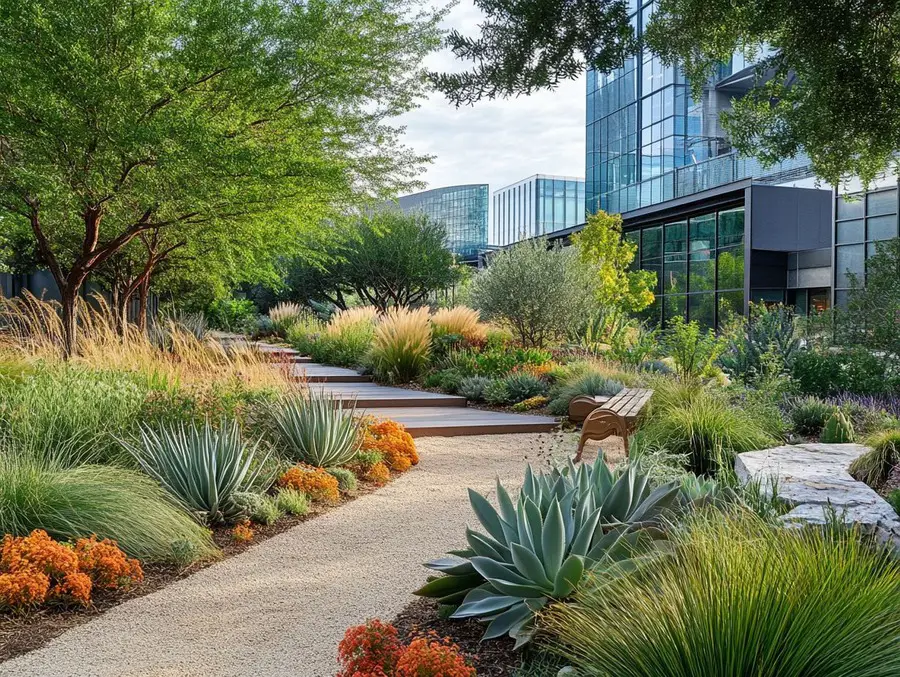
Xeriscaping in urban areas is one of the smartest ways to create a low-water landscape when space is limited. Small yards, patios, side yards, and even rooftops can all be designed to use less water while staying attractive and functional.
In cities where water costs are rising and space is tight, xeriscaping helps you reduce maintenance while making better use of every square foot.
This guide covers how urban xeriscaping works, which plants fit best, and how to build a practical low-water space in a city setting.
🌵 What You’ll Learn
- How xeriscaping works in small urban spaces
- How to improve poor city soil for better water retention
- Which drought-tolerant plants work best in urban yards
- How to reduce maintenance while saving water
- How to solve common urban xeriscaping problems
Quick Answer
Xeriscaping in urban areas uses drought-tolerant plants, efficient watering, mulch, and smart design to create low-water landscapes that work well in small spaces like city yards, patios, and rooftops.
Xeriscaping in Urban Areas: Transform Small Spaces Sustainably
Xeriscaping is a cool landscaping approach that helps you conserve water while still creating beautiful, sustainable gardens.
Especially if you’re in an urban area where water scarcity is becoming a bigger issue, xeriscaping gives you a practical way to balance environmental responsibility with aesthetic appeal.
This article dives into what xeriscaping is all about and why it’s so important.
You’ll discover its many benefits, including both environmental and economic perks, plus some tips on how to design and maintain your own xeriscape garden.
We’ll tackle common challenges you might face and point out the best drought-tolerant and native plants to include.
Stick around to learn how to turn your urban space into a thriving, water-efficient oasis.
How Xeriscaping Works in Urban Spaces
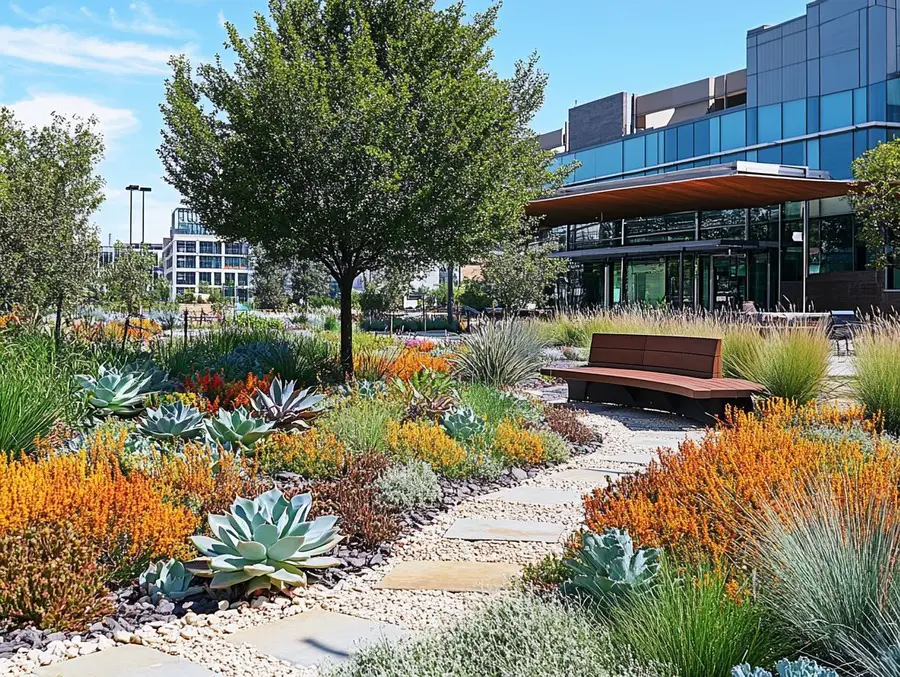
Xeriscaping is a landscaping design strategy that helps you create beautiful outdoor spaces while promoting water conservation and sustainability, especially in dry and urban areas.
This approach uses drought-resistant plants, native flora, and eco-friendly practices to make sure your garden thrives while also doing its part for the environment.
By focusing on soil health, irrigation efficiency, and smart plant selection, xeriscaping can help you reduce water usage and boost urban biodiversity.
It’s definitely an essential strategy in modern landscape architecture that you might want to consider for your outdoor spaces.
Xeriscaping is the process of landscaping, or gardening, that reduces or eliminates the need for irrigation.It is promoted in regions that do not have accessible, plentiful, or reliable supplies of fresh water and has gained acceptance in other regions as access to irrigation water has become limited, though it is not limited to such climates. Xeriscaping may be an alternative to various types of traditional gardening. Wikipedia
Definition and Purpose
At its core, xeriscaping principles are all about picking the right plants that can thrive in dry conditions, which means you’ll need to water them less often.
This smart approach saves water helps create a lively ecosystem, allowing you to design sustainable landscapes right in your own backyard.
By opting for native or drought-resistant plants, you can dramatically cut down on your water usage, making your garden more resilient while tackling the urgent challenges of climate change.
Xeriscaping also helps fight issues like soil erosion and habitat destruction, making it a key player in landscape restoration efforts.
As urban areas expand, using these techniques can turn barren spaces into lush, green habitats that benefit both local wildlife and your community as a whole.
Benefits of Xeriscaping in Urban Areas
The benefits of xeriscaping in urban areas go way beyond just looking good.
They bring some serious environmental and economic perks that can create a healthier community.
When you incorporate drought-resistant plants and smart landscaping techniques, xeriscaping helps tackle the urban heat island effect, improves water management, and boosts urban biodiversity.
Not only does this approach conserve precious water resources, but it also cuts down on landscaping costs and maintenance efforts.
It’s a savvy investment for cities aiming for ecological balance and sustainability.
Environmental and Economic Benefits
Embracing xeriscaping is a win-win situation for you and the environment.
It helps with water conservation and brings some serious economic perks, especially in urban areas.
When you choose native plants that don’t need much watering, you can cut down on landscaping maintenance costs and improve soil moisture retention.
This sets the stage for a thriving ecosystem right in your community.
Xeriscaping helps your city build resilience against climate change by boosting biodiversity, providing homes for local wildlife, and encouraging the use of renewable resources.
As municipalities hop on the xeriscaping bandwagon, they often find extra savings through lower water bills and reduced maintenance needs.
This frees up funds for other important community projects.
So, by integrating xeriscaping, you’re not just making urban spaces prettier; you’re also helping foster long-term ecological balance.
Designing an Urban Xeriscape Garden
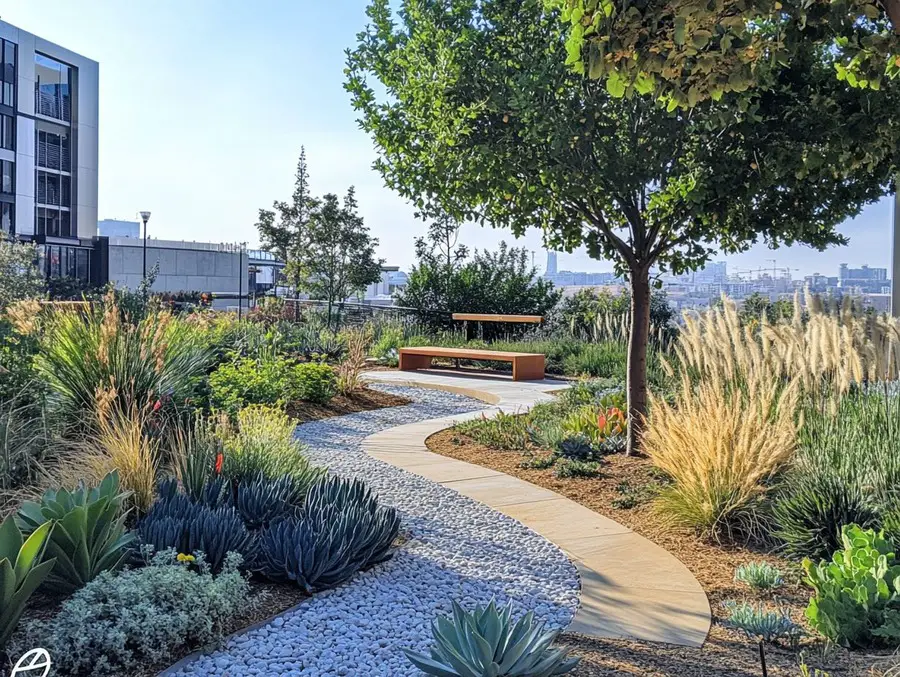
Designing a xeriscape garden is all about thinking through several key factors to make sure it looks good and works well for the environment.
By using xeric landscaping techniques, you can create a space that thrives on minimal water while boosting urban ecology and supporting local wildlife.
You’ll want to consider important elements like the climate, soil health, and choosing native plants.
These choices contribute to biodiversity and provide habitats, helping to prevent soil erosion and improve air quality.
Factors to Consider
When you’re designing a xeriscape garden, there are several factors to consider to make sure your landscape is both functional and visually appealing.
Start by choosing plants that are drought-tolerant and adaptable.
This approach doesn’t just create a stunning environment; it also boosts ecological balance by supporting a variety of plants that attract local wildlife.
You’ll want to incorporate efficient irrigation techniques to maximize water conservation, ensuring your plants get just the right amount of moisture without wasting a drop.
Adding soil amendments can help improve water retention and nutrient availability, giving your plants a healthy foundation to grow.
Don’t forget about seasonal interest! Picking plants that bloom at different times can keep your landscape constantly evolving and captivating to the eye.
It also reinforces a sustainable ecosystem that thrives on minimal resources.
Plant Selection for Xeriscaping
Selecting the right plants is key to successful xeriscaping for you. It’s all about picking drought-tolerant and native plants that thrive in your local climate and soil.
This thoughtful approach makes your garden more resilient and boosts biodiversity by creating habitats for urban wildlife and supporting pollinators.
Adding ornamental grasses and other low-water-use plants can really spice up your garden’s look while keeping maintenance to a minimum.
Drought-Tolerant and Native Plants
Drought-tolerant and native plants are key players in xeriscaping, helping your garden thrive with minimal water while supporting local ecosystems and cutting down on maintenance.
These tough plants flourish in tricky conditions and boost soil health with their deep root systems that enhance nutrient cycling and control erosion.
By adding pest-resistant varieties to your garden, you can create a colorful landscape that needs fewer chemicals, which is a win for the environment.
Choosing the right plants also helps you achieve optimal plant density, supporting greater biodiversity and habitat restoration.
These sustainable practices enrich your soil and create lively habitats for local wildlife.
So, embracing xeriscaping is a smart move for modern gardening that aligns perfectly with the principles of environmental sustainability.
Maintenance of Xeriscape Gardens
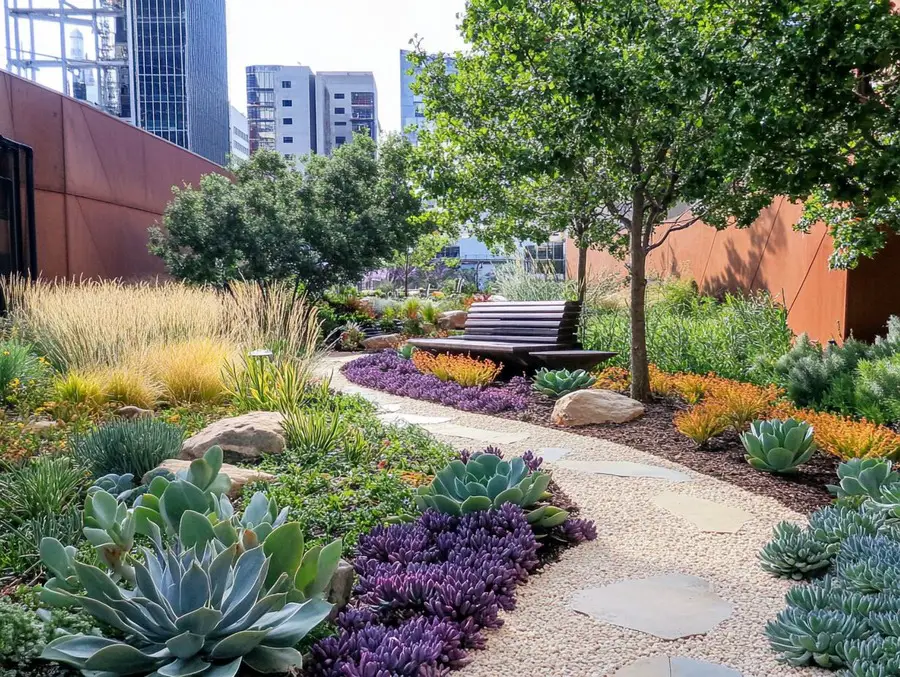
To maintain a xeriscape garden, you’ll want to use efficient watering techniques and keep those pesky weeds under control.
This way, you can ensure the long-term health and sustainability of your landscape.
Efficient Watering and Weed Control
Efficient watering practices, like drip irrigation, are key to keeping your xeriscape garden thriving.
This approach makes sure your plants get the moisture they need while cutting down on waste.
This saves water and also helps your plants grow healthier by delivering moisture right to the roots.
You might also want to consider incorporating rainwater harvesting and soil moisture sensors to boost your irrigation efficiency.
This can lead to better landscape improvement and sustainability. By retaining soil moisture through mulching and adding organic matter, you can significantly reduce how often you need to water, plus keep those pesky weeds at bay.
Using eco-friendly landscaping techniques, such as choosing native plant species, can further aid your water conservation efforts.
This creates a lively environment that positively impacts local ecosystems.
Challenges and Solutions for Xeriscaping in Urban Areas
Xeriscaping in urban areas offers its own set of challenges, like dealing with limited space and soil quality that can make it tough to create those drought-resistant landscapes you’re aiming for.
Overcoming Limited Space and Soil Quality
To effectively tackle limited space and poor soil quality in urban environments, you can use innovative landscaping strategies and soil amendments to really boost your xeriscaping efforts.
One technique you might consider is vertical gardening, where you grow plants on walls or trellises.
This method maximizes small areas, creating green spaces that look great and improve air quality.
Raised beds are another fantastic option. They allow for better soil drainage and nutrient control, making it easier for you to cultivate a variety of plants, even if the soil isn’t perfect.
Don’t forget about green roofs! They can turn your rooftop into a lush garden, helping to reduce urban heat and increase biodiversity.
All these approaches work together to address the challenges of urban gardening and contribute to a more sustainable city environment, encouraging you to integrate nature into your urban landscape.
Urban Xeriscaping FAQs
Can you xeriscape a small city yard?
Yes. Xeriscaping works very well in small spaces by using drought-tolerant plants, mulch, and efficient layouts to maximize limited space.
Can xeriscaping work on patios or rooftops?
Yes. Containers, raised beds, and rooftop gardens can all use xeriscaping principles to reduce watering and maintenance.
What are the biggest urban xeriscaping challenges?
Limited space, poor soil, reflected heat, and drainage problems are the most common challenges in city landscapes.
Do xeriscapes help lower city heat?
Yes. Plants, mulch, and reduced hardscape exposure can help cool urban spaces and reduce heat buildup.
What plants work best for urban xeriscaping?
Native grasses, sedums, lavender, yarrow, and compact shrubs often work well because they tolerate heat and need less water.
Final Thoughts
Urban xeriscaping makes it possible to create attractive, low-water landscapes even when space is limited. With the right plant choices and layout, small city spaces can become practical and efficient.
By improving soil, reducing unnecessary watering, and choosing climate-adapted plants, you can lower maintenance while creating a stronger, healthier outdoor space.
Even small urban changes can make a big difference in water savings over time.
Explore More Urban Xeriscaping Guides
What is xeriscaping? A beginner’s guide to drought-tolerant landscaping – CSU