

If you’re aiming to create a beautiful outdoor space without stressing about high water usage, xeriscaping could be just what you need.
This sustainable landscaping approach is all about designing water-efficient gardens, especially in those tricky small areas where traditional gardening might give you a headache.
Dive into the basics of xeriscaping, from its definition and benefits to practical tips for choosing drought-tolerant plants.
You’ll also discover some handy strategies for maintaining your xeriscape and managing costs effectively, so your garden can thrive while saving water. Get ready to transform your small space into an eco-friendly oasis!
What is Xeriscaping for Small Spaces?
Xeriscaping is a landscaping method that really puts water conservation front and center. It focuses on using drought-resistant plants and sustainable practices, making it especially useful in arid regions where traditional gardening might drain water resources.
By incorporating techniques like improving the soil, using efficient watering methods, and selecting native plants, you can create a landscape that needs minimal irrigation, supports biodiversity, and looks great, too.
This approach is a perfect fit for adapting to climate changes, which is why it’s become a go-to choice for environmentally conscious gardeners like you.
Definition and Benefits
Xeriscaping is all about designing your landscape with water conservation in mind while boosting garden sustainability and biodiversity. By using low-maintenance gardening techniques, you can create a beautiful outdoor space that’s not just easy on the eyes but also eco-friendly, helping you significantly cut down on water usage over time.
This approach doesn’t just help your planet; it can also lead to lower water bills and less need for intensive upkeep, which is perfect if you’re someone who wants to enjoy a garden without all the hassle.
By choosing native plants and adding features like rock pathways and rain gardens, you’re making sustainable landscaping choices that can enhance climate resilience.
Plus, the variety of plants you include can attract local wildlife, contributing to important biodiversity conservation efforts. In the end, you’re helping create a healthier ecosystem that benefits not just the environment but your entire community too.
Designing a Xeriscape for Small Spaces
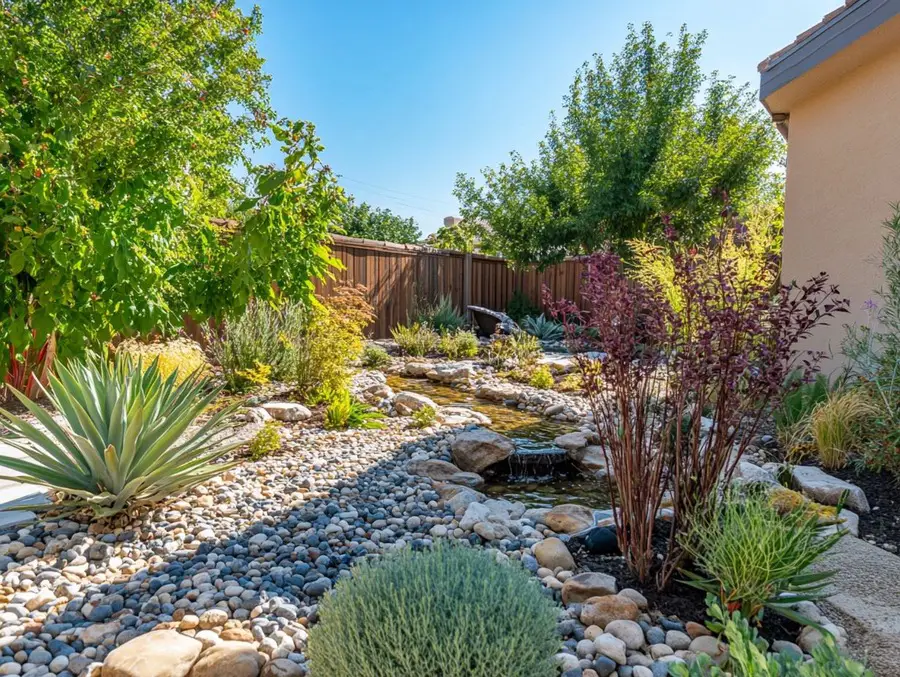 Designing a xeriscape for small spaces calls for a bit of creative thinking and smart use of the area you have. By using innovative space-saving techniques and embracing container gardening, you can turn even the tiniest urban landscapes into thriving ecosystems packed with drought-resistant plants.
A well-thought-out garden layout will make sure that every inch has a purpose, whether it’s boosting the aesthetics or promoting biodiversity.
Factors to Consider
When you’re designing a xeriscape, there are several factors you need to consider to get the best results, especially in a small garden.
First up is understanding your soil types and figuring out if it needs any improvement. Then, you’ll want to select the right plants that fit your garden’s unique microclimates. And don’t forget about effective irrigation systems, like drip irrigation, to minimize water waste—all tailored to adapt to your climate.
Incorporating plant hardiness is super important. Choosing species that thrive in your local climate will lead to a more resilient garden. Native plants, for instance, usually require less maintenance and are often more drought-resistant, which is a win-win.
Regular garden maintenance is also key to keeping your xeriscape thriving. This means mulching, pruning, and weeding to encourage healthy growth and reduce competition for water.
By implementing efficient watering techniques, you’re not just conserving resources; you’re also making sure your plants get just the right amount of moisture, helping to foster a sustainable ecosystem.
By paying attention to these interconnected factors, you can create a flourishing xeriscape that looks great and doesn’t demand a ton of effort.
Choosing the Right Plants for Xeriscaping
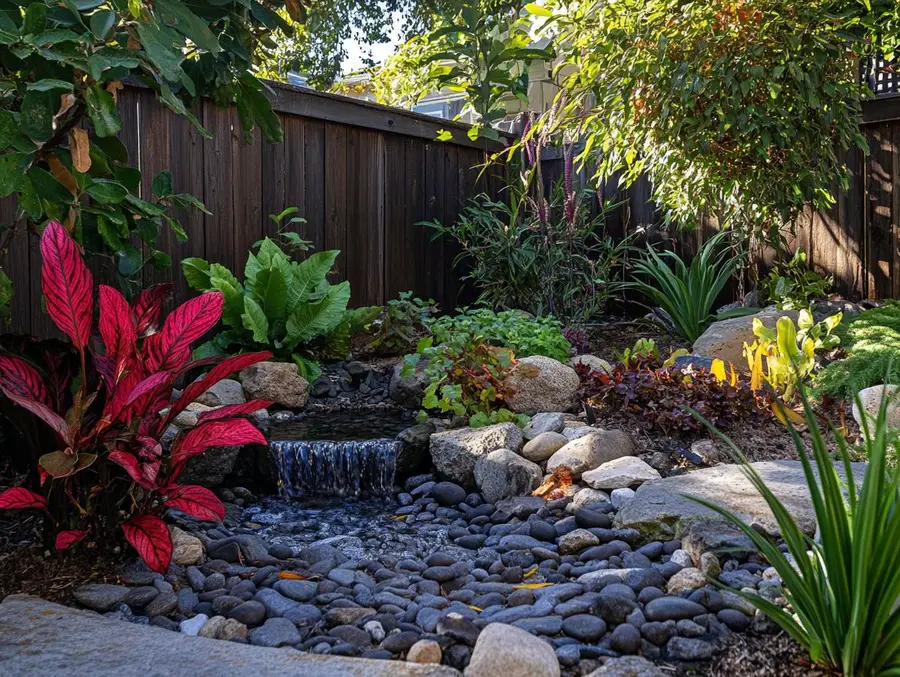
Choosing the right plants for xeriscaping is key to creating your low-maintenance garden that thrives on limited water. Drought-tolerant varieties, like native plants and ornamental shrubs, not only handle dry conditions well but also boost the beauty of your landscape.
Plus, adding a mix of flowering plants and ground cover will help increase biodiversity while cutting down on the amount of care you need to do.
Drought-Tolerant and Low-Maintenance Options
When you’re on the hunt for drought-tolerant and low-maintenance options, xeric plants should definitely be at the top of your list for any xeriscape. These varieties not only sip water sparingly but also thrive on minimal care, which is perfect for those of you who are busy juggling life and gardening.
Adding in some ornamental grasses, seasonal flowers, and smart pruning practices can really streamline your gardening routine while keeping your landscape vibrant and lush.
By picking specific drought-resistant plants that suit your regional climate, you can enhance your landscape and promote healthy growth. For example, if you’re in arid regions, succulents and native cacti are fantastic choices. If you’re in a temperate zone, you might want to consider lavender and sedum.
To keep these resilient plants happy, focusing on soil fertility is key; amending your soil with organic matter can help improve moisture retention.
Don’t forget to use integrated pest management techniques to protect your plants from pests and diseases. This way, your drought-tolerant plants can keep thriving, even when the conditions get a little tough.
Creating a Water-Efficient Landscape
Creating a water-efficient landscape isn’t just about picking the right plants; it also involves setting up effective irrigation systems that help you water smartly while saving resources.
By using techniques like drip irrigation and adding mulch to keep that soil moisture in check, you can significantly cut down on your water usage. This way, your garden stays lively and colorful, even during those dry spells.
Strategies for Reducing Water Usage
Implementing effective strategies to cut down on water usage is key to creating a sustainable xeriscape. You can group plants with similar water needs, set up rainwater harvesting systems, and use green landscaping practices to significantly boost your water conservation efforts in the garden.
By choosing drought-resistant plants that thrive in your local conditions, you’ll minimize your water dependency while also being a good steward of the environment. Plus, using resources like mulch and ground covers will help maintain soil moisture and keep temperatures in check.
Don’t forget about drip irrigation systems! They allow you to water precisely, targeting the roots directly without any evaporation loss.
And if you create a wildlife habitat in your xeriscape, you’ll attract beneficial insects and encourage natural pollination, creating a vibrant ecosystem right in your backyard.
Maintaining a Xeriscape in Small Spaces
.jpg_10.jpeg)
Maintaining a xeriscape in small spaces calls for some careful planning and regular garden care to help your plants thrive with minimal fuss.
You’ll want to use the right gardening tools, adopt seasonal gardening practices, and do some timely pruning to keep your landscape looking healthy and vibrant.
This way, you can stick to the low-maintenance principles that make xeriscaping so appealing.
Tips for Long-Term Care
For the long-term care of your xeriscape, it’s all about keeping those plants healthy with regular check-ups and garden improvements. Using mulch can really boost soil fertility and help with moisture retention. Plus, if you establish efficient watering practices, your drought-tolerant plants will stay healthy and vibrant for years.
Don’t forget to adapt your care practices with the seasons! Weather changes can have a big impact on plant health. For example, during those hotter months, adding some shade and keeping an eye on soil moisture can help prevent stress on your drought-resistant plants.
Also, think about incorporating biodiversity conservation techniques by choosing a mix of native plants. This not only enhances the wildlife habitat, but it also provides food and shelter for local critters. Make it a habit to regularly check for pests and diseases to ensure those sustainable practices stay on track.
That way, your xeriscape can thrive while also positively contributing to the surrounding ecosystem.
Cost and Time Considerations
When you’re planning your xeriscaping project, keeping an eye on cost and time is essential for creating a successful and sustainable landscape.
By figuring out the initial investment for drought-resistant plants and efficient irrigation systems, along with the ongoing time you’ll need for maintenance, you can manage your gardening budget more effectively and make your efforts toward achieving a thriving xeriscape a whole lot smoother.
Budgeting and Time Management for Xeriscaping
Budgeting and time management for xeriscaping are crucial if you want your project to be both doable and effective. By estimating your expenses for plant selection, soil improvement, and irrigation systems, you can allocate your resources wisely and plan your gardening schedule so you can keep up with regular maintenance without feeling overwhelmed.
Recognizing which expenses to prioritize can really boost the success of your gardening efforts. For example, when you’re involved in community gardens or tackling DIY gardening, it’s key to figure out what elements are must-haves and which ones can wait or be cut.
Don’t forget to tap into garden resources like local extension services or online gardening forums. They can help you make informed decisions, ensuring your investments go into sustainable practices that pay off in the long run.
Plus, having a flexible gardening schedule means you can adapt to the growing demands of each season and make adjustments if unexpected challenges pop up.
Frequently Asked Questions
What is xeriscaping and how is it beneficial for small spaces?
Xeriscaping is a form of landscaping that focuses on conserving water by using plants that are adapted to the local climate and require less irrigation. It is beneficial for small spaces because it can reduce water usage and maintenance while still providing a beautiful and sustainable landscape.
Can xeriscaping be done in any type of small space?
Yes, xeriscaping can be applied in various types of small spaces, including front and back yards, balconies, and rooftop gardens. It is a versatile approach that can be tailored to suit the size and needs of different spaces.
What are some key elements to consider when planning a xeriscaped small space?
The key elements to consider when planning a xeriscaped small space include choosing appropriate plants, implementing efficient irrigation systems, utilizing mulch and other ground covers, and incorporating hardscaping elements for functional and aesthetic purposes.
Do I need to have a green thumb to successfully xeriscape a small space?
No, xeriscaping does not require advanced gardening skills. With proper planning and plant selection, anyone can create a low-maintenance and water-efficient landscape in a small space.
Can xeriscaping in a small space still provide aesthetic value?
Yes, xeriscaping can still provide aesthetic value in a small space. There are many visually appealing drought-resistant plants, such as succulents and ornamental grasses, that can be incorporated into a xeriscaped landscape. Additionally, hardscaping elements and creative design can also add aesthetic appeal to a small space.
Is xeriscaping for small spaces expensive?
Xeriscaping can be cost-effective in the long run due to reduced maintenance and water costs. However, initial costs may vary depending on the size of the space, plant selection, and the need for professional assistance. It is important to carefully plan and budget for xeriscaping in a small space to fit individual needs and resources.
Xeriscape Garden Design & Layout: Easy Water-Wise Beauty
What is xeriscaping? A beginner’s guide to drought-tolerant landscaping – Colorado State University