

Designing for Wildlife in Xeriscaping creates a thriving, eco-friendly space! Learn how to attract birds, bees, and butterflies with water-wise landscaping.
Xeriscaping isn’t just about being water-efficient; it’s your chance to create vibrant habitats for wildlife right in your own yard.
In this article, you’ll dive into the principles of xeriscaping and discover all the benefits it brings to local ecosystems. You’ll learn how to design your outdoor space to attract a variety of wildlife, from birds to butterflies, using specific plants and design techniques tailored just for this purpose.
You’ll also get some essential tips for keeping your wildlife-friendly xeriscape thriving, ensuring your garden’s success for the long haul. Get ready to turn your landscape into a flourishing sanctuary for nature!
What is Designing for Wildlife in Xeriscaping?
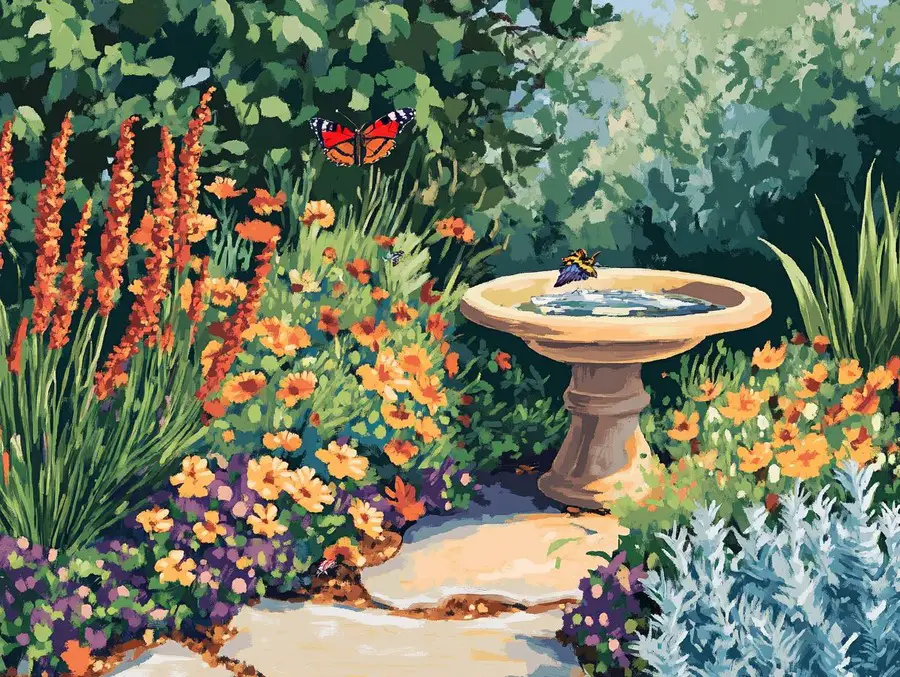
Xeriscaping is a landscaping method that puts the spotlight on drought-resistant plants and smart water conservation techniques to help you create sustainable gardens that actually thrive in dry conditions.
With this approach, you’re not just cutting back on water usage; you’re also encouraging the growth of native plants and xerophytes that are perfectly suited for your local climate.
This way, you enhance biodiversity while also reducing the ecological footprint that comes with traditional landscaping practices.
Definition and Principles
The whole idea of xeriscaping is all about using drought-resistant plants and smart irrigation methods to create a landscape that thrives on minimal water. This approach boosts ecological balance and sustainability. You get to incorporate native plants that naturally need less water and support local wildlife habitats, allowing you to craft a garden that’s not just pretty but also functional.
Besides choosing resilient plants, a key part of this is making sure the soil retains moisture. You can do this by adding organic matter and mulching to help regulate temperature and cut down on evaporation.
Knowing some effective irrigation management techniques, like drip irrigation or rainwater harvesting, is crucial too. These methods direct water straight to the plant roots where it’s needed most.
By blending these principles into your garden, you can not only minimize water waste but also create an environment that conserves resources and encourages biodiversity, which helps shrink your ecological footprint in the process.
Benefits of Xeriscaping for Wildlife
Xeriscaping has so many benefits for wildlife, turning ordinary spaces into vibrant ecosystems that support biodiversity and provide essential habitats for different species, including pollinators and native butterflies.
When you create water-efficient landscapes, you’re not just cutting down on the need for irrigation; you’re also promoting ecological balance. This approach allows urban wildlife to thrive even in increasingly fragmented natural habitats.
How Xeriscaping Supports Wildlife Habitats
Xeriscaping is a fantastic way for you to support wildlife habitats by using native plants and providing the essential resources that various species, like pollinators, birds, and beneficial insects, need. This approach really boosts overall biodiversity.
By creating microhabitats tailored to the specific needs of urban wildlife, you can help foster a healthier ecological balance right in your own landscape.
When you carefully choose plant species that are well-suited to your local climate, you’re promoting a thriving ecosystem where wildlife can truly flourish. Incorporating a variety of plants with different flowering times ensures that there’s a constant food source for pollinators. Plus, using shrubs and ground covers can offer shelter and nesting sites for birds and beneficial insects.
You can enhance your landscape’s appeal to wildlife even more by creating varied habitat niches like rock piles, brush heaps, and water features. This makes your outdoor space a vibrant and dynamic environment where different species can interact and contribute to a balanced ecosystem.
Designing a Xeriscape for Wildlife

Designing a xeriscape for wildlife means you need to put some thought into your landscape design. It’s all about choosing native plants and using gardening techniques that boost soil health and create little microhabitats.
By focusing on these aspects, you can create a sustainable and inviting space that encourages wildlife to interact while also promoting biodiversity and helping with ecological restoration.
Key Considerations and Techniques
When you’re designing a xeriscape for wildlife, there are some key things to consider, like picking the right native plants, developing effective water management strategies, and using techniques to control soil erosion. These steps are crucial for creating a thriving ecosystem. Plus, applying ecological gardening principles not only makes your landscape look great but also supports the local wildlife that depends on these spaces.
To kick things off, choose native plants that are well-suited to your local climate. This can cut down on watering needs and provide essential habitats for pollinators and birds. Grouping plants with similar water requirements can help you optimize irrigation while reducing runoff. And don’t forget about mulch! It helps retain moisture in the soil and prevents erosion, boosting soil health.
For instance, adding drought-resistant species like lavender or succulents can save water and attract beneficial insects, which promotes biodiversity in your thriving ecosystem.
Attracting Specific Wildlife with Xeriscaping
Attracting specific wildlife with xeriscaping is all about choosing the right plants and features that appeal to different species, like pollinators and native butterflies. This way, you can create a lively and dynamic ecosystem right in your garden.
By picking out flowering plants, ground cover, and ornamental grasses carefully, you’ll not only boost the beauty of your garden but also provide essential habitat niches for a variety of wildlife.
Plants and Features to Attract Birds, Butterflies, and Other Wildlife
Selecting the right native plants and features, like insect hotels and birdhouses, can really amp up your xeriscape’s ability to attract birds, butterflies, and other wildlife. By incorporating a mix of flowering plants and ground cover, you’re not just making your garden look great; you’re also creating a thriving habitat for essential pollinators.
For example, if you plant milkweed and goldenrod, you’ll likely see monarch butterflies and various bee species stopping by. Sunflowers and coneflowers are fantastic too, as they provide seeds that many birds, like finches and sparrows, love to munch on.
Positioning native shrubs like elderberry or serviceberry can work wonders, creating natural nesting sites and berry sources for the birds. And don’t forget about the perks of adding small water sources or puddling areas; they can attract a diverse range of insects and birds, giving them hydration while enhancing the visual appeal of your landscape.
Together, all these elements help establish a balanced ecosystem that benefits both wildlife and the environment.
Maintaining a Wildlife Friendly Xeriscape

To keep your wildlife-friendly xeriscape thriving, you’ll want to stick to some ongoing garden maintenance practices.
Think organic gardening, managing your watering wisely, and strategically using mulch and compost to boost soil health. These steps not only help your xeriscape remain sustainable but also support the diverse wildlife that relies on these environments to survive.
Tips for Long-Term Success
For long-term success in creating a wildlife-friendly xeriscape, you really need to embrace sustainable practices, effective garden planning, and natural pest control methods that promote a healthy environment. Keeping an eye on seasonal blooms and ensuring wildlife protection will help your xeriscape thrive as a vibrant habitat for years to come.
To make this happen, routine monitoring of your plants’ health is key. This way, you can spot any pest or disease issues early on before they throw off the ecological balance. By paying attention to seasonal changes in your garden, you can adjust your care routines—like ramping up watering during dry spells or adding mulch to keep that moisture in.
Don’t forget to promote biodiversity by including native plant species. They’ll attract beneficial insects and serve as a food source for local wildlife, which will really boost those sustainable gardening practices and support a harmonious ecosystem.
Frequently Asked Questions
What is xeriscaping?
Xeriscaping is a landscaping method that uses drought-resistant plants and efficient irrigation systems to conserve water.
How does xeriscaping benefit wildlife?
Xeriscaping can benefit wildlife by providing a natural habitat for them to thrive in. Drought-resistant plants and proper landscaping techniques can also attract pollinators and other beneficial insects.
What are some important factors to consider when designing for wildlife in xeriscaping?
When designing for wildlife in xeriscaping, it is important to choose native plants, provide shelter and food sources, and create a diverse landscape with different levels and textures.
Can xeriscaping be harmful to wildlife?
While xeriscaping can be beneficial for wildlife, it is important to be mindful of any potential hazards such as toxic plants or water features that can trap small animals.
Is it possible to attract specific types of wildlife with xeriscaping?
Yes, by choosing specific plants and incorporating features such as bird feeders or butterfly gardens, it is possible to attract specific types of wildlife to your xeriscaped landscape.
How can I maintain a xeriscaped landscape while still providing for wildlife?
To maintain a xeriscaped landscape for wildlife, it is important to regularly prune and remove any dead or diseased plants, plant new native species, and provide a reliable water source during times of drought.
Benefits of Xeriscaping: Save Water, Time, and Money
What is xeriscaping? A beginner’s guide to drought-tolerant landscaping