
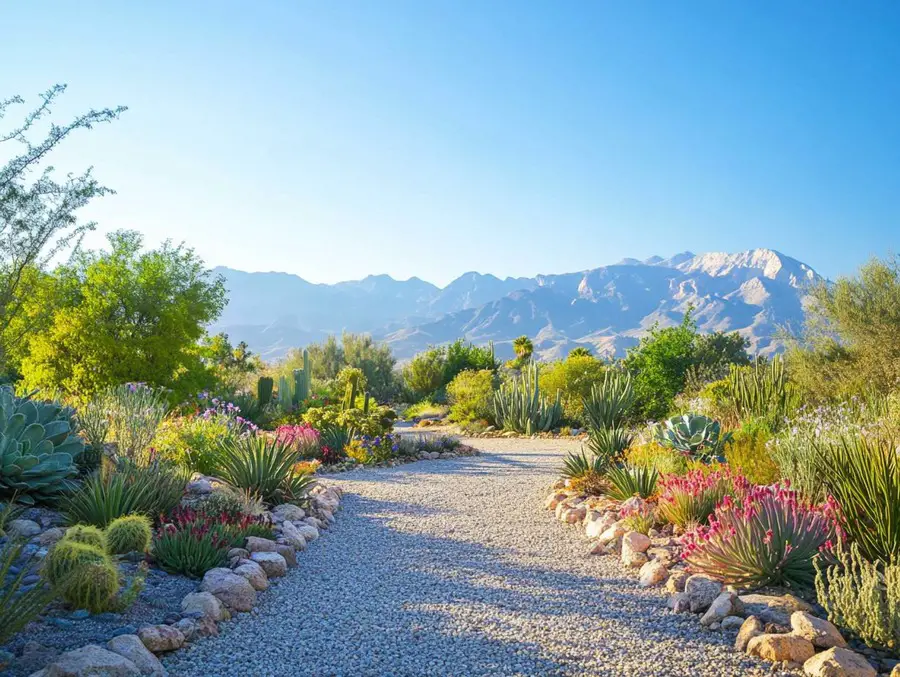
Global Xeriscaping Trends are shaping sustainable landscapes worldwide! Discover innovative, water-wise ideas for creating beautiful, drought-friendly gardens.
Xeriscaping is changing the way you think about landscaping, especially if you live in water-scarce regions. This sustainable practice is all about designing gardens that use minimal water, making it a perfect choice for environmentally-conscious homeowners like you.
Let’s dive into what xeriscaping is all about, including its benefits—think environmental perks and financial savings—and how it’s catching on globally.
You’ll also learn some practical techniques to implement xeriscaping no matter your climate, along with the challenges you might encounter and smart solutions to tackle them.
Jump in to discover how xeriscaping can transform your outdoor space while promoting sustainability!
What are Global Xeriscaping Trends in Xeriscaping?

Xeriscaping is a landscaping approach that’s all about conserving water. It uses drought-resistant plants and clever gardening techniques to create sustainable gardens that can really thrive in dry climates.
This method not only spruces up your garden’s look but also supports ecological design by promoting biodiversity and saving local resources. It’s a fantastic option for anyone looking to modernize their landscaping practices.
By incorporating native plants and xerophytic species, you can lay the groundwork for resilient urban landscapes that adapt to climate conditions while keeping the soil healthy and making the most of your irrigation efforts.
Definition and Purpose
The whole idea of xeriscaping is about putting into practice some principles that focus on smart water management and ecological landscaping. It’s all about creating sustainable habits that help you use less water while making your landscape work harder for you.
To get there, you really need to understand your soil composition. The right mix can help with water retention and drainage, making sure your plants have moisture when those dry spells hit.
Choosing drought-resistant plants is key; these guys are built to thrive in low-water conditions and can boost biodiversity while attracting helpful wildlife.
You can also use strategies like mulching to cut down on evaporation and keep the soil cooler. And don’t forget about rainwater harvesting systems—they can be a great, reliable source of water.
By using these techniques, you’ll create resilient green spaces that not only adjust to changing climates but also support local ecosystems.
Benefits of Xeriscaping
Xeriscaping has a ton of benefits that you’ll love, including being friendly to the environment and your wallet. It’s a great choice if you want to spruce up your landscape while promoting eco-friendly practices.
By using drought-tolerant plants and native landscaping, you can cut down on water usage, boost soil health, and create a welcoming habitat for local wildlife. You’re not just beautifying your space; you’re also helping with habitat restoration and conserving biodiversity.
Plus, on the practical side, embracing xeriscaping can lead to some serious savings on landscaping maintenance and irrigation costs over time.
Environmental and Financial Advantages
The environmental and financial benefits of xeriscaping are pretty impressive. This gardening method encourages water-efficient practices that can really cut down on your irrigation costs and lessen your overall impact on the environment.
By using native and drought-resistant plants, xeriscaping means you don’t have to water as often, plus it helps keep soil erosion in check, protecting that precious topsoil from washing away. The variety of plants also boosts biodiversity, creating cozy habitats for all sorts of wildlife, which is a win for the ecosystem.
On the wallet side of things, you’ll likely see lower utility bills thanks to reduced water usage, and maintenance costs take a dive too since xeriscaped gardens need less upkeep.
This sustainable approach not only makes the most of resources but also spruces up your property’s curb appeal, making it a smart choice for anyone who cares about the environment.
Global Adoption of Xeriscaping

You’ve probably noticed that xeriscaping is becoming more popular, and that’s largely thanks to the increasing awareness of sustainable gardening practices.
Communities and urban planners are really getting on board with xeriscaping techniques, using them in landscape architecture to create gardens that are not only stunning but also smart about water usage.
Trends and Statistics
Recent trends and statistics show that there’s a noticeable uptick in xeriscaping across different regions, highlighting a shift toward more sustainable gardening methods that focus on ecological restoration and resilience planning.
In fact, studies show that about 30% of homeowners are now jumping on the xeriscaping bandwagon, driven by the pressing need for water conservation and lower maintenance costs. This growing preference is part of a larger cultural shift toward regional gardening practices that not only beautify individual landscapes but also play a significant role in urban planning for sustainable communities.
As these numbers keep climbing, the implications for environmental sustainability become more impactful. It suggests that there’s a collective commitment to protecting local ecosystems and promoting biodiversity right in urban areas.
Implementing Xeriscaping in Different Climates
When you implement xeriscaping in various climates, it’s important to take a thoughtful approach to adapt to those specific conditions.
You want to make sure your xeriscape gardens feature drought-tolerant plants that are suited to your environment, all while keeping an eye on soil health and moisture levels.
Adapting to Different Environments
Adapting xeriscaping techniques to your environment means getting to know the ecological balance in your area and choosing the right native plants that help create a sustainable urban landscape.
You’ll want to dive into some research on local flora and fauna to make sure the plants you pick can thrive in your specific conditions—think about things like soil type, sunlight exposure, and moisture levels.
When you incorporate functionality into your landscape design, you’re not just making everything look pretty; you’re also boosting the health of local ecosystems. For example, using drought-resistant plants can cut down on water usage while still keeping your green spaces vibrant.
As you garden, consider layering your plants to create a diverse habitat that supports local wildlife. This way, you’ll foster a harmonious relationship between urban living and the natural world.
Xeriscaping Techniques and Design
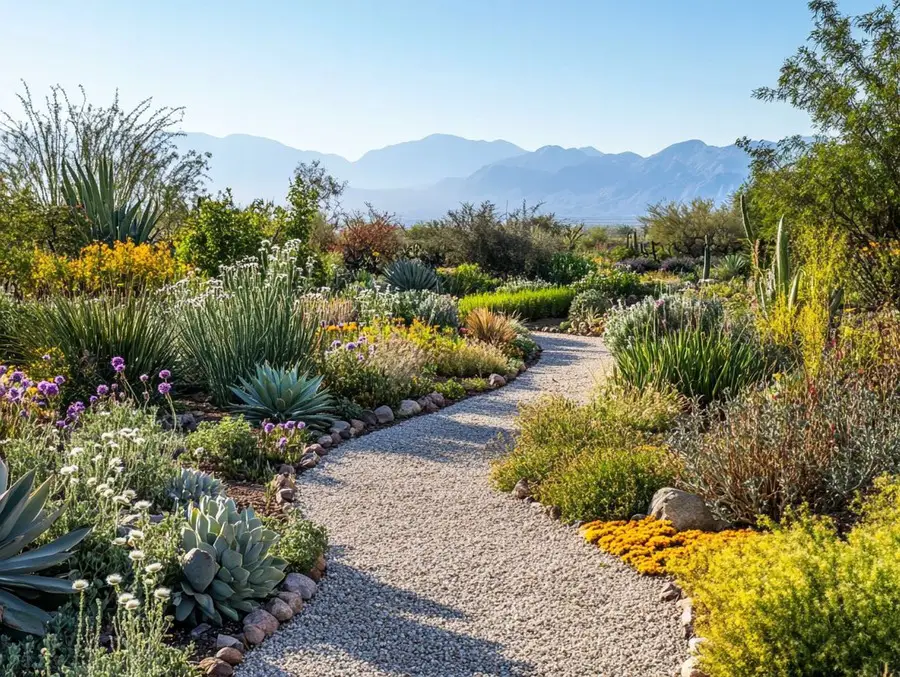
Getting a grip on xeriscaping techniques and design principles is essential if you want to create gardens that are not just beautiful but also functional.
By focusing on eco-friendly practices, you can efficiently manage water resources and make your garden both stunning and sustainable.
Key Elements and Tips for Successful Xeriscaping
The key elements and tips for successful xeriscaping involve using effective garden design principles that focus on maintaining your landscape while employing water-efficient gardening techniques to keep your plants healthy and looking great.
To create a thriving xeriscaped garden, start by carefully selecting seasonal plants that are native to your region. These plants typically need less water and provide a cozy home for local wildlife, which boosts biodiversity. Don’t forget to think about your soil composition, too; enriched, well-draining soil helps support healthier root systems and cuts down on how often you’ll need to water.
Using efficient irrigation methods like drip systems or rainwater harvesting can really help you save water. This way, you can create an eco-friendly design that minimizes your environmental impact while still making your landscape inviting and visually stunning.
Challenges and Solutions for Xeriscaping
While xeriscaping offers you plenty of benefits, it’s not without its challenges during implementation.
You might find yourself facing a few hurdles that require some creative solutions to promote sustainable land use and effective ecological landscaping practices.
Common Obstacles and How to Overcome Them
You might run into a few common obstacles when it comes to xeriscaping, like misconceptions about what drought-resistant plants can really do or the idea that managing water in these gardens is super complicated. But don’t worry! With the right education and community gardening initiatives, you can easily overcome these challenges.
By rolling out educational programs that showcase the perks of ecological restoration and sustainable practices, your community can really get a handle on how xeriscaping can improve landscapes while saving water. Community workshops led by seasoned pros can offer hands-on demonstrations that bust the myths around plant selection and maintenance.
Plus, when you showcase successful xeriscape examples—like those stunning gardens that thrive in dry conditions—it can inspire others to jump on the sustainable gardening bandwagon. This concerted effort not only builds knowledge but also creates a sense of community, making it easier for everyone to adopt eco-friendly gardening methods.
Frequently Asked Questions
What is xeriscaping and why is it becoming a global trend?
Xeriscaping is a landscaping technique that focuses on conserving water by using plants that require little to no irrigation. It is becoming a global trend due to increasing concerns about water scarcity and the need for sustainable landscaping practices.
What are the benefits of xeriscaping?
Xeriscaping offers a variety of benefits, including reduced water usage, lower maintenance costs, and a more environmentally-friendly landscape. It also promotes the growth of native plants, which can attract local wildlife.
Is xeriscaping only suitable for dry, arid regions?
No, xeriscaping can be adapted to any climate and can be used in both dry and wet regions. It involves selecting plants that are well-suited to the local environment, making it a versatile landscaping option.
Are there any downsides to xeriscaping?
One potential downside of xeriscaping is that it may require a larger initial investment compared to traditional landscaping methods. However, the long-term savings in water and maintenance costs often outweigh this initial expense.
How can I get started with xeriscaping?
If you are interested in implementing xeriscaping in your own landscaping, it is best to start by doing some research on suitable native plants for your area. You may also consider consulting a professional landscaper who specializes in xeriscaping for guidance.
Are there any incentives or programs available for xeriscaping?
Some regions offer incentives or rebates for homeowners who choose to xeriscape their yards. Additionally, there are organizations and programs dedicated to promoting and supporting xeriscaping practices globally.
Benefits of Xeriscaping: Save Water, Time, and Money
What is xeriscaping? A beginner’s guide to drought-tolerant landscaping