

Xeriscaping and climate change are closely connected because changing weather patterns, drought, and rising water demands are making low-water landscaping more important than ever.
By using drought-tolerant plants, mulch, and efficient irrigation, xeriscaping helps reduce water waste while building stronger landscapes that can handle heat and dry conditions.
In this guide, you’ll learn how xeriscaping helps address climate challenges and why it has become one of the most practical long-term landscaping solutions.
What You’ll Learn
- How climate change affects water use in landscaping
- Why xeriscaping helps reduce water demand
- How drought-tolerant plants improve resilience
- How xeriscaping lowers maintenance and resource use
- How to build a climate-smart low-water yard
Quick Answer
Xeriscaping helps address climate change by reducing water use, lowering landscape maintenance, improving soil health, and creating drought-resilient yards that adapt better to hotter, drier conditions.
How Xeriscaping Helps in a Changing Climate
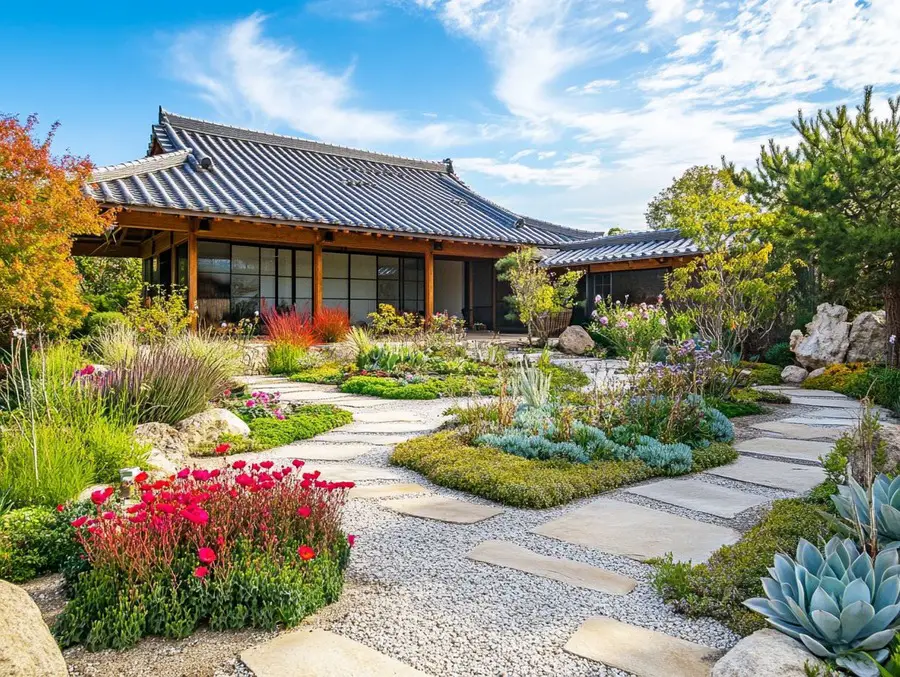
Understanding xeriscaping means getting to know its core principles and practices designed to create sustainable landscapes that really conserve water, especially in drought-prone areas.
With climate change shaking up rainfall patterns and making water scarcity more of a reality, using xeriscaping techniques can greatly improve the ecological balance in urban settings.
By incorporating drought-resistant plants and enhancing soil health, you can boost biodiversity and contribute to the overall environmental sustainability of local ecosystems.
Definition and Principles
Xeriscaping is a landscaping approach that focuses on being water-efficient and sustainable, especially in dry areas where water is a precious commodity.
This method not only cuts down on water usage but also boosts the resilience of your landscape against drought and changing climate conditions. At its core, xeriscaping revolves around seven key principles that, when combined, create a thriving environment that needs minimal water to flourish.
- The first principle is planning and design. It’s all about arranging your landscape thoughtfully, taking into account sun exposure, wind patterns, and local soil conditions.
- Then there’s soil amendment, which ensures that the foundation you’re working with supports healthy plant growth.
- Using efficient irrigation techniques, like drip systems, allows you to tailor water application to your plants’ specific needs.
- Choosing drought-resistant plants is crucial for keeping your garden vibrant without demanding too much water.
- Plus, adding organic mulch helps retain moisture and keeps those pesky weeds at bay.
- Regular maintenance is key to keeping your xeriscape healthy and efficient, ultimately showing off the beauty of sustainable, water-efficient gardening.
Benefits of Xeriscaping in the Face of Climate Change
Xeriscaping has a lot to offer when it comes to tackling climate change. It’s a great way to promote water conservation, boost biodiversity, and cut down on the environmental impact that comes with traditional landscaping practices.
Water Conservation and Drought Resistance
One of the main perks of xeriscaping is that it’s all about conserving water by using drought-resistant plants and smart irrigation techniques.
This creative landscaping approach includes various water-saving practices, like drip irrigation, which delivers water right to the plant roots. This method helps cut down on evaporation and runoff, which is a win for everyone. You can also implement soil moisture monitoring to ensure you’re giving your plants exactly the right amount of water at the right time, further boosting your conservation efforts.
Choosing inherently drought-resistant plants is key to creating a sustainable xeric garden. Think about species like lavender, sedum, and agave; they not only thrive in dry conditions but also contribute to a resilient ecosystem. This means you’ll maximize irrigation efficiency while keeping overall water usage to a minimum.
Reducing Carbon Footprint
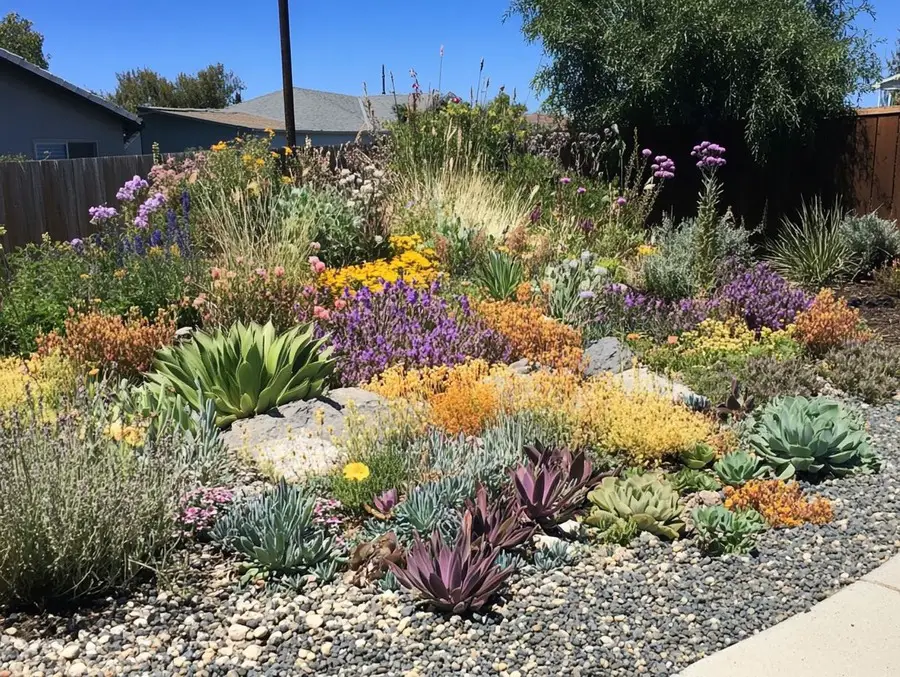
By swapping out traditional lawns and water-hungry plants for xeriscaping, you can really cut down on your carbon footprint while helping the environment.
This clever approach not only saves precious water but also reduces your need for chemical fertilizers and pesticides, which often pump greenhouse gases into the atmosphere.
When you dive into xeriscaping, you’re encouraged to use native plants that are perfectly suited to your local climate. These plants thrive on natural rainfall and require less upkeep. Plus, incorporating local flora helps maintain biodiversity and creates cozy habitats for wildlife.
Using eco-friendly materials in your hardscaping can further boost the positive impact of your landscaping. This not only fosters healthier soil and air quality but also plays a part in climate action initiatives. Making these choices can really make a difference!
How to Xeriscape
Creating a beautiful and sustainable xeriscape garden means putting some thought into your landscaping design. You want it to fit your local environment and climate while making sure you’re using water efficiently and keeping maintenance to a minimum.
Step-by-Step Guide to Creating a Xeriscape Garden
To create a successful xeriscape garden, start by looking closely at your landscape’s unique features, like how much sunlight it gets, the type of soil you have, and the existing plants that are already there. This assessment is key because it sets the stage for developing a sustainable and low-maintenance outdoor space.
Once you’ve got a good grasp on your landscape, it’s time to pick drought-resistant plants that will thrive in your specific conditions. Make sure they’ll look great together by considering their colors, textures, and growth habits.
After selecting your plants, focus on designing an irrigation system that’s efficient and minimizes water waste. A thoughtful layout and strategic plant positioning can help conserve water and promote healthy soil, allowing your xeriscape garden to thrive with minimal effort on your part.
Choosing Native Plants for Xeriscaping
When you choose native plants for xeriscaping, you’re not just supporting local biodiversity—you’re also setting yourself up for a thriving garden that needs minimal water and maintenance.
These plants are perfectly adapted to your local rainfall patterns and climate conditions, making them a smart choice for your outdoor space.
Benefits and Tips for Selecting Plants

The benefits of choosing native plants for your xeriscape garden are numerous, from better drought management to boosting biodiversity and creating habitats for pollinators.
These incredible plants not only thrive in your local conditions but also use less water than those non-native species you might be tempted to plant. Plus, they have a natural resistance to common pests in your area, which means you’ll rely less on chemical treatments. By opting for native plants, you’re supporting local wildlife by providing essential food and shelter for birds, bees, and other beneficial insects.
When you’re selecting these plants, it’s smart to think about their flowering times so you can enjoy a continuous bloom throughout the seasons. This will not only enhance your garden’s aesthetic appeal but also give you a vibrant backdrop all year round.
Seasonal gardening techniques, like staggered planting and choosing a mix of heights and colors, can really enhance the visual interest and ensure your garden remains a sanctuary for local ecosystems.
Maintaining a Xeriscape Garden
Proper maintenance is key to keeping your xeriscape garden thriving. It’s all about understanding the specific needs of your plants and using sustainable gardening practices to boost soil health and resilience.
When you pay attention to these details, your garden will really flourish!
Tips for Long-Term Success
Achieving long-term success in your xeriscape garden means committing to resource-efficient landscaping and getting a good grasp on ecological design principles that support sustainable practices.
To cultivate a thriving ecosystem, it’s crucial for you to regularly assess plant health. This way, you can spot any issues before they blow up into bigger problems. Using adaptive management strategies will help you respond effectively to changes in weather patterns or soil conditions, ensuring your garden keeps flourishing.
Integrating new plants or features over time can really breathe new life into your space and boost biodiversity. Plus, getting involved in community gardening initiatives not only promotes sustainable gardening practices but also strengthens local connections. It encourages knowledge sharing and fosters a sense of stewardship towards the environment.
Frequently Asked Questions
How does xeriscaping help with climate change?
Xeriscaping reduces outdoor water use, lowers fuel use from mowing, and creates more resilient landscapes that can handle drought and heat.
Can xeriscaping lower my water bill?
Yes. Many xeriscapes reduce outdoor water use by 50% or more depending on climate and plant choices.
Does xeriscaping help pollinators?
Yes. Native and drought-tolerant flowering plants often support bees, butterflies, and other beneficial insects.
Is xeriscaping only useful in drought areas?
No. Xeriscaping can work in many climates by improving water efficiency and reducing unnecessary irrigation.
Does xeriscaping reduce carbon emissions?
It can. Less mowing, less fertilizer, and lower water pumping can all reduce your landscape’s carbon footprint.
Final Thoughts
As climate conditions become less predictable, xeriscaping gives homeowners a practical way to reduce water use and build stronger landscapes.
By using drought-tolerant plants, improving soil, and watering more efficiently, you can create a yard that handles heat and dry spells much better over time.
Xeriscaping is not just about saving water anymore—it’s becoming a smart long-term strategy for adapting to a changing climate.
Explore More Climate-Smart Xeriscaping Guides
What is xeriscaping? A beginner’s guide to drought-tolerant landscaping