

Shrubs for xeriscaping help create the backbone of a low-water landscape. They add structure, privacy, year-round greenery, and seasonal color while using far less water than many traditional landscape shrubs.
The best drought-tolerant shrubs can handle heat, poor soil, and long dry periods once established. That makes them one of the most useful plant groups in any xeriscape design.
This guide covers the best shrubs for xeriscaping, how to choose them, and how to use them in a water-wise landscape.
What You’ll Learn
- Which shrubs work best in xeriscaping
- How shrubs help with privacy, erosion, and structure
- How to choose shrubs for your climate
- How to plant and maintain drought-tolerant shrubs
- How to use shrubs in a water-wise landscape design
Quick Answer
Good xeriscape shrubs include lavender, sagebrush, manzanita, yucca, juniper, and salvia. These shrubs add structure, reduce erosion, and handle dry conditions with less water once established.
Why Shrubs Matter in Xeriscaping
Shrubs are one of the most important plant groups in xeriscaping because they provide long-term structure, privacy, erosion control, and habitat while using less water than many traditional landscape shrubs.
Unlike smaller perennials or seasonal flowers, shrubs help anchor a xeriscape and create the backbone of the design year after year.
Benefits of Using Shrubs for Xeriscaping

Shrubs bring structure, privacy, and year-round reliability to xeriscaping. Many drought-tolerant shrubs need less water, less pruning, and less replacement over time, making them a strong low-maintenance choice.
They look great, and they help with water conservation and make your garden more sustainable.
If you opt for low-water varieties and native species, you’re on your way to creating a landscape that can handle those dry conditions while cutting down on the need for irrigation.
Shrubs are fantastic for keeping soil moisture in check, controlling erosion, and providing a cozy habitat for local wildlife.
They really are a smart choice for anyone interested in eco-friendly gardening.
Reduced Water Usage
One of the biggest benefits of using shrubs in xeriscaping is reducing overall water use. Many drought-tolerant shrubs develop deep root systems that help them access moisture lower in the soil, allowing them to handle dry periods with less frequent watering.
When paired with smart watering methods like drip irrigation and mulch, shrubs can help improve moisture retention and reduce evaporation. This makes it easier to maintain a healthier landscape while using less water.
Shrubs like lavender and manzanita are strong examples because they can adapt to poor soil, heat, and drought while still providing structure and seasonal interest in a xeriscape garden.
Low Maintenance
Another major benefit of xeriscape shrubs is how little maintenance they need once established. Many drought-tolerant shrubs are naturally tough, needing less pruning, less fertilizer, and fewer replacements compared to higher-water landscape plants.
Native shrubs like sagebrush and manzanita are especially useful because they are already adapted to local conditions, which often makes them more resilient against pests, weather swings, and poor soil.
With occasional pruning, seasonal checks, and deep watering during extreme dry spells, most xeriscape shrubs can stay healthy for years while providing structure, privacy, and long-term landscape stability.
Choosing the Right Shrubs for Xeriscaping
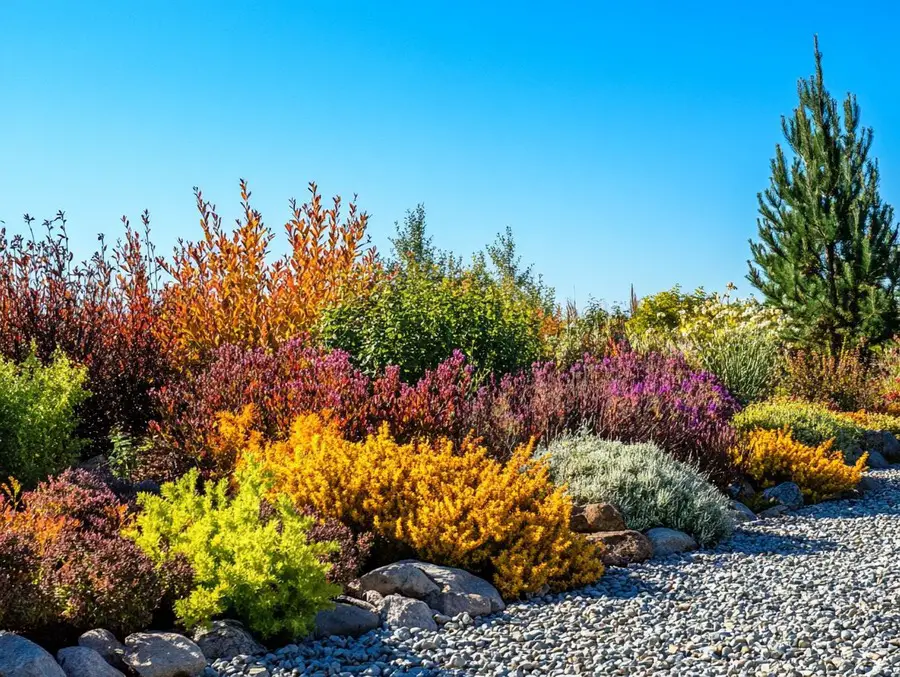
Choosing the right shrubs for your xeriscape garden is crucial if you want to keep your plants healthy and make the most of your water-efficient landscaping.
When you’re picking out plants, think about the pros and cons of native versus non-native species.
Native plants usually adapt better to your local soil and climate, which means they’re more drought-tolerant and don’t depend as much on irrigation.
By getting to know the characteristics of different shrubs and how well they can thrive in your specific environment, you can create a beautiful, sustainable garden that’s easy to maintain.
Native vs. Non-native Species
When you’re picking shrubs for xeriscaping, it’s important to know the difference between native and non-native species, as each type offers different ecological perks for your garden.
Native species are like the locals; they’re adapted to your area’s conditions and provide essential support for local wildlife and pollinators.
Non-native species might catch your eye with their unique looks, but they can sometimes fall short in pest resistance and sustainability.
Choosing native shrubs like sagebrush or lavender usually means less maintenance and better drought tolerance, making them perfect for dry climates.
These plants thrive in local conditions and help support biodiversity by attracting birds, bees, and other helpful insects.
On the flip side, non-native options like barberry or certain ornamental shrubs may need more watering and chemical treatments, which can throw off the local ecosystem.
While they can certainly make your space look good, their role in creating habitat isn’t as strong as that of native plants.
Ultimately, weighing these factors will help you create a more sustainable and resilient garden landscape.
Drought Tolerant Options
Selecting drought-tolerant options is key for creating a xeriscape garden that can thrive in low-water conditions, letting you enjoy a vibrant landscape with minimal irrigation.
You’ll find that many perennial shrubs and low-water varieties are excellent choices since they have adapted root systems that maximize soil moisture retention, making them perfect for sun-loving plants in arid regions.
By choosing the right species, you can establish a visually appealing environment that doesn’t demand much maintenance.
Ideal candidates include varieties like lavender, which loves well-draining soil and full sun, and salvia, which does well in both poor and sandy soils.
Opting for native plants is a smart move since they tend to be pretty resilient against drought while keeping your garden eco-friendly.
These shrubs bring seasonal interest with their lush foliage and beautiful blooms, boosting the aesthetic appeal while supporting sustainable practices.
Incorporating these plants conserves water and promotes local biodiversity, making a lasting impact on environmental health.
Planting and Maintaining Shrubs for Xeriscaping
Successfully planting and maintaining shrubs for xeriscaping means you need to use the right techniques and understand the unique needs of drought-resistant plants to keep them healthy and thriving.
By getting the hang of plant selection, soil amendments, and proper watering methods, you can create a beautiful garden that looks great, saves water, and provides a habitat for wildlife.
Proper Planting Techniques

Implementing proper planting techniques is key to making your xeriscape garden a success.
It sets the stage for healthy root systems and healthy soil.
By getting to know your soil type and making sure it retains enough moisture, you can give your chosen shrubs the best chance at thriving in a sustainable landscape.
- First things first—you’ll want to prepare those planting holes properly. They should be wide and deep enough to let the roots spread out without feeling cramped. This helps the plants dig deep for nutrients and water.
- Don’t forget about spacing! Keeping enough distance between your shrubs is important to avoid competition for resources and to promote good airflow.
- Adding organic matter like compost to your soil can work wonders, boosting soil health and improving drainage and nutrient availability.
To check if your soil is up to par, take a look at its texture and pH.
This way, you can ensure your plants thrive through the seasons with seasonal care like mulching and regular moisture checks.
Watering and Pruning Tips
Effective watering and pruning techniques are key to keeping your xeriscape shrubs healthy and vibrant, making sure they stay drought-tolerant.
By tailoring your watering schedule to what your plants specifically need and knowing when and how to prune, you can really boost their resilience and longevity.
For the best results, think about deep watering early in the morning or late in the evening.
This way, your plants get better absorption and you minimize evaporation.
During those scorching hot months, you might need to tweak your watering frequency.
Keeping a close eye on soil moisture levels will help prevent stress on your plants.
Regarding pruning, aim to chop off any dead or damaged branches at the start of the growing season.
This encourages new growth and helps your shrubs keep their shape.
Keeping an eye on local weather conditions will help you adjust your watering practices.
It’s all about being smart with your techniques, especially during droughts, so you can conserve water while still giving your plants the care they need.
Designing a Xeriscape Garden with Shrubs
Designing your xeriscape garden with shrubs is a fantastic chance for you to create a beautiful outdoor space while also being kind to the environment and conserving water.
By carefully selecting a mix of low-water shrubs and ornamental plants, you can create unique landscape features that look great and also attract local wildlife and add visual interest to your garden.
Incorporating Shrubs into the Landscape
Incorporating shrubs into your landscape can really turn ordinary spaces into vibrant garden beds bursting with texture and color.
They can serve as both eye-catching focal points and practical elements.
By strategically placing shrubs as ground cover or along borders, you can create a layered look that boosts biodiversity and supports local ecosystems.
This approach makes your outdoor spaces more beautiful and also provides habitats for beneficial wildlife, like birds, butterflies, and pollinators.
For example, using native shrubs in your borders can create a natural barrier while offering food and shelter to various species.
And don’t forget about companion planting! Choosing the right shrubs can improve plant health and growth.
By pairing shrubs with complementary flowers or herbaceous plants, you’ll create a dynamic and visually appealing landscape that thrives together and attracts those essential insects, enriching the overall ecological balance in your area.
Frequently Asked Questions
What are the best shrubs for xeriscaping?
Lavender, juniper, manzanita, yucca, and sagebrush are some of the best choices for dry landscapes.
Do xeriscape shrubs need watering?
Yes, especially during establishment. Once rooted, most need much less water than standard landscape shrubs.
Can shrubs help with erosion control?
Yes. Deep-rooted shrubs help stabilize soil and reduce runoff on slopes and exposed areas.
Are shrubs good for privacy in xeriscaping?
Absolutely. Many drought-tolerant shrubs can provide screening, windbreaks, and natural boundaries.
Final Thoughts
Shrubs for xeriscaping are one of the best ways to add long-term structure, privacy, and low-maintenance beauty to a dry landscape. They help anchor the garden and often need far less water than traditional shrubs once established.
By choosing shrubs suited to your climate and spacing them well, you can build a stronger, more resilient xeriscape that looks good year-round and stays easier to manage.
Explore More Xeriscape Plant Guides
What is xeriscaping? A beginner’s guide to drought-tolerant landscaping – Colorado State University