
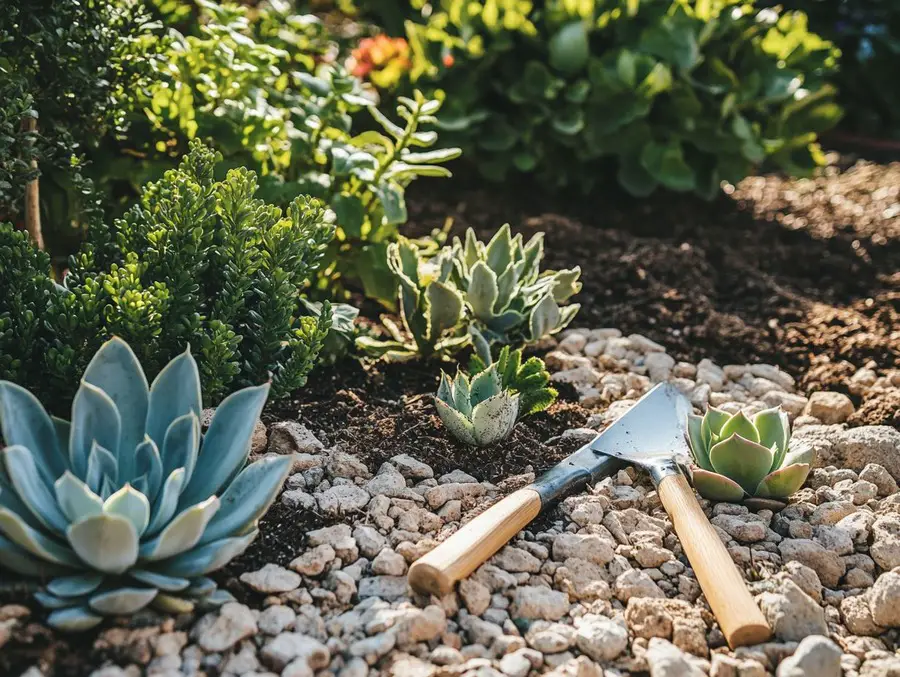
Knowing how to maintain a xeriscape garden is just as important as building one. Even low-water landscapes need occasional care to stay healthy, attractive, and efficient over time.
The good news is xeriscape maintenance is usually simpler than traditional landscaping. With the right watering habits, mulch, pruning, and seasonal checks, you can keep your yard thriving with less work.
This guide covers practical xeriscape maintenance tips to help your landscape stay strong, save water, and look its best year after year.
What You’ll Learn
- How to water xeriscape plants correctly
- When to mulch, prune, and check soil moisture
- How to handle weeds and pests naturally
- How seasonal maintenance changes through the year
- How to keep a xeriscape healthy long term
Quick Answer
Maintaining a xeriscape garden means watering deeply but less often, refreshing mulch, pruning as needed, checking for weeds, and adjusting care with the seasons to keep plants healthy.
What Is Xeriscaping?
Xeriscaping is a landscaping method designed to reduce water use by choosing drought-tolerant plants and improving how water is managed in the garden. Instead of relying on thirsty lawns and constant irrigation, xeriscaping focuses on creating landscapes that work with the local climate.
It combines smart plant selection, soil preparation, mulch, and efficient watering methods to build a yard that stays attractive with less maintenance and less water. That makes it a practical choice in dry regions and anywhere water conservation matters.
Why Xeriscaping Works
The biggest benefit of xeriscaping is efficiency. By matching plants to your climate and grouping them by water needs, you reduce waste and make plant care easier. This often means lower water bills, fewer maintenance problems, and healthier long-term growth.
Xeriscaping also supports better soil health, helps reduce erosion, and creates habitat for pollinators and beneficial wildlife. With the right setup, it can be one of the easiest ways to build a sustainable, low-maintenance landscape.
Essential Elements of Xeriscaping
A successful xeriscape is built on a few simple principles. The goal is not just to use less water, but to create a landscape that stays healthy and balanced with less effort over time.
That usually starts with choosing the right plants, improving the soil, using mulch to hold moisture, and setting up an efficient watering system. When these parts work together, the whole landscape becomes easier to maintain and more resilient during dry periods.
Water-Wise Plant Selection
Plant selection is one of the biggest factors in xeriscaping success. Choosing plants that naturally fit your climate means less watering, fewer problems, and better long-term growth.
Native plants and drought-tolerant species are often the best choices because they are already adapted to local weather, rainfall, and soil conditions. This makes the whole landscape easier to manage.
Efficient Irrigation Systems
Efficient watering helps plants establish faster while wasting less water. Drip irrigation is one of the best options because it delivers moisture directly to the root zone where plants need it most.
Deep watering less often encourages stronger roots and improves drought tolerance over time. This is usually far better than frequent shallow watering.
Proper Mulching Techniques
Mulch is one of the easiest ways to improve a xeriscape. It helps the soil hold moisture longer, reduces weeds, and protects roots from heat.
Organic mulches like bark or wood chips improve soil as they break down, while gravel and stone work well in hotter, drier landscapes. Both can help reduce evaporation and lower maintenance.
Getting Started with Xeriscaping
Getting started with xeriscaping begins with understanding your space. Every yard has different light, soil, drainage, and temperature conditions, and those details affect which plants will perform best.
Taking time to plan before planting can save water, reduce maintenance, and help your landscape establish faster. A good start usually leads to better long-term results.
Assessing Your Yard and Climate
Before planting, look at how your yard behaves throughout the day. Notice where the sun hits hardest, where shade lingers, and where water tends to collect or drain quickly. These small differences create microclimates that affect plant growth.
It also helps to test your soil for drainage and pH so you know what you are working with. Matching plants to your yard’s conditions is one of the easiest ways to improve xeriscaping success and avoid unnecessary problems later.
Creating a Plan and Budget
A simple plan makes xeriscaping easier and helps avoid wasted time and money. Start by deciding what areas you want to change first and how much maintenance you want long term.
Budget for plants, mulch, irrigation, and any hardscaping like gravel or pathways. Starting small often makes it easier to learn what works before expanding.
Maintaining a Xeriscaped Garden
Maintaining a xeriscaped garden is an ongoing journey that involves seasonal maintenance tasks and regular plant care to keep your outdoor space looking vibrant and inviting.
By choosing low-maintenance plants and using effective gardening strategies, you can enjoy a beautiful garden that requires minimal effort on your part.
Seasonal Maintenance Tasks
Seasonal maintenance tasks are key to keeping your xeriscaped garden healthy and beautiful. They make sure your plants get the care they need all year round. Regular upkeep, like controlling erosion and managing weeds, is a game changer for the long-term success of your outdoor space.
To get the best results, you’ll want to dive into some specific activities, such as:
- Pruning to encourage growth,
- Mulching to retain moisture and keep temperatures in check, and
- Regularly checking soil moisture levels to avoid drought stress.
Regarding organic gardening, tackling common issues like weeds and pests before they become a problem is crucial. Using eco-friendly methods, like natural herbicides, companion planting, and attracting beneficial insects, helps maintain a balanced ecosystem in your garden.
Watch those nutrient levels to ensure your plants thrive. This way, you’ll create a sustainable and stunning landscape that supports local biodiversity.
Dealing with Drought and Pests
Dealing with drought and pests is a crucial part of keeping your xeriscaped garden thriving since these challenges can really threaten the health and sustainability of your plants. By using effective drought management strategies and pest control methods, you can help ensure that your garden stays resilient and diverse.
Incorporating efficient watering techniques, like drip irrigation and rainwater harvesting, can cut down on water waste while making sure each plant gets the moisture it needs. Choosing drought-tolerant plants that are native to your region not only means less frequent watering but also supports local biodiversity.
Regarding managing pests, bringing in beneficial insects and using organic treatments can boost your garden’s health without harming the environment. A diverse selection of plants is key to attracting these helpful species, creating a balanced ecosystem that keeps your garden safe from pest invasions.
Additional Tips for Xeriscaping Success
To achieve success with xeriscaping, you’ll want to implement a variety of tips that center on water conservation and smart garden design strategies.
By bringing in some innovative landscaping ideas and getting a grasp on the finer points of gardening, you can level up your outdoor space while also promoting sustainability.
Maximizing Water Conservation
Maximizing water conservation in your xeriscaped garden is key for both the environment and the health of your plants. By using efficient watering methods and drip irrigation, you can slash your water usage while keeping that soil nice and moist.
Plus, adding mulching techniques can really boost water retention in the soil. A nice layer of organic mulch doesn’t just keep the weeds at bay; it also helps reduce evaporation by keeping the soil cooler and conserving moisture.
When you pick drought-resistant plants, you’re also optimizing your water use since these tough little guys are built to thrive in dry conditions and don’t need watering as often. Regularly checking soil moisture levels is super important too; using a moisture meter can give you real-time readings, so you can water just right according to what your plants need.
All in all, these practices help protect those precious water resources while creating a vibrant ecosystem in your garden, promoting sustainability for the long haul.
Designing for Aesthetics
Designing for aesthetics in your xeriscaped garden is just as important as water conservation. A visually appealing outdoor space really enhances your gardening experience.
By thoughtfully considering your color selection, plant grouping, and various landscape design elements, you can create a stunning xeriscape that truly captivates the eye.
To achieve this, focus on creating a harmonious balance between seasonal interest and texture, so your garden stays vibrant throughout the year. Introducing a variety of plants with different shapes, sizes, and foliage colors can really enrich the visual experience.
Don’t forget to integrate hardscape elements like pathways, seating areas, and decorative stones. These not only enhance the functionality of your outdoor space but also add depth to the overall layout.
Embrace your creativity when selecting plant combinations and arrangements; this not only maximizes visual impact but also lets your personal style shine through, making your xeriscape uniquely reflective of your tastes and preferences.
Frequently Asked Questions
What is the most important xeriscaping tip for beginners?
Start with the right plants for your climate. Good plant selection solves many problems before they start.
Do I need drip irrigation to xeriscape?
Not always, but drip irrigation is one of the most efficient ways to reduce water waste and keep roots healthy.
How often should xeriscape plants be watered?
Usually less often than traditional landscaping. Deep watering encourages stronger root growth and better drought tolerance.
Is mulch necessary for xeriscaping?
Yes. Mulch helps hold moisture, reduce weeds, and protect roots from heat.
Maintaining a Xeriscape Garden Final Thoughts
Xeriscaping success comes down to simple habits done well. Choosing the right plants, improving your soil, and watering smarter can make your landscape healthier and easier to manage.
Start small, pay attention to how your yard responds, and adjust as needed. Over time, those small improvements can build a xeriscape that saves water and looks better with less work.
Explore More Beginner Xeriscape Guides
What is xeriscaping? A beginner’s guide to drought-tolerant landscaping – CSU